

Brown Walnut Cupboard
A brown walnut cupboard offers both rich, warm timber and practical storage, spanning periods from the seventeenth century through to Art Deco.

Brown Walnut Cupboard
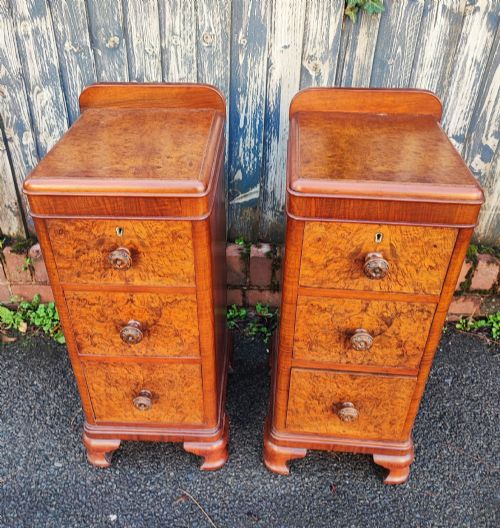
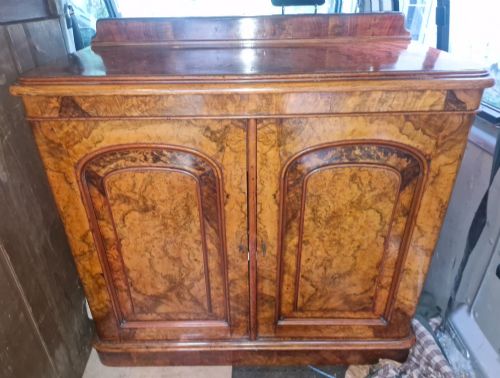
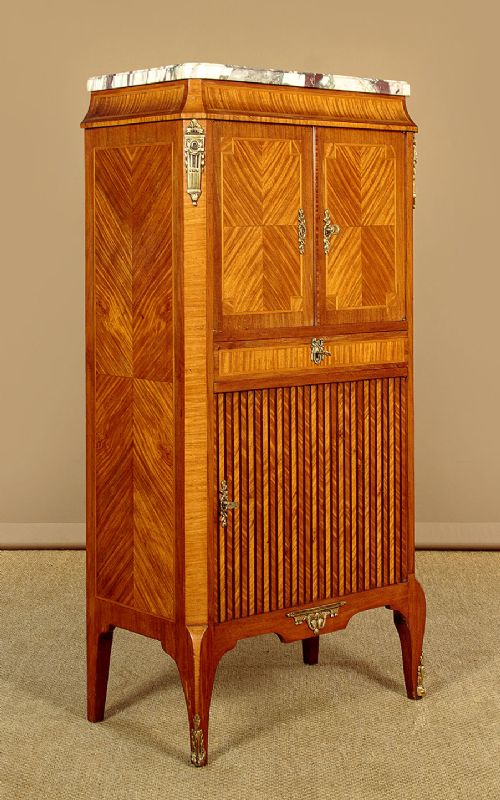
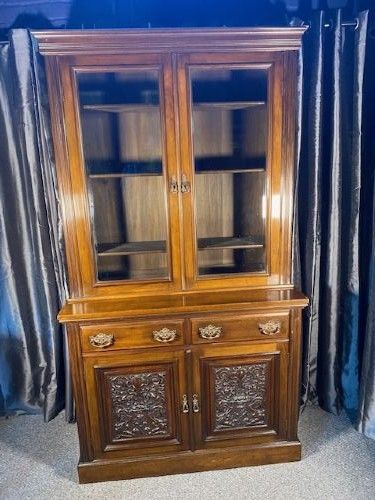
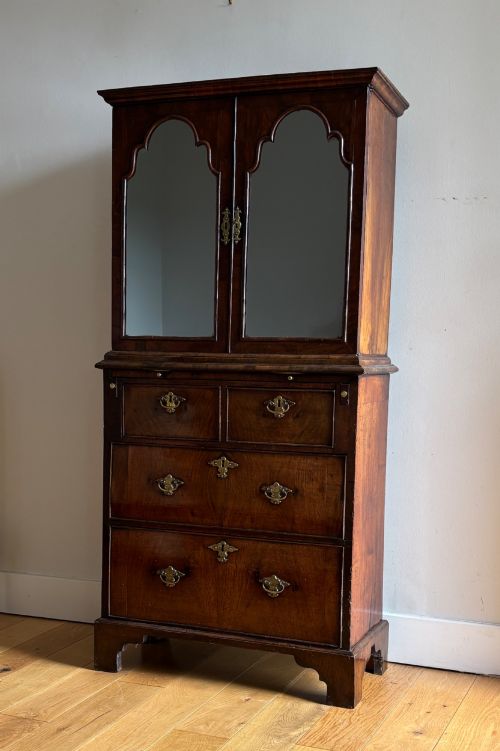
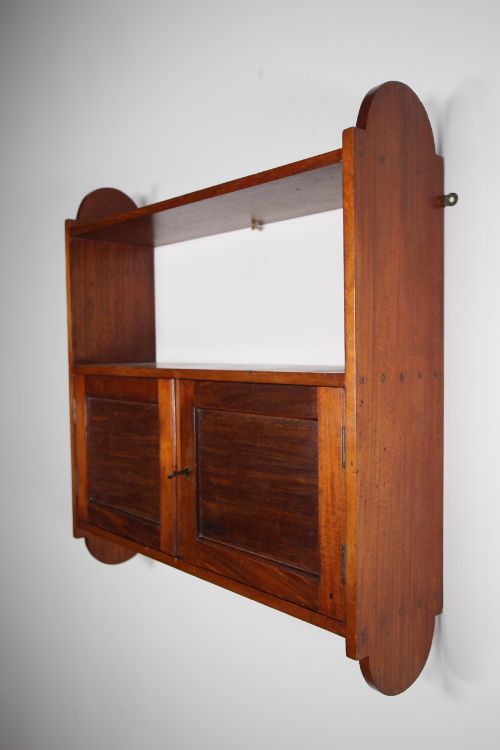
When searching for a brown walnut cupboard, buyers encounter a diverse range of domestic storage forms, including display cabinets, wardrobes, bedside tables, and drinks cabinets. The items span multiple eras, encompassing the eighteenth century, Victorian period, Edwardian years, and the 1930s Art Deco movement.
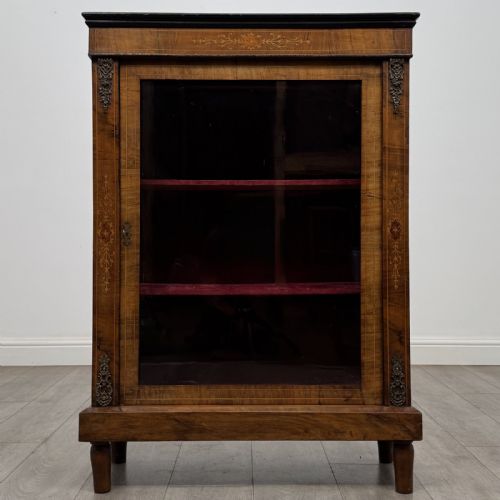
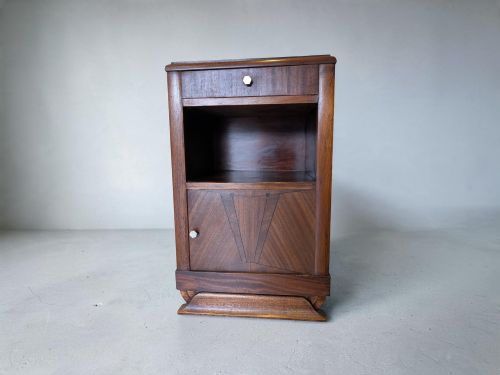
The most common versions met on this page include twentieth-century Art Deco bedside cabinets and display pieces, alongside nineteenth-century Victorian wardrobes and pier cabinets. These diverse forms reflect changing domestic needs across centuries while maintaining timber continuity.
Stylistic influences range from Dutch Baroque and Queen Anne revival to French Art Nouveau and Gothic Biedermeier. Each style demonstrates how cabinetmakers adapted the rich grain of walnut to shifting aesthetic preferences.
Materials and construction
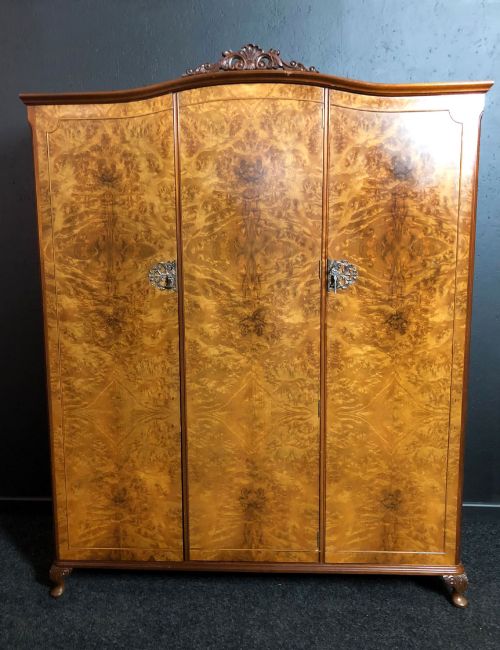
Makers utilised solid walnut and decorative burr walnut veneers over secondary timbers to create striking surface patterns. Grain selection dictated the visual weight of each piece, particularly on prominent doors and panels.
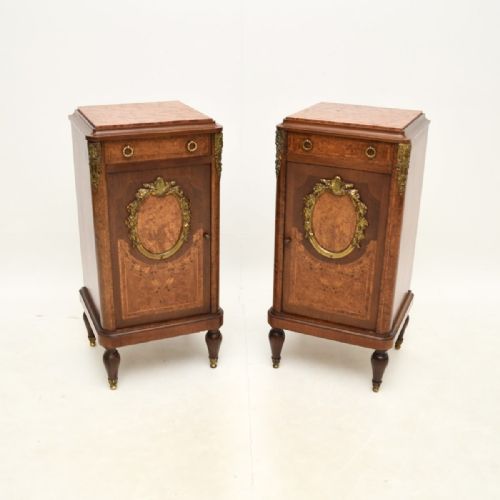
Brass fittings, marble tops, glass panels, and ormolu mounts frequently complement the timber. Marquetry inlay utilising fruitwood and floral motifs adds intricate detail to Dutch and continental pieces.
Traditional joinery techniques unite the carcase and shelves, allowing the dense timber to remain stable over generations. Carved details and porcelain plaques serve as integrated decorative elements rather than applied afterthoughts.
Brown Walnut Cupboard Retail Price Guide 2026
Typical asking prices for brown walnut cupboard among the pieces listed under this phrase on Sellingantiques today, from the lower quarter to the upper quarter. They describe what is for sale here now, not the wider market.
Some nineteenth-century music cabinets quietly stored sheet scores behind single mirrored doors while drawing rooms filled with polite melodies.
Evaluating cabinet quality
Quality rests upon the selection and matching of the walnut veneer across the doors and facade. Superior examples exhibit symmetrical grain patterns that flow naturally across intersecting panels and drawers.
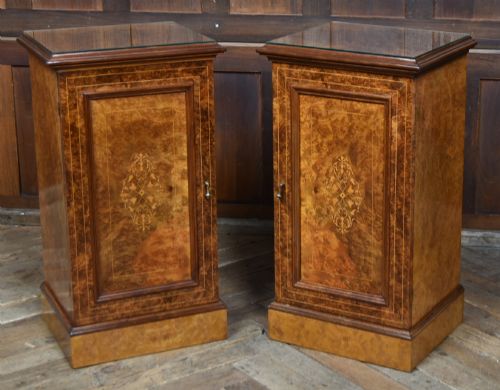
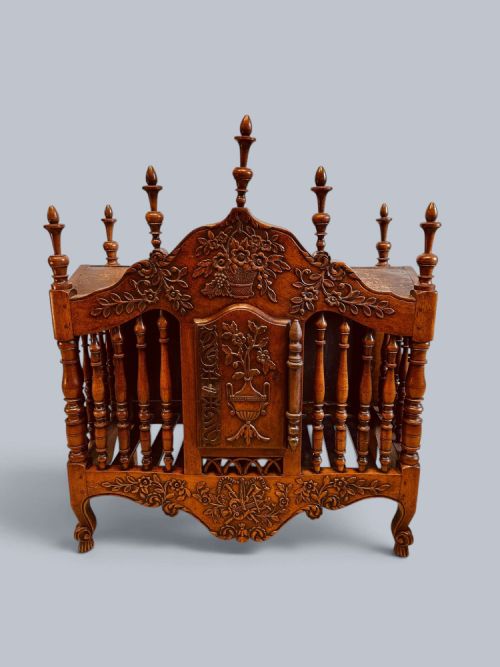
The precision of marquetry inlay and the crispness of carved details distinguish finer workshops from mass production. Well-executed marquetry retains tight joints between contrasting fruitwoods without filler.
Structural integrity depends on the retention of original brass hardware, glass, and internal fittings such as sliding shelves or clothes rails. Alterations to interiors or replaced elements shift a piece away from its original state.
Shoolbred and Co.
The Brown Walnut Cupboard Glossary
- Burr walnut
- Timber taken from a tree growth where the grain has grown in a deformed, swirling manner. This produces highly figured, decorative veneer patterns prized for cabinet doors.
- Marquetry
- The art of applying pieces of veneer to a structure to form decorative patterns and pictures. Craftsmen cut contrasting woods like fruitwood to create floral or geometric designs.
- Ormolu
- Gilded bronze mounts applied to furniture for decorative effect. It appears on finer nineteenth-century pieces to highlight corners and keyhole escutcheons.
- Pier cabinet
- A low cabinet designed specifically to stand against the wall space between windows. Victorian examples often feature glass doors for displaying porcelain.
- Tallboy
- A tall chest of drawers standing on a short base or legs. Twentieth-century iterations frequently utilise burr walnut veneers across multiple stacked drawer tiers.
Brown Walnut Cupboard: Frequently Asked Questions
How do I date a walnut cabinet?
Dating relies on examining construction methods, hardware, and stylistic cues such as Art Deco geometry or Victorian marquetry. Secondary timbers inside drawers often provide clues to the period of manufacture.
Changes in locks, handles, and hinges also help determine whether a piece retains its original components. Comparing the overall silhouette to documented period forms confirms the likely decade.
Are walnut cabinets durable for daily use?
Walnut is a robust and stable hardwood that withstands regular domestic use when properly maintained. Cabinets and wardrobes function reliably for modern storage needs.
Keeping timber pieces away from direct heat sources and sudden humidity changes prevents veneer lifting and wood splitting. Regular polishing preserves the natural lustre of the brown surface.
What is the difference between a cabinet and a cupboard?
Historically, cupboards were enclosed storage spaces primarily used for food or linen, often featuring simple doors. Cabinets evolved to include glazed display fronts, specialised shelving, and refined decorative veneers.
Over time, the terms began to overlap, particularly with bedside and hall furniture. Listings often use both labels interchangeably depending on internal fittings.
How should I care for burr walnut veneer?
Burr walnut requires gentle cleaning with a soft, dry cloth to remove dust without abrasive action. Avoid silicone-based sprays that can penetrate micro-fissures in aged finishes.
Applying traditional beeswax periodically nourishes the timber and protects the delicate grain. Direct sunlight should be avoided to prevent the rich brown tones from fading.