



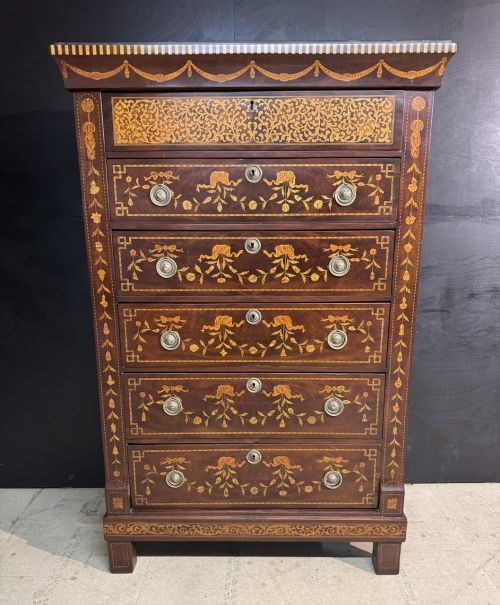
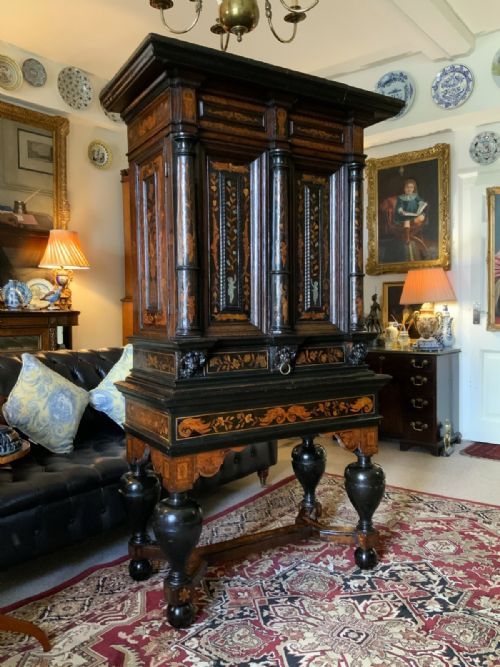
Dutch Marquetry Cabinet
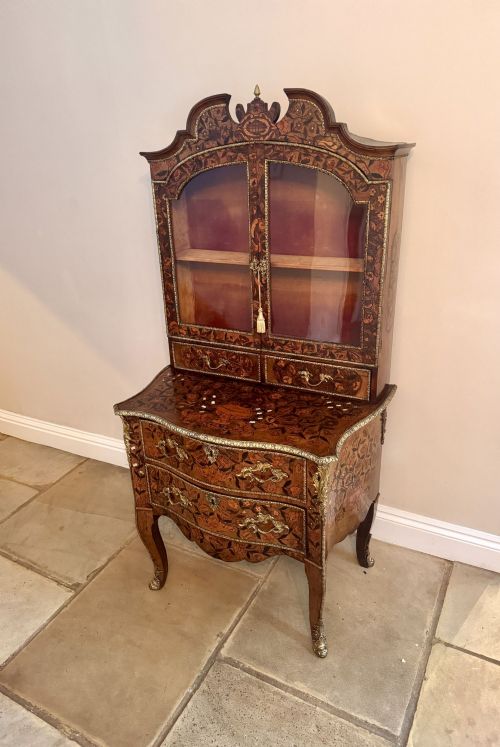
A dutch marquetry cabinet brings elaborate floral inlays and rich timber surfaces into a room, offering historic storage with undeniable visual presence.
Dutch Marquetry Cabinet
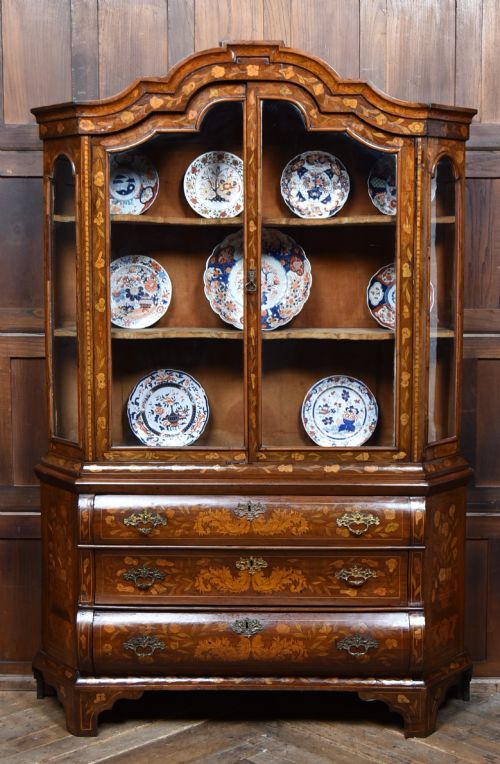
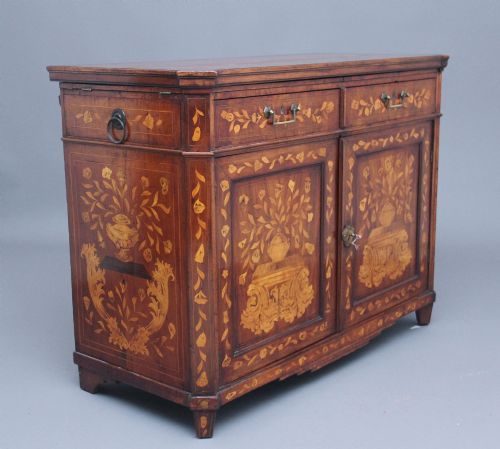
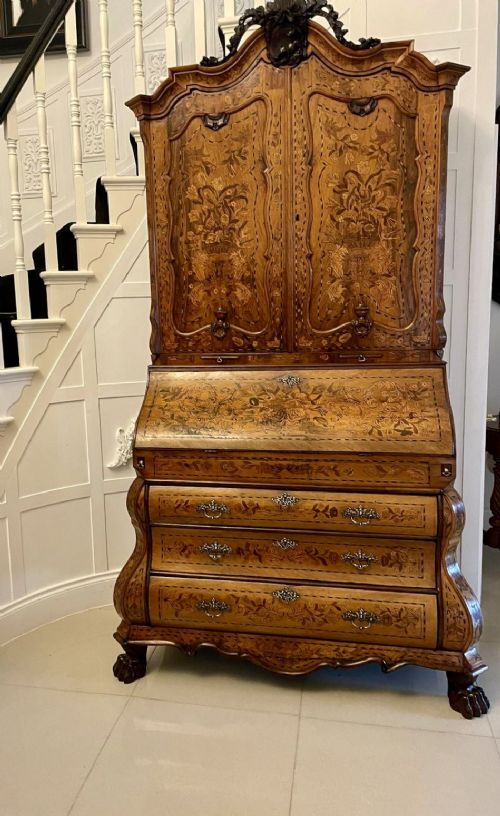
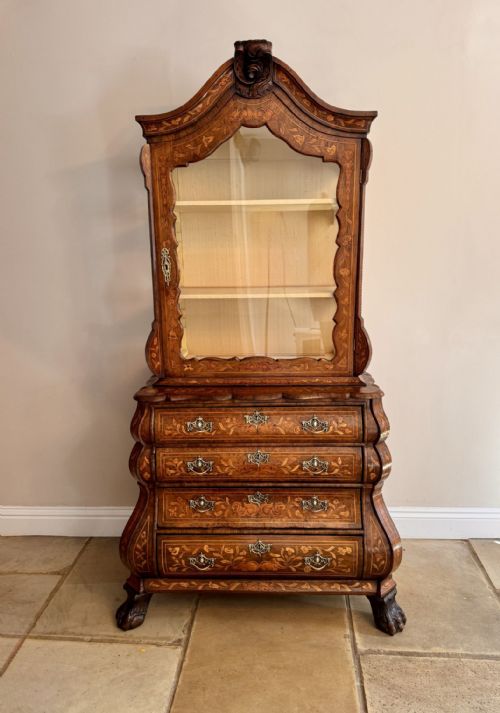
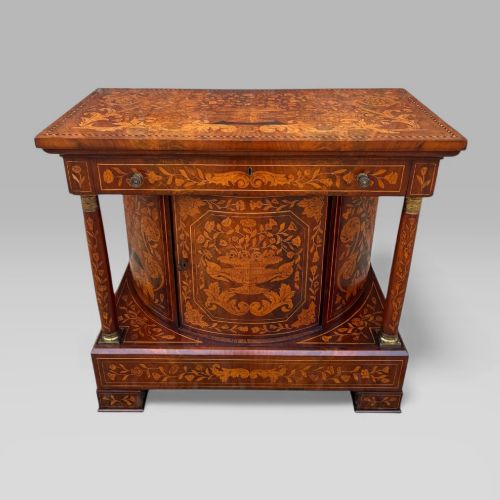
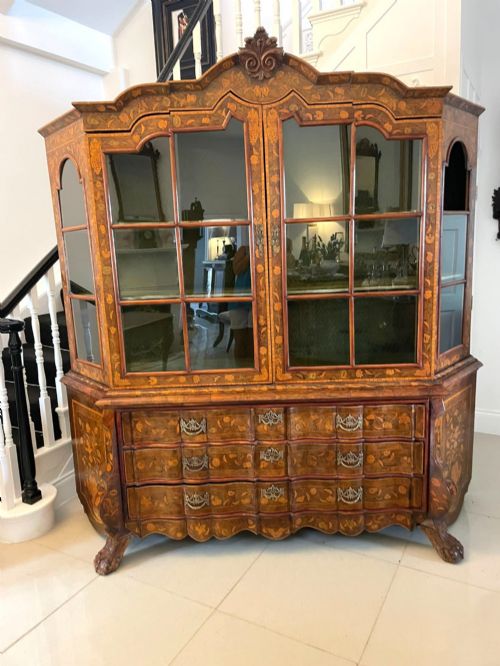
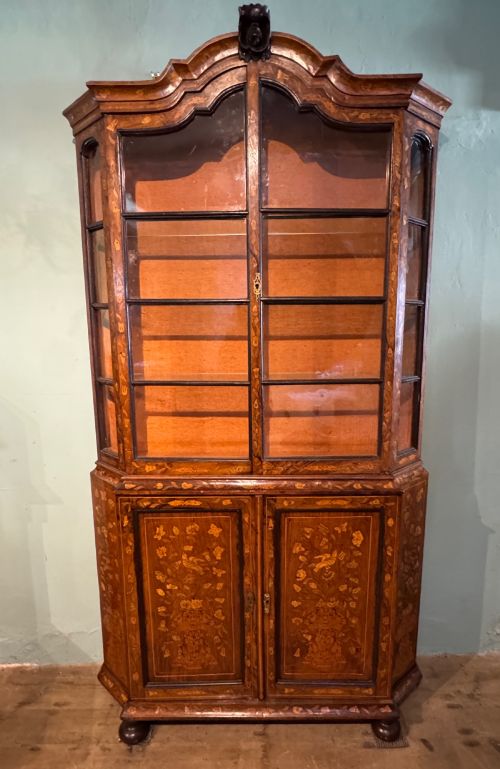
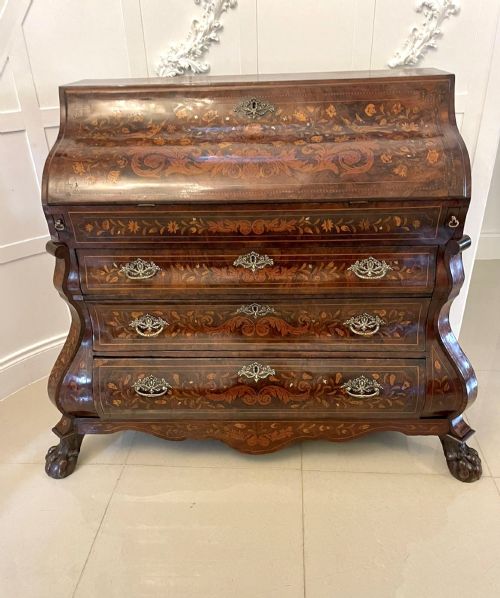
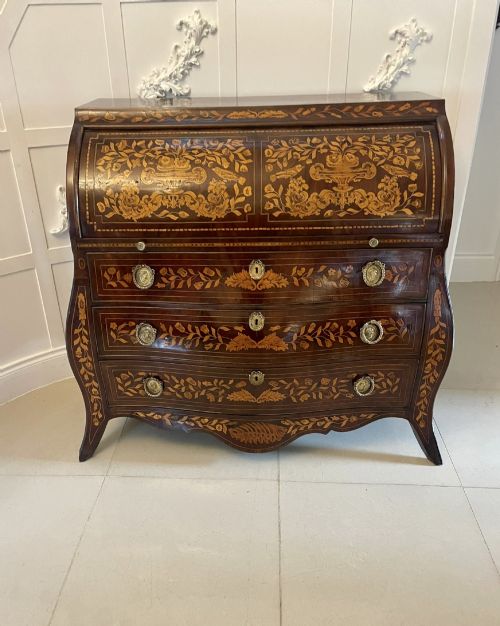
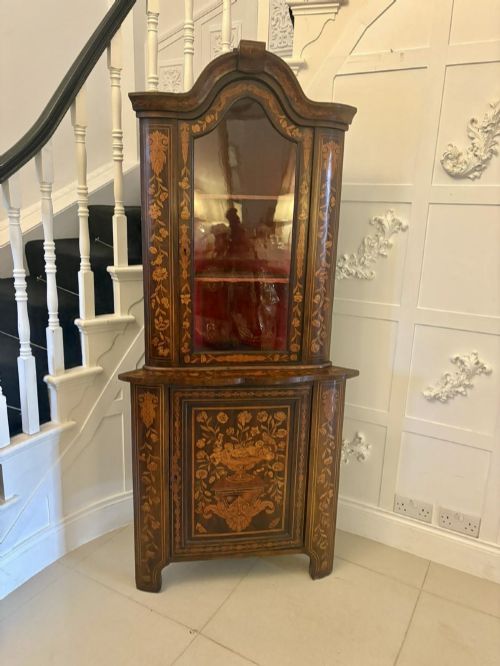
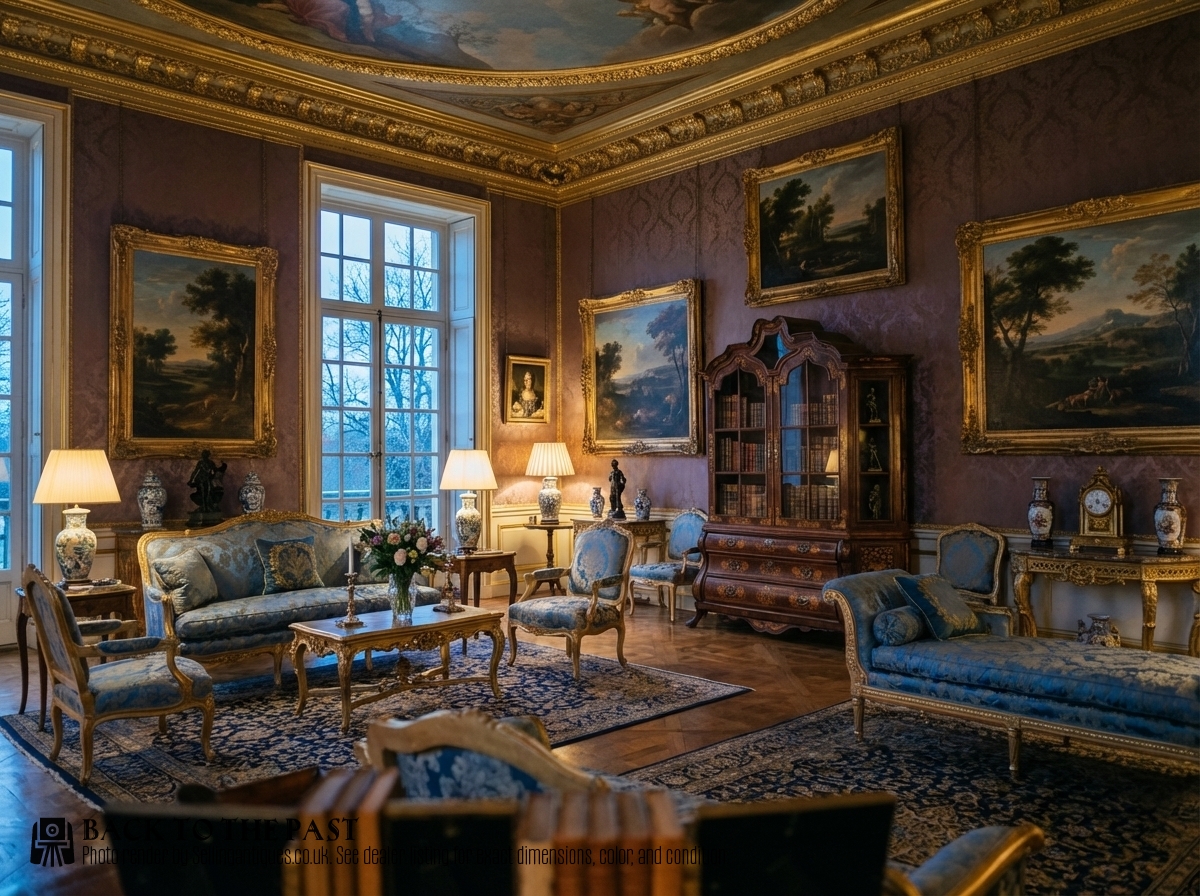
A dutch marquetry cabinet encompasses an array of storage forms, from grand bureau bookcases and display cabinets to corner cupboards and bedside tables. When exploring this selection, a buyer frequently encounters pieces dating from the eighteenth century alongside nineteenth-century interpretations.
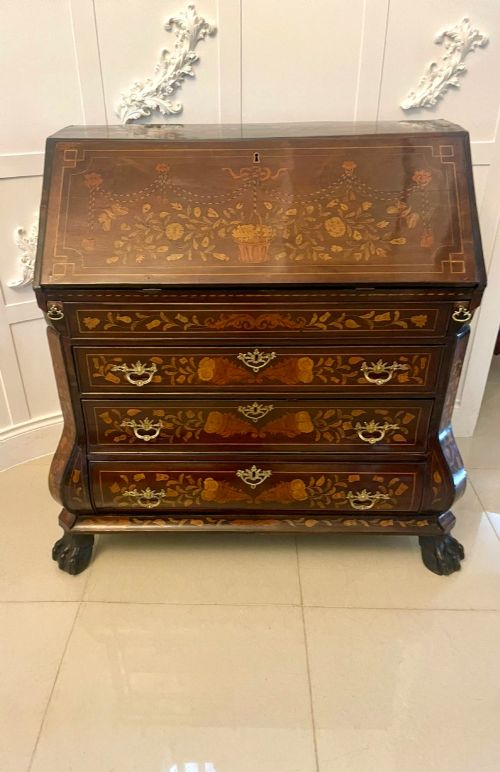
The aesthetic bridges several movements, spanning Dutch Baroque, Rococo, and Neoclassical styles. Forms range from straight-fronted linen presses to dramatic bombé silhouettes with swelling curves.
How They Were Made
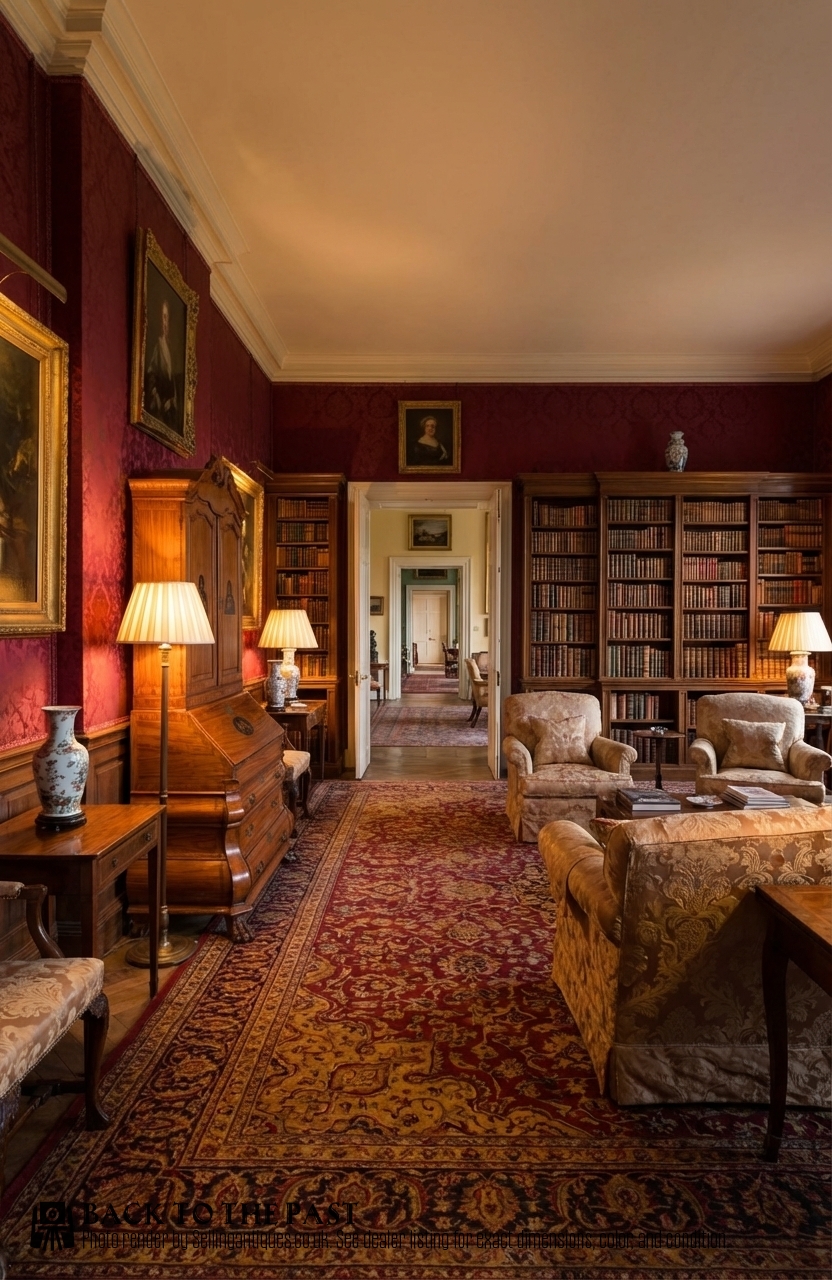
Cabinetmakers constructed the carcases using solid foundational timbers like oak, mahogany, and walnut, providing stable support for complex decorative schemes. Surfaces were then veneered in burr walnut or fruitwood before artisans meticulously inlaid contrasting woods to create intricate floral patterns.
Details were occasionally enhanced with pewter inlay and brass hardware, while glazed doors and glass panels framed upper display sections. The labour-intensive craft demanded immense precision in cutting and fitting tiny individual wood veneers.
Dutch Marquetry Cabinet Retail Price Guide 2026
Typical asking prices for dutch marquetry cabinet among the pieces listed under this phrase on Sellingantiques today, from the lower quarter to the upper quarter. They describe what is for sale here now, not the wider market.
Miniature apprentice pieces survive as delightful cabinet-maker proofs, shrinking grand bombé wardrobes into tabletop proportions.
What Varies in Quality
The tier of a piece often depends on the crispness and complexity of the floral marquetry and the choice of burl veneers. Superior examples display dense, varied botanic motifs that flow seamlessly across drawer fronts and curved doors.
Structural harmony also dictates value, particularly in bombé pieces where the sweeping contour must remain balanced and true. The integration of original brass mounts and well-figured secondary timbers further separates standard specimens from exceptional works.
Edwards and Roberts
The Dutch Marquetry Cabinet Glossary
- Marquetry
- Decorative veneer work forming pictures or patterns by using thin pieces of wood and other materials. This technique defines the striking floral displays seen across these case pieces.
- Bombé
- Swelling or outwardly bulging in contour, typical of advanced cabinet design. This curved profile creates dramatic shadow and highlights the grain of the walnut.
- Bureau bookcase
- A writing desk with a sloping flap combined with shelving enclosed by doors above. These dual-purpose units provide both workspace and display capacity.
- Vitrine
- A glass-displayed cabinet designed to showcase porcelain and curiosities. They often feature glazed sides to maximise light penetration.
- Linen press
- A tall storage piece originally utilised for textiles, featuring internal sliding trays or shelves. They frequently appear in walnut with marquetry door panels.
Dutch Marquetry Cabinet: Frequently Asked Questions
How do I date a marquetry cabinet?
Dating relies on examining the secondary timbers, construction joints, and stylistic shifts between Baroque, Rococo, and Neoclassical vocabularies. Eighteenth-century examples often display heavier walnut carcases and vibrant floral compositions.
Nineteenth-century revivals frequently adopted lighter mahogany grounds or incorporated specific nineteenth-century construction methods behind the historicist facades.
Where should I place a corner cabinet?
A corner cabinet fits neatly into neglected room angles, making efficient use of space while adding architectural interest. Wall-mounted versions suit compact areas, whereas floor-standing cupboards anchor larger rooms.
They provide ideal display surfaces for small collections without dominating the floor plan.
Are bureau bookcases practical for daily use?
Bureau bookcases combine a fold-down writing surface with extensive upper shelving, offering versatile function for modern living. The fitted interior compartments organise stationery while concealed drawers secure valuables.
They function as working desks that can be neatly closed away when not in use.