

Brown Walnut Vitrine
A brown walnut vitrine brings warmth and visibility to collected objects, spanning styles from Dutch Baroque to Art Deco.

Brown Walnut Vitrine
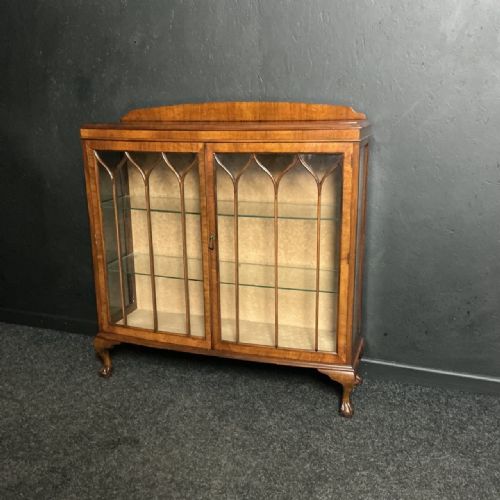
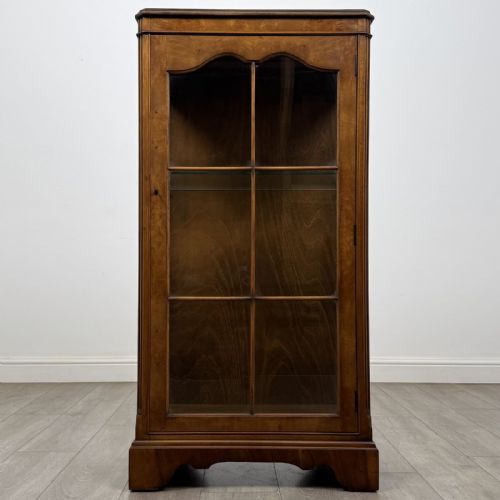
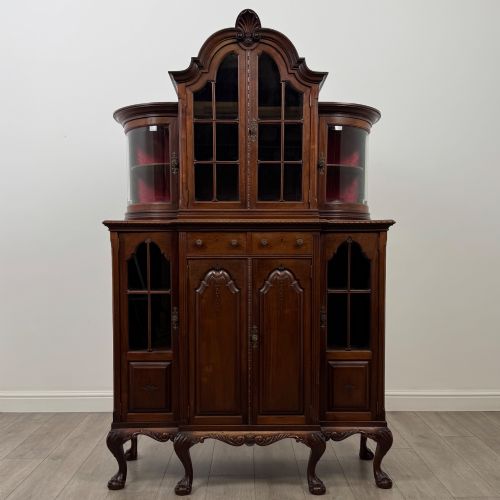
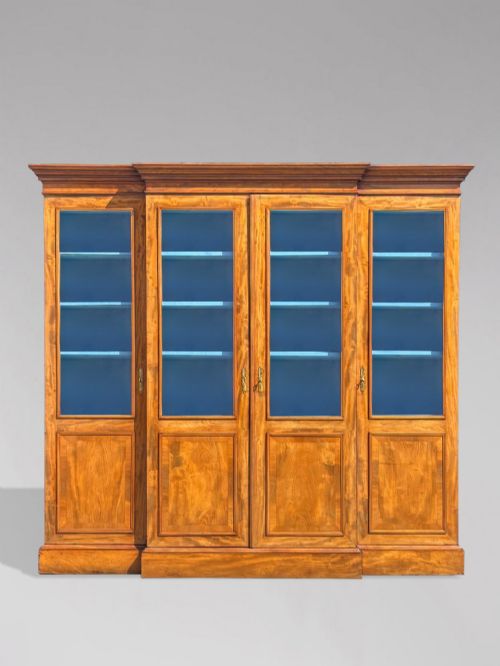
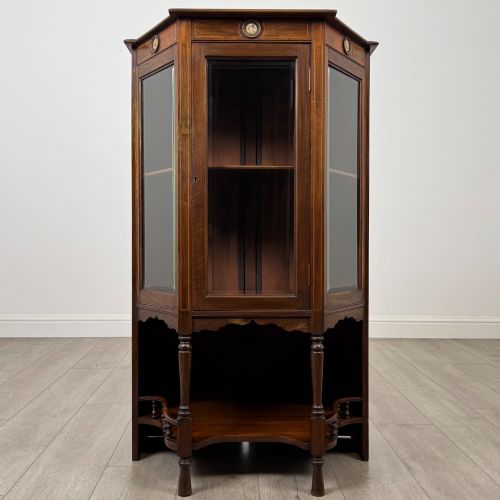
A brown walnut vitrine serves primarily to display porcelain, books and small treasures behind glazed doors or panels. These cabinets appear in various forms, including corner units, wall cabinets, circular shapes and tall floor-standing display pieces.
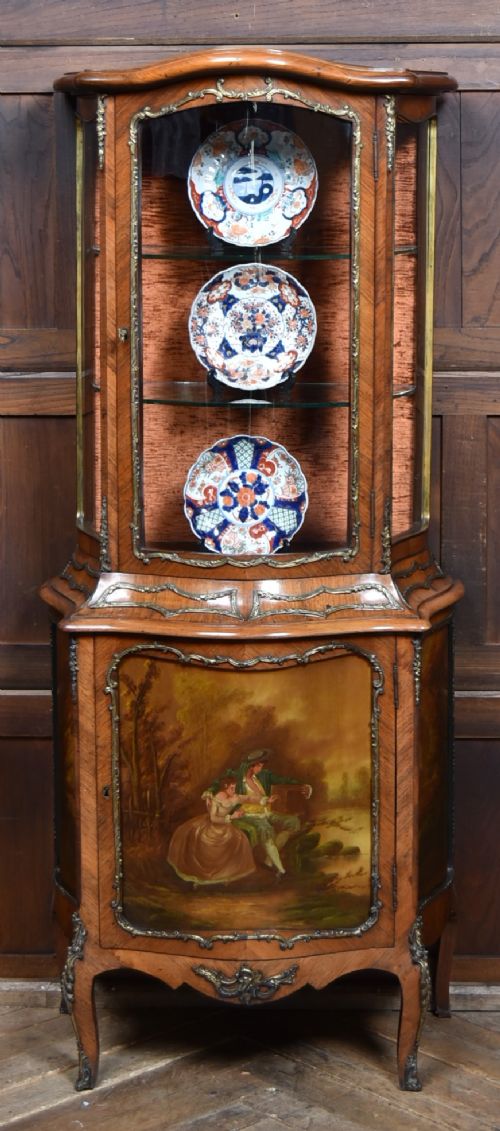
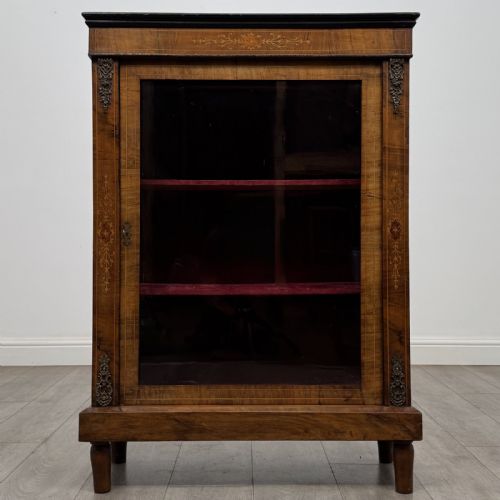
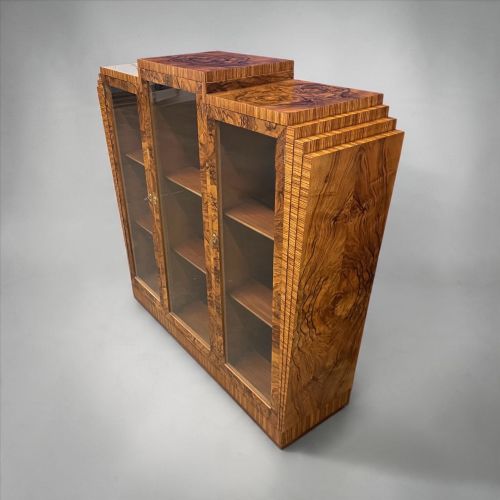
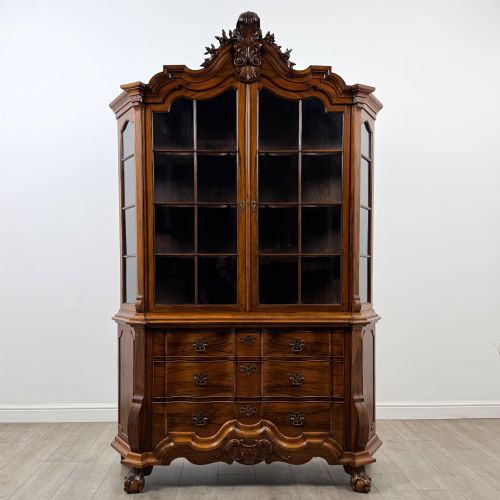
The selections span distinct historical periods, from eighteenth-century Dutch marquetry examples to nineteenth-century Victorian and Edwardian pieces, alongside geometric Art Deco designs from nineteen-thirty. Buyers encounter forms ranging from simple glazed uprights to bombé shapes and cabinets on chests.
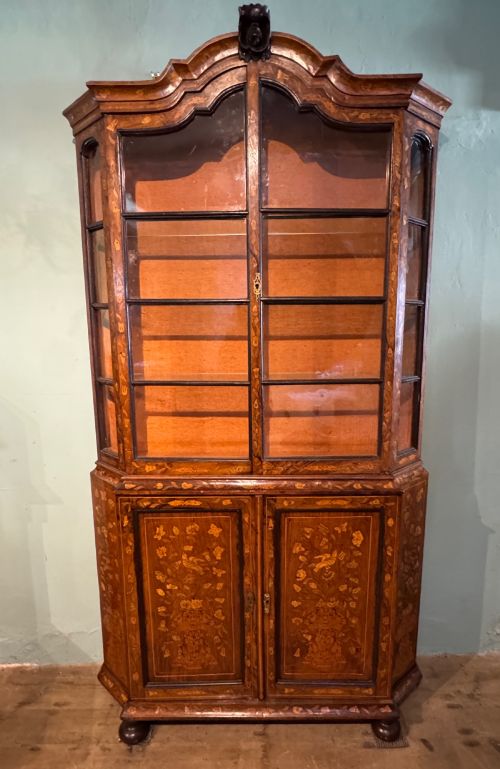
Origins stretch across England, France, Italy and the Netherlands, with continental pieces frequently displaying intricate floral marquetry inlay in lighter fruitwoods across the walnut carcass.
Materials and construction
Cabinet makers utilised solid walnut and burr walnut veneers over secondary timbers, exploiting the rich grain patterns of the wood. Surfaces often incorporate marquetry work using fruitwoods to form floral or geometric motifs.
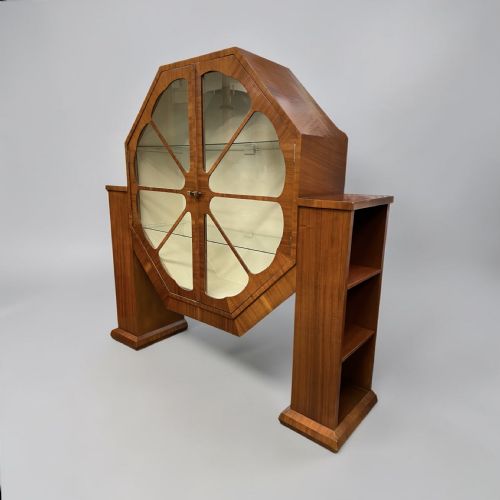
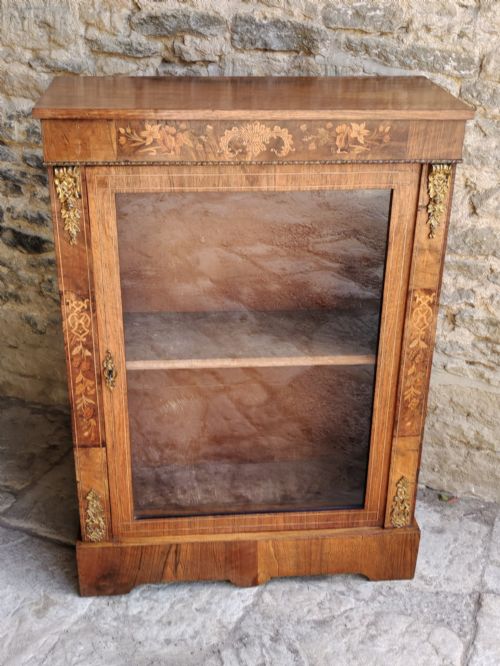
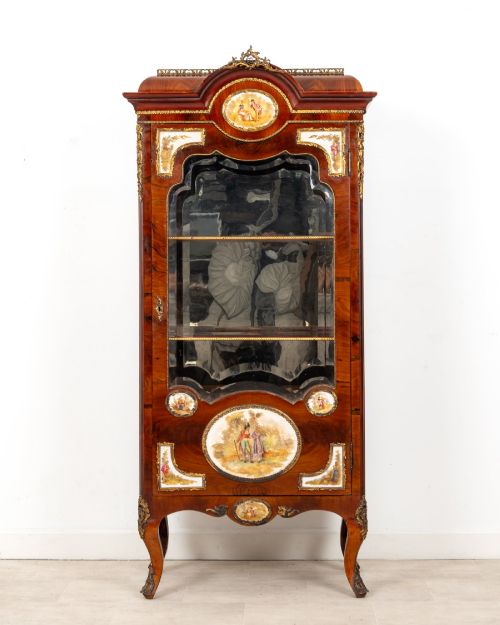
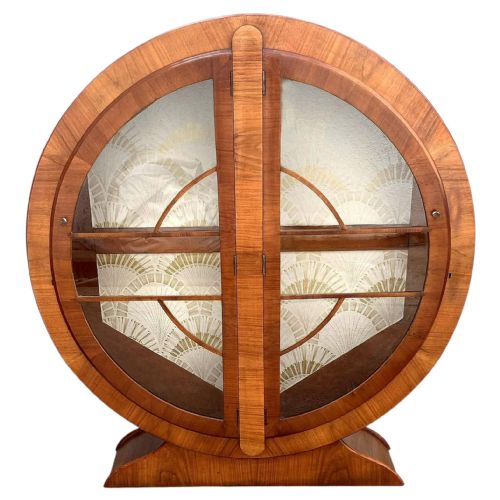
Glazing takes multiple forms, from simple leaded panes to curved glass panels on circular Art Deco carcases. Brass and ormolu mounts frequently accent nineteenth-century French and Victorian models, framing doors and corners.
Brown Walnut Vitrine Retail Price Guide 2026
Typical asking prices for brown walnut vitrine among the pieces listed under this phrase on Sellingantiques today, from the lower quarter to the upper quarter. They describe what is for sale here now, not the wider market.
One remarkably shaped piece from nineteen-thirty takes the form of a clove, proving that walnut cabinet makers occasionally embraced unusual geometry.
Distinguishing quality across examples
Quality rests heavily on the depth of the timber grain, the precision of the marquetry inlay and the harmony of the proportions. Finer examples display carefully selected burr walnut figures and tightly fitted brass or ormolu mounts that integrate cleanly with the carcass.
The integrity of the glass and the smoothness of the door mechanisms differentiate standard production from superior pieces. Hand-cut glazing bars and refined internal shelving demonstrate greater workshop skill than mass-produced alternatives.
Maple & Co.·Edwards & Roberts
The Brown Walnut Vitrine Glossary
- Vitrine
- A glass-fronted cabinet designed specifically for displaying porcelain, curiosities and objects d'art. These pieces prioritise visibility through large glazed door panels.
- Marquetry
- Decorative inlay work using thin veneers of different coloured woods, such as fruitwood, arranged to create pictorial patterns or floral designs on the walnut surface.
- Ormolu
- Gilt-bronze mounts applied to the exterior of cabinets, particularly prevalent on nineteenth-century French and Victorian pieces to highlight corners and keyhole escutcheons.
- Bombé
- A swelling, outwardly curved contour found on eighteenth-century Dutch cabinet bases. This bulging profile requires advanced woodworking technique to shape the walnut timbers.
- Burr walnut
- Timber taken from the growth excrescence of a walnut tree, yielding highly swirled, mottled grain patterns used for high-status cabinet veneers.
Brown Walnut Vitrine: Frequently Asked Questions
What is a brown walnut vitrine used for?
These cabinets serve to house and exhibit collections of porcelain, glassware and small decorative objects safely behind glass. The glazed doors protect items from dust while maintaining full visibility from the room.
Historically, they occupied drawing rooms and parlours where hosts displayed their finest possessions to guests. Today, collectors utilise them in living spaces and studies to organise and showcase similar treasures.
How do I tell an 18th-century piece from a Victorian one?
Eighteenth-century examples often feature elaborate floral marquetry inlay and bombé profiles, reflecting Dutch Baroque and period sensibilities. The construction relies on traditional hand-cut joinery and native European walnut timbers.
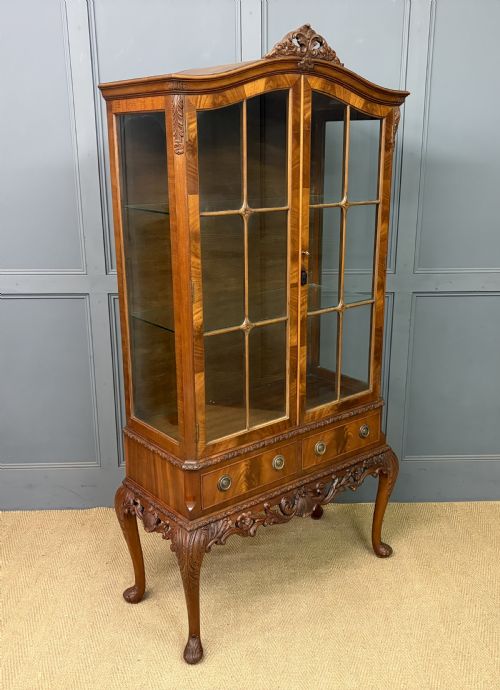
Victorian and later pieces frequently incorporate machine-sawn elements, denser burr walnut veneers, ormolu mounts, and distinct revival styles like Queen Anne or Louis XV. Examining the secondary woods and interior carcass construction helps confirm the production era.
Are corner cabinets available in this style?
Yes, several listings include corner cabinets designed to fit domestic room angles efficiently. These pieces maximise floor space while offering glazed display shelving.
They appear in both Victorian inlaid formats and earlier styles, providing the same walnut surfaces and glass doors as standard freestanding cabinets.
How do Art Deco models differ from antique ones?
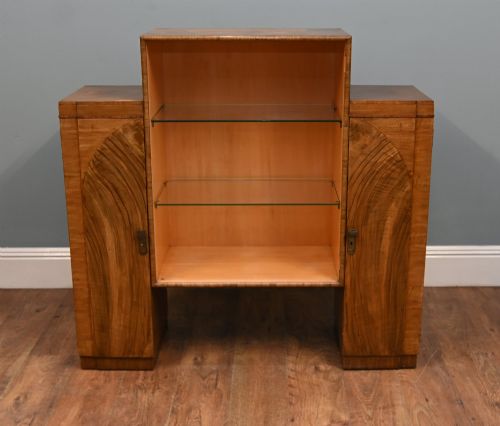
Art Deco pieces from nineteen-thirty favour geometric forms, circular silhouettes and figured walnut veneers without historical revival ornament. Their lines remain clean and architectural, focusing on the natural grain of the wood.
Older antique versions from the eighteenth and nineteenth centuries rely on carved details, marquetry, ormolu mounts and traditional period proportions rather than modernist symmetry.