


Vintage Display Case
A vintage display case brings both structure and visibility to treasured collections, combining timber frames with clear glass panels.
Understanding the vintage display case
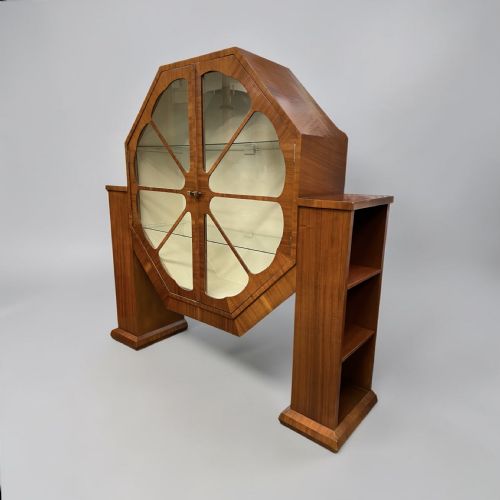
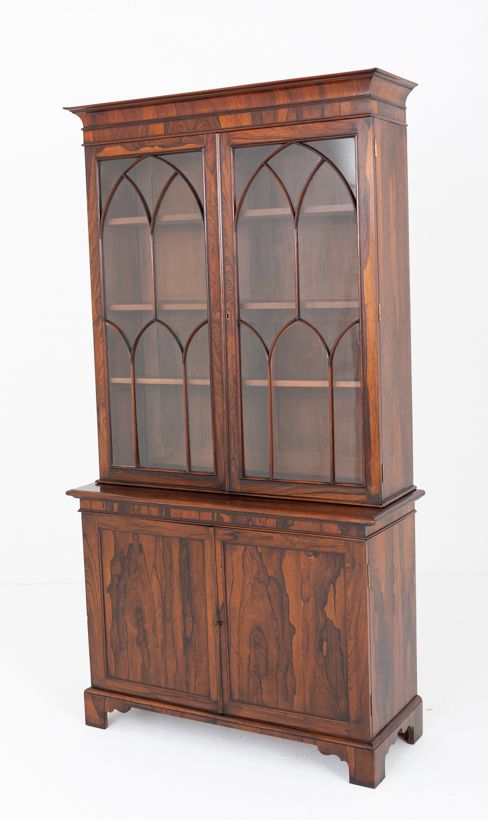
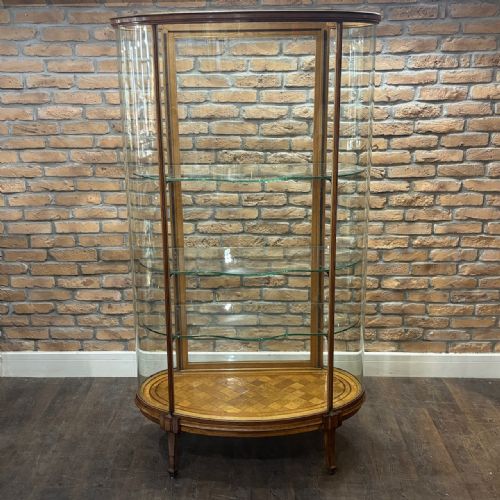
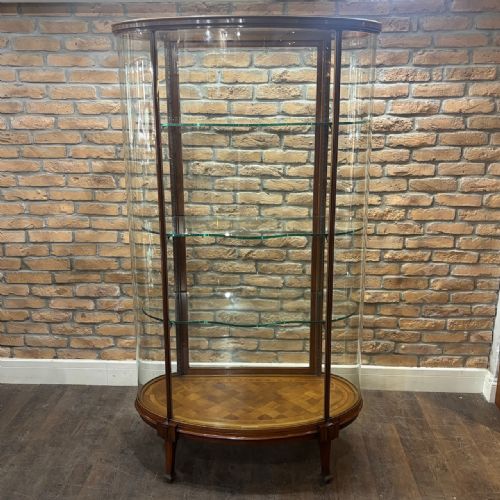
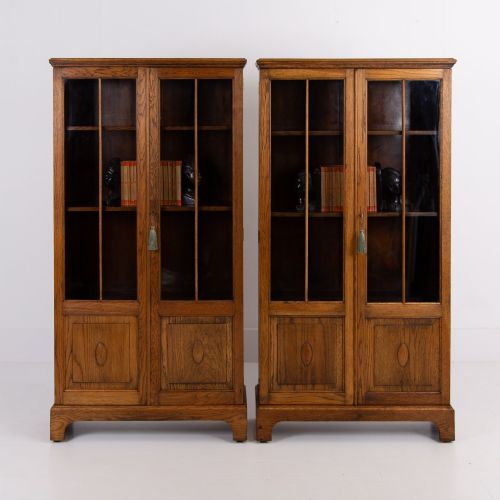
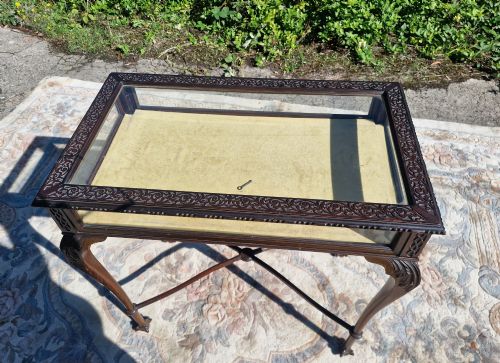
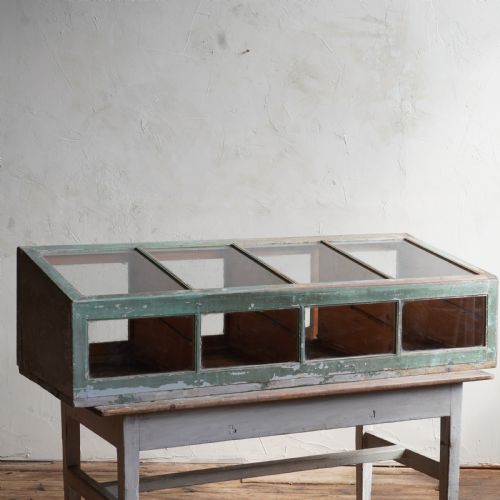
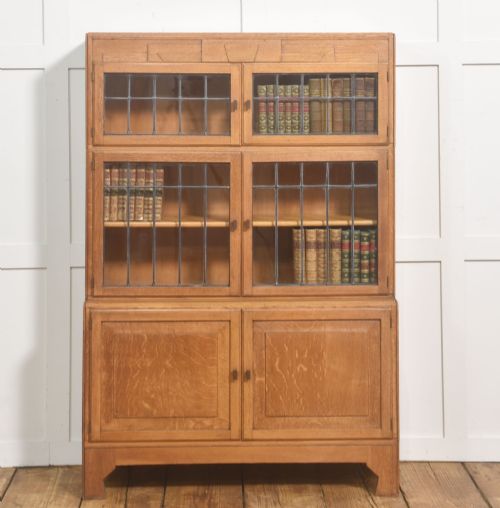
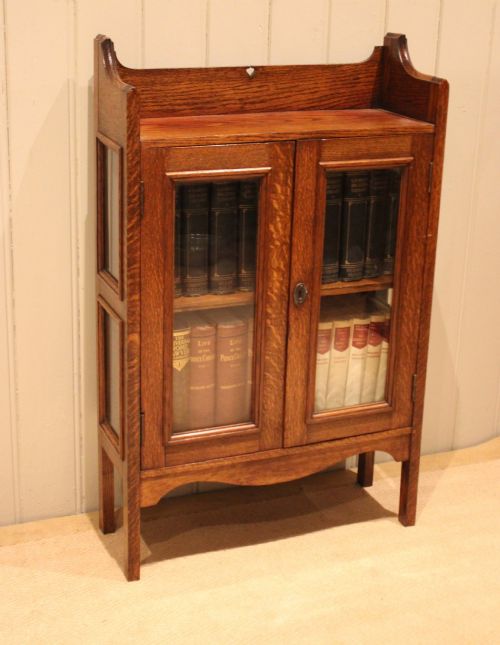
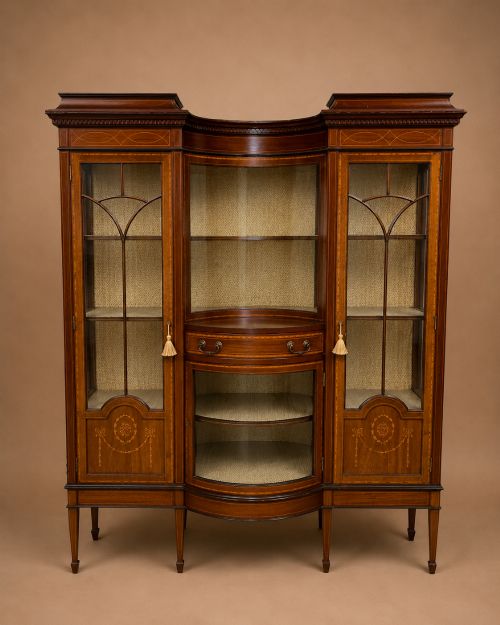
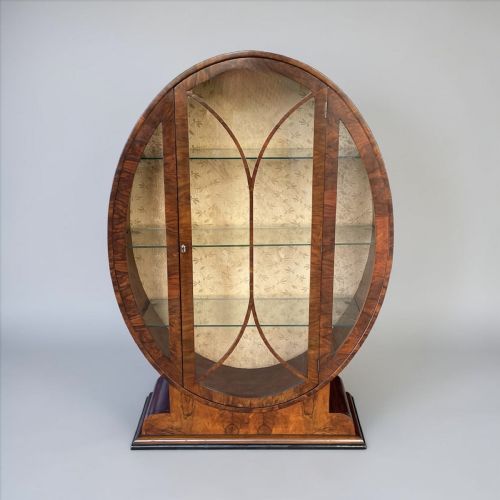
A vintage display case encompasses various enclosed glass vessels and cabinetry designed to showcase objects while protecting them from dust. These pieces emerge primarily from the Edwardian era and the 1930s Art Deco period, alongside examples dated around nineteen hundred and nineteen ten. Formats vary from tall floor-standing cabinets to compact tabletop domes and adapted bookcases.
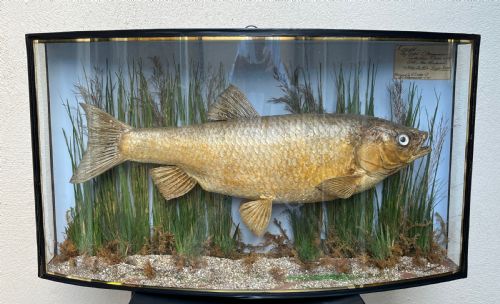
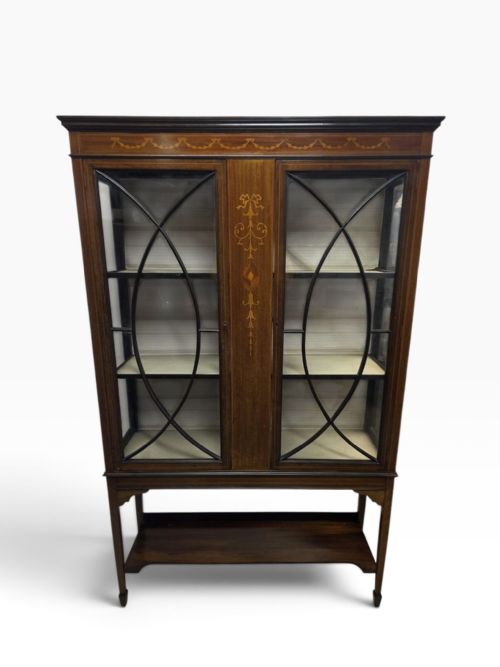
The dominant forms found here include standing display cabinets executed in walnut, mahogany, and oak, often featuring glazed doors or leaded glass. Edwardian iterations frequently display inlaid mahogany and classic proportions, while nineteen thirties examples lean towards Art Deco curves and cathedral vitrine silhouettes. Smaller variations incorporate taxidermy domes with oak bases or repurposed luggage trunks for shop displays.
Originating largely from English workshops, these items serve functional roles in modern interiors by housing books, models, and curated curiosities. The selection moves seamlessly between formal revival styles like Chippendale alongside clean geometric lines of the interwar decades.
Materials and construction methods
Construction relies heavily on traditional cabinet-making timbers, notably walnut, mahogany, and oak, sometimes accented with satinwood stringing. Frames are jointed and polished to highlight natural grain patterns, while internal shelving accommodates the weight of displayed items.
Glazing forms the central functional element, utilising flat or curved glass panes secured with timber beads or lead cames. Brass hardware appears on hinges and locks, while internal surfaces occasionally retain original fabric linings designed to cushion delicate objects.
Retail Price Guide 2026
Typical UK retail prices for vintage display case, calculated from the Sellingantiques database of over a million retail prices indexed since 2003. This retail price guide relies exclusively on Sellingantiques data; no external sources or auction records are used, so the figures do not describe the wider market.
A tiny glass dome once kept an industrious Victorian taxidermist's prized beetle collection safe from curious fingers.
Distinctions in quality and finish
Quality reveals itself in the selection of timber veneers and the precision of joinery, where finely figured walnut or carefully matched mahogany displays superior visual depth. The integration of specialised elements such as leaded glass panels, subtle inlay work, and robust brass fittings elevates standard utility furniture into accomplished cabinet-making.
Proportion and structural integrity dictate the standing of individual pieces, separating utilitarian storage solutions from more ambitious architectural vitrines. Original finishes, well-preserved glass, and untroubled timber surfaces retain the authentic character expected by discerning collectors.
Maison Jansen
The Vintage Display Case Glossary
- Vitrine
- A glass-fronted cabinet or display case specifically designed for exhibiting fine objects, ceramics, or curiosities. These pieces often feature glass on multiple sides to maximise light penetration.
- Leaded glass
- Small panes of glass held together by narrow strips of lead, known as cames, forming geometric or decorative patterns. This technique is frequently seen in early twentieth-century cabinet doors.
- Inlay
- A decorative technique where contrasting timbers or materials, such as satinwood, are inserted into recessed portions of a base wood. This adds linear detail and visual refinement to furniture surfaces.
- Display dome
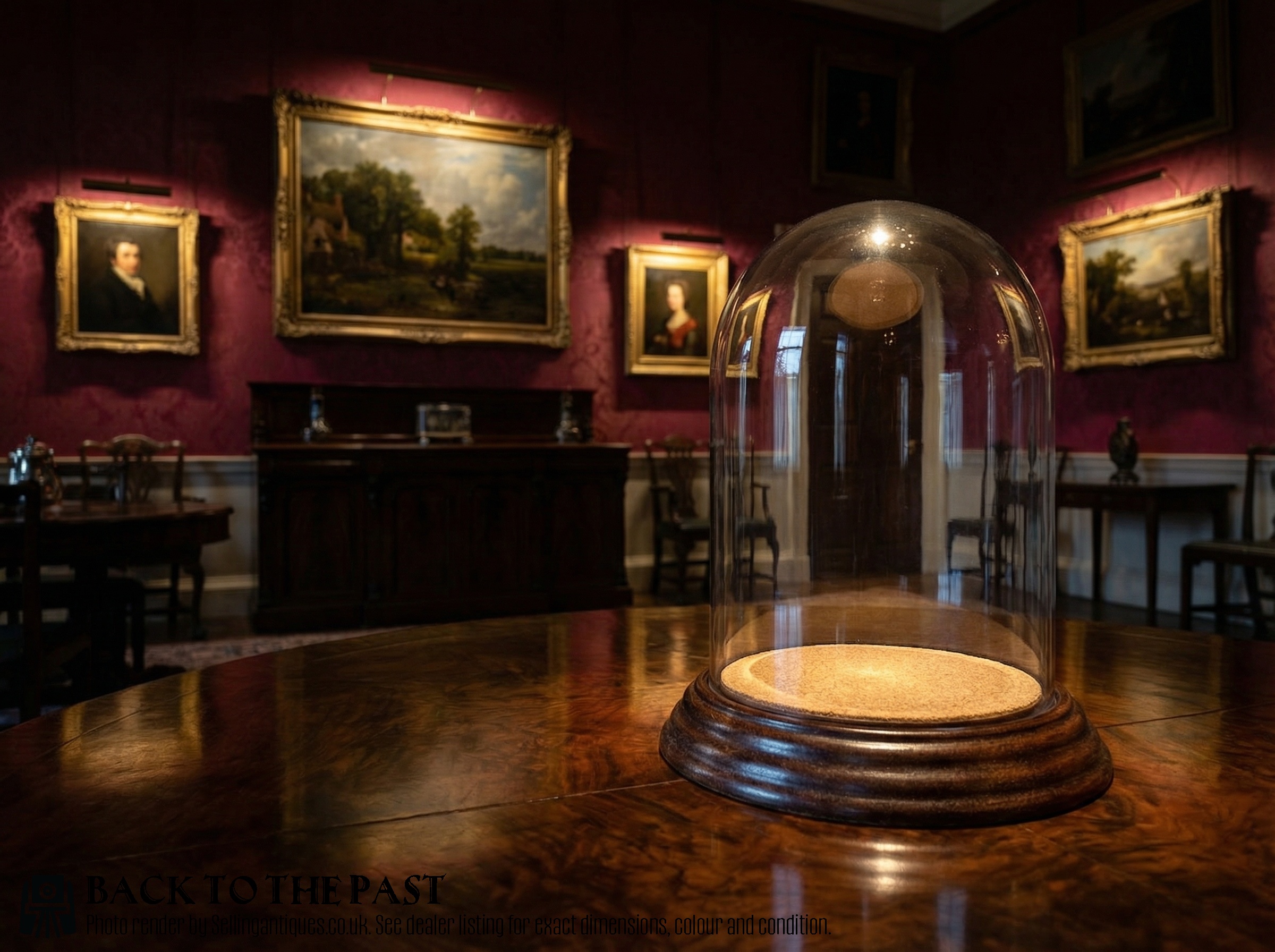
- A protective glass cover, often hemispherical or bell-shaped, mounted on a timber base. These are traditionally used to house delicate items such as taxidermy or models.
Frequently Asked Questions
What periods do these cases come from?
The pieces span from the Edwardian period through the nineteen tens and nineteen thirties. Art Deco designs and revival styles represent the primary eras.
Construction methods and timber choices align closely with the manufacturing standards of these specific decades.
How were these cabinets originally used?
They served to protect and exhibit valued possessions, books, and collections within domestic drawing rooms and studies. Tall vitrines held porcelain and glassware, while smaller domes preserved fragile specimens.
Shop displays and specialised nautical models also utilised enclosed glass casing for maximum visibility.
Are the glass panels usually original?
Most surviving cabinets retain their original glass panes, which may show minor historical surface marks. Leaded and flat glass installations are typical for the Edwardian and Art Deco periods.
Replacement glass is occasionally noted where accidental damage occurred during the working life of the furniture.
What timbers are most common?
Walnut and mahogany appear frequently across Edwardian and Art Deco examples, often chosen for their rich grain. Oak is also standard, particularly in earlier bookcases and utilitarian display formats.
Satinwood and brass frequently provide contrasting details on finer cabinet work.
How do I care for a vintage timber case?
Maintain stable indoor humidity levels to prevent timber movement and protect polished surfaces from direct sunlight. Dust regularly with a soft, dry cloth rather than applying heavy chemical polishes.
Check brass hinges and locks periodically to ensure smooth operation of doors.