

1930s Display Cabinet
A 1930s display cabinet brings geometric lines and rich timber tones into a room, offering both storage and a stage for treasured possessions.
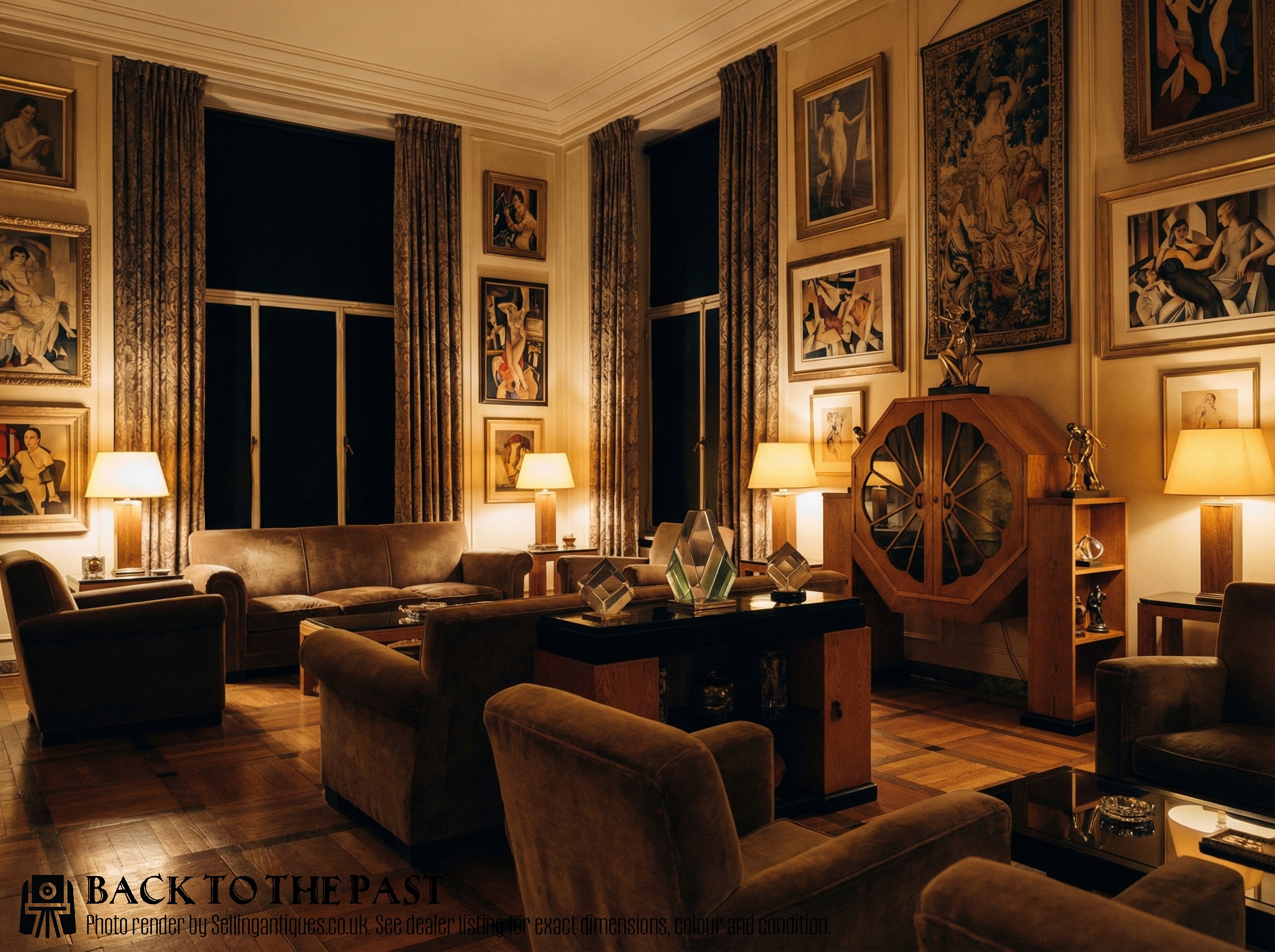
1930s Display Cabinet
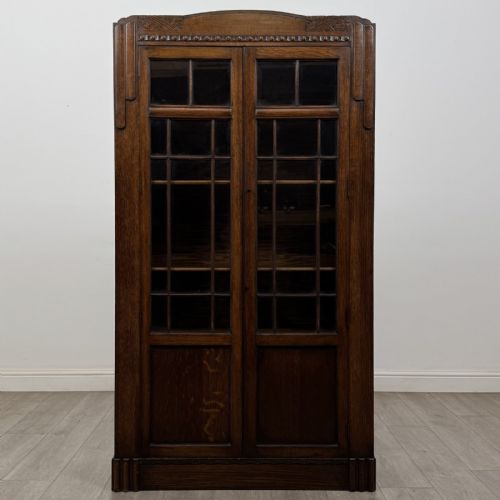
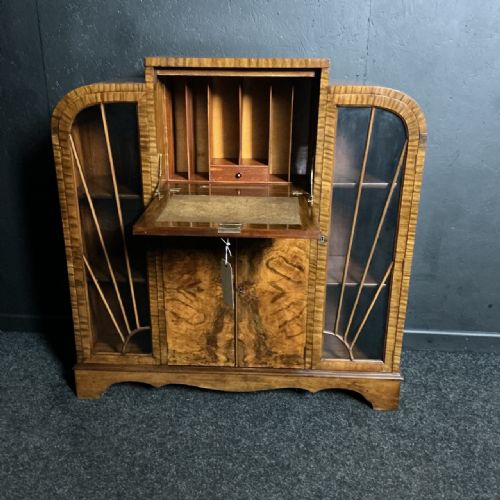
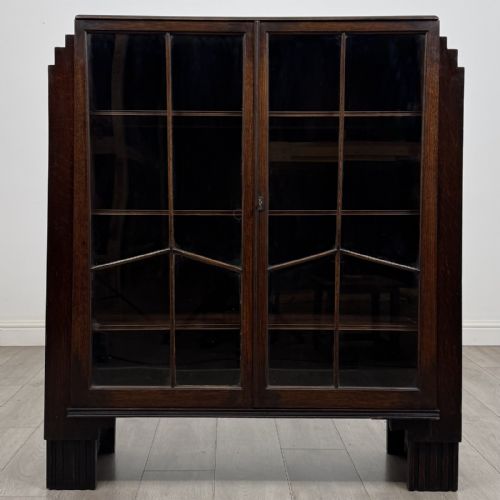
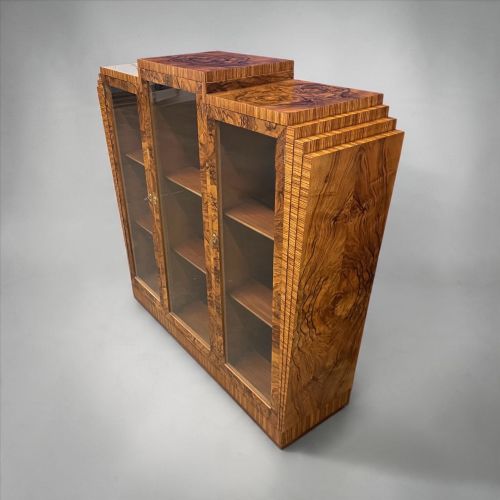
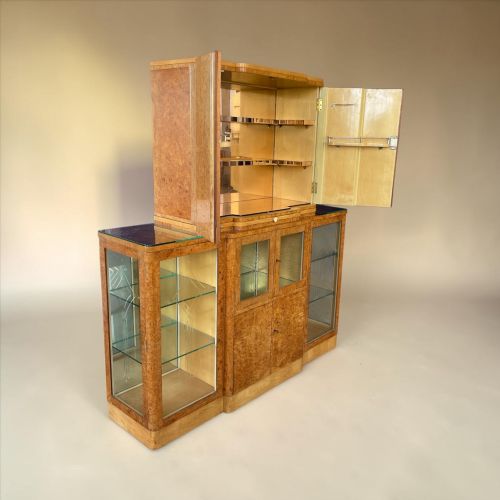
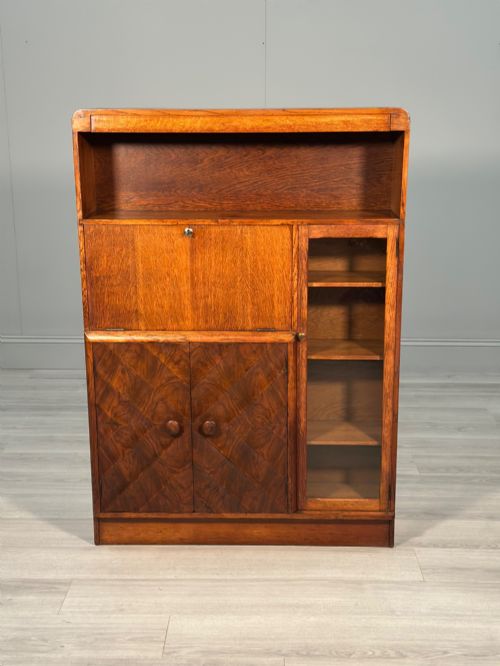
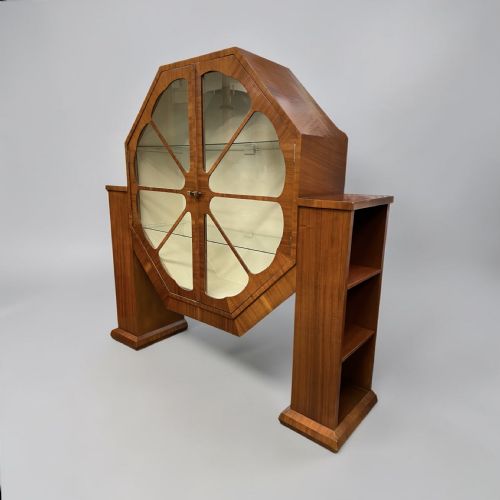
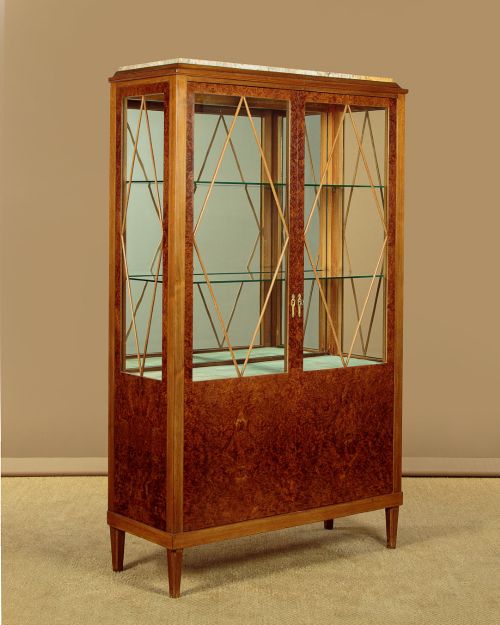
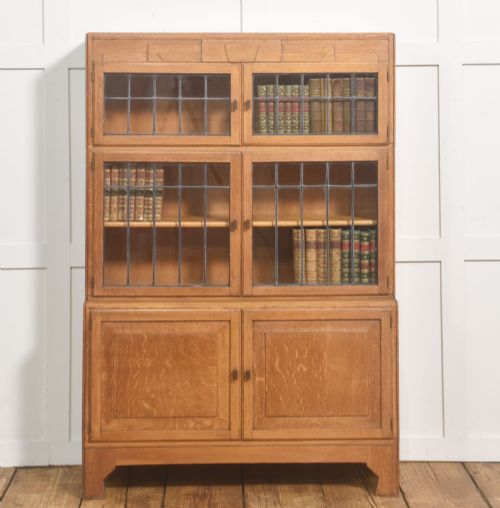
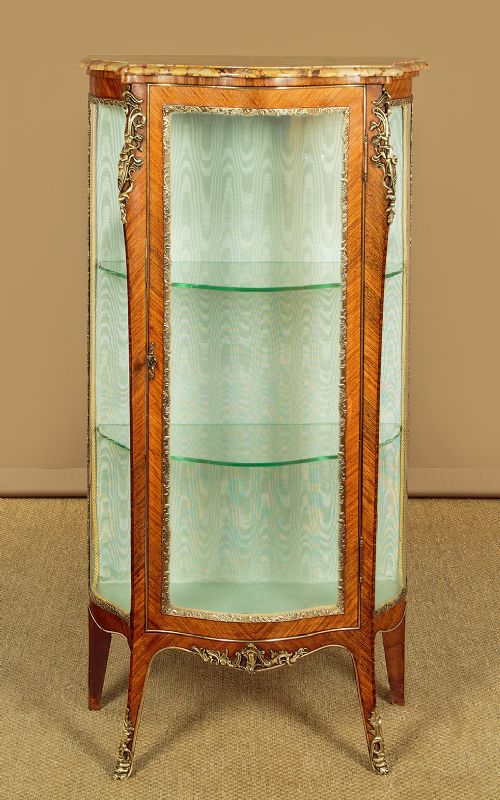
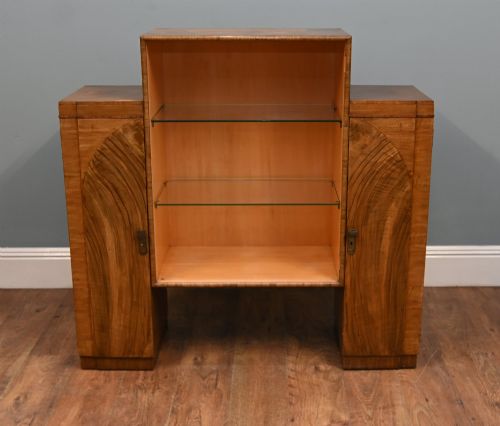
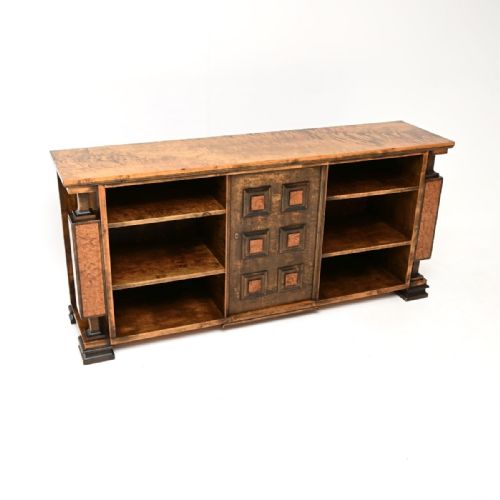
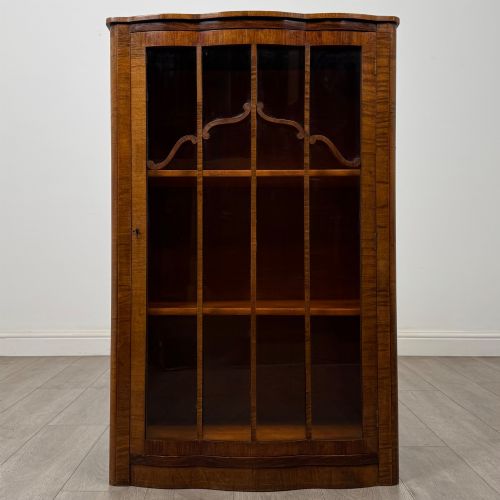
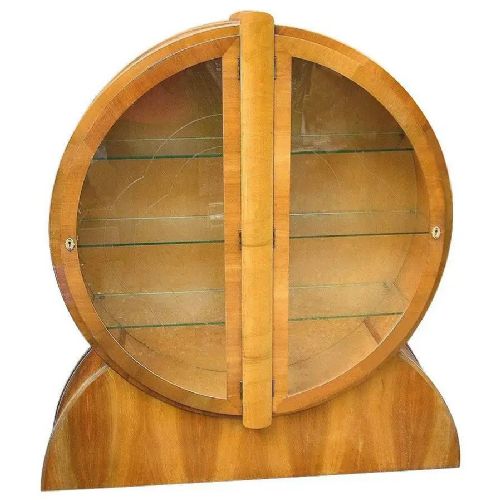
A 1930s display cabinet spans several forms, from upright vitrines and circular models to compact corner units and low serving carts. Most examples found here adopt the streamlined geometry of Art Deco design, frequently rendered in walnut or oak.
Beyond domestic furniture, the selection includes utilitarian counters and shop display cases originating from commercial interiors of the period. These industrial iterations incorporate materials like brass and lead alongside timber and glass to exhibit goods securely.
How they were made
Cabinet makers utilised rich veneers such as burr walnut, blonde walnut, and satin birch applied over sturdy secondary woods to achieve striking grain patterns on curved and flat surfaces. Solid English oak also appears frequently, sometimes paired with chrome fittings, leaded glass panels, or leather top surfaces.
1930s Display Cabinet Retail Price Guide 2026
Typical asking prices for 1930s display cabinet among the pieces listed under this phrase on Sellingantiques today, from the lower quarter to the upper quarter. They describe what is for sale here now, not the wider market.
A few cabinets have lived past lives holding everything from luxury needles to television network logos.
What varies in quality
The standard of a piece rests largely on the choice and matching of wood veneers, where symmetrical grain alignment elevates the visual impact. Simpler solid oak bookcases occupy a more utilitarian tier compared to elaborately curved or circular vitrines.
Hardware choice and joinery precision further distinguish production levels, separating standard commercial furniture from pieces produced by named designers. Original glazing, intact leadwork, and specialised hardware indicate superior preservation and original craftsmanship.
Dudley & Co·Betty Joel·Maurice Adams·Rurka·E Pollard & Co Ltd
The 1930s Display Cabinet Glossary
- Vitrine
- A glass-fronted cabinet specifically designed for displaying fine objects or porcelain. These cases often feature glazed sides to maximise ambient light.
- Haberdashery
- A style of shop display furniture featuring multiple drawers and glass panels originally utilised for selling small drapery goods. They are prized for their systematic storage layout.
- Veneer
- A thin slice of figured wood applied over a stable base timber to create decorative exterior surfaces. This technique allowed makers to utilise expensive timbers efficiently.
- Leadwork
- The network of lead strips used to hold individual panes of glass together in windows and cabinet doors. It often forms geometric or stylistic patterns typical of the era.
- Bookcase
- An open or glazed piece of furniture intended primarily for holding books, though many examples double as display cabinets with enclosed shelving.
1930s Display Cabinet: Frequently Asked Questions
How do I identify Art Deco style?
Art Deco pieces typically display clean geometric shapes, symmetrical layouts, and stepped contours rather than traditional carved ornamentation. Designers favored sleek silhouettes and rich wood veneers.
Circular forms, curved glass, and contrasting metal accents like chrome or bronze further define this aesthetic.
Where were these cabinets used?
Domestic examples sat in dining rooms and drawing rooms to showcase porcelain, glassware, or book collections. Commercial versions stood in jewellers, drapery shops, and department stores.
Industrial models also served institutional environments such as school art departments.
How do I care for walnut veneer?
Walnut veneer requires protection from direct sunlight to prevent fading and drying out of the timber. Maintain a stable indoor humidity level to avoid warping or lifting of the thin wood layers.
Dust gently with a dry cloth and avoid harsh chemical polishes.
Are leaded glass doors original?
Original leaded glass shows consistent patination on the metal cames and matches the structural joinery of the cabinet frame. Replacement panels often look overly bright or lack the minor irregularities of period glass.
Examining the interior frame helps confirm the period construction.