
Art Deco Glass Cabinet
An art deco glass cabinet brings geometric elegance and period charm to a room, offering the ideal way to showcase ceramics and glassware.
What these pieces are
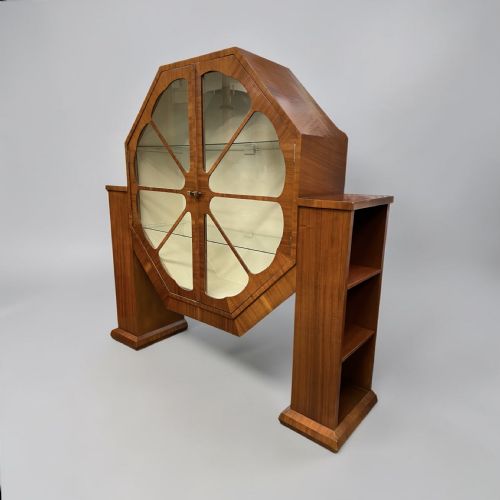
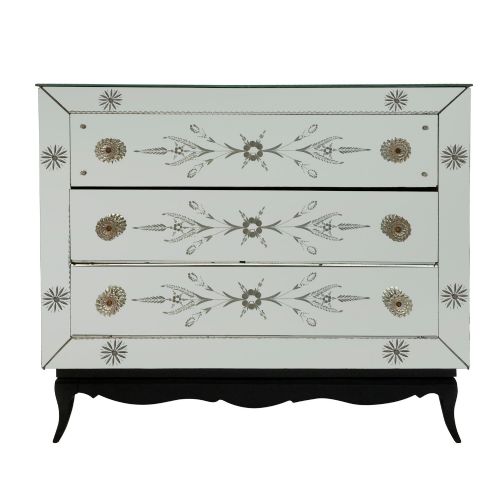
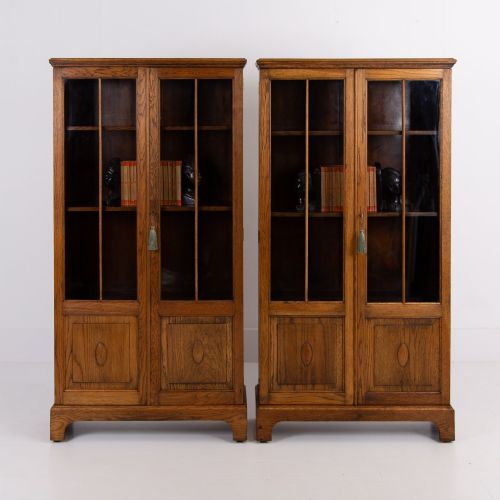
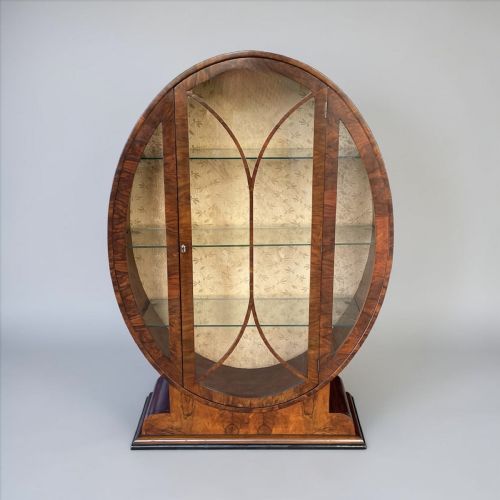
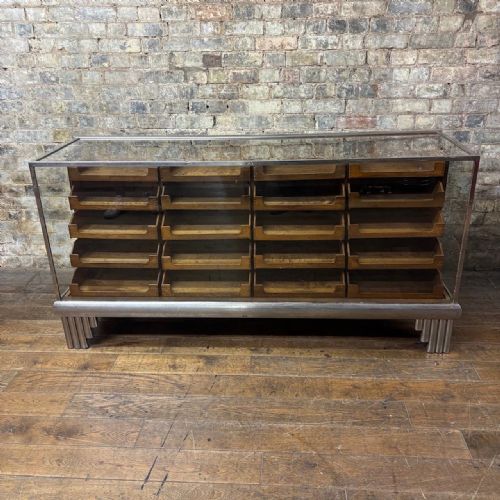
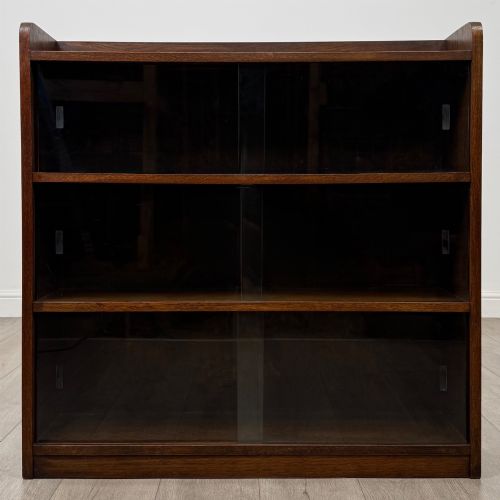
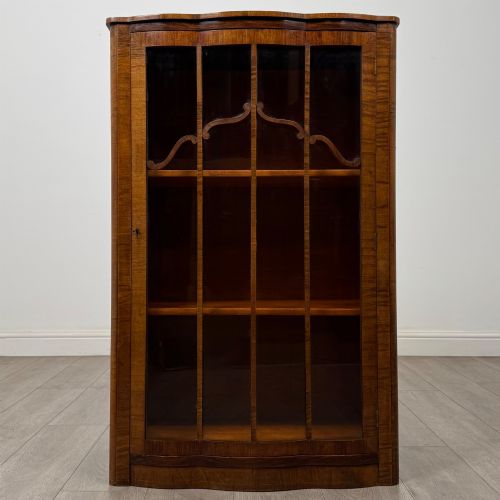
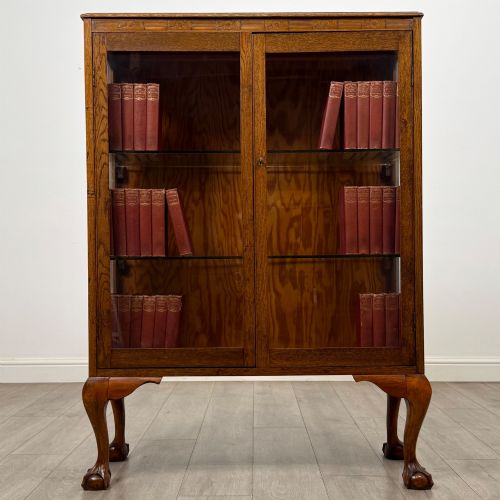
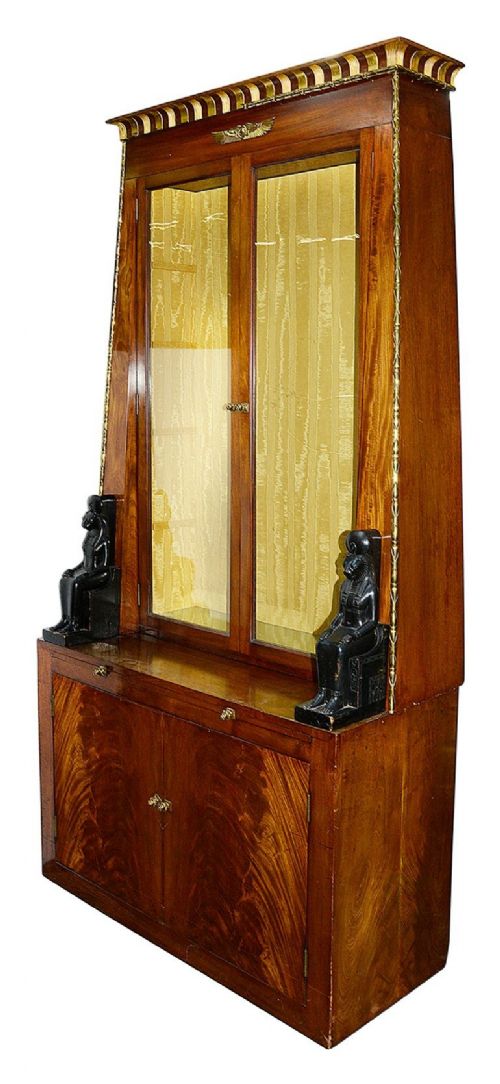
When searching for an art deco glass cabinet, a buyer looks at sophisticated storage and display furniture originating from the interwar period, specifically around nineteen thirty. These pieces combine glazed compartments with architectural forms, designed to exhibit tableware, books, and collections while keeping them protected behind glass doors.
How they were made
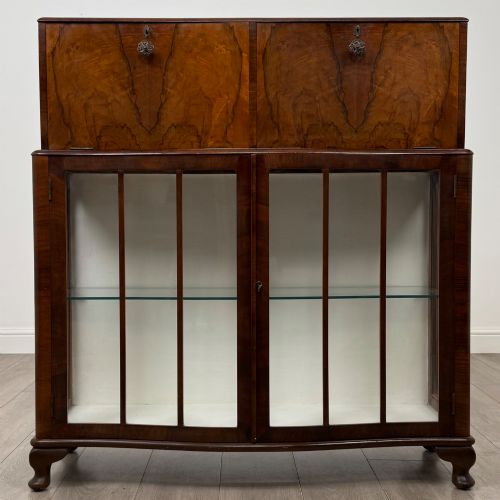
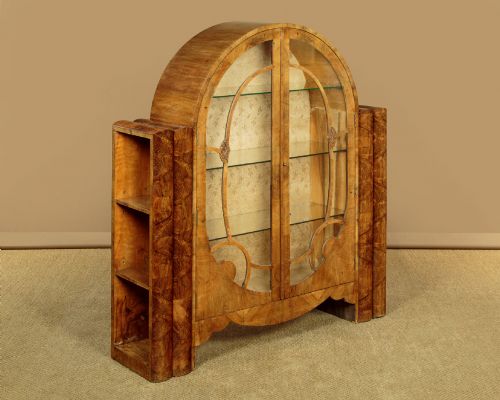
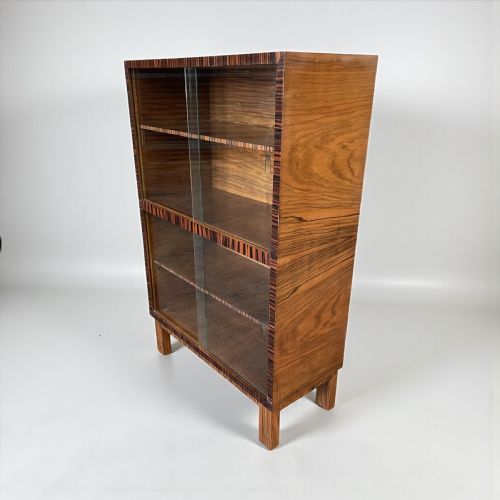
Cabinet makers utilised a combination of solid timbers and decorative veneers to achieve the distinct surfaces seen on these pieces. Walnut and oak provide the robust internal carcases, whilst burr walnut and satinwood veneers are applied to exterior panels to create striking grain patterns and visual depth.
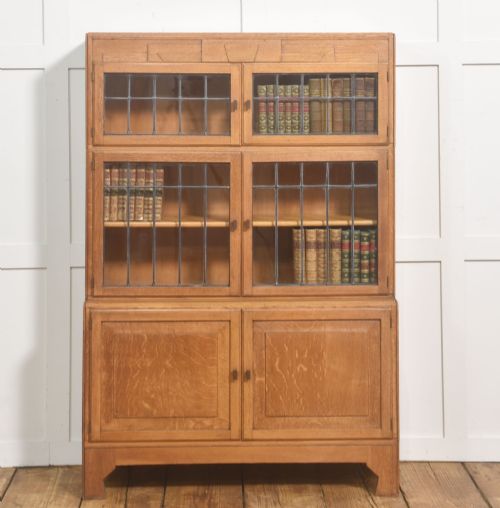
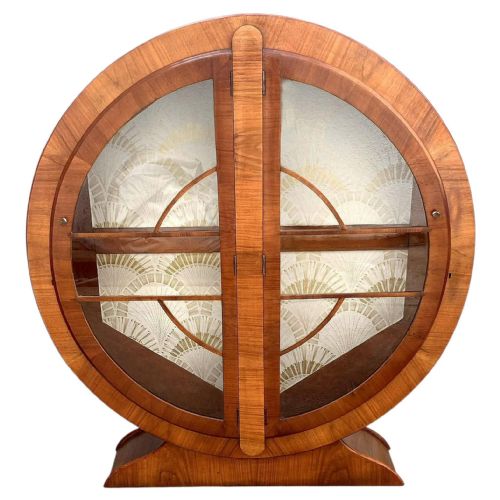
Glazing techniques range from large curved glass windows to leaded glass segments arranged in geometric patterns characteristic of the style. Brass fixtures and ebonised details are incorporated to accent the woodwork and complete the structured, linear appearance.
Retail Price Guide 2026
Typical UK retail prices for art deco glass cabinet, calculated from the Sellingantiques database of over a million retail prices indexed since 2003. This retail price guide relies exclusively on Sellingantiques data; no external sources or auction records are used, so the figures do not describe the wider market.
Materials recorded on this page include brass hardware, leaded glass, and fabric-lined interiors dating to the nineteen thirties.
What varies in quality
The upper tier of these cabinets is distinguished by the selection and matching of burr walnut veneers, where natural wood patterns flow symmetrically across doors and drawers. Finer examples also employ complex curved or circular glass panes that demand advanced technical skill from the glassblower and cabinet maker.
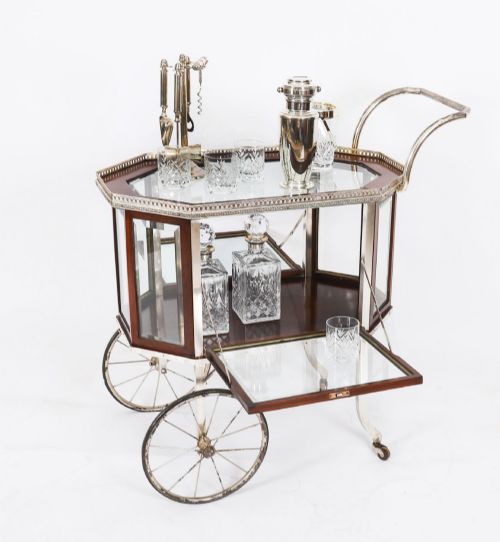
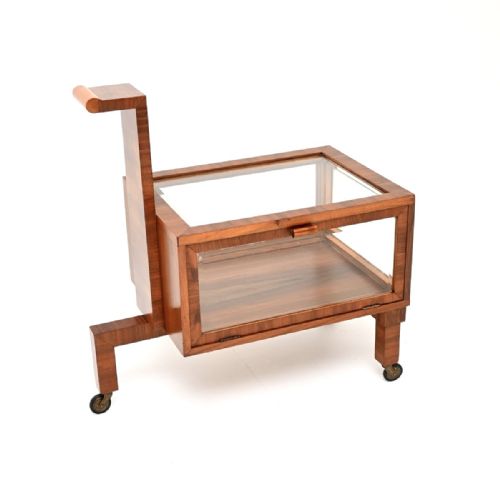
Construction methods also separate standard pieces from exceptional ones, particularly in the integration of specialised storage compartments like cocktail bars with glassware fittings. Subtleties in brasswork, drawer construction, and the preservation of original fabric linings contribute significantly to the standing of an individual piece.
Hille·Epstein
The Art Deco Glass Cabinet Glossary
- Burr walnut veneer
- A thin slice of wood taken from a walnut tree's growth deformity, known for its swirling, highly figured grain patterns. It is applied to the exterior surfaces of high-end cabinets to create decorative visual appeal.
- Leaded glass
- Small panes of glass held together by strips of lead, forming geometric or linear patterns. This technique is often used in cabinet doors to add structural decoration typical of the period.
- Ebonised
- Wood treated with a finish that darkens it to resemble ebony. This treatment provides stark visual contrast against lighter walnut or satinwood veneers.
- Cocktail cabinet
- A specialised storage unit designed for entertaining, containing fitted interiors for glassware and drinks accessories. These often feature drop-front surfaces and mirrored interior backs.
Frequently Asked Questions
How do I clean the glass?
Use a soft microfiber cloth and a mild glass cleaning solution applied directly to the cloth rather than the cabinet. This prevents excess moisture from seeping into the wooden frames or leaded joints.
Avoid harsh chemical sprays that might damage antique finishes or degrade vintage glass surfaces over time.
Are the shelves adjustable?
Many period cabinets feature fixed wooden or glass shelving integrated into the original design to maintain structural stability. Altering these supports is generally uncommon as it disturbs the interior composition.
Reviewing the specific configuration of each piece helps determine how tall items can be accommodated inside.
Where should I place it?
Position the cabinet away from direct sunlight to protect delicate wood veneers and prevent the timber from drying out or fading. Placing it against an interior wall maintains a stable ambient temperature.
Ensure the floor is level, particularly with circular or curved models, to prevent stress on the glass doors and hinges.
Can I store books inside?
Several variations combine glazed display areas with dedicated bookcase functions, making them suitable for holding volumes alongside decorative objects. Shelves must be assessed for weight capacity before loading heavy collections.
Using units explicitly designated as bookcases or combined display cases ensures adequate support for heavier books.