
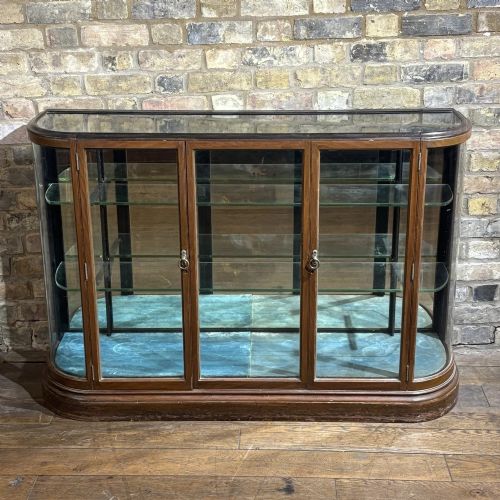


Shop Counter Showcase
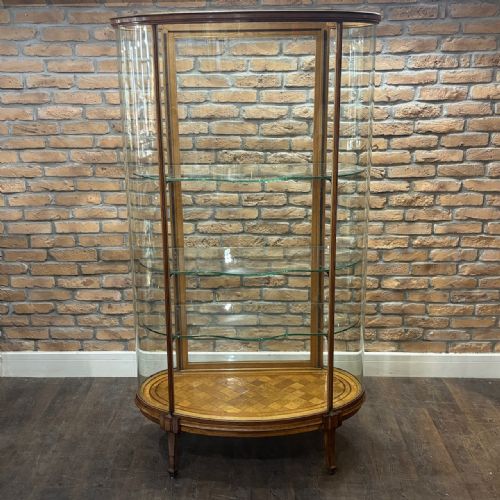
A shop counter showcase brings tangible commercial history into a modern room, offering deep glazing and sturdy timber framing designed to present goods.
Shop Counter Showcase
When you search for a shop counter showcase, you encounter robust commercial furniture built to display merchandise from the late nineteenth century through to the interwar decades. The selection spans compact countertop display boxes and large freestanding shop display counters used in high street premises.
You are most likely to meet pieces originating from the Victorian, Edwardian, and Art Deco periods, encompassing utilitarian haberdashery counters alongside specialised sweet shop cabinets. Many examples reflect commercial origins associated with notable makers, while others display straightforward regional craftsmanship.
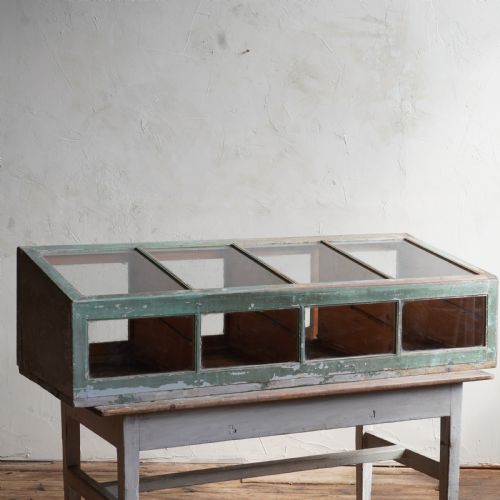
The primary forms include bow end display counters, pentagonal display counters, and glazed table top display cabinet cases designed for customer interaction. These items combine practical storage with generous glass panels intended to draw the eye to small goods.
Materials and construction methods
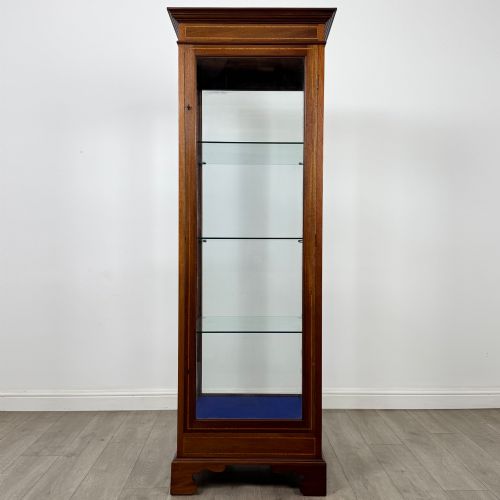
Makers constructed these cabinets using dense hardwoods like mahogany and oak, frequently pairing them with structural brass, aluminium frames, or ebonised finishes. Glass panels provide the main viewing area, sometimes supported by mirrored interiors or internal fabric linings such as velvet.
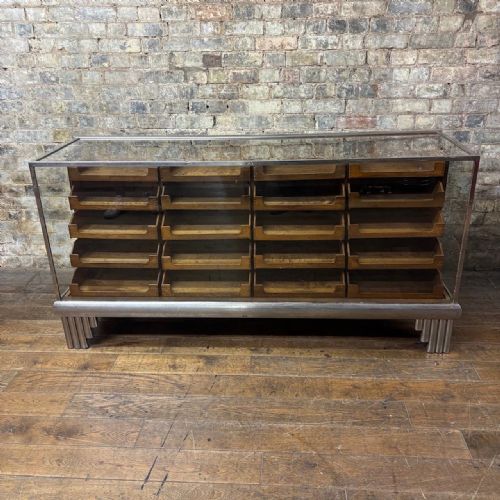
Joinery techniques prioritised rigidity to withstand busy retail environments, resulting in heavy timber carcases housing fitted drawers or sliding rear doors. Certain pieces incorporate specialised hardware like brass framing or later sign-written branding applied directly to the glass or timber.
Several sweet shop cabinets carry surviving nineteenth-century chocolate branding, preserving the exact treats grandparents once purchased.
Distinctions in construction and finish
Quality rests primarily on the integrity of the timber framing and the clarity of the original glazing relative to the scale of the piece. Superior examples exhibit refined proportions, such as bow ends or pentagonal geometry, executed by established commercial outfitters rather than local carpenters.
The presence of original hardware, working rear doors, and intact mirrored or fabric-lined interiors elevates a piece above standard utility stock. Degree of original surface preservation, whether polished mahogany or distressed paint, dictates the character of the object.
F. Sage & Co·Dudley & Co·Cadbury·Rowntree·Fry·Pollards
The Shop Counter Showcase Glossary
- Bow end
- A curved glass or timber end panel that softens the rectangular profile of a display counter. This feature allowed better customer visibility from various angles in busy shops.
- Haberdashery counter
- A long display unit traditionally fitted with numerous shallow drawers beneath a glazed top. These were utilised for storing and selling small sewing goods, ribbons, and accessories.
- Countertop display cabinet
- A smaller, portable glazed case designed to sit directly on top of a main shop counter. Merchants used them close to the till for high-value or impulse items.
- Ebonised
- Timber treated with a chemical stain or finish to imitate expensive ebony wood. This dark, formal treatment appeared frequently on display furniture from the late nineteenth century onwards.
- Art Deco
- A design style spanning the interwar period characterised by streamlined geometric forms and modern industrial metals. It marks a shift away from heavier Victorian and Edwardian ornamentation.
Shop Counter Showcase: Frequently Asked Questions
How were shop counter showcases used originally?
Merchants utilised these glazed units on counters and shop floors to keep merchandise visible yet secure from handling. They protected delicate goods while encouraging customer browsing.
Specific variations served particular trades, such as haberdashery counters for textiles or confectionery cabinets for branded sweets and chocolates.
How do I date a shop counter showcase?
Dating relies on observing structural materials, hardware styles, and general design motifs associated with periods like the Victorian era or the 1920s. Heavier oak framing often points to earlier decades, while chrome and aluminium frames indicate later interwar manufacturing.
Maker plaques or branded sign-writing for firms like Fry or Rowntree also provide a reliable chronological anchor for specific pieces.
Are these cabinets suitable for modern home interiors?
These pieces integrate well into modern domestic spaces as display furniture for collections, books, or kitchenware. Their deep glazing and compact footprints make them practical alternatives to standard bookcases or sideboards.
Placing them in hallways, living rooms, or kitchens adds industrial character and functional display surface area.
What is the difference between a countertop and freestanding display case?
Countertop models are smaller, portable boxes built to sit on top of existing furniture to showcase small items near eye level. Freestanding cabinets form complete floor-standing units with their own structural legs or base storage.
Both types utilise extensive glass panelling, but freestanding versions offer significantly larger internal volumes for bulkier goods.