






Tabletop Display Case
These tabletop display cases are compact glass vitrines and miniature cabinets designed to showcase small treasures on a counter or table.
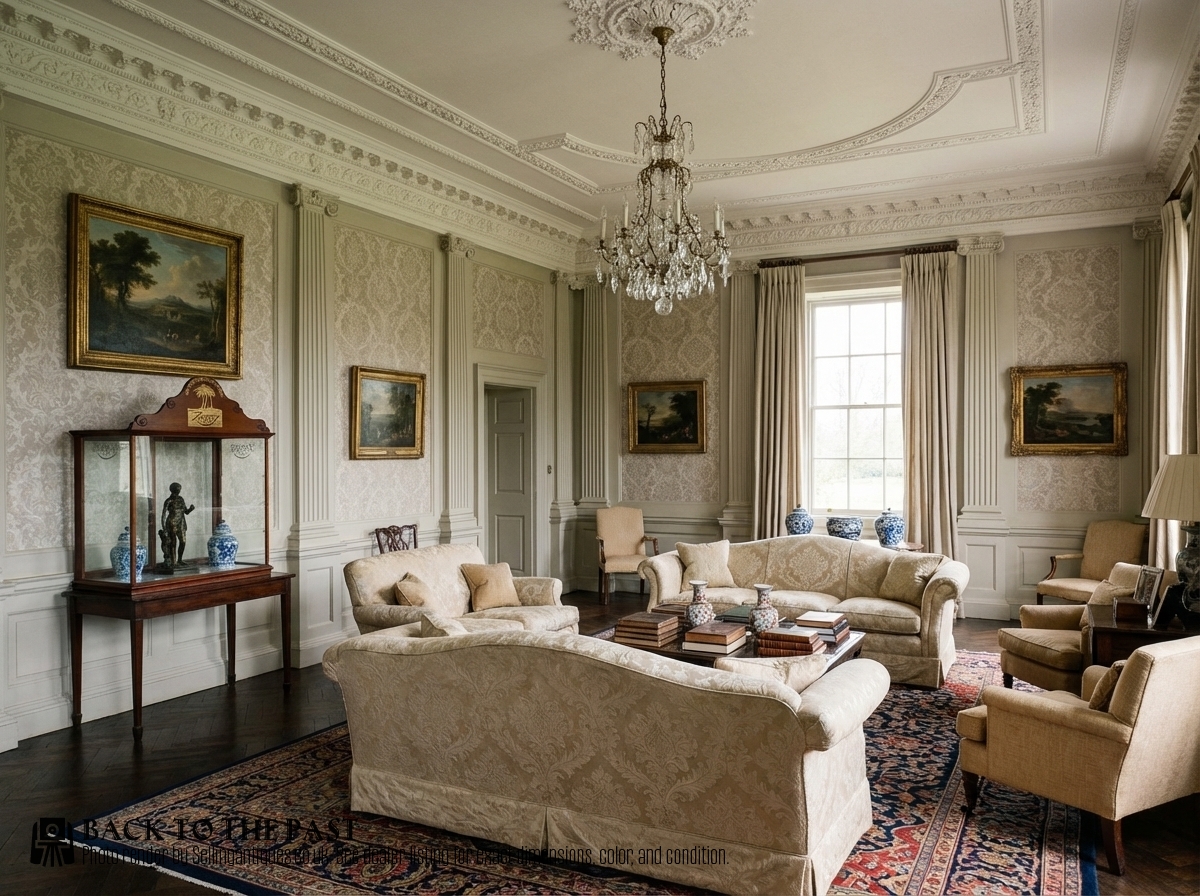
Tabletop Display Case
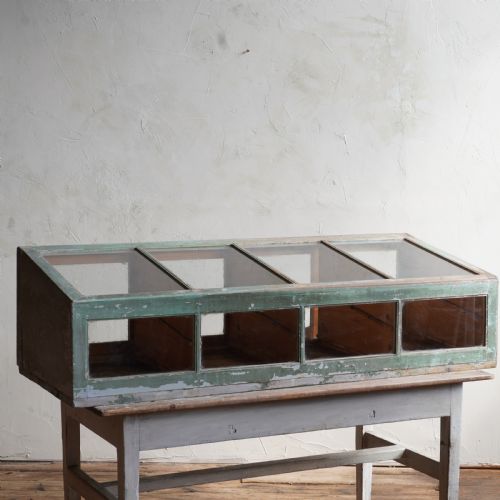
A tabletop display case is a miniature cabinet or countertop vitrine built to exhibit small collections and precious objects securely. When you browse for a tabletop display case, you encounter forms ranging from nineteenth-century mahogany miniature cabinets to early twentieth-century oak counter display units.
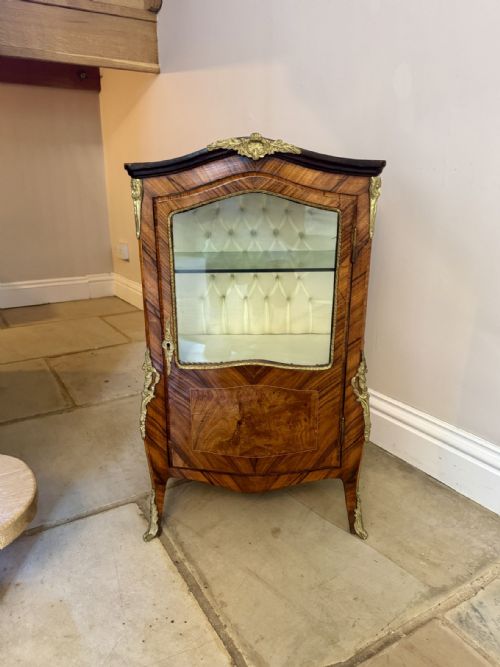
The selections span distinct periods and styles, including Edwardian commercial designs, Gothic Revival pieces, Louis XV style vitrines, and Art Deco glass cases. Makers of the period also produced specialised shop counters, such as those sign-written for Frys Chocolate or Terry's of York chocolate confectionery.
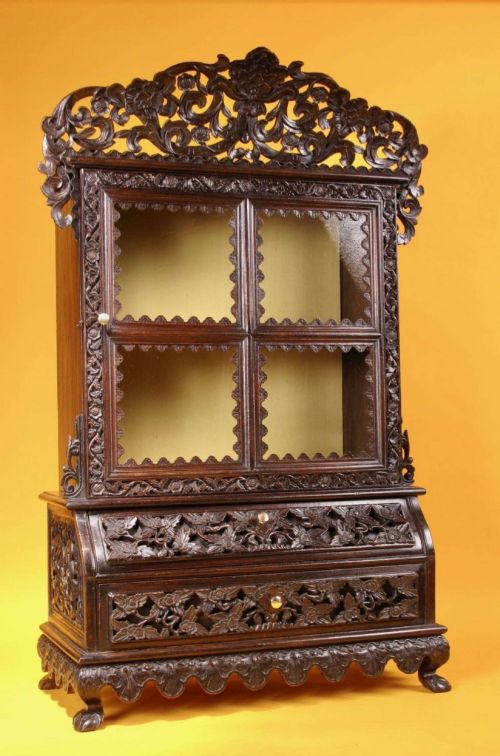
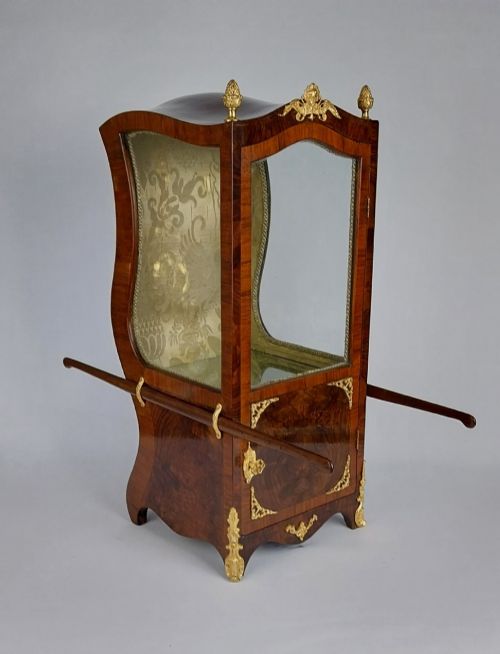
Origin and regional craftsmanship vary across the stock, taking in French barley twist cupboards, French tabletop sedan vitrine cabinets, and carved hardwood small Anglo-Indian display cabinets from the nineteenth century.
How they were made
Makers constructed these miniature cabinets and vitrines using traditional timber framing and fine joinery, selecting hardwoods such as mahogany, oak, kingwood, and general carved hardwoods. Glass panels were fitted into doors and sides to offer clear visibility of the interior.
Decoration relied on structural detail and applied elements, incorporating brass hardware, gilded ormolu mounts, and hand-carved motifs. Certain interiors retain their original textile linings, including silk damask backgrounds designed to enhance the objects displayed within.
Tabletop Display Case Retail Price Guide 2026
Typical asking prices for tabletop display case among the pieces listed under this phrase on Sellingantiques today, from the lower quarter to the upper quarter. They describe what is for sale here now, not the wider market.
Represented styles span Edwardian, nineteenth-century Georgian, Louis XV style, Gothic Revival, Art Deco, and Anglo-Indian.
What varies in quality
Quality rests in the precision of the timber selection and the sophistication of the joinery, distinguishing straightforward utilitarian shop fixtures from decorative salon vitrines. The choice of materials - ranging from standard oak to figured mahogany, kingwood, and elaborate ormolu - determines the visual weight of the piece.
Originality of surface and hardware elevates an example, particularly where delicate brass hinges, period glass, and intact silk damask linings survive. Commercial provenance adds distinct character, seen where early twentieth-century counter cabinets retain authentic period sign-writing for makers like Frys Chocolate or Terry's of York.
The Tabletop Display Case Glossary
- Vitrine
- A glass-fronted cabinet or case designed for displaying fine objects and curiosities. These pieces often feature glass on multiple sides to maximise light.
- Ormolu
- Gilded bronze mounts applied as decorative ornaments to furniture and display cases. This technique was frequently utilised in French-influenced cabinet making.
- Silk damask
- A reversible figured fabric traditionally used to line the interiors of display cabinets. It provides a textured backdrop that cushions and highlights small artefacts.
- Barley twist
- A decorative turning technique resembling a spiralling rope column. This detail appears on the upright supports of certain nineteenth-century cupboards.
Tabletop Display Case: Frequently Asked Questions
What is a tabletop display case?
A tabletop display case is a small glass-fronted cabinet designed to sit on a counter, desk, or table. These compact vitrines protect precious objects while keeping them fully visible.
They range from domestic miniature cabinets to commercial shop counters used for retail display.
How were these cabinets used?
Originally, these cases served both domestic and commercial purposes. Homes utilised them for miniatures, medals, and curiosities.
Shops employed countertop cabinets to showcase confectionery and luxury goods directly to customers.
How do I date a display case?
Dating relies on timber, construction methods, and stylistic cues. Nineteenth-century examples often feature solid mahogany or carved hardwood.
Edwardian and later twentieth-century commercial cases typically utilise oak and glass, sometimes bearing period advertising.
Where should I place one?
These cases suit placement on sideboards, desks, or dedicated shop counters where natural light can enter the glass panels. Their compact footprint allows them to sit comfortably on most flat surfaces.
Position them away from direct sunlight to protect sensitive internal linings like silk damask.