


Glass Showcase Cabinet
A glass showcase cabinet brings order to treasured possessions while letting light pour through timber and glazing.
Glass Showcase Cabinet
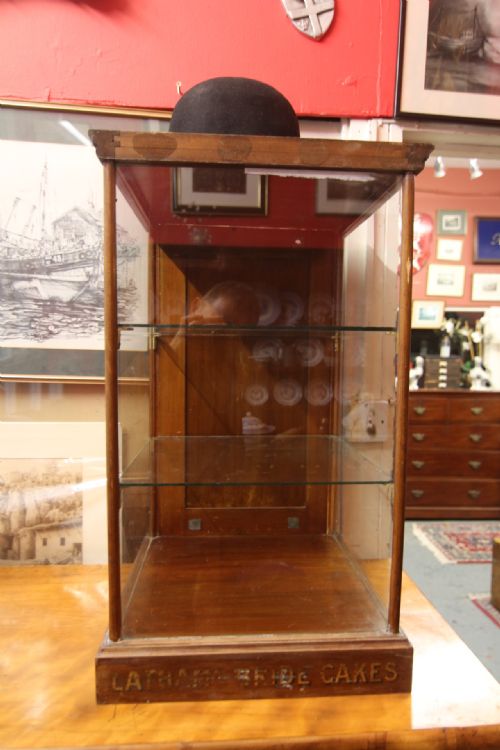
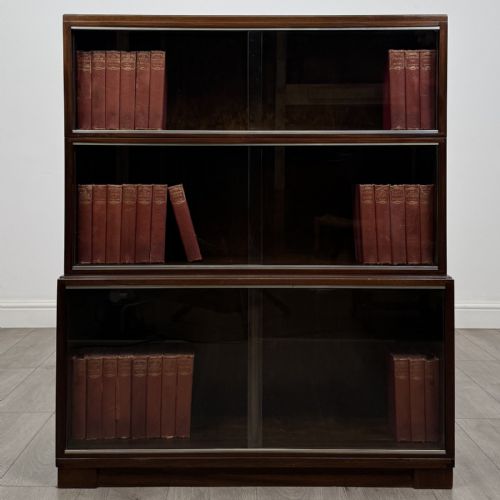
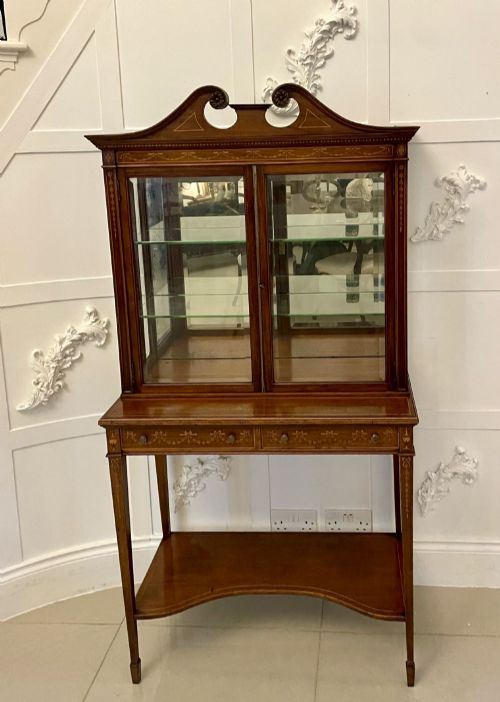
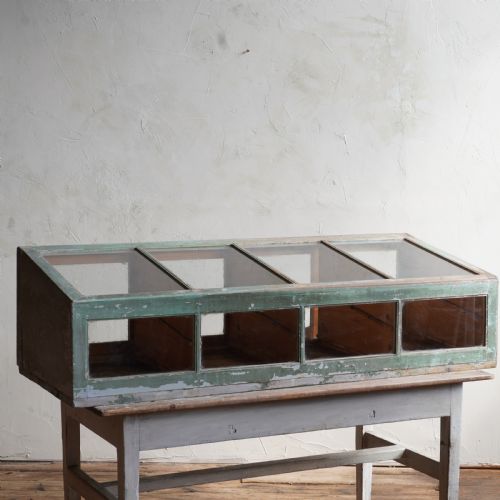
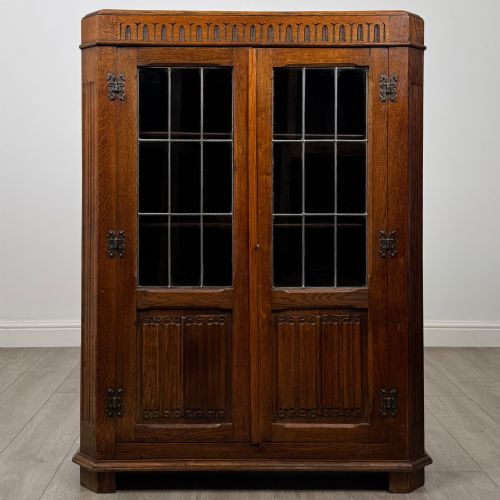
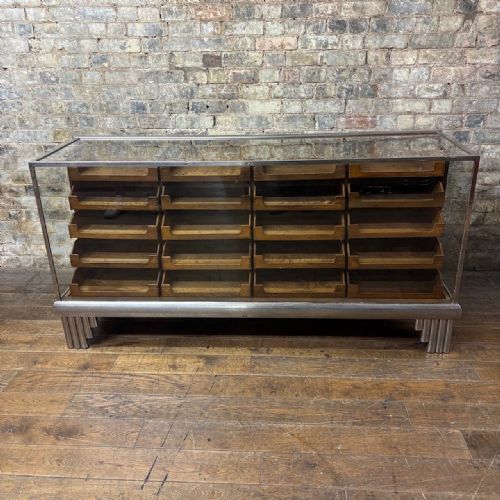
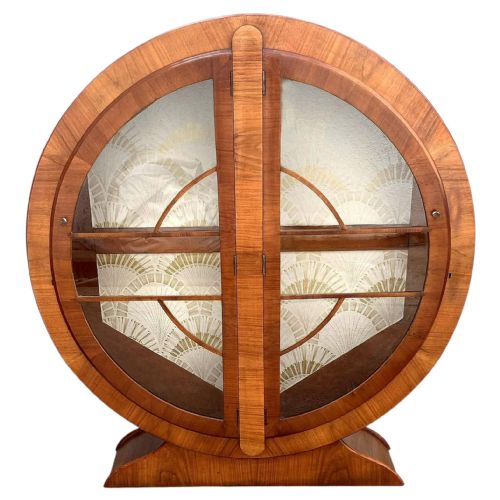
A glass showcase cabinet organises and displays precious items, drawing on forms from small countertop cases to tall freestanding shop counters and corner vitrines. You encounter domestic Edwardian and Victorian pieces alongside commercial haberdashery counters originating from early twentieth-century retail spaces.
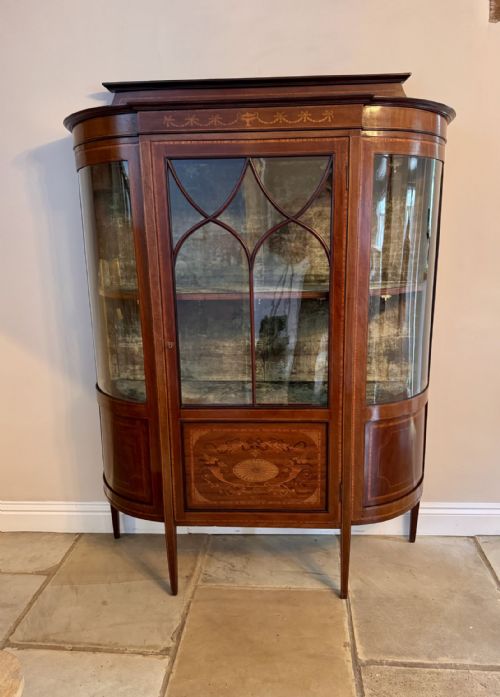
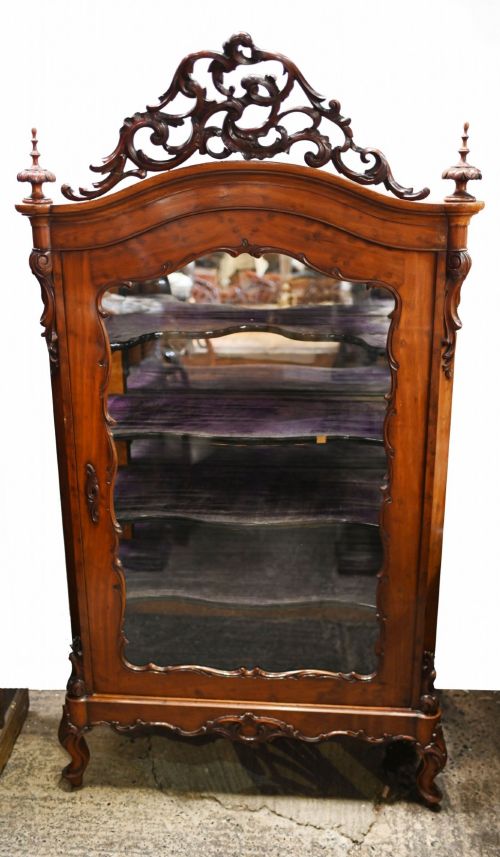
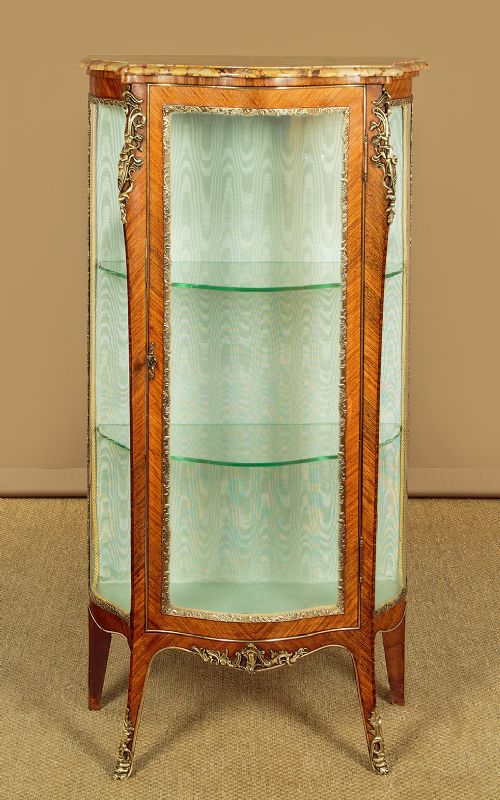
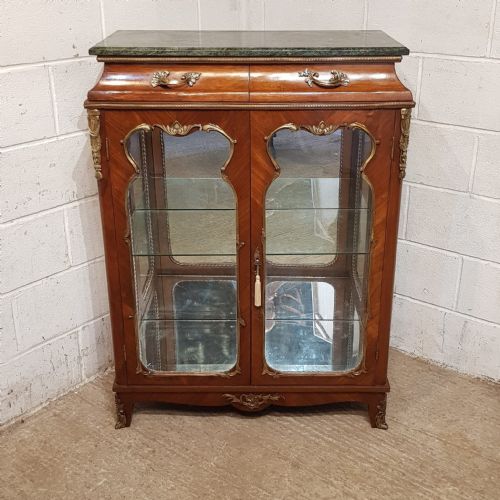
The architectural language spans restrained Georgian mahogany frames to elaborate French Louis XV and Louis XVI style revivals finished with ormolu and marble tops. Walnut, satinwood, and oak provide the primary carcasses for both domestic drawing room cabinets and museum-grade display furniture.
Materials and Construction
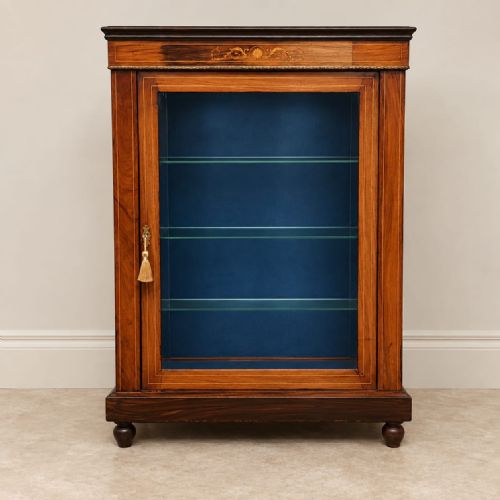
Cabinet makers constructed the primary framework using dense hardwoods including mahogany, walnut, oak, and satinwood, frequently enhanced by floral marquetry and contrasting stringing. Glazing panels enclose the display areas, supported by adjustable glass shelves and occasionally mirrored interiors to maximise light diffusion.
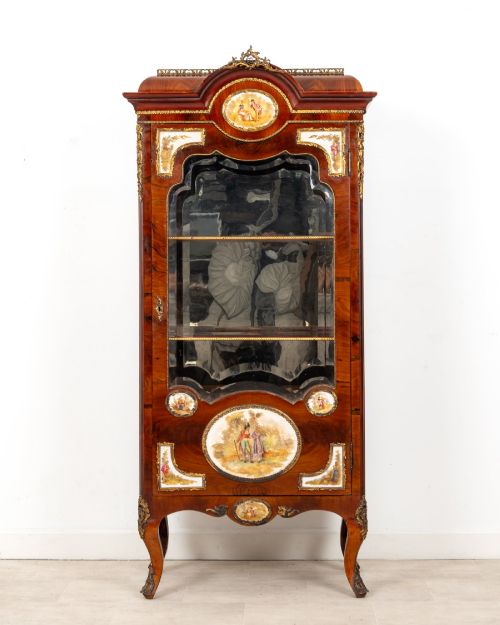
Metal mounts in brass and ormolu decorate revival pieces, whilst specialised retail joinery incorporates chrome and specialised shop fittings. Surface finishes include polished wood grains, painted surfaces, and intricate Vernis Martin lacquer work on French vitrines.
Glass Showcase Cabinet Retail Price Guide 2026
Typical asking prices for glass showcase cabinet among the pieces listed under this phrase on Sellingantiques today, from the lower quarter to the upper quarter. They describe what is for sale here now, not the wider market.
Materials recur across mahogany, walnut, oak, and satinwood, frequently accented with brass, ormolu, and fabric linings.
Standards of Craftsmanship
The distinction between standard utility items and finer examples rests in the selection of timber grains, such as figured walnut or amboyna, and the precision of inlaid marquetry details. Superior joinery is evident in smoothly operating doors, tight mitres, and the integration of robust brass or ormolu mounts rather than stamped substitutes.
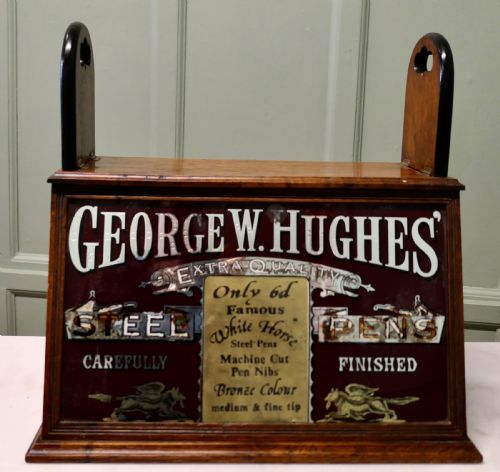
Commercial pieces derive their distinction from robust original hardware and maker attribution, whilst domestic vitrines depend on delicate proportions, hand-carved mouldings, and undamaged original bevelled glass panels.
F. Sage & Co·Dudley & Co·James Hicks·Rurka
The Glass Showcase Cabinet Glossary
- Vitrine
- A glass-sided cabinet designed specifically for displaying porcelain, curiosities, and fine objects. These freestanding or wall-mounted display cases often feature glazed doors and sides to maximise visibility.
- Pier cabinet
- A low cabinet built to fit the wall space between windows, typically seen in Victorian drawing rooms. They frequently incorporate mirrored backs and inlaid wooden decoration.
- Vernis Martin
- A simulated Japanese lacquer technique developed in eighteenth-century France and emulated in later revival pieces. It uses successive layers of varnish to create translucent decorative panels.
- Ormolu
- Gilded bronze mounts applied to furniture, particularly popular in French rococo and neoclassical revival pieces. The finish provides a bright, metallic contrast to dark woods like mahogany and walnut.
- Haberdashery counter
- A commercial display unit featuring multiple glass drawers or glazed compartments originally used in retail shops. They offer practical storage with high visibility for small goods.
Glass Showcase Cabinet: Frequently Asked Questions
What is the difference between a vitrine and a display cabinet?
A vitrine typically refers to a glass-fronted cabinet designed for decorative objects, often featuring all-glass sides and French stylistic influences. Display cabinet is a broader term encompassing both domestic furniture and commercial shop counters.
Domestic vitrines generally prioritise delicate woodwork, marquetry, and satinwood or walnut framing. Commercial display cases focus on robust framing in oak or mahogany to withstand retail use.
How do I choose between a countertop and freestanding cabinet?
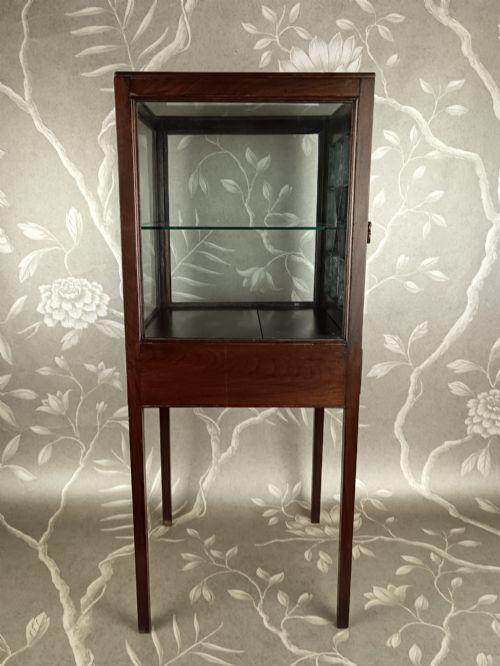
Countertop and table top display cases suit smaller spaces and allow objects to be viewed from above. They function well on existing sideboards or dedicated retail counters.
Freestanding and tall corner cabinets provide substantial vertical display capacity for collections of porcelain or silver. They require adequate floor space and anchor the room's layout.
Where were these cabinets originally used?
Many examples originated in domestic drawing rooms and parlours to display family collections of ceramics and glassware. Others served a commercial purpose in Edwardian and Victorian shops, museums, and haberdasheries.
Commercial variants often include maker plaques from firms that outfitted retail environments. Domestic pieces display finer decorative inlays and polished veneers suited to residential interiors.
How do I care for antique wood and glass?
Maintain timber surfaces with appropriate wax polishes applied sparingly to preserve the natural grain and patina of walnut, mahogany, or oak. Avoid placing cabinets in direct sunlight to protect delicate fabrics and inlaid marquetry.
Clean glass panels with gentle solutions, taking care around aged putty, brass hinges, and delicate ormolu mounts. Ensure adjustable internal glass shelves are seated securely before arranging heavy items.