






Vintage Retail Showcase
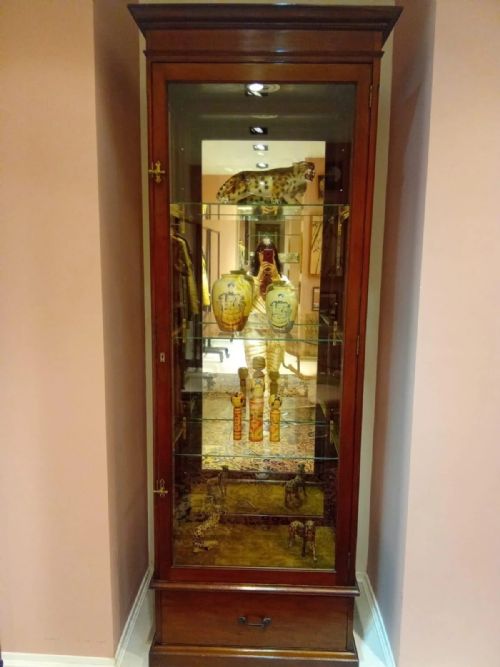
A vintage retail showcase organises merchandise behind glass to draw the eye, offering genuine commercial pedigree for domestic interiors.
Vintage Retail Showcase
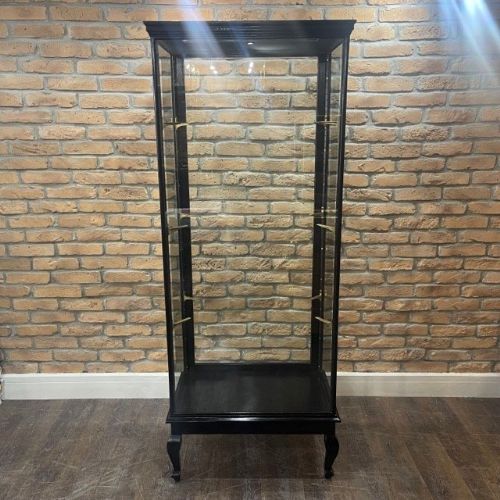
A vintage retail showcase on this page typically appears as a tall freestanding cabinet, a countertop display case, or a wide serving counter designed for commercial trade. These pieces originate from trading periods spanning the Victorian era through the 1930s, encompassing Edwardian shopfittings and Art Deco retail fixtures.
Buyers encounter specialised iterations such as haberdashery counters with multiple drawers, apothecary countertop cases, and dedicated sweet shop cabinets bearing brand advertising. The selection also includes bow end display cabinets and hexagonal counters built for maximum visibility in historic retail spaces.
Materials and Construction
Makers built these commercial fixtures using durable hardwoods such as mahogany and oak, alongside structural metals like brass, aluminium, and steel. Glazing panels provide the necessary transparency for merchandise, while internal elements frequently incorporate adjustable glass shelves and mirrored interiors to reflect light.
Surface finishes include ebonised treatments, gold leaf details, and polished wood veneers, complemented by utilitarian drawer pulls and leather trim. Chocolate and cocoa displays often feature original or later hand sign-written advertising directly onto the glass or woodwork.
Vintage Retail Showcase Retail Price Guide 2026
Typical asking prices for vintage retail showcase among the pieces listed under this phrase on Sellingantiques today, from the lower quarter to the upper quarter. They describe what is for sale here now, not the wider market.
Several chocolate cabinets bear cheerful vintage advertising for cocoa and sweets, tempting customers long after the shop doors closed.
Evaluating the Build
Quality rests upon the integrity of the original glazing, the smoothness of sliding or hinged doors, and the robustness of the timber frame. Pieces retaining their original hardware, manufacturer plaques, and adjustable glass shelving demonstrate superior commercial provenance.
The sophistication of the joinery distinguishes standard utility counters from high-end metropolitan shopfittings, particularly in complex forms like bow ends and pentagonal counters. Preservation of authentic surface patination and crisp sign-written branding elevates the standing of an individual showcase.
F. Sage & Co.·Dudley & Co·Cadbury·Rowntree·Fry
The Vintage Retail Showcase Glossary
- Bijouterie display table
- A glass-topped table designed specifically for presenting small valuables and jewellery to customers. These pieces often feature hinged lids for easy access.
- Haberdashery counter
- A long shop counter incorporating numerous shallow drawers with glass fronts or pulls, originally used for organising ribbons and sewing notions. They are prized for domestic storage.
- Bow end
- A curved cabinet end designed to soften sharp room angles and improve viewing angles into the display area. This shape requires advanced woodworking skill.
- Countertop display cabinet
- A compact showcase designed to sit upon existing shop furniture for eye-level merchandising near the till. They protect delicate stock from handling.
- Shopfitting
- The trade and manufacture of permanent or semi-permanent fixtures and fittings installed inside a retail shop. These robust items were built to withstand heavy daily commercial use.
Vintage Retail Showcase: Frequently Asked Questions
How do I use a showcase at home?
These cabinets suit living rooms and hallways for displaying collections of ceramics, glassware, or books while protecting them from dust. Their transparent sides maintain an open sense of space in domestic interiors.
Larger serving counters function effectively as kitchen islands or sideboard surfaces with concealed storage beneath the display deck.
What periods do these cabinets come from?
The pieces span from the late Victorian and Edwardian eras through the 1920s and 1930s Art Deco period. Commercial manufacturing standards during these decades focused on robust timber frames and large glass panes.
Earlier examples tend to feature heavy mahogany or oak framing, while 1930s variants introduce aluminium and steel structural elements.
Are the glass shelves original?
Many cabinets retain their adjustable glass shelving resting on original brass support brackets, though some listings note replacement panes due to the fragile nature of historic glass. Inspecting the thickness and edge finish helps determine whether the glass matches the period of the cabinet frame.
Mirrored interior backs often show light foxing and silvering loss, which confirms their age and historic authenticity.
How do I identify a haberdashery counter?
Haberdashery counters feature banks of small drawers, often with glass panels or label holders, built to sort small dry goods in retail drapery shops. Their distinctive multi-drawer configuration separates them from standard display cabinets and plain serving counters.
These units provide exceptional divided storage capacity suited to modern organising needs.