


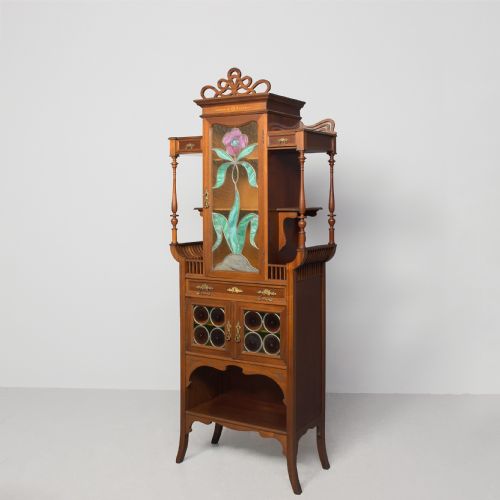
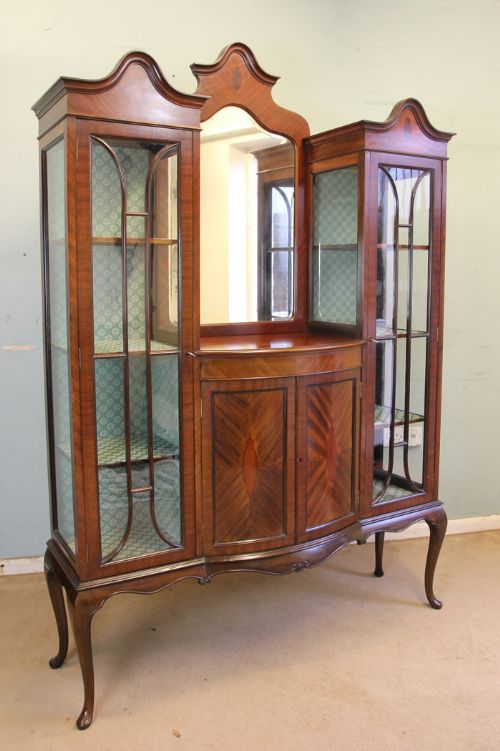
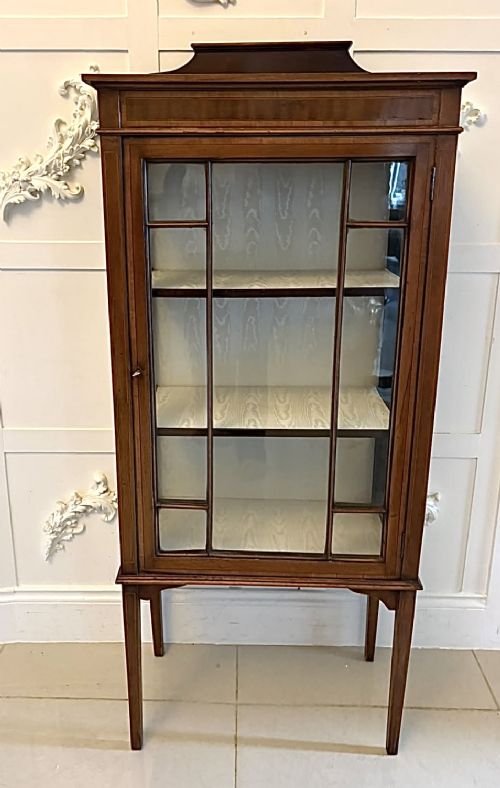
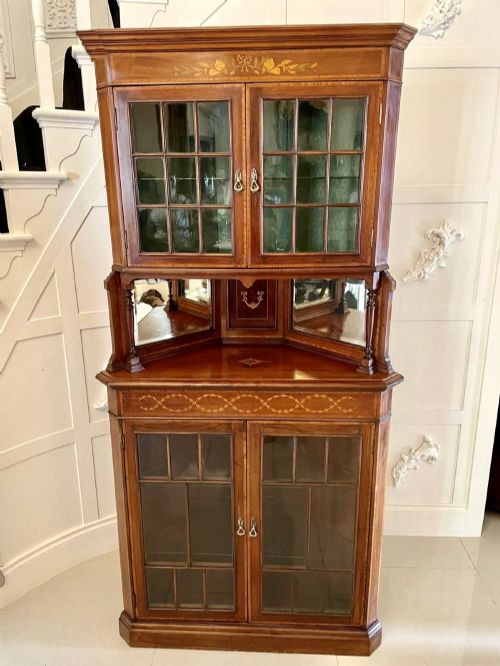
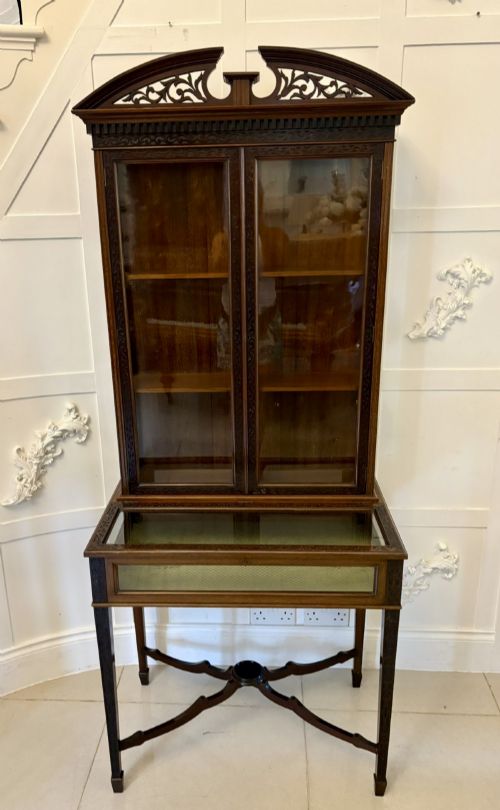
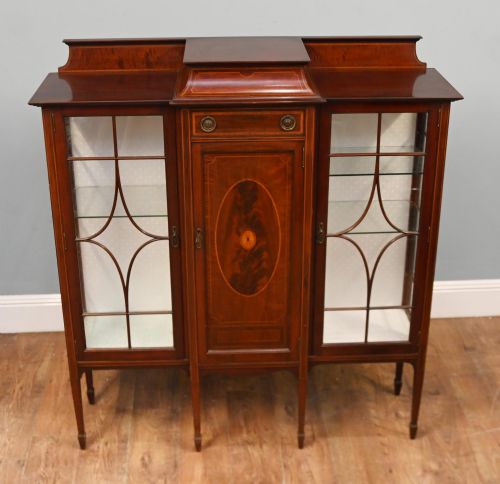
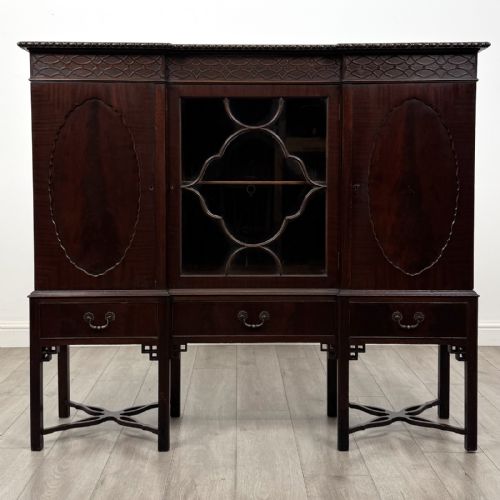
Mahogany Display Case
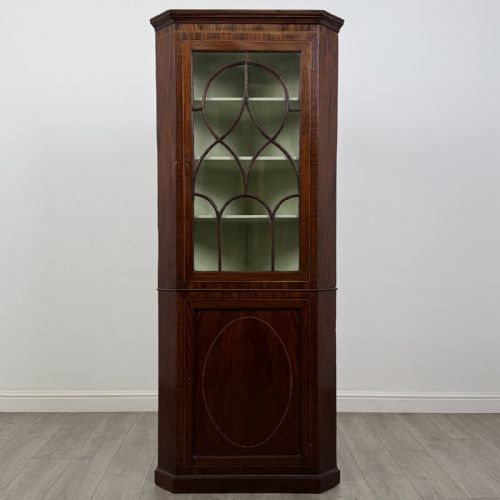
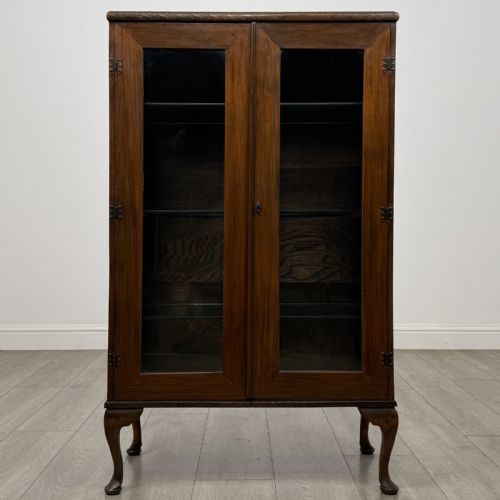
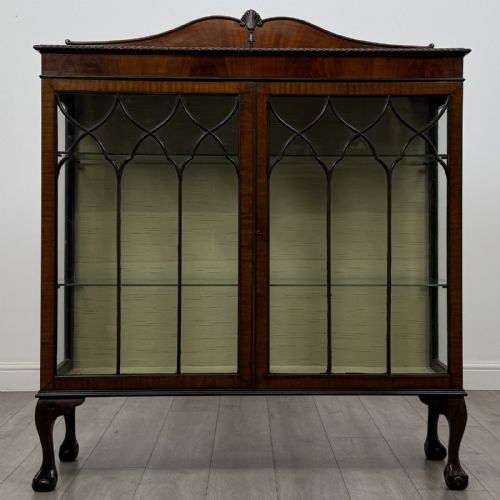
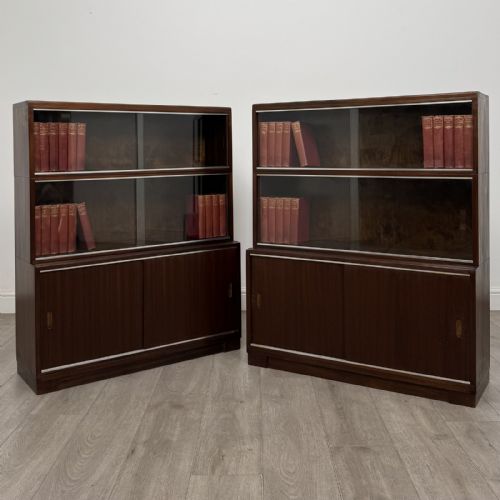
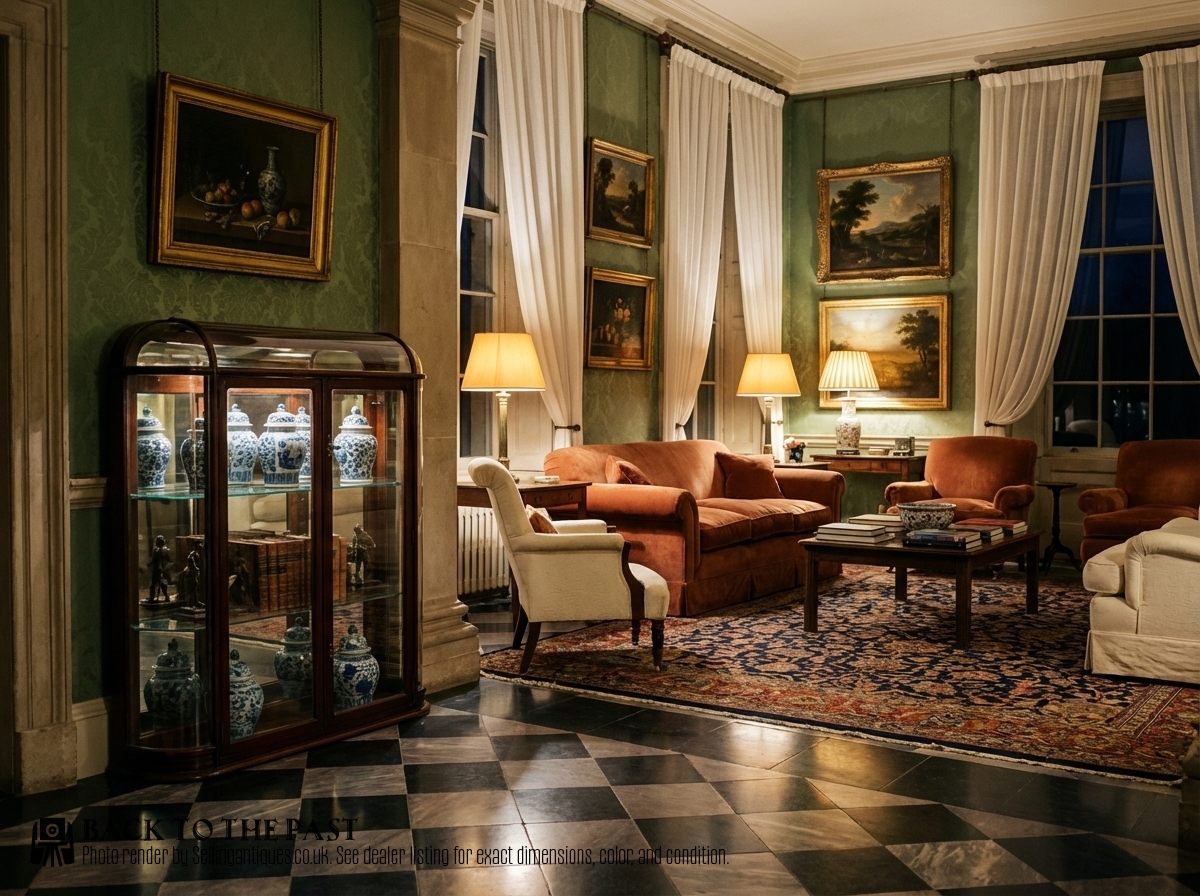
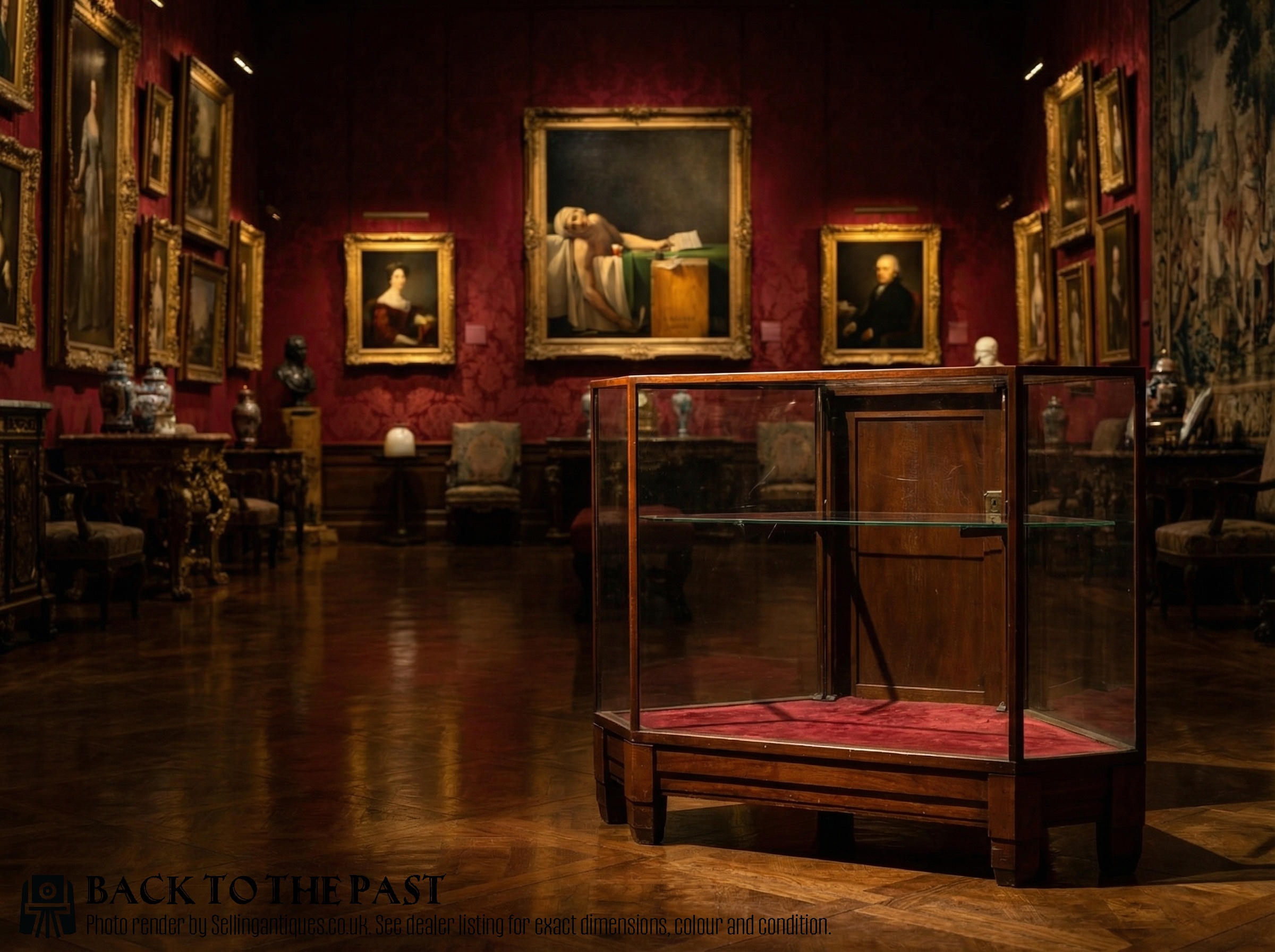
A mahogany display case houses treasured collections behind glass, bringing together rich timber frames and refined Edwardian or Victorian craftsmanship.
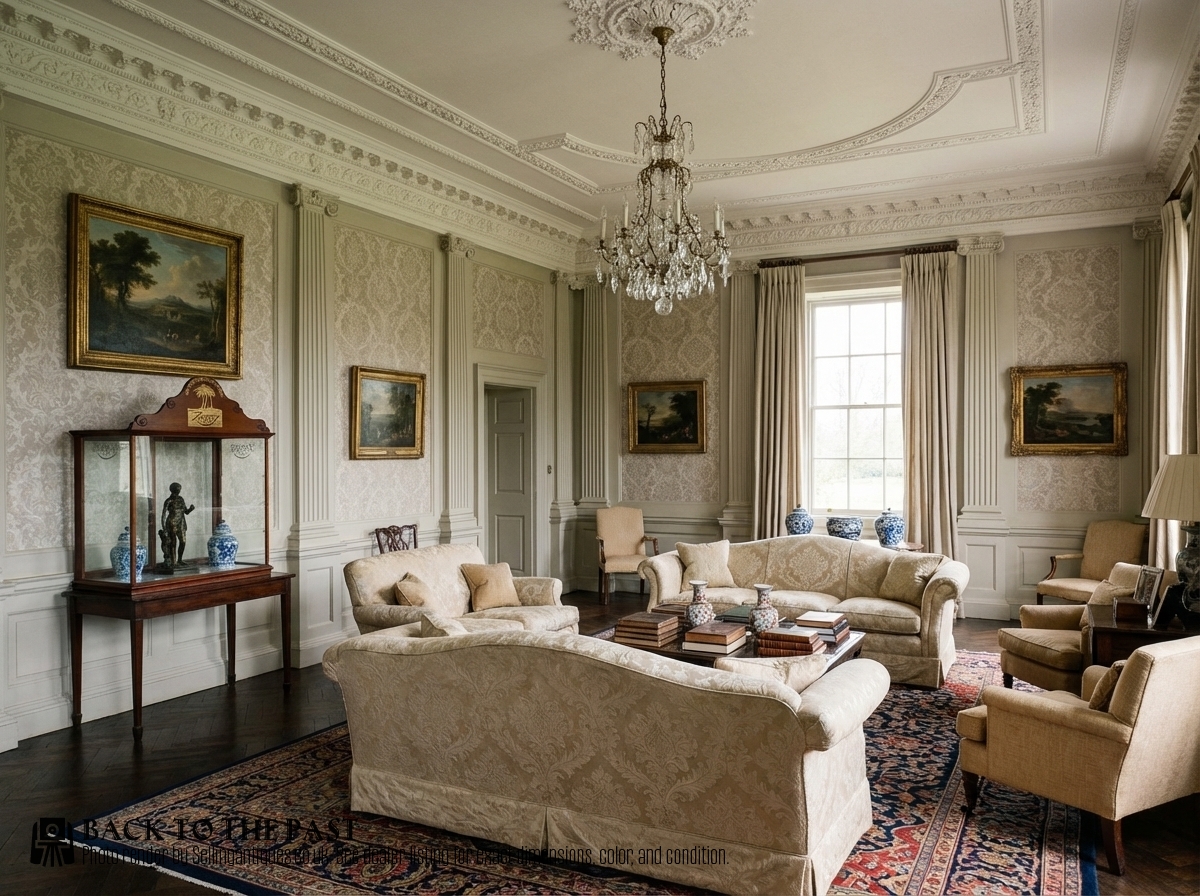
Mahogany Display Case
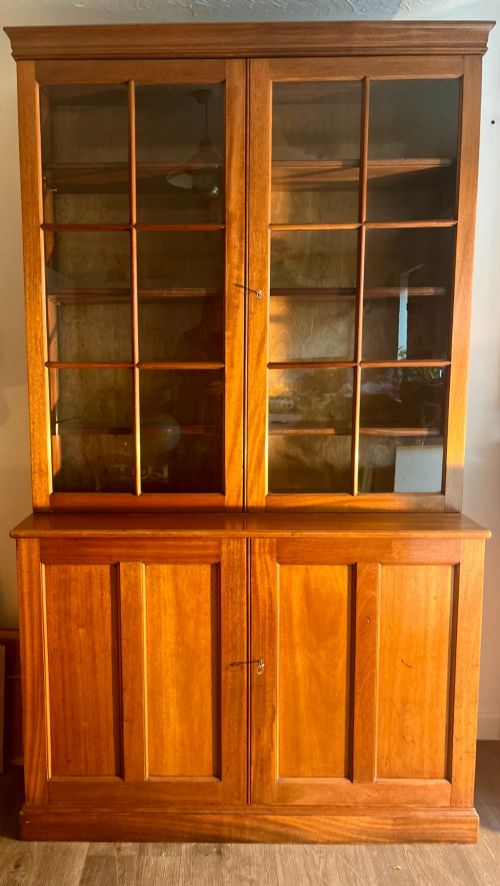
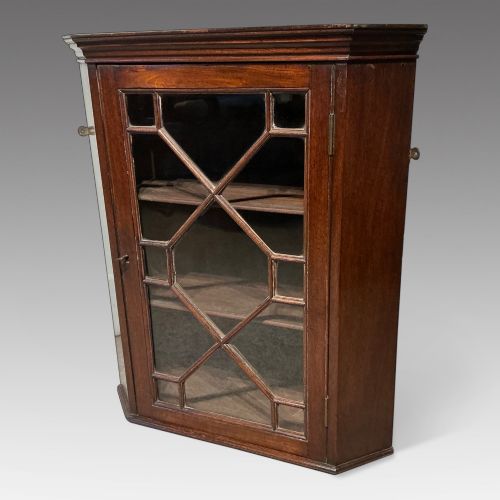
A mahogany display case covers a wide variety of furniture forms designed to showcase objects, ranging from towering breakfront bookcases and shop counters to slender wall cabinets and table-top bijouterie pieces. The selection encountered most frequently on this page spans the Edwardian era and the Victorian period, alongside Georgian and later 20th-century examples.
Makers utilised dense, dark timber to build freestanding cabinets with glazed doors, wall-mounted display shelving, and specialised specimen cases for entomology or butterflies. These items serve domestic interiors and commercial spaces alike, functioning equally well as libraries with adjustable shelves or retail display units.
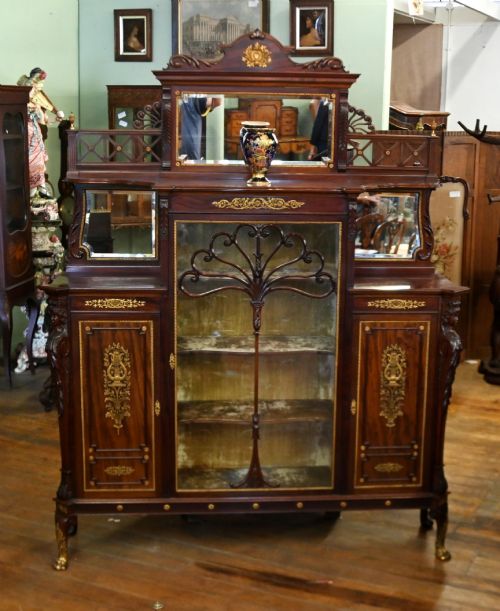
The architectural styles stretch from traditional Georgian proportions to elaborate Sheraton Revival inlay, French Rococo Revival, and occasional Art Deco influences. Buyers encounter everything from compact miniature cabinets to large breakfront library bookcases fitted with glass panes.
What varies in quality
The standard of a mahogany display case depends heavily on the crispness of the cabinetmaking, from hand-cut inlay and well-fitted glazed doors to the selection of figured timber veneers. Superior examples display balanced proportions, fine joinery, and decorative accents like fine carving or painted panels.
Commercial shop fittings and utilitarian retail counters sit at a different level of domestic refinement compared to architect-designed library bookcases or grand drawing-room vitrines intended for private collections.
Mahogany Display Case Retail Price Guide 2026
Typical asking prices for mahogany display case among the pieces listed under this phrase on Sellingantiques today, from the lower quarter to the upper quarter. They describe what is for sale here now, not the wider market.
Listings feature mahogany, satinwood inlay, brass hardware, mirror, and velvet across Edwardian, Victorian, and Georgian periods.
F. Sage & Co·T. Inglesant & Sons·Maison Jansen·Mabie Todd & Co
The Mahogany Display Case Glossary
- Vitrine
- A glass-fronted cabinet or display case designed specifically for exhibiting fine porcelain, curiosities, or decorative objects. These pieces often feature glazed sides to maximise natural light.
- Astragal
- A small moulding profile used to hold glass panes within a door or window frame. Astragal-glazed doors create a distinctive lattice pattern across the front of a bookcase.
- Bijouterie table
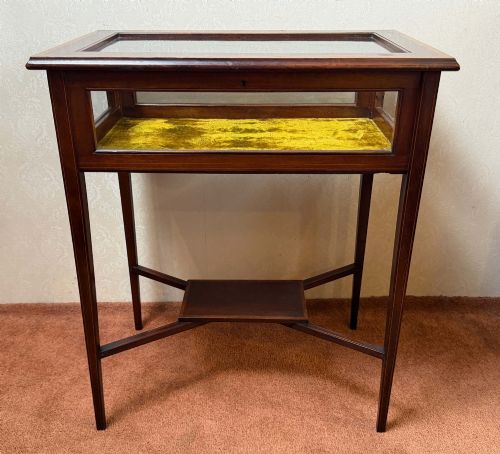
- A low display table with a glass top and glazed sides, originally created for holding small personal treasures, jewellery, or medals. They frequently appear on slender legs with hinged lids.
- Breakfront
- A piece of furniture where the central section projects forward from the flanking wings. This architectural arrangement adds visual depth to large bookcases and display cabinets.
- Vernis Martin
- A simulated Japanese lacquer technique developed in France, using translucent varnishes over painted decorations. Pieces featuring this finish display smooth, glossy ornamental surfaces.
Mahogany Display Case: Frequently Asked Questions
What fits inside a small mahogany display case?
Compact wall cabinets and table-top vitrines suit smaller collectibles such as pocket watches, coins, medals, and delicate porcelain figurines. They protect fragile items from dust while keeping them fully visible.
Freestanding miniature cabinets offer similar security for tabletop displays without dominating the floor space of a room.
How can I date an Edwardian display cabinet?
Edwardian pieces often feature lighter satinwood inlay, Sheraton Revival motifs, and slender proportions that distinguish them from heavier Victorian furniture. Finer details like gilt metal mounts and polished mahogany surfaces point towards the early twentieth century.
Shop display cases and commercial counters from this era frequently bear maker plaques or specific retail signwriting.
Where were shop display cases used?
Retail display cases served high-street merchants, confectioners, and stationers for merchandising goods securely to the public. Names such as Fry's cocoa or Mackenzie's biscuits appear on surviving commercial cabinets used in period storefronts.
These utilitarian pieces range from countertop glass cases to tall freestanding shop fittings.