
Vintage Glass Front Cabinet
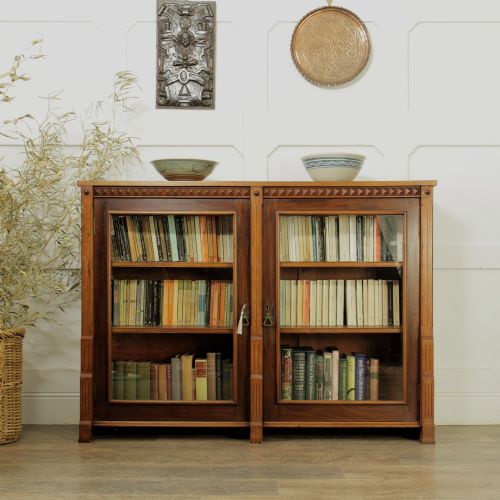
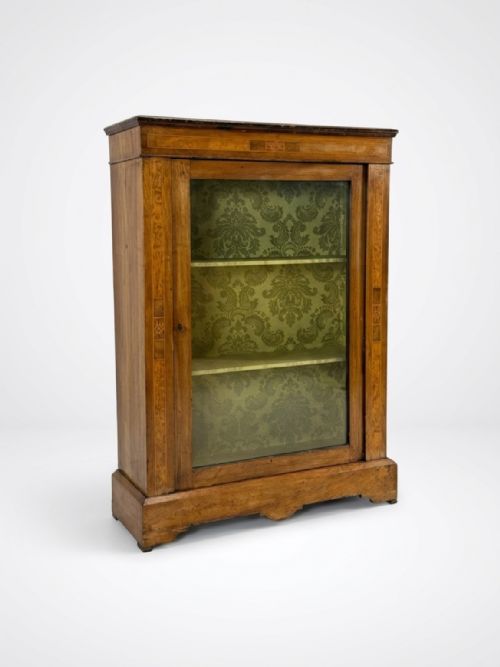
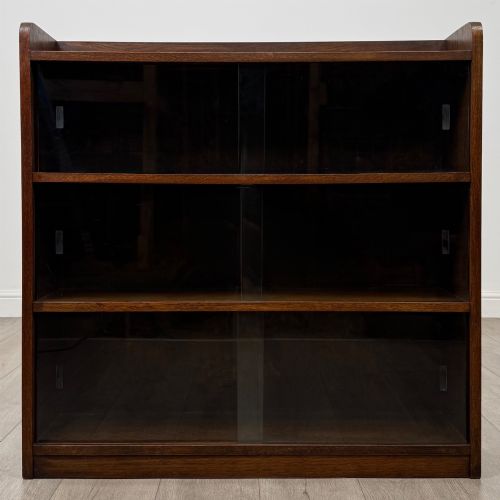
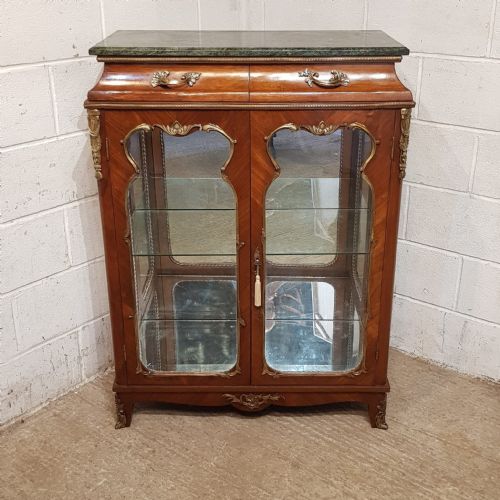
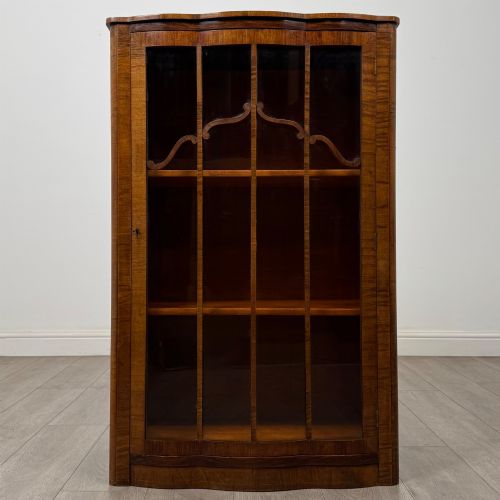
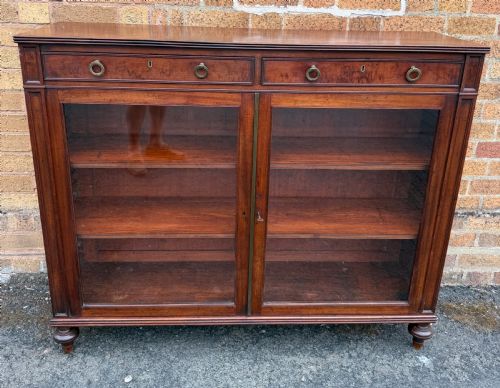
A vintage glass front cabinet organises your books or displays your treasures behind clear panels, combining practicality with period design.
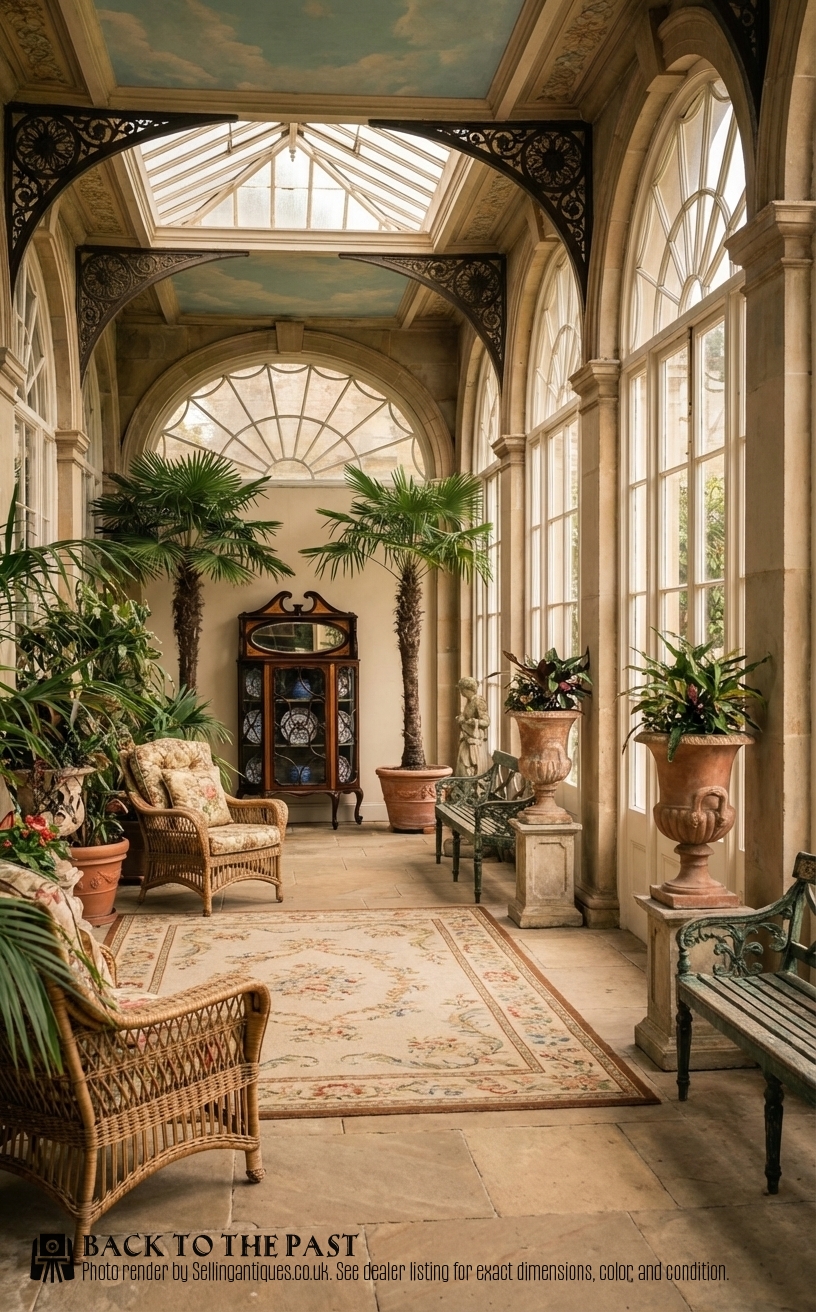
Vintage Glass Front Cabinet
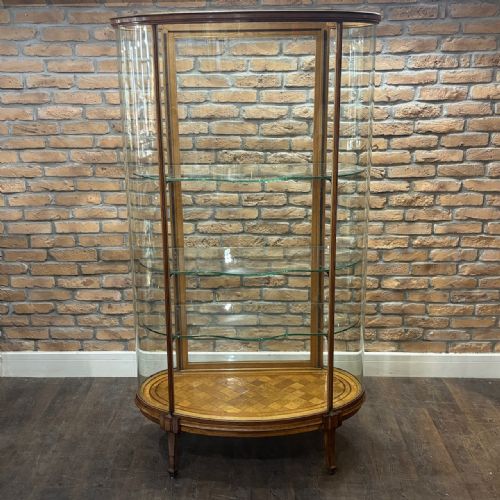
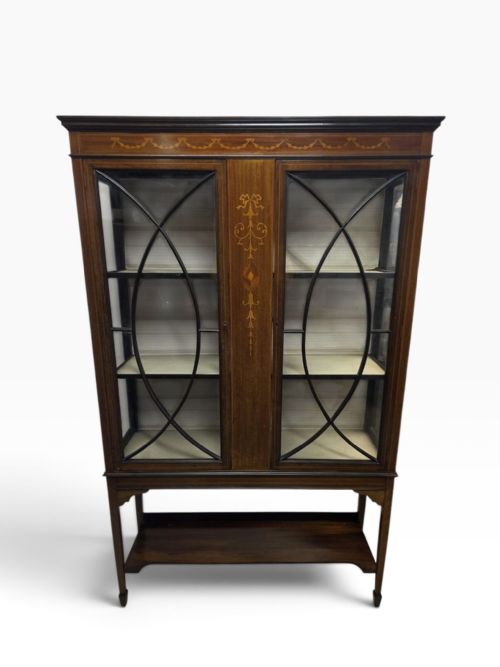
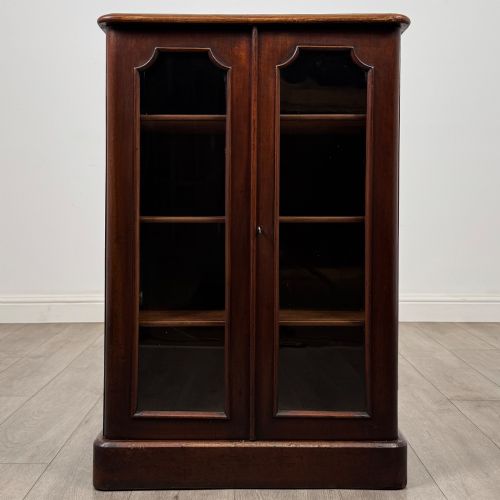
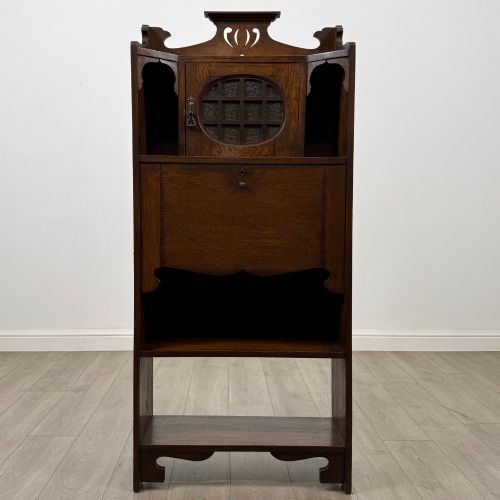
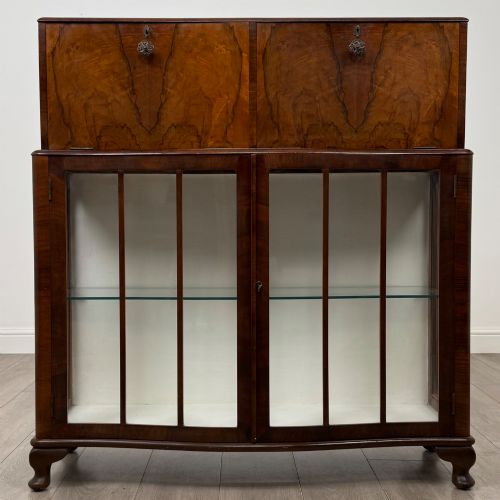
A vintage glass front cabinet covers a diverse range of furniture designed to store and display items, stretching from the late nineteenth century through the Edwardian era and into the 1930s. Buyers searching for a vintage glass front cabinet will encounter display cabinets, bookcases, bureau bookcases, and haberdashery counters originating from Victorian, Edwardian, and later twentieth-century workshops.
Materials and Technique
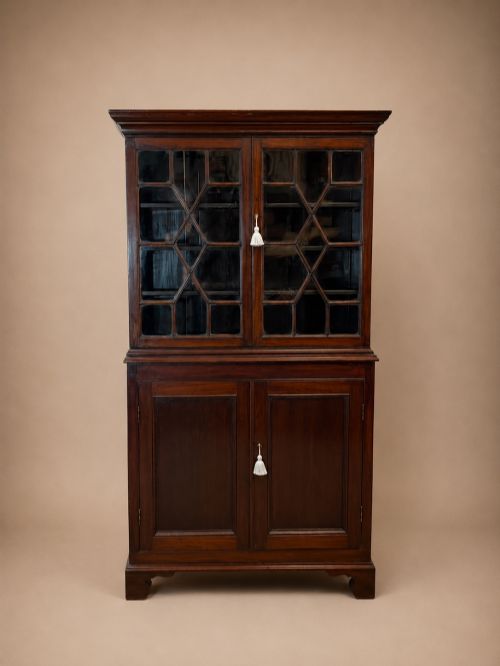
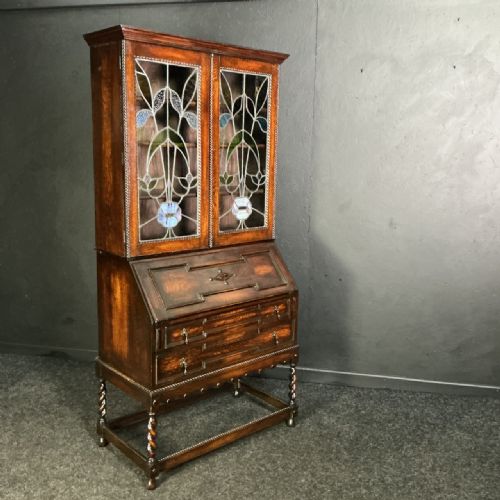
Cabinet makers relied predominantly on timbers such as mahogany, oak, and walnut, frequently enhancing plain surfaces with satinwood inlay, fruitwood marquetry, or figured veneers. Glass panes are fitted into doors using timber glazing bars, or in some instances secured with lead framework.
Structural hardware typically incorporates brass handles, hinges, and occasional gilt metal mounts, while specific commercial or office pieces integrate chrome components and sectional stacking mechanisms.
Vintage Glass Front Cabinet Retail Price Guide 2026
Typical asking prices for vintage glass front cabinet among the pieces listed under this phrase on Sellingantiques today, from the lower quarter to the upper quarter. They describe what is for sale here now, not the wider market.
Listings feature items spanning from the 1800s Dutch pieces up to 1930s chrome-trimmed counters, utilising oak, mahogany, walnut, and burr elm.
Judging Quality
The standard of a cabinet rests on the selection of timber veneers, the precision of the inlay work, and the crispness of the joinery. Figured walnut, burr elm, and finely matched satinwood indicate a higher grade of manufacture than plain utility timbers.
Attention to detail in the glazing bars, such as delicate astragal mouldings or well-fitted leaded sections, separates standard production furniture from superior examples produced by notable makers and workshops.
F. Sage & Co·Dudley & Co·Maple & Co·Globe Wernicke
The Vintage Glass Front Cabinet Glossary
- Astragal glazed
- A method of dividing glass panes using moulded timber strips known as astragals. This creates a grid pattern across the door of a bookcase or display cabinet.
- Vitrine
- A glass-sided display cabinet used primarily for showing porcelain, silver, or curiosities. These pieces often feature glass on the top and sides to maximise light penetration.
- Haberdashery cabinet
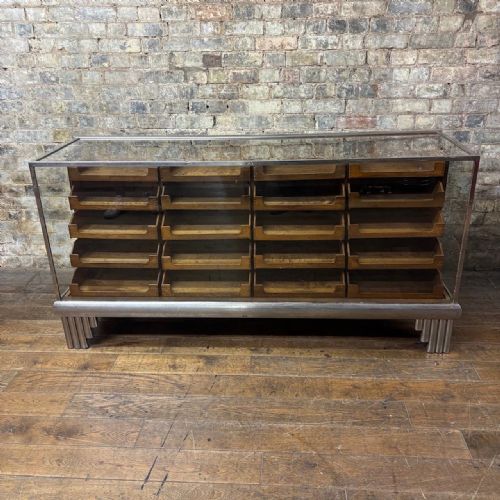
- A commercial storage unit featuring multiple drawers with glass fronts or pulls, originally utilised in shops to display small dry goods and textiles.
- Sectional bookcase
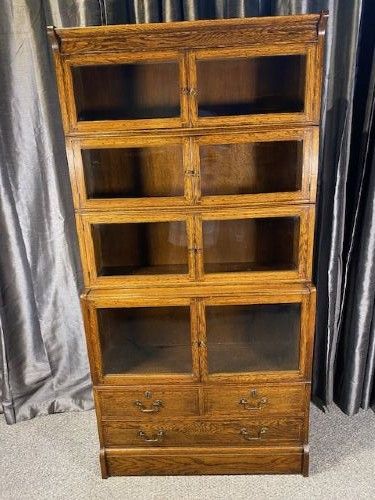
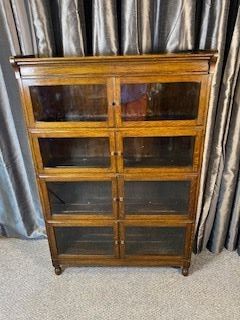
- A modular furniture system, commonly associated with barristers, consisting of stacking units with upward-lifting glass doors. This design allows sections to be added or rearranged independently.
- Bow front
- A convex curved cabinet front that projects outward in a smooth sweep. This shaping requires skilled carpentry to bend wood or shape framing timbers accurately.
Vintage Glass Front Cabinet: Frequently Asked Questions
What is a barrister bookcase?
A barrister bookcase is a stacking modular unit featuring glazed lifting doors designed to protect law books from dust.
These practical pieces allow owners to add or separate tiers as their book collections grow.
How do I date a cabinet?
Dating relies on identifying the prevailing style, timber choices, and construction methods characteristic of periods like the Victorian or Edwardian eras.
Inlay motifs, handle hardware, and glass manufacturing traits also provide reliable clues to the decade of manufacture.
Where should I place a vitrine?
A vitrine suits reception rooms or hallways where its glass panels can display collections of ceramics or glassware safely.
Positioning the cabinet away from direct sunlight protects both the timber finish and the displayed items from fading.
Can I store books in a display cabinet?
Display cabinets with sturdy wooden shelves accommodate books perfectly while keeping dust away through their glazed doors.
Heavier volumes require checking the depth and shelf support to ensure the interior framework bears the weight.