

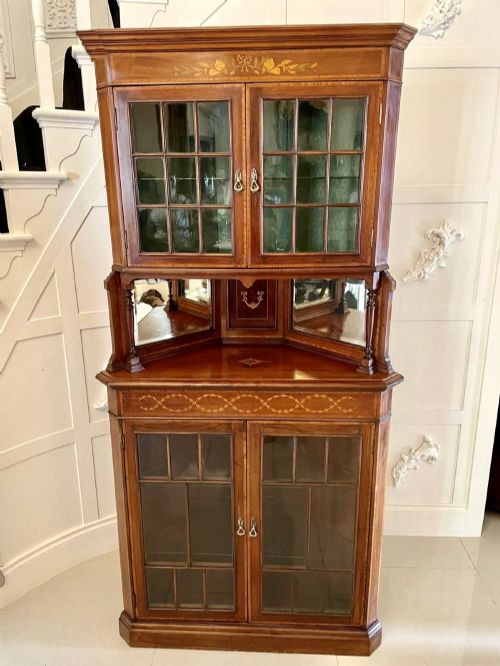
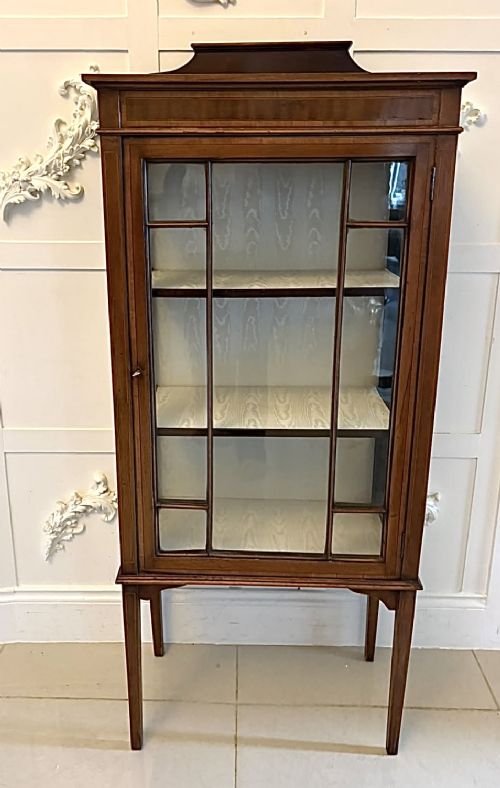

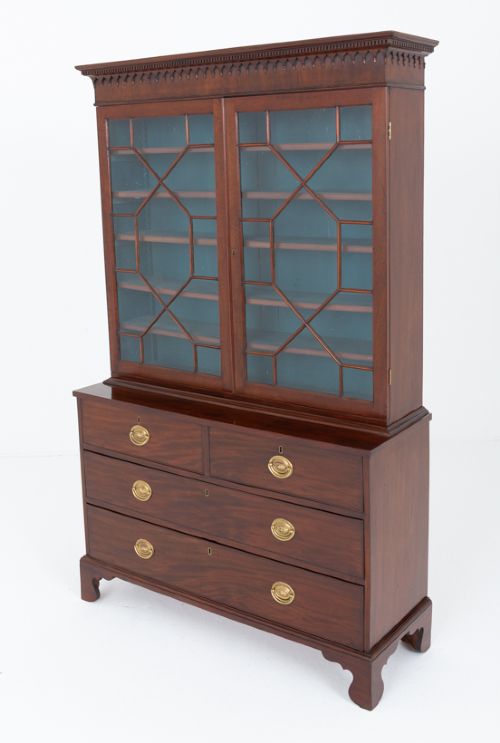
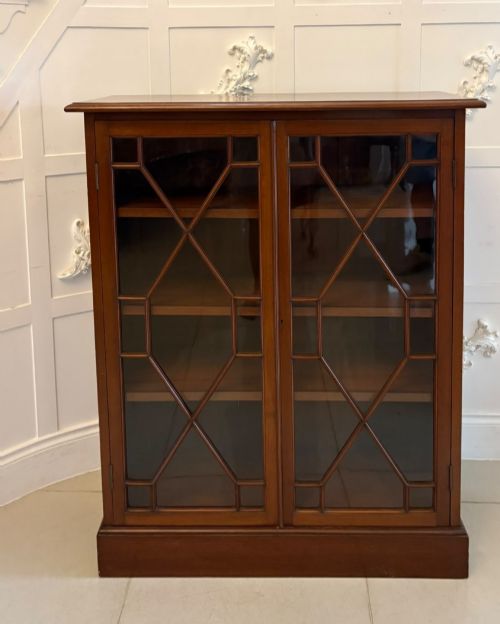
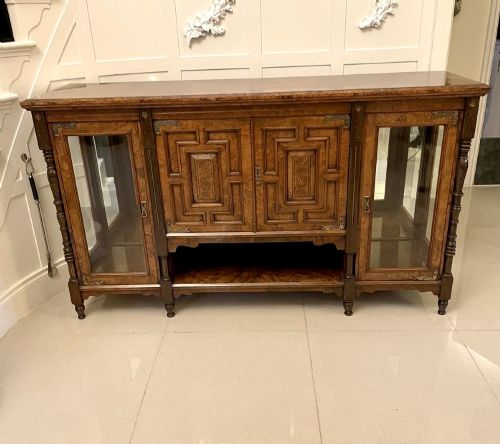
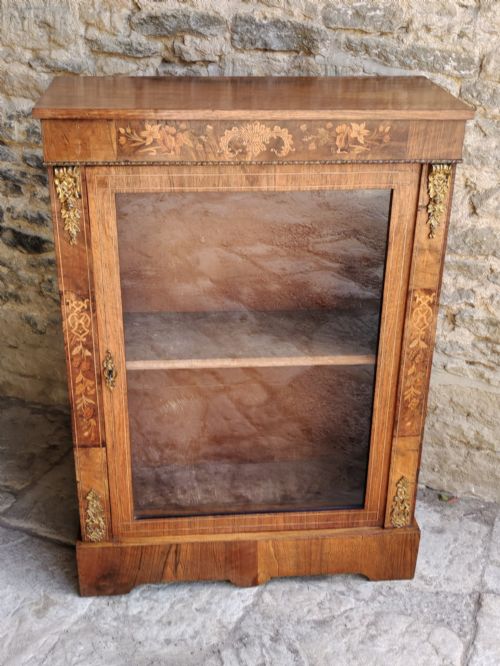
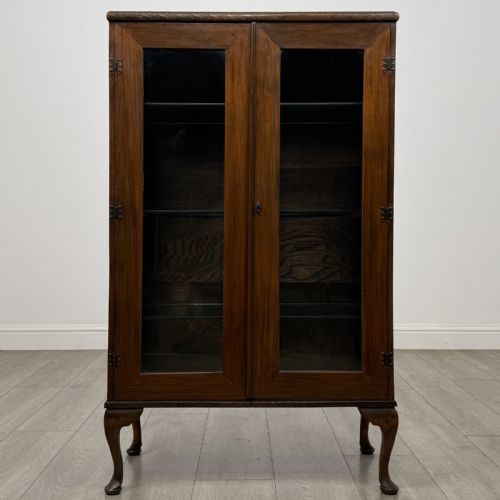
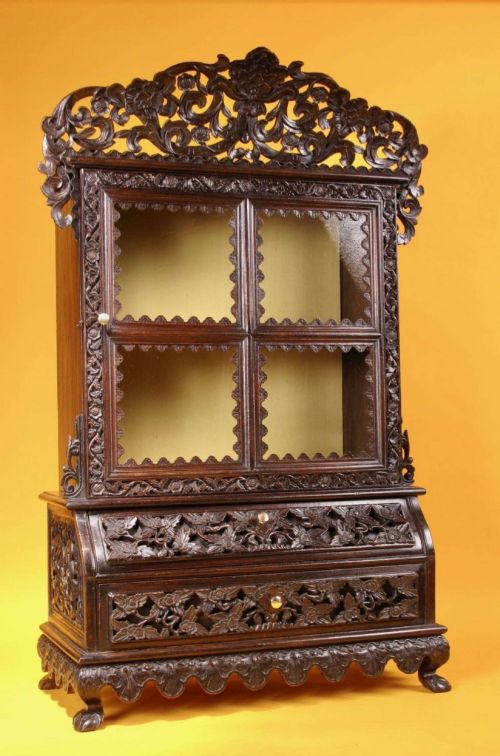
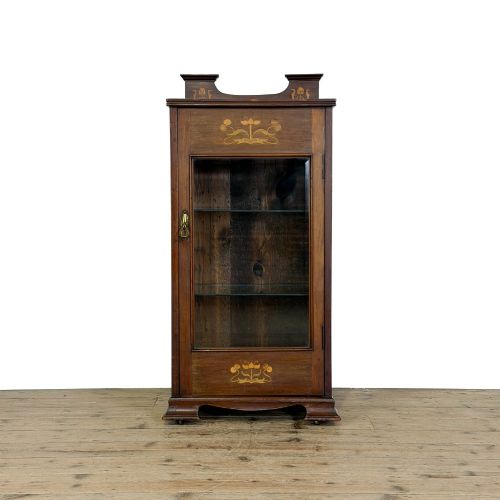
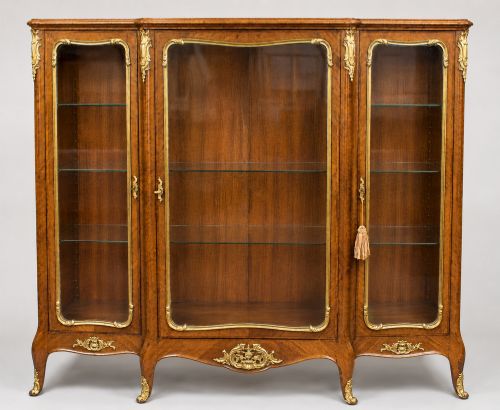
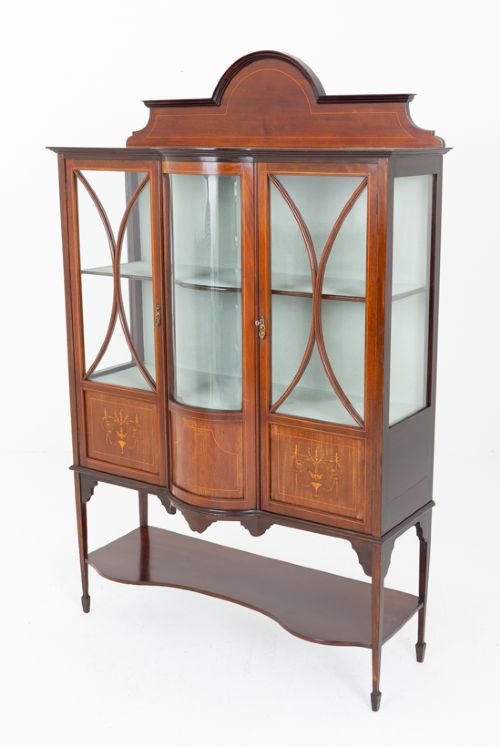
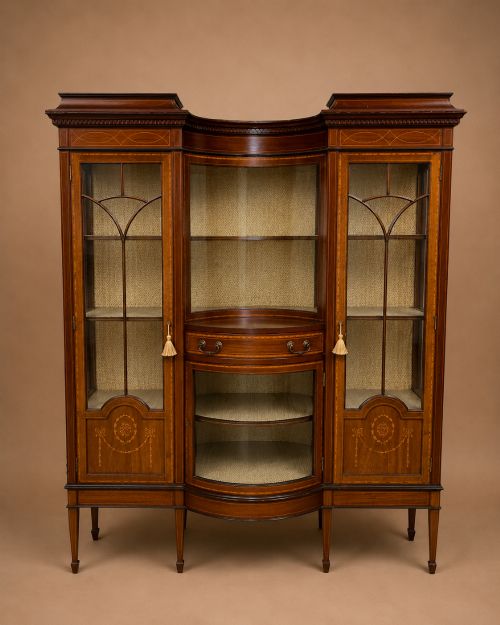
Brown Wood Display Case
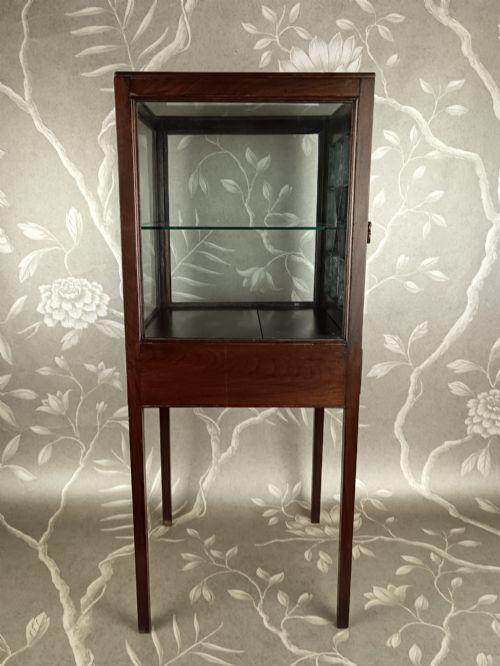
A brown wood display case gathers together centuries of glazed cabinetry designed to hold books, china, and natural curiosities.
Brown Wood Display Case
A brown wood display case brings together centuries of timber cabinetry created to protect and exhibit valued possessions. The selection spans from late eighteenth-century glazed wall units to Edwardian china cabinets and twentieth-century corner cupboards.
Buyers on this page most frequently encounter nineteenth-century and Edwardian pieces formed from mahogany, walnut, and oak. These range from tall breakfront bookcases and floor-standing vitrines to miniature cabinets and tabletop bijouterie cases.
How they were made
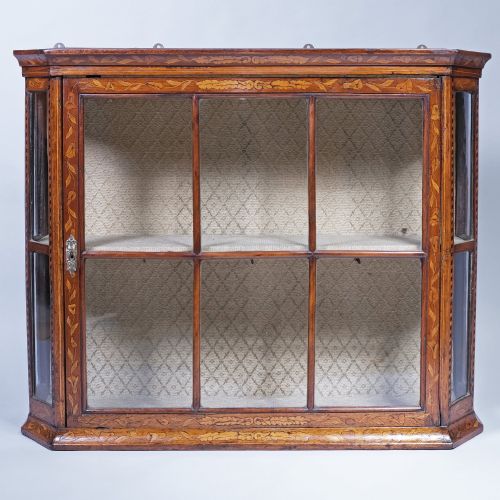
Cabinet makers utilised dense timber frames of mahogany, oak, and walnut, often enhanced with satinwood inlay, marquetry, or kingwood veneers. Glazed doors and panels allow light to enter the interior shelving while protecting the contents from dust.
Metal mounts in brass, ormolu, and gilt metal secure corners, doors, and decorative elements, whilst interior surfaces frequently feature fabric or velvet linings to cushion displayed objects.
Brown Wood Display Case Retail Price Guide 2026
Typical asking prices for brown wood display case among the pieces listed under this phrase on Sellingantiques today, from the lower quarter to the upper quarter. They describe what is for sale here now, not the wider market.
Periods represented span the eighteenth century, the Victorian era, the Edwardian period, and the nineteen-thirties.
What varies in quality
The standard of a brown wood display case depends on the precision of its timber selection, such as figured mahogany or intricate walnut marquetry. Master joinery is evident in the seamless alignment of glazed doors, serpentine shaping, and crisp carved mouldings.
Refinement shows in integrated details like adjustable shelving, fine ormolu or brass mounts, and painted interior accents that elevate the piece from simple storage to high craftsmanship.
T. E. Gunn
The Brown Wood Display Case Glossary
- Vitrine
- A glass-fronted cabinet designed for the display of fine porcelain, curiosities, or decorative objects. These glazed enclosures keep delicate collections visible yet secure.
- Bijouterie cabinet
- A shallow glass-topped table or cabinet created specifically to exhibit small valuables, jewellery, or medals. They often stand on slender legs with glazed viewing areas.
- Breakfront
- A large cabinet design where the central section projects forward from the flanking wings. This architectural form adds depth and shadow to bookcases and sideboards.
- Marquetry
- Decorative veneer work formed by fitting pieces of various coloured woods together to create pictorial or geometric patterns. It adorns the exterior panels of many finer cabinets.
- Ormolu
- Gilded bronze mounts and decorative trimmings applied to the corners and frames of nineteenth-century furniture. The metalwork provides metallic contrast against dark wood surfaces.
Brown Wood Display Case: Frequently Asked Questions
What fits inside a brown wood display case?
These cabinets suit porcelain collections, books, and glassware, alongside natural history specimens like taxidermy birds. Miniature items and decorative curiosities also find a suitable home behind the glass.
Interior shelving depths and adjustable heights determine whether larger volumes or smaller trinkets sit comfortably within the wooden frame.
How do I distinguish Edwardian pieces from Victorian ones?
Edwardian brown wood display cases frequently employ lighter satinwood inlay, Sheraton Revival motifs, and painted serpentine fronts. Victorian examples tend toward heavier timber, deeper walnut veneers, and more robust architectural mouldings.
Construction methods and timber choice provide the clearest clues to the manufacturing decade.
Where should I place a corner cabinet?
Floor-standing corner cabinets utilise unassigned room angles, turning unused space into practical display storage. They fit neatly into dining rooms or libraries where wall space is limited.
Matching the wood tone to existing furniture ensures the triangular footprint integrates smoothly into the room.
How are taxidermy display cases constructed?
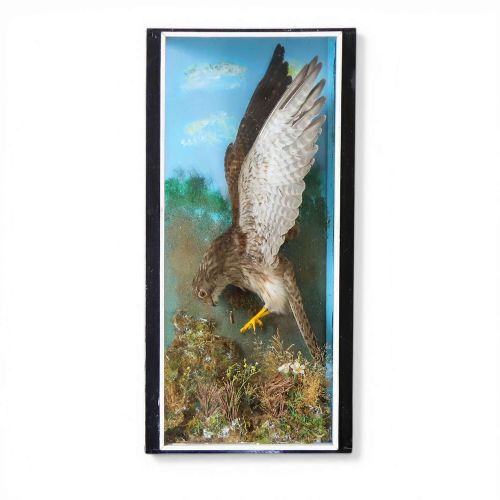
Taxidermy cases pair wooden frames with glazed panels to protect preserved bird specimens from dust and handling. Painted interior backgrounds often replicate natural habitats for kestrel or owl dioramas.
These specialised curiosity cabinets combine cabinet-making timberwork with display glass to preserve nineteenth-century natural history specimens.