


Antique Bowfront Cabinet
An antique bowfront cabinet brings curved elegance to a room, offering generous storage through a gently rounded profile that softens interior corners.
Antique Bowfront Cabinet
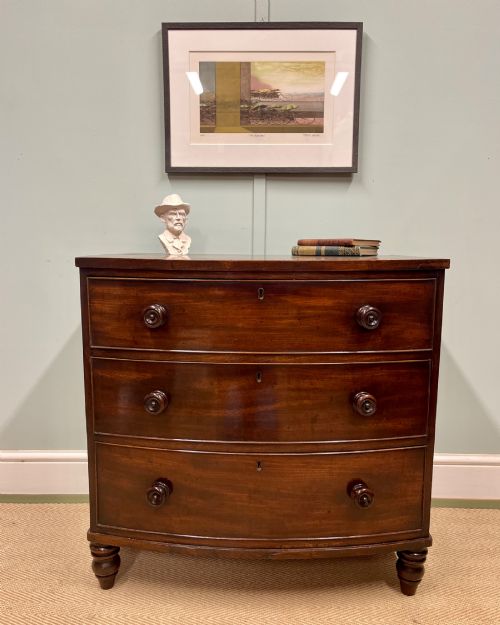
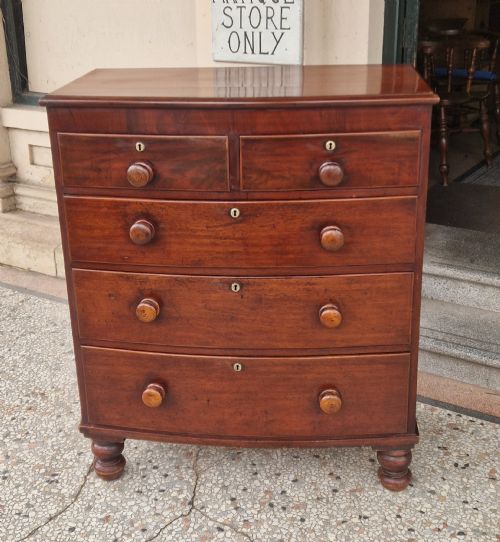
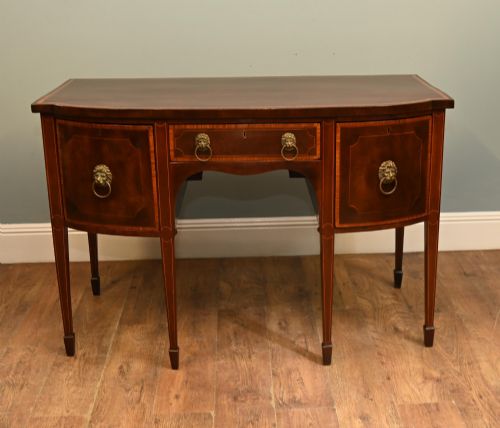
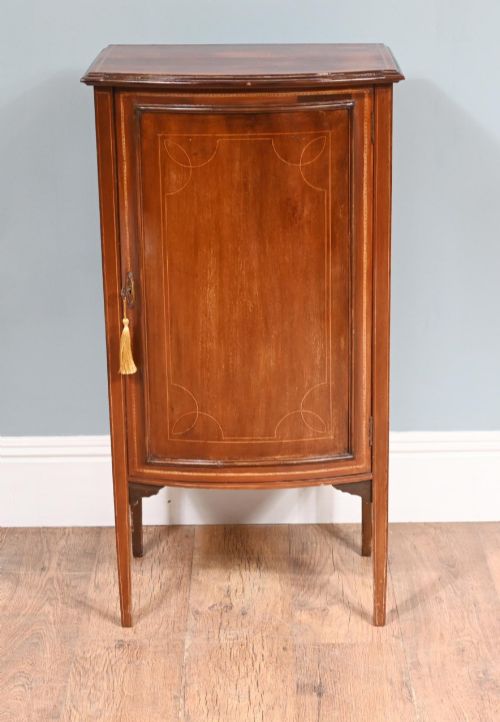
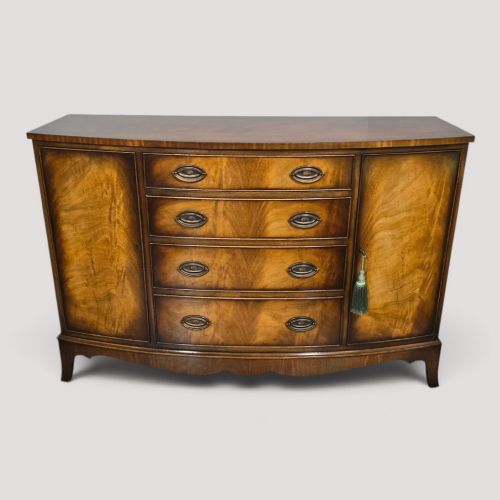
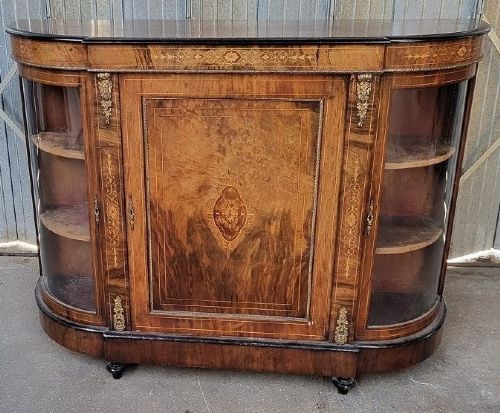
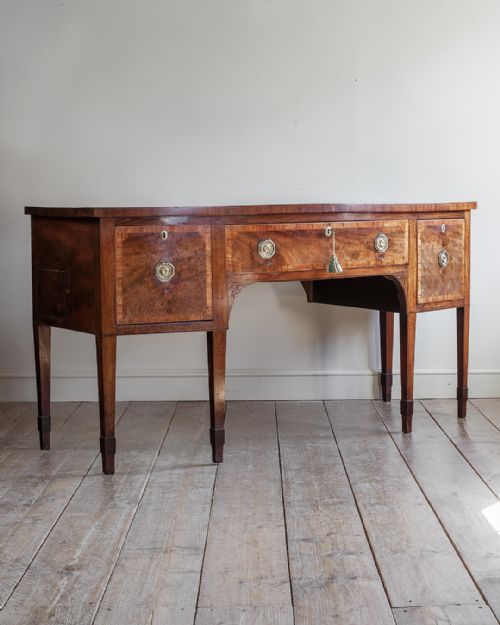
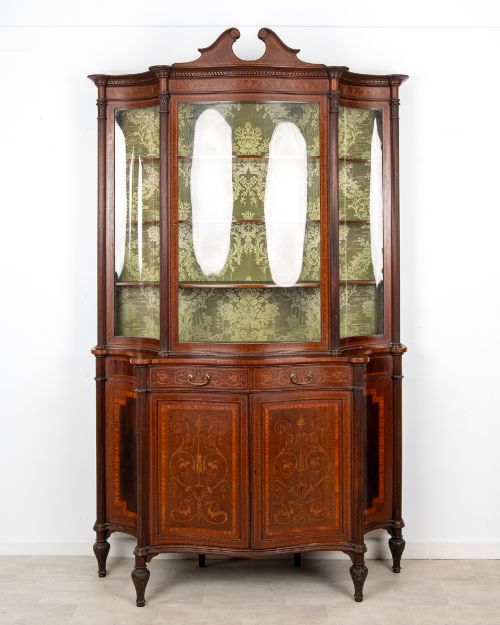
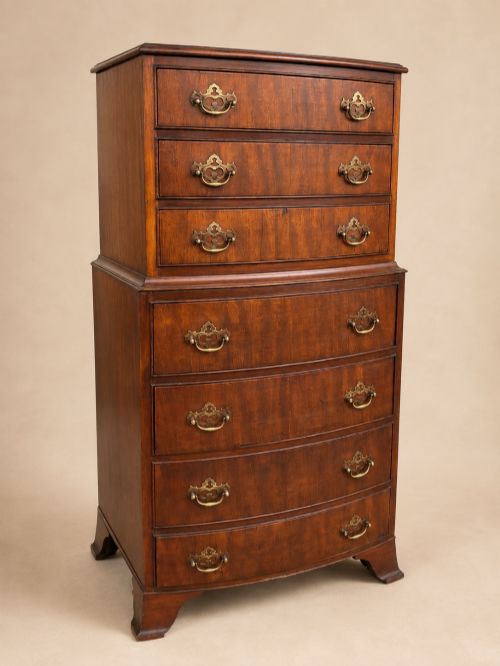
When you search for an antique bowfront cabinet, you encounter a variety of forms including sideboards, corner cupboards, chests of drawers, and display cabinets designed with a convex curved front. These pieces emerge from periods such as the Georgian era, the Regency period, the Victorian age, and the Edwardian years.
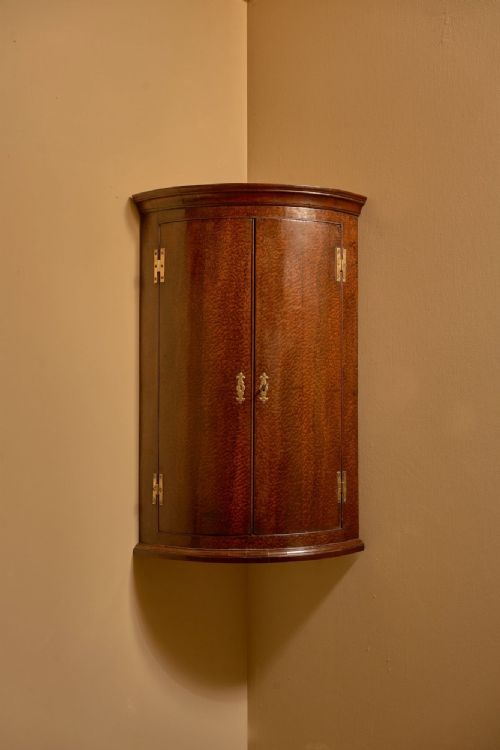
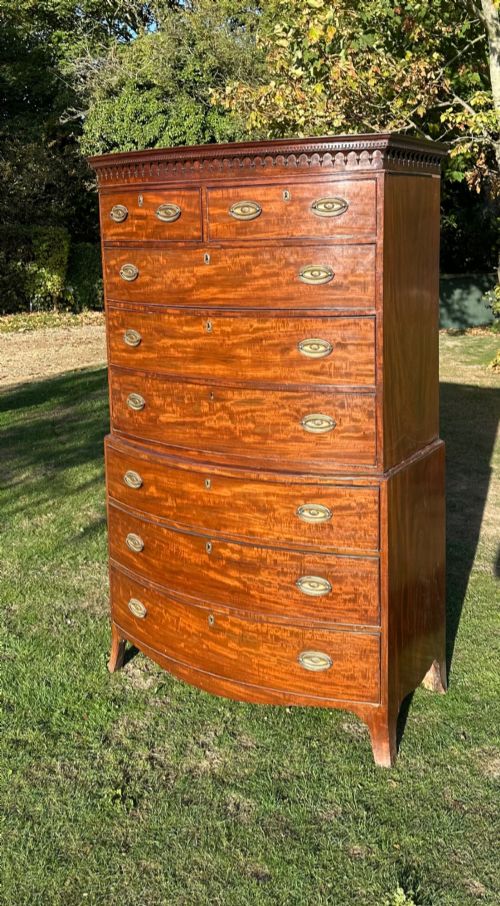
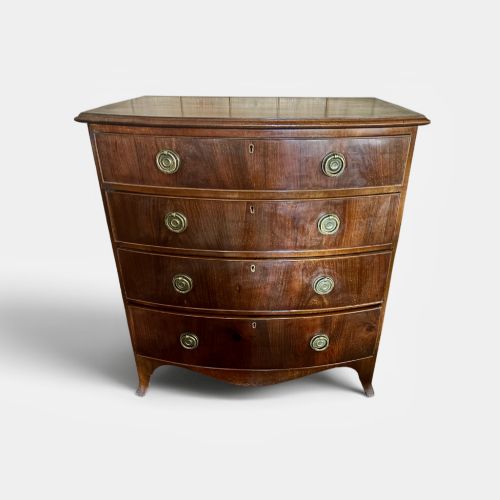
The version you are most likely to meet on this page is a mahogany sideboard or chest of drawers from the Georgian or 19th Century periods, often featuring characteristic curved drawer fronts or doors. Corner cupboards designed to fit room angles also appear frequently in oak and mahogany across 18th Century and 19th Century listings.
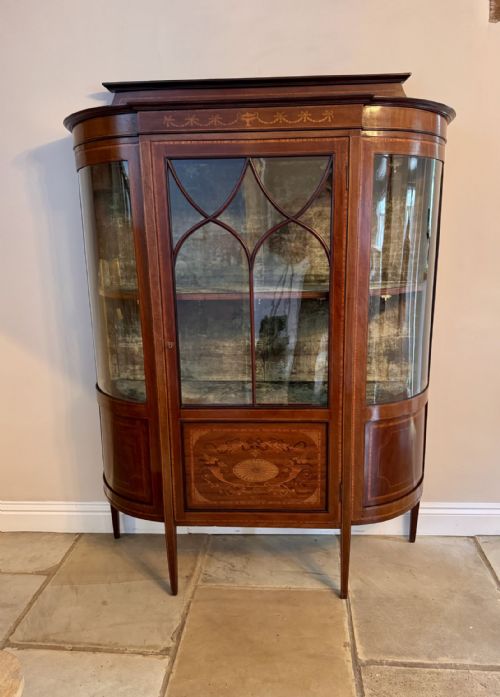
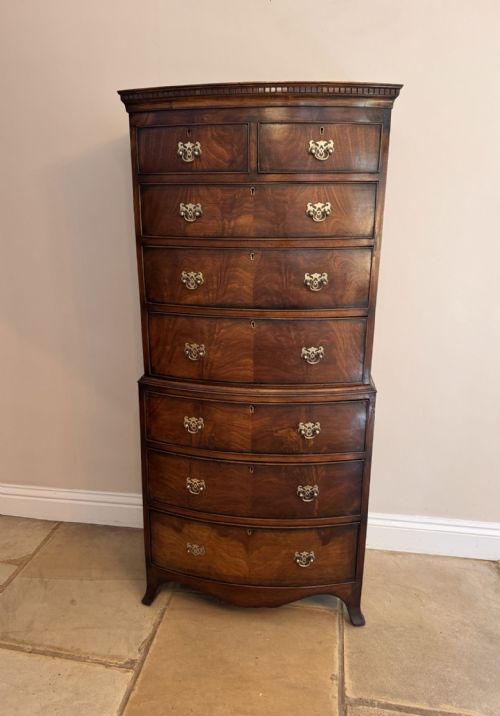
Makers and cabinetmakers adapted the bowfront shape to display cabinets and tallboys by the early 20th Century, employing Edwardian satinwood and later walnut veneers. Each object balances practical storage needs with the sophisticated geometry of the curved wooden facade.

Materials and construction
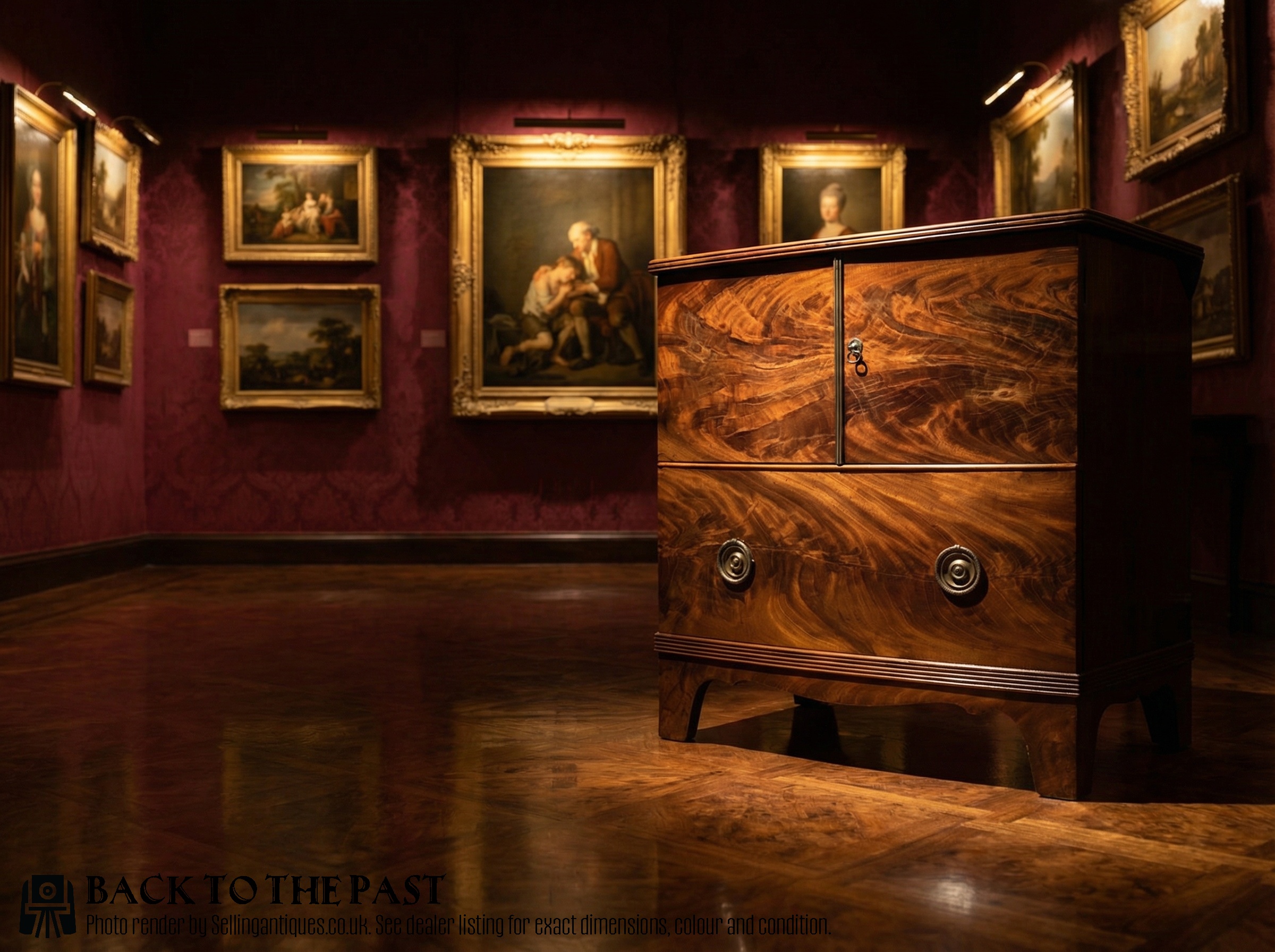
Cabinetmakers constructed these pieces primarily using solid mahogany, oak, and satinwood, frequently applying flame mahogany or burr walnut veneers to achieve striking grain patterns on the curved doors and drawer fronts. Inlaid details in boxwood and other contrasting timbers often define the borders of Sheraton Revival and Edwardian examples.
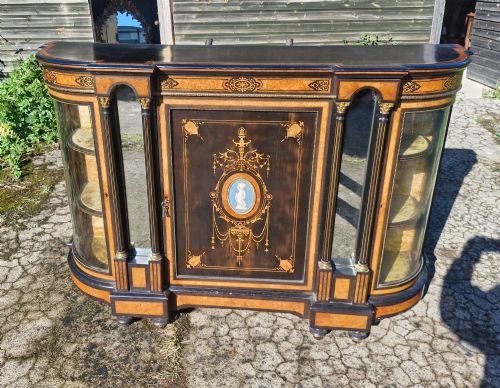
Constructing a true bowfront required specialist woodworking techniques to bend or shape timber accurately for the curved framework and drawer assemblies. Glass panes fitted into wooden framing typify the display cabinets and vitrines originating from the Edwardian period.
Antique Bowfront Cabinet Retail Price Guide 2026
Typical asking prices for bowfront cabinet among the pieces listed under this phrase on Sellingantiques today, from the lower quarter to the upper quarter. They describe what is for sale here now, not the wider market.
Listings feature items from the Georgian, Regency, Victorian, and Edwardian periods, utilising mahogany, satinwood, oak, and burr walnut.
Assessing quality and craftsmanship
The standard of a piece rests heavily on the selection of timber veneers, where highly figured plum pudding mahogany, flame mahogany, or burr walnut indicate superior material choice. Cohesion in the grain pattern across the curved front separates standard utilitarian items from finer cabinetwork.
Subtlety of inlay work and the crispness of carved details distinguish pieces produced by skilled workshops. Structural integrity in the curved drawers and doors ensures the rounded profiles retain their alignment and smooth operation over centuries of use.
Edwards & Roberts·Ince & Mayhew
The Antique Bowfront Cabinet Glossary
- Bowfront
- A furniture design featuring a convex, outward-curving front facade. This curved profile softens the rectangular lines typically found in case furniture.
- Flame mahogany
- A veneer cut from the branch junctions of the mahogany tree, producing a distinctive flickering flame-like pattern. It was widely utilised on prominent surfaces of Georgian and 19th Century furniture.
- Tallboy
- A tall chest of drawers constructed in two stacked sections, often combining a lower chest with an upper chest or cupboard. These pieces maximise vertical storage space.
- Vitrine
- A glass-fronted display cabinet intended for exhibiting porcelain, glass, or collectables. Edwardian examples often incorporate delicate painted decoration and satinwood timbers.
- Corner cupboard
- A cabinet specifically built with angled sides to fit snugly into the corner of a room. Surviving examples date from the Georgian period onward in oak and mahogany.
Antique Bowfront Cabinet: Frequently Asked Questions
What is an antique bowfront cabinet?
An antique bowfront cabinet is a piece of storage furniture featuring a convex, outward-curving front that projects into the room. These pieces range from Georgian sideboards and chests of drawers to Edwardian display cabinets and corner cupboards.
The curved profile was designed to break up the rigid lines of traditional room layouts while providing practical enclosed storage. Cabinetmakers applied this distinctive curved form across numerous furniture types over successive centuries.
How do I date an antique bowfront cabinet?
Dating relies on examining the timber species, construction methods, hardware, and decorative styles characteristic of different eras. Georgian and Regency pieces typically show heavy mahogany construction with hand-cut dovetails, while Edwardian versions often feature satinwood, delicate inlay, and lighter frames.
Secondary woods used inside drawers and backboards also provide clues to age and origin. Comparing the specific revival styles, such as Sheraton Revival or Queen Anne Revival, helps narrow down the period of manufacture.
Where should I place a bowfront cabinet?
A bowfront cabinet suits living rooms, dining rooms, and hallways where its curved projection can be appreciated without blocking narrow walkways. Corner versions naturally utilise dead space in room angles while offering display or storage capacity.
Keeping the piece away from direct sunlight and heat sources protects the vulnerable wood veneers and polished finishes. Placing the cabinet against a flat wall allows the curved facade to serve as a focal point.
How do I care for mahogany and walnut veneers?
Maintaining these surfaces involves dusting regularly with a soft, dry cloth and avoiding harsh chemical polishes or silicone sprays. Applying a traditional beeswax occasionally helps nourish the wood and preserve the natural lustre of the grain.
Maintaining stable indoor humidity prevents the timber and delicate veneers from drying out, cracking, or lifting over time. Gentle care ensures the polished finishes on flame mahogany and burr walnut endure safely.