

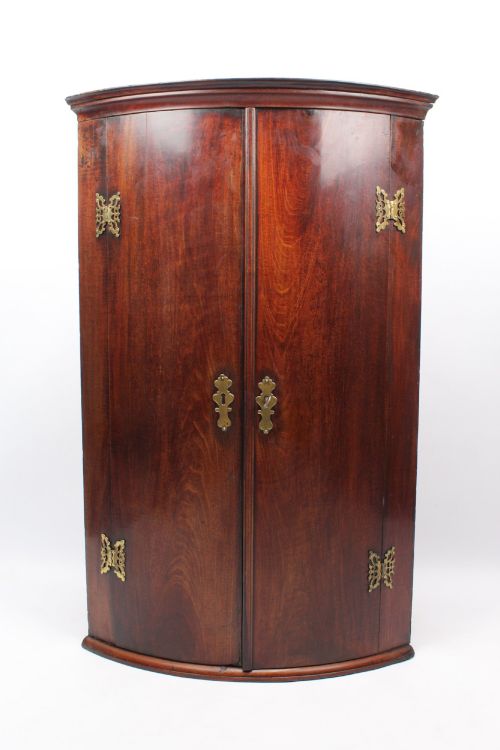
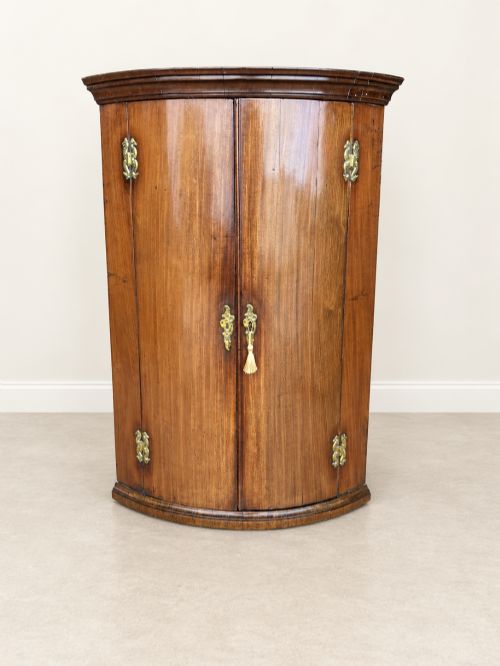

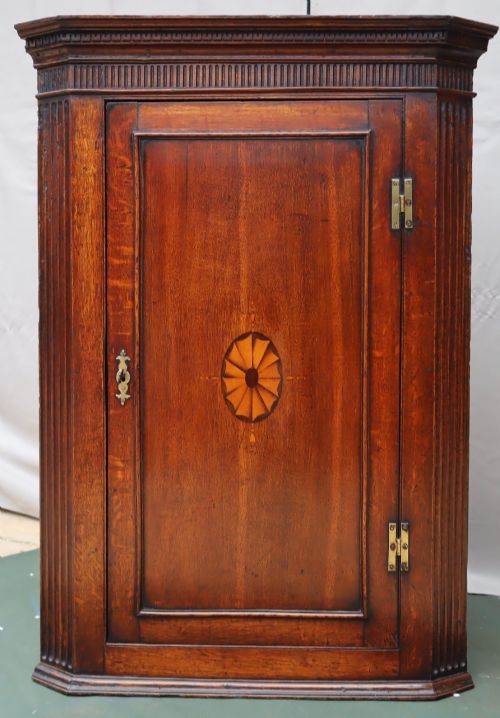
Georgian Wall Cabinet
When you search for a georgian wall cabinet, you uncover timber storage pieces designed to maximise eighteenth-century domestic space.
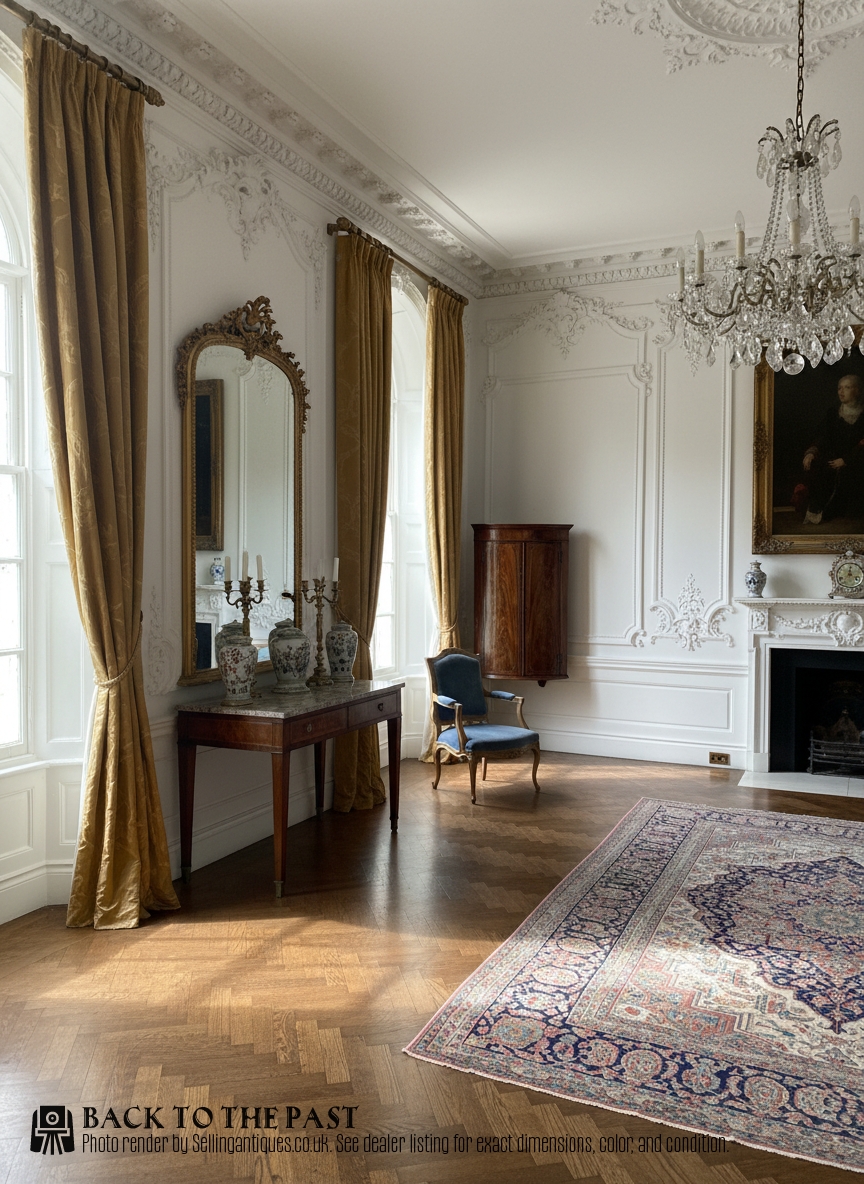
Georgian Wall Cabinet
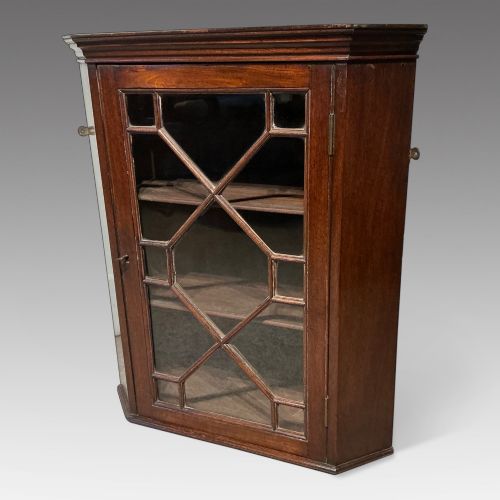
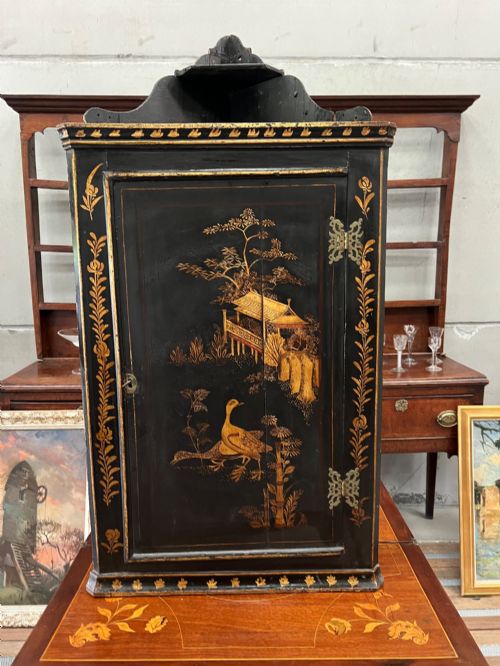
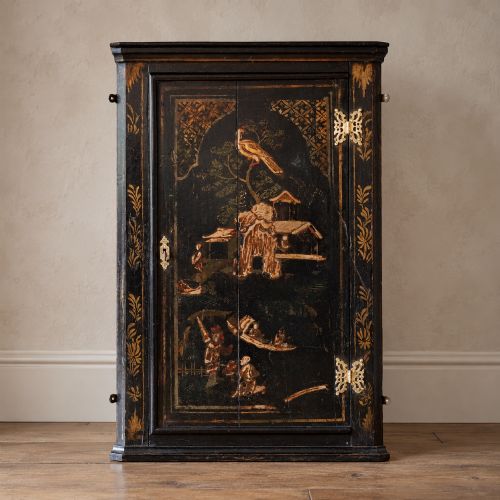
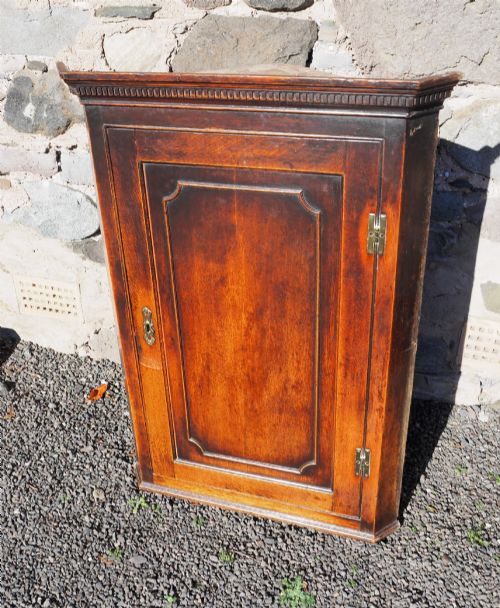
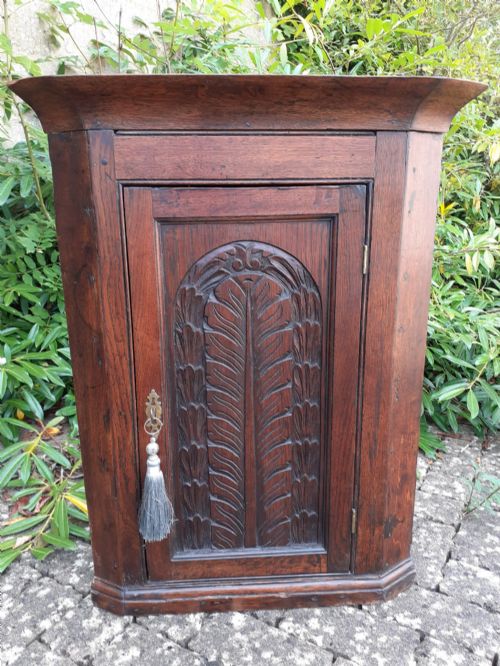
A georgian wall cabinet primarily takes the form of a corner cupboard or hanging wall unit designed to fit snugly into domestic interiors. These pieces served functional roles in period homes, storing spices, tablewares, or spirits away from household dust.
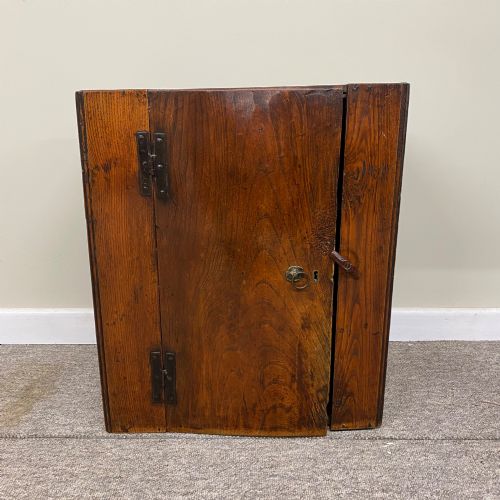
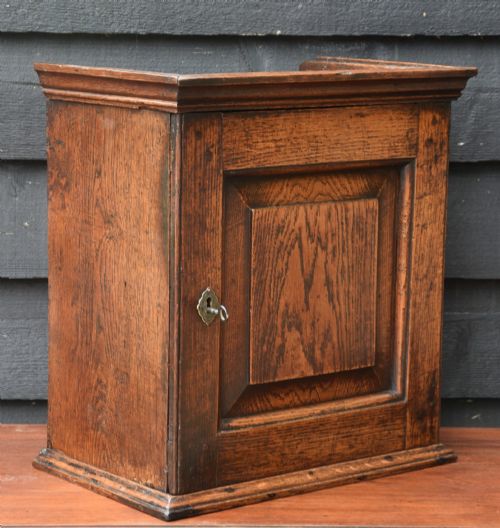
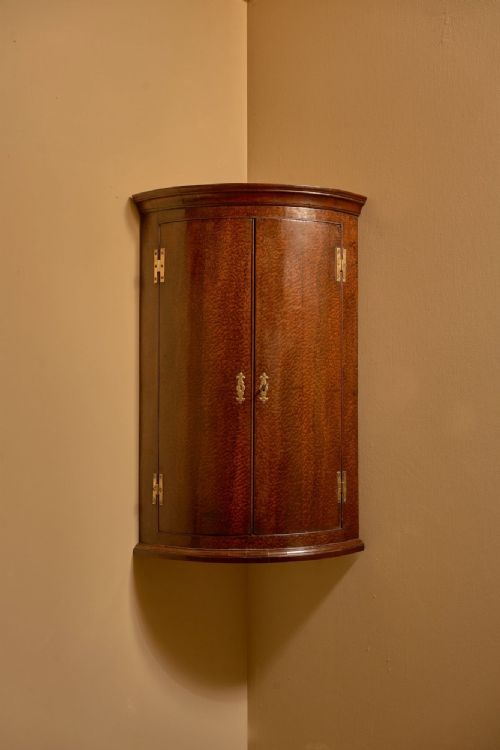
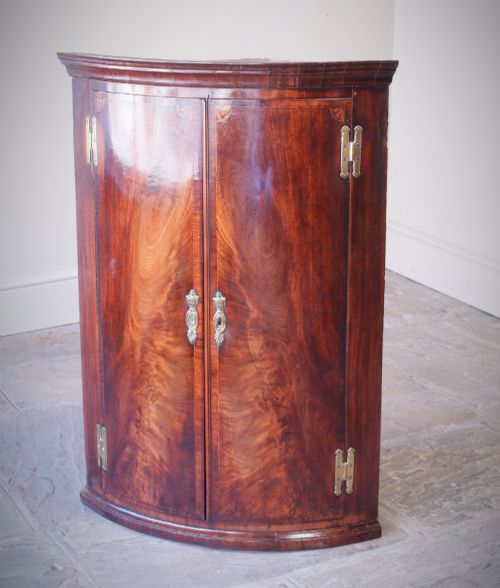
The versions most frequently met on this page are mahogany and oak corner cupboards featuring single panelled doors, alongside smaller spice cupboards dating from the early eighteenth century. Many examples utilise bow-fronted profiles to project softly into the room while keeping floor space entirely clear.
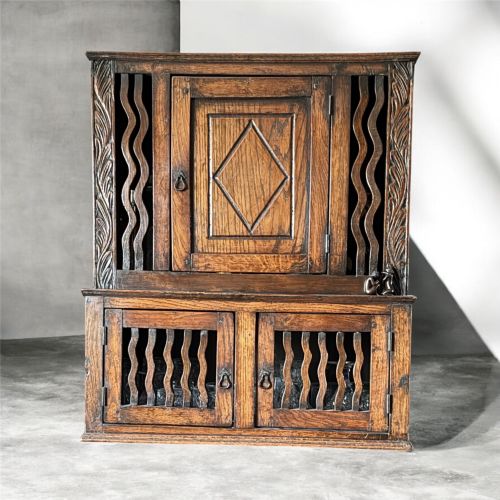
Makers designed these items to hang securely from walls or sit atop other furniture, balancing utility with decorative presence. Walnut and painted pine variations also appear among the selections, spanning the reigns from Queen Anne through to George III.
How They Were Made
Cabinetmakers constructed these enclosures using dense native timbers like oak and mahogany, often selecting burr veneers or plum pudding grain for decorative impact on primary surfaces. Pine served as a sturdy secondary wood for interior shelving and carcases.
Joinery relied on traditional techniques including dovetailing for drawer boxes and mortise and tenon joints for door frames. Brass H-hinges, escutcheons, and working locks added both structural security and visual contrast to the dark timber facades.
Georgian Wall Cabinet Retail Price Guide 2026
Typical asking prices for georgian wall cabinet among the pieces listed under this phrase on Sellingantiques today, from the lower quarter to the upper quarter. They describe what is for sale here now, not the wider market.
Some spice cupboards retain traces of aromatic contents embedded deep within their ancient oak pores.
What Varies in Quality
The distinction between standard utility cupboards and superior examples lies in timber selection and decorative restraint. Pieces featuring finely figured mahogany veneers, intricate crossbanding, or original painted surfaces represent higher levels of cabinetmaking ambition.
Construction details also separate the output; crisp moulding profiles, intact original brass hardware, and well-fitted interior shelving indicate superior workshops. Plain structural oak versions intended for simple farmhouse storage sit at the utilitarian end of the scale.
The Georgian Wall Cabinet Glossary
- Bow front
- A convex curved cabinet front that projects outward in a smooth arc. This shape gained popularity during the latter half of the eighteenth century to soften room angles.
- Astragal glazed
- A glass door divided into smaller panes by narrow wooden bars called glazing bars. These frameworks allowed cabinetmakers to display contents while protecting them.
- Spice cupboard
- A small wall-mounted box fitted with multiple internal drawers for storing culinary herbs and aromatics. These compact units frequently date from the early eighteenth century.
- Japanned
- A European imitation of East Asian lacquerwork achieved through layered varnishes and painted decoration. Artisans applied this technique to fashionable furniture during the Georgian era.
- Crossbanding
- A decorative border technique where thin strips of veneer are laid with the grain running perpendicular to the surrounding panel. This creates a neat framing effect on cabinet doors.
Georgian Wall Cabinet: Frequently Asked Questions
Where were georgian wall cabinets placed?
These units typically hung in dining rooms, parlours, or kitchens where space efficiency mattered.
Corner placements helped utilise awkward room junctions while keeping household goods easily accessible.
How do I hang a heavy wooden cabinet?
Period cabinets require sturdy wall fixings that match the weight of dense timbers like oak or mahogany.
Weight distribution should rest upon secure brackets or internal battens screwed directly into masonry or wall studs.
What is the difference between George II and George III styles?
George II pieces often display heavier proportions and simpler lines influenced by early walnut and oak traditions.
George III examples frequently introduce lighter mahogany frames, delicate stringing inlay, and refined neoclassical motifs.
Can these cabinets support heavy items?
Internal shelving was originally engineered to hold ceramics, glassware, or lightweight provisions.
While robustly built with solid timber, modern owners should verify shelf support before storing dense collections.