


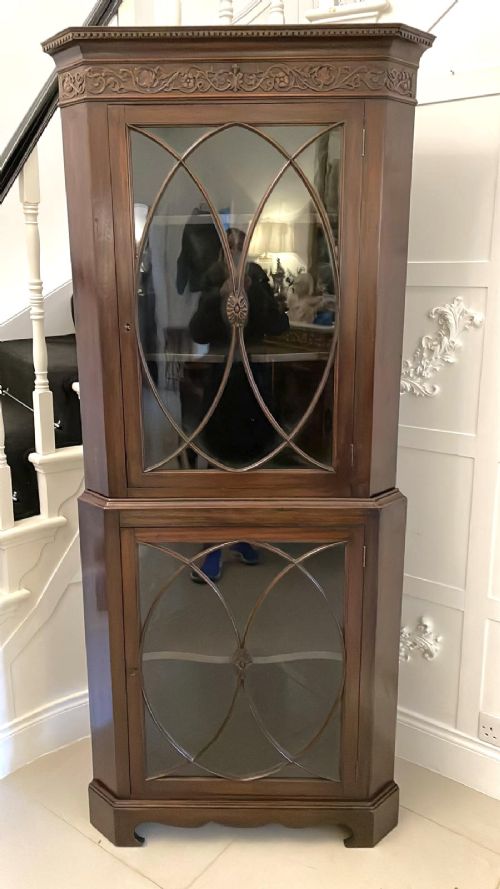
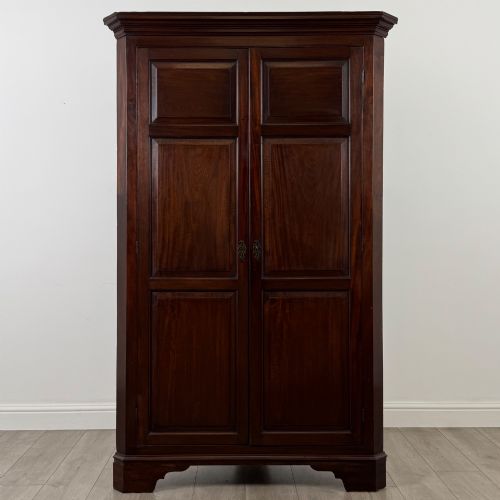
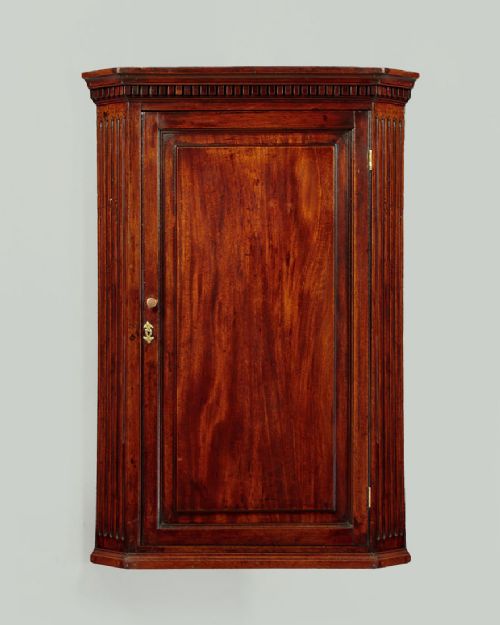
Antique Corner Unit
An antique corner unit is a clever piece of space-saving furniture designed to fit snugly into a room angle, combining practical storage with period character.
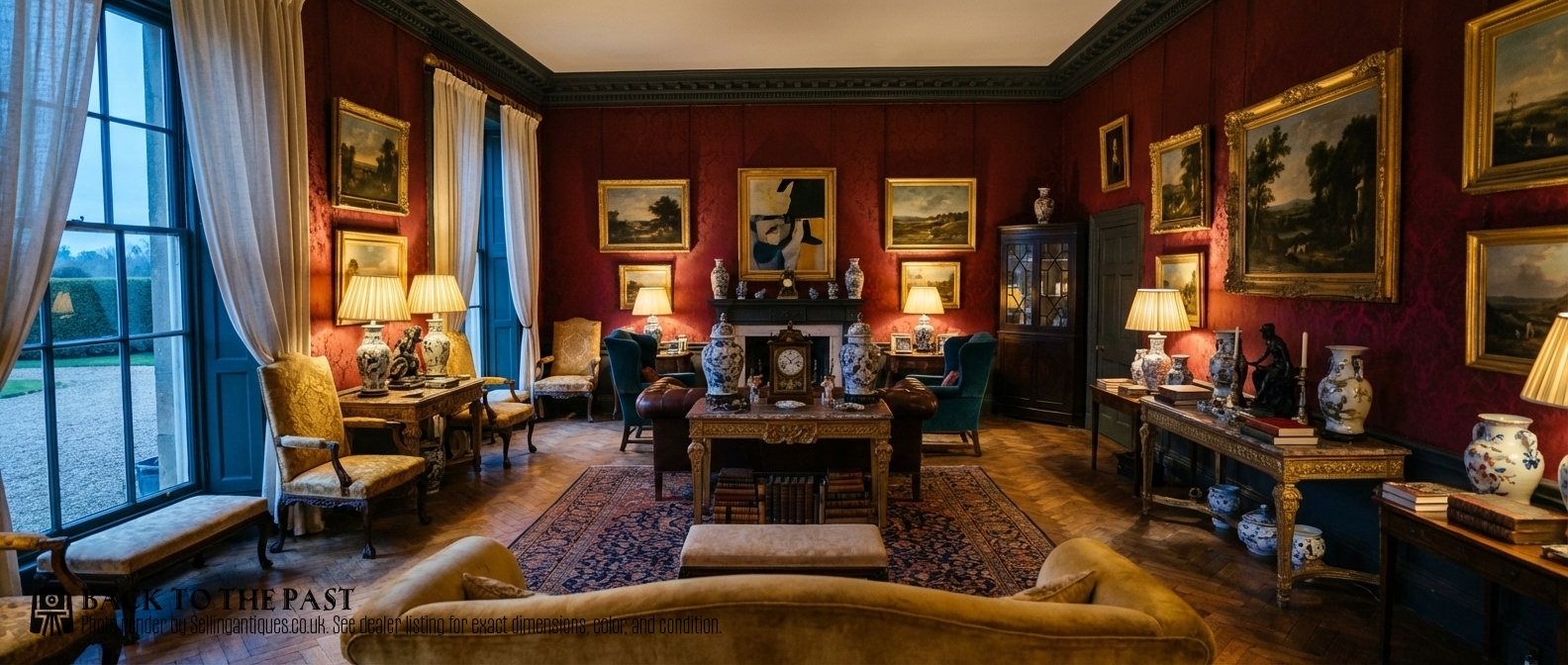
Antique Corner Unit
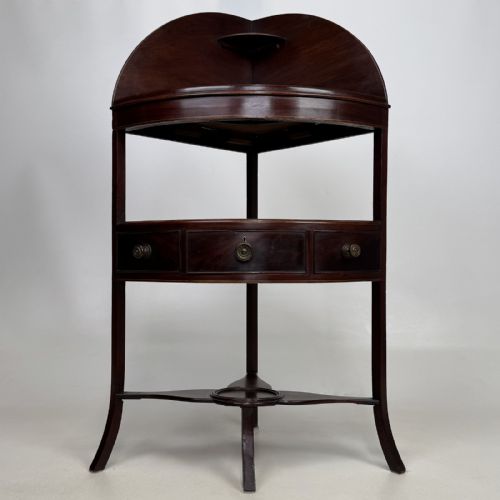
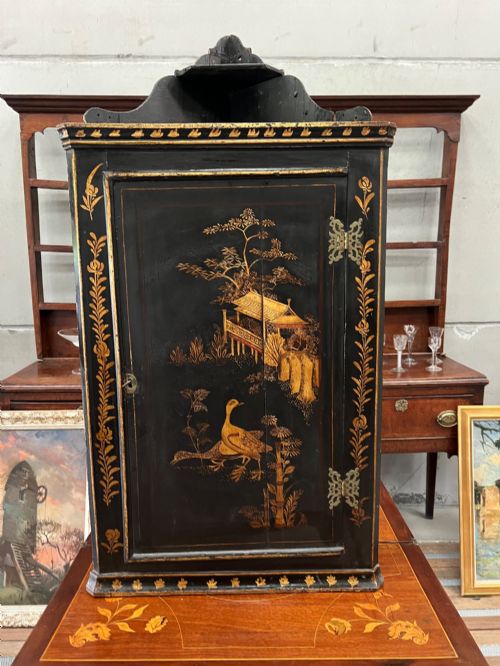
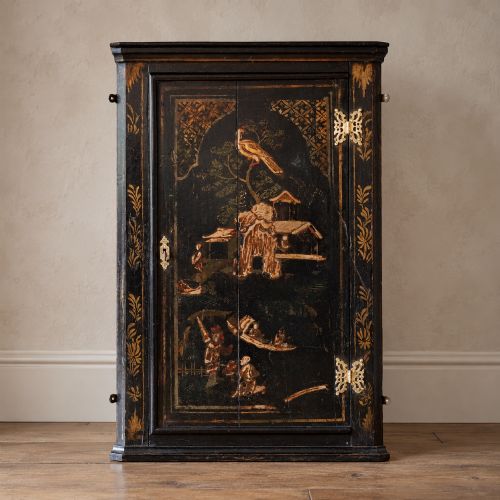
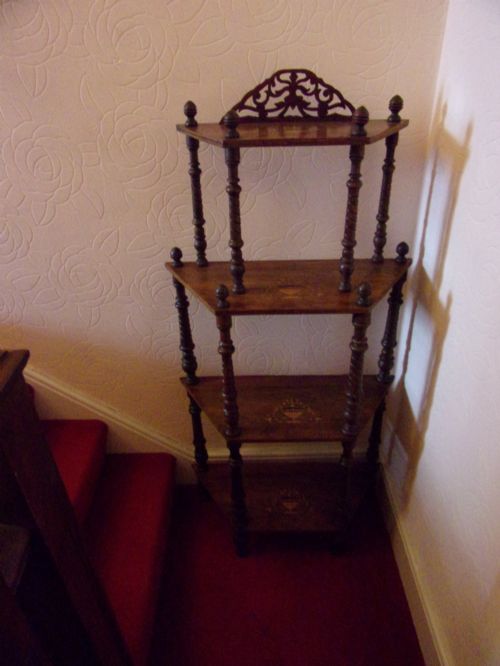
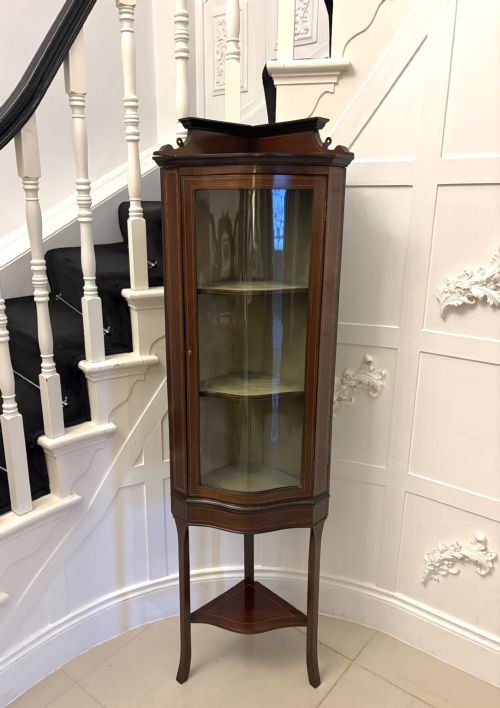
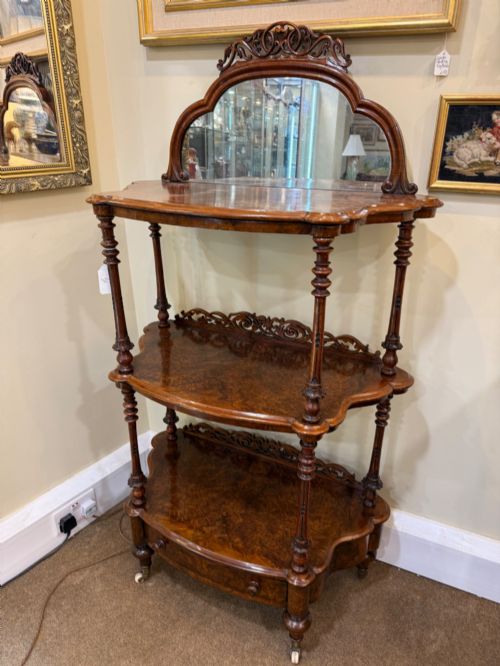
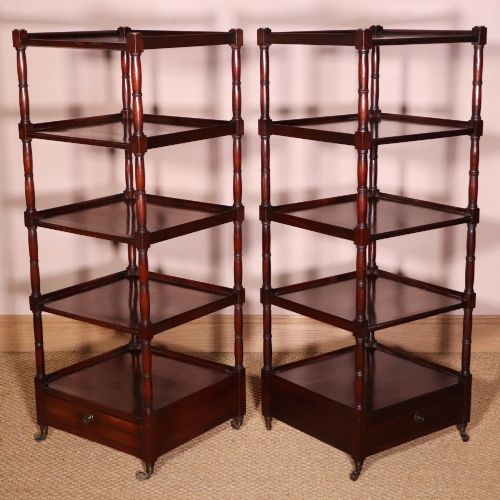
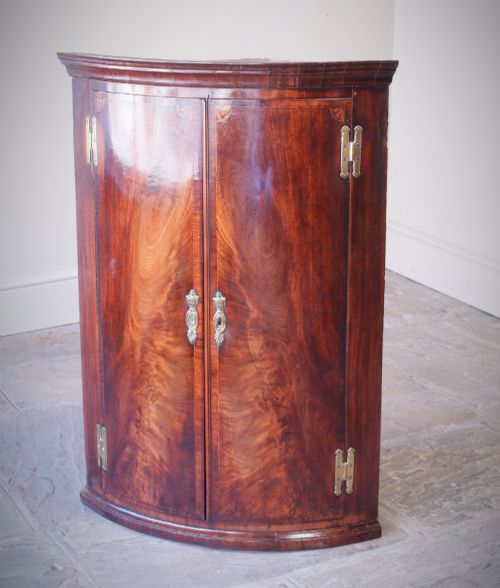
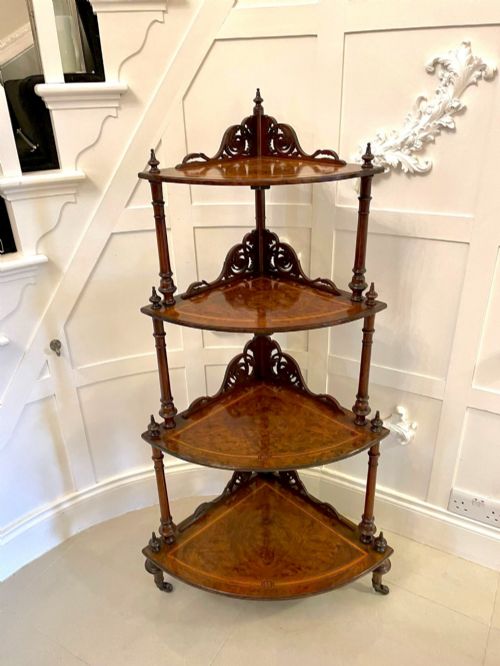
When you search for an antique corner unit, you encounter pieces that span the Georgian, Victorian, and Edwardian periods, utilising awkward room spaces efficiently. The most common forms on this page are corner cupboards, hanging wall cabinets, and tiered whatnots built from timber.
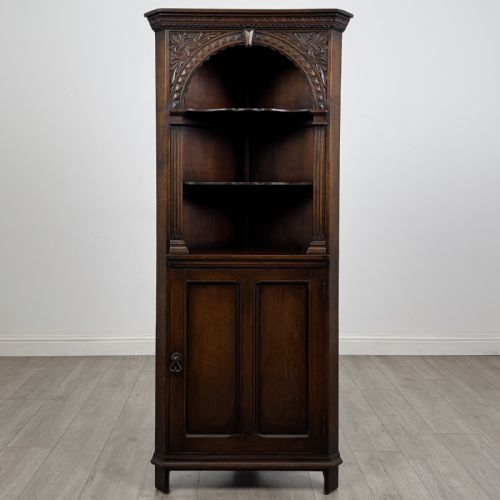
The evidence shows both wall-hanging versions and floor-standing pieces, some constructed in two separate parts for easier movement. Early examples frequently feature sturdy oak or rich mahogany, while later nineteenth-century pieces introduce walnut, pine, and painted finishes.
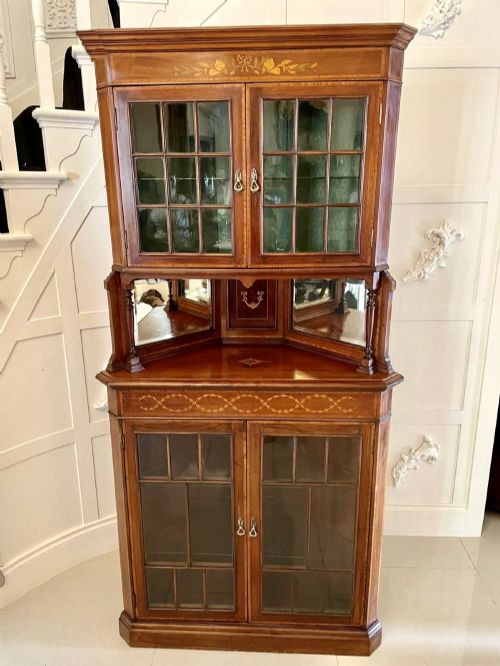
Makers and cabinetmakers produced these items to display prized possessions or to keep domestic items out of sight. Styles range from plain rustic farmhouse pine to refined Sheraton Revival inlaid mahogany with glazed doors.
Construction and materials
Cabinetmakers relied heavily on timber such as mahogany, oak, and walnut, often selecting figured veneers and adding delicate satinwood inlay or brass hardware. Solid pine served for simpler painted or stripped pieces, while glass panels appeared on display-focused cabinets.
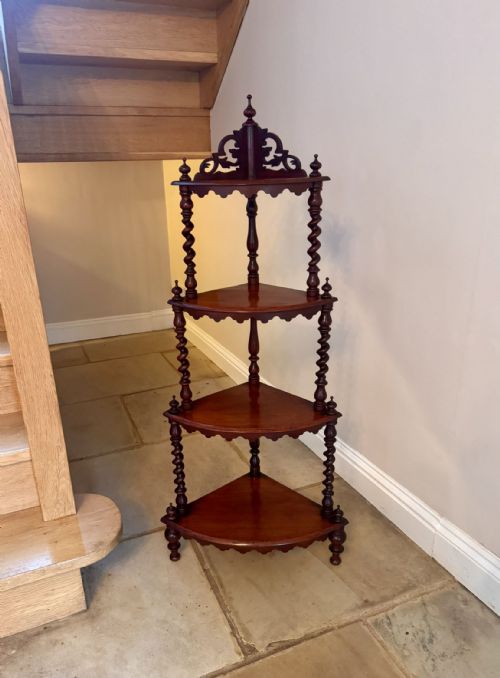
Joinery techniques included sturdy dovetailing for drawers and secure framing for panelled doors, designed to withstand the stress of corner placement. Turning and carving produced decorative elements like barley twist supports and astragal glazing bars.
Antique Corner Unit Retail Price Guide 2026
Typical asking prices for corner unit among the pieces listed under this phrase on Sellingantiques today, from the lower quarter to the upper quarter. They describe what is for sale here now, not the wider market.
Distinguishing quality
The grade of timber and the precision of the cabinetwork define the upper tier of these pieces. Finely figured mahogany, crisp inlay work, and original glazing distinguish superior examples from utilitarian storage.
Proportion and decorative restraint set formal Georgian and Sheraton Revival pieces apart from heavier Victorian or later revival variants. Original brass fittings, working locks with keys, and untouched patination further elevate the standing of a cabinet.
Edwards & Roberts
The Antique Corner Unit Glossary
- Astragal glazed
- Fitted with narrow wooden bars holding individual small panes of glass within a door frame. This technique lightens the visual weight of heavy timber cabinets.
- Bow front
- A convex, outwardly curved cabinet face that projects forward from the corner angles. This shape requires advanced woodworking skill to form accurately.
- Whatnot
- An open-shelved tiered piece of furniture used for displaying ornaments and books. These units often stand in corners or feature rotating designs.
- Inlay
- A decorative technique where contrasting woods or shell are inserted into recessed cavities on the surface. Satinwood frequently provides the pale contrast against dark mahogany.
- Japanned
- Decorated with European interpretations of East Asian lacquerwork, often featuring raised metallic motifs on a dark painted background.
Antique Corner Unit: Frequently Asked Questions
What is an antique corner unit?
An antique corner unit is a piece of furniture built with a ninety-degree angle at the back to slot directly into the corner of a room. These items maximise floor space while offering surface display or enclosed storage.
The listings reveal that these pieces range from small wall-hanging cupboards to large floor-standing cabinets and multi-tiered whatnots dating back to the eighteenth century.
How were corner cupboards used?
Historically, corner cupboards served to store porcelain, glassware, or household provisions in dining rooms and parlours. Their enclosed shelving kept contents free from soot and dust.
Finer glass-fronted examples doubled as display cases for valuable ceramics, allowing owners to showcase their status and collections to visitors.
Are corner units hard to install?
Hanging corner cupboards require secure wall fixings to bear the combined weight of the solid timber construction and its contents. Floor-standing models simply require a level surface against the intersecting walls.
Two-part floor units, found in larger formats, make transportation and positioning simpler by separating the upper display section from the lower cupboard base.
How do I identify the period?
Period identification relies on observing the timber choice, decorative motifs, and construction methods. Georgian pieces often display clean lines in oak or mahogany, while Victorian items lean towards burr walnut and barley twist turnings.
Later Edwardian and Sheraton Revival examples frequently incorporate elaborate satinwood inlay and lighter framing, reflecting the revival tastes of around nineteen hundred.