

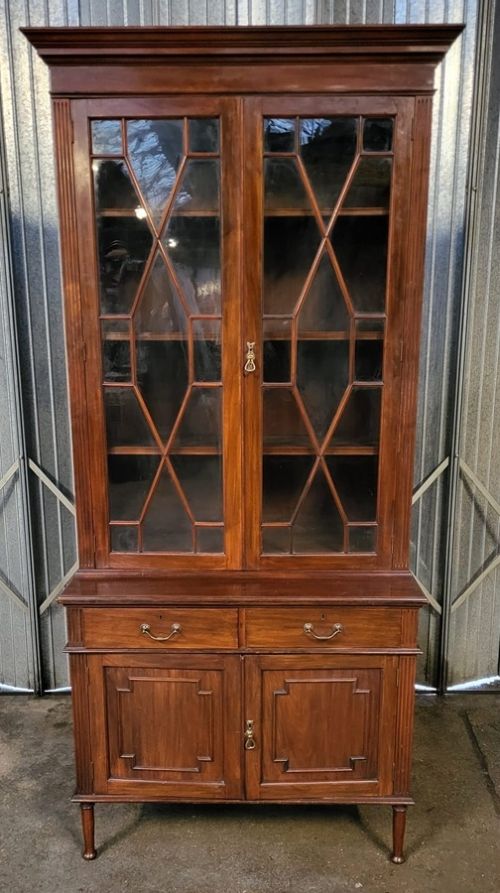
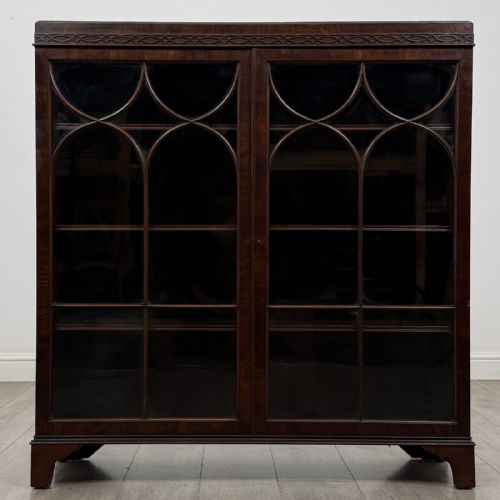
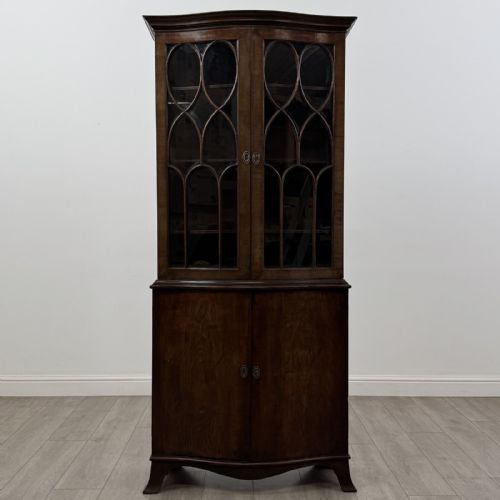
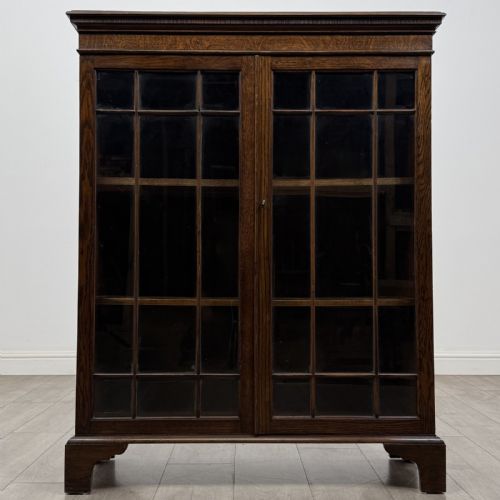
Astragal Glazed Cupboard
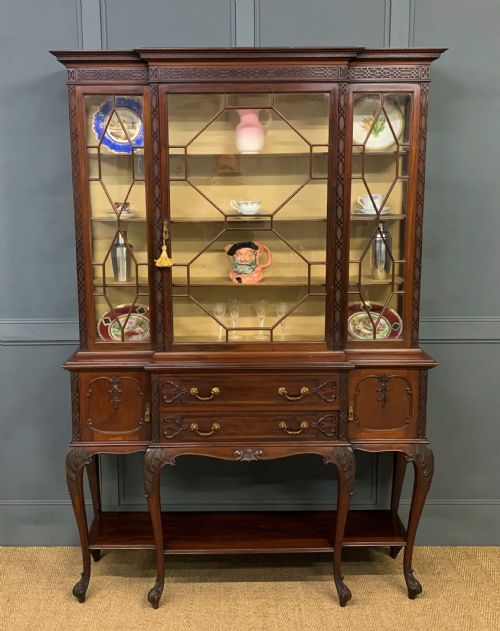
When you search for an astragal glazed cupboard, you are looking for architectural timber framing and fine glass divisions designed to showcase precious volumes and porcelain.
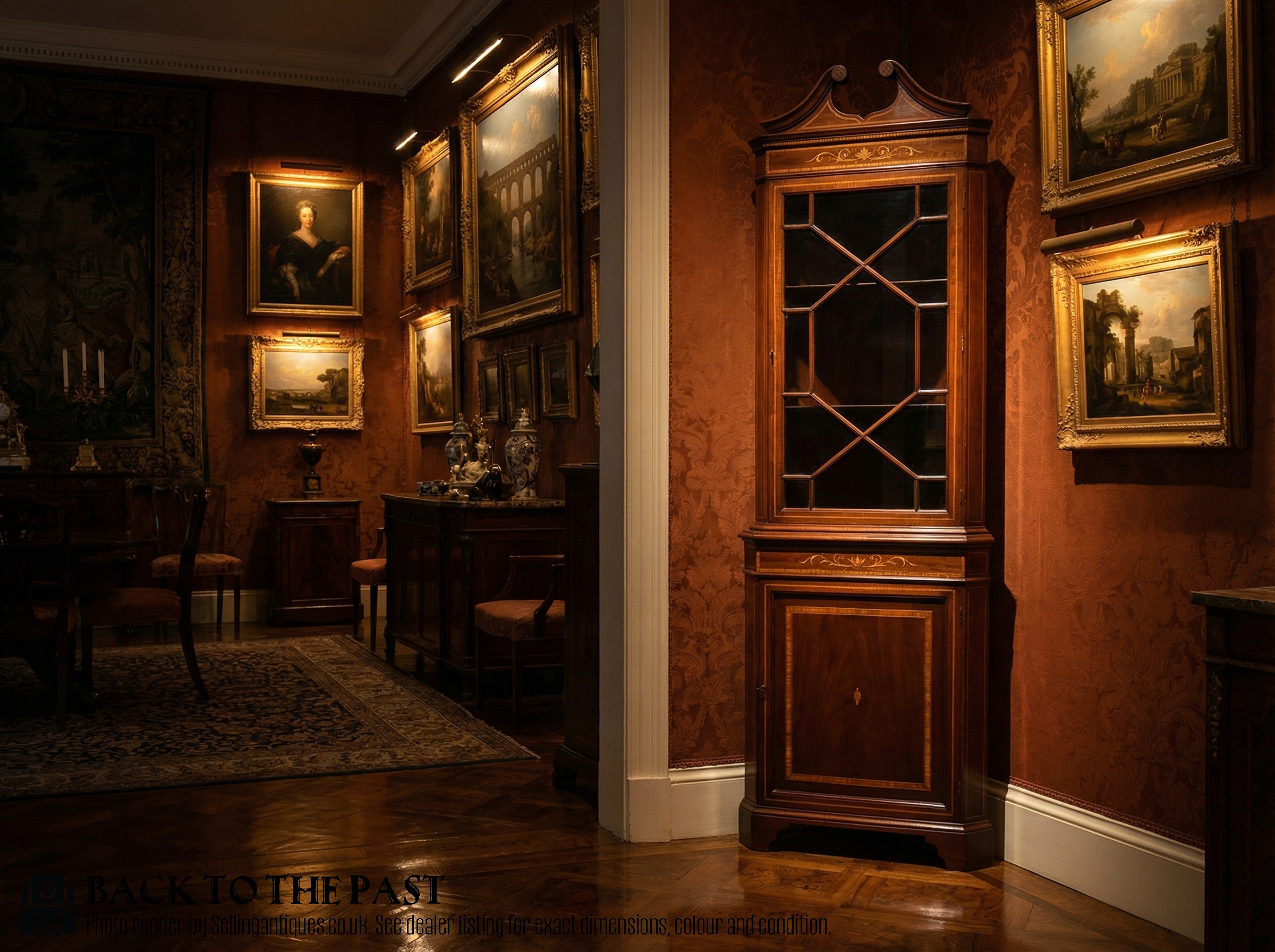
Astragal Glazed Cupboard
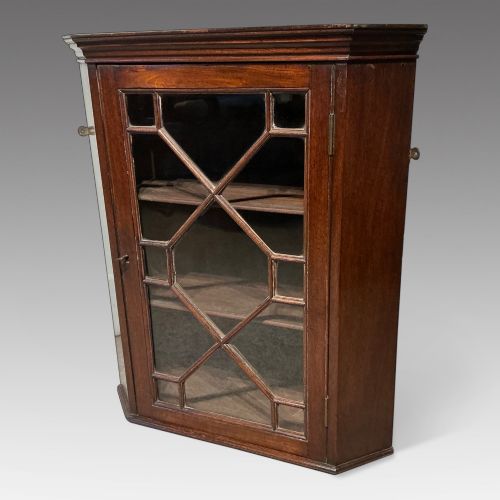
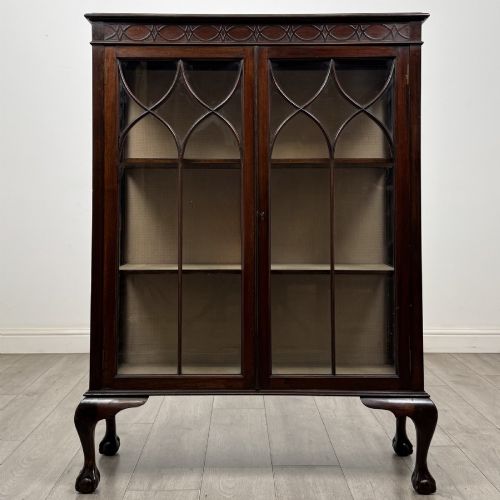
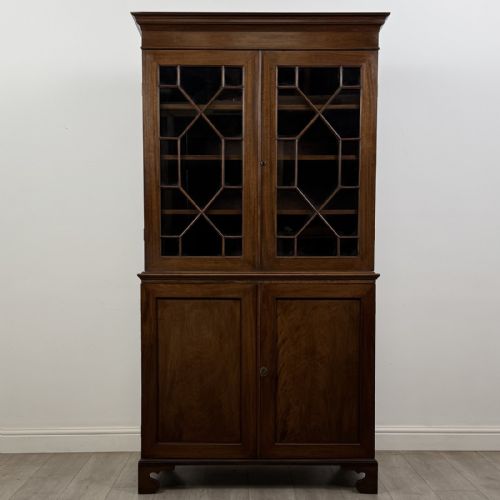
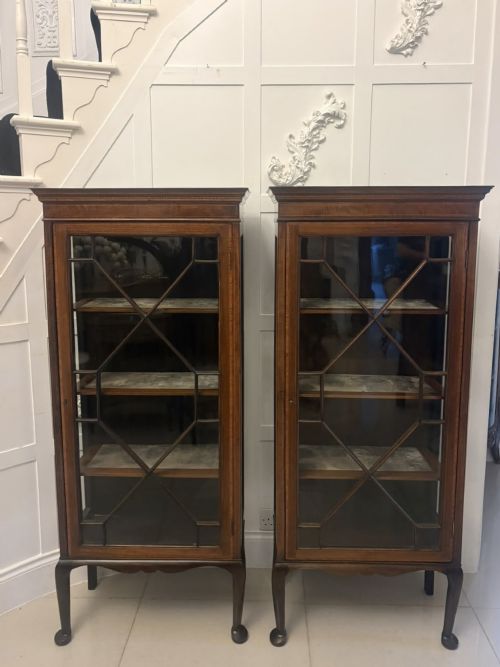
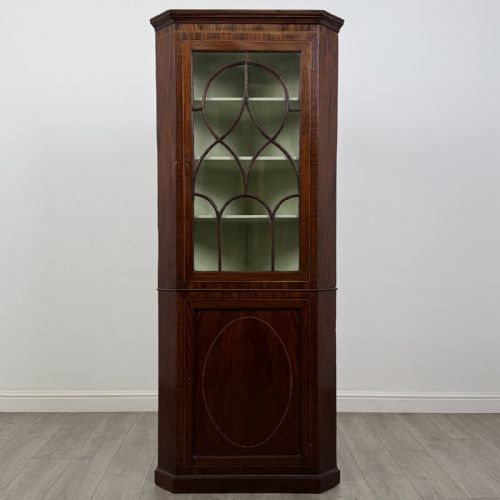
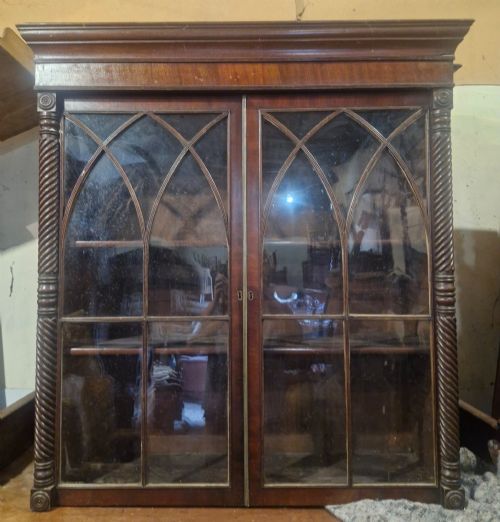
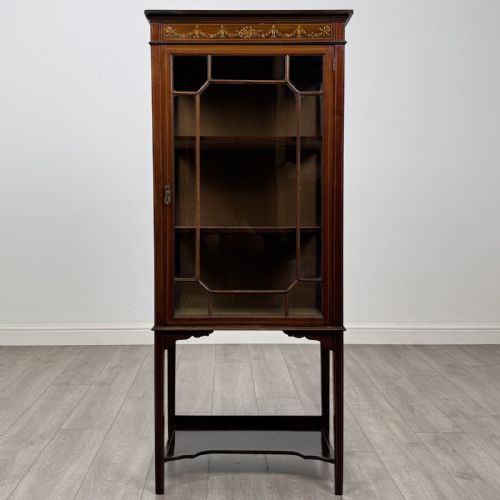
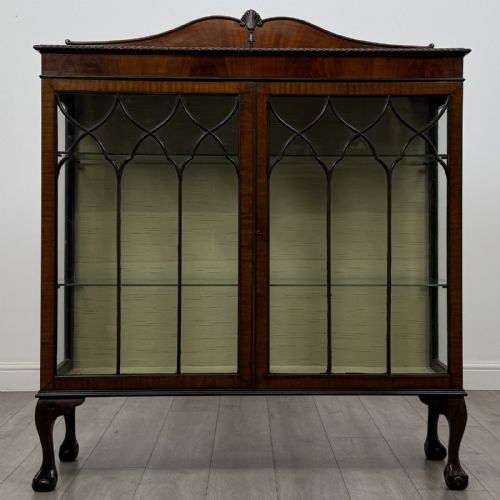
An astragal glazed cupboard unites functional storage with display, appearing across the Georgian, Victorian, and Edwardian periods as bookcases, wall cabinets, and floor-standing corner units.
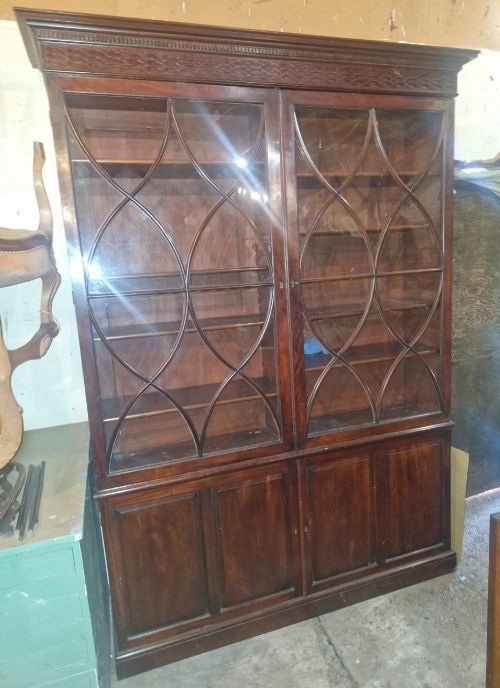
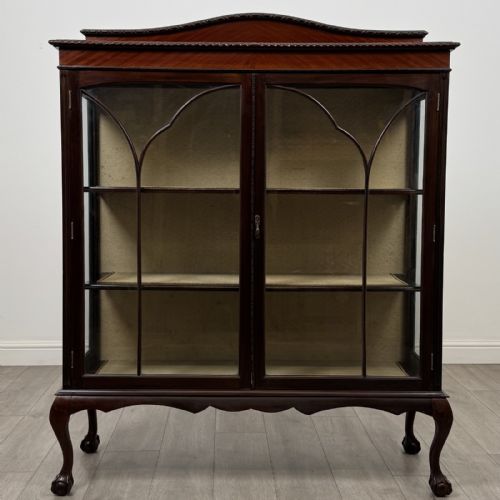
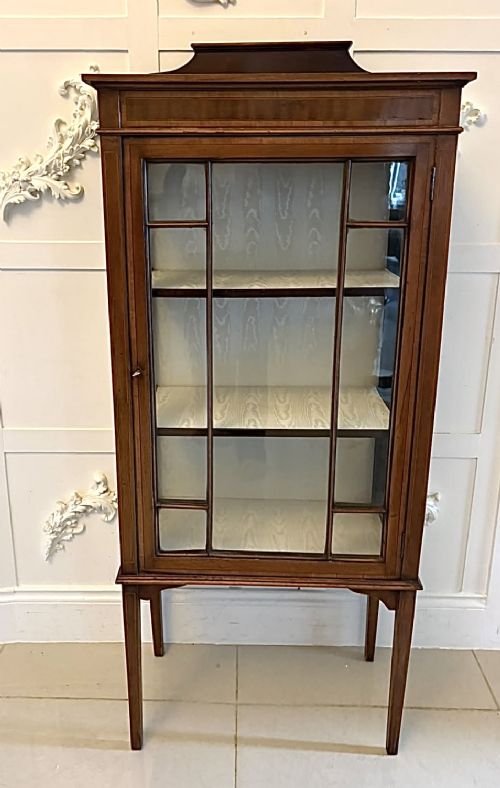
The defining feature is the wooden framework holding individual panes of glass together in geometric or gothic patterns, allowing light to enter while keeping contents secure.
You will most frequently encounter mahogany and oak examples from the nineteenth and early twentieth centuries, ranging from compact hanging wall cupboards to large breakfront libraries.

How they were made
Cabinet makers constructed the primary carcasses using dense timbers such as mahogany, oak, and walnut, frequently incorporating satinwood inlay for decorative contrast.
The distinctive glazing bars were painstakingly shaped by hand from slender timber mouldings to create secure rebated channels for the individual glass panes.
Brass hardware, including hinges, escutcheons, and locks, secured the doors, whilst secondary timbers like pine were used for internal shelving and drawer linings.
Astragal Glazed Cupboard Retail Price Guide 2026
Typical asking prices for astragal glazed cupboard among the pieces listed under this phrase on Sellingantiques today, from the lower quarter to the upper quarter. They describe what is for sale here now, not the wider market.
Several corner cupboards retain their original glass panes, bearing faint ripples and minor air bubbles from early manufacturing processes.
What varies in quality
The refinement of the timber selection dictates the initial tier, moving from utilitarian painted pine up to figured mahogany and meticulously matched grain veneers.
The delicacy and precision of the glazing bars reveal the maker's hand, where slender, perfectly mitred wooden bars demonstrate superior craftsmanship over heavy, clumsy frames.
Proportion and scale separate standard regional pieces from high-status workshop productions, evident in balanced architectural cornices and harmonious inlaid details.
Jas Shoolbred·Gillows·Wylie and Lochhead
The Astragal Glazed Cupboard Glossary
- Astragal
- The moulded bar of timber or metal that holds individual panes of glass within a sash. These delicate divisions form geometric, gothic, or spider-web patterns across the door front.
- Breakfront
- A piece of furniture where the central section projects forward from the flanking wings. This architectural arrangement creates depth and dynamic shadow lines in large bookcases.
- Escutcheon
- A protective plate surrounding a keyhole, usually fashioned from brass. It prevents the timber surrounding the lock from wearing away through repeated use.
- Cornice
- The ornamental mouldings crowning the top of a cabinet. Georgian and Victorian examples often feature dentil or dental details carved directly into the timber.
- Inlay
- A decorative technique where contrasting woods such as satinwood are fitted into recessed cavities within the primary surface. This creates crisp linear or floral ornamentation.
Astragal Glazed Cupboard: Frequently Asked Questions
What is an astragal glazed cupboard?
An astragal glazed cupboard is a piece of furniture featuring wooden glazing bars that divide glass doors into smaller panes. These cabinets were designed to display books and porcelain safely while protecting them from dust.
They appear in various forms, including wall-hanging corner cupboards, tall bookcases, and floor-standing display cabinets across multiple historical periods.
How do I date an antique cabinet?
Dating relies on examining the timber species, construction methods, and prevailing architectural styles. Georgian pieces often feature heavier cornice details and solid mahogany, whereas Edwardian versions frequently utilise lighter satinwood inlay.
Secondary woods inside drawers, backboards, and the profile of the glazing bars also offer reliable clues to the era of manufacture.
Where were corner cupboards placed?
Corner cupboards were specifically designed to utilise empty room angles efficiently, particularly in smaller dining rooms and parlours. Wall-hanging versions freed up floor space, while floor-standing models anchored empty corners.
Their curved or bow-ended fronts softened the hard geometry of room junctions.
How do I care for antique mahogany?
Antique mahogany benefits from consistent indoor humidity levels away from direct heat sources and strong sunlight, which can fade polished surfaces. Regular dusting with a soft, dry cloth preserves the patina.
Application of appropriate natural waxes helps nourish the timber grain without building up excessive residue over time.