


Antique Corner Bookcase
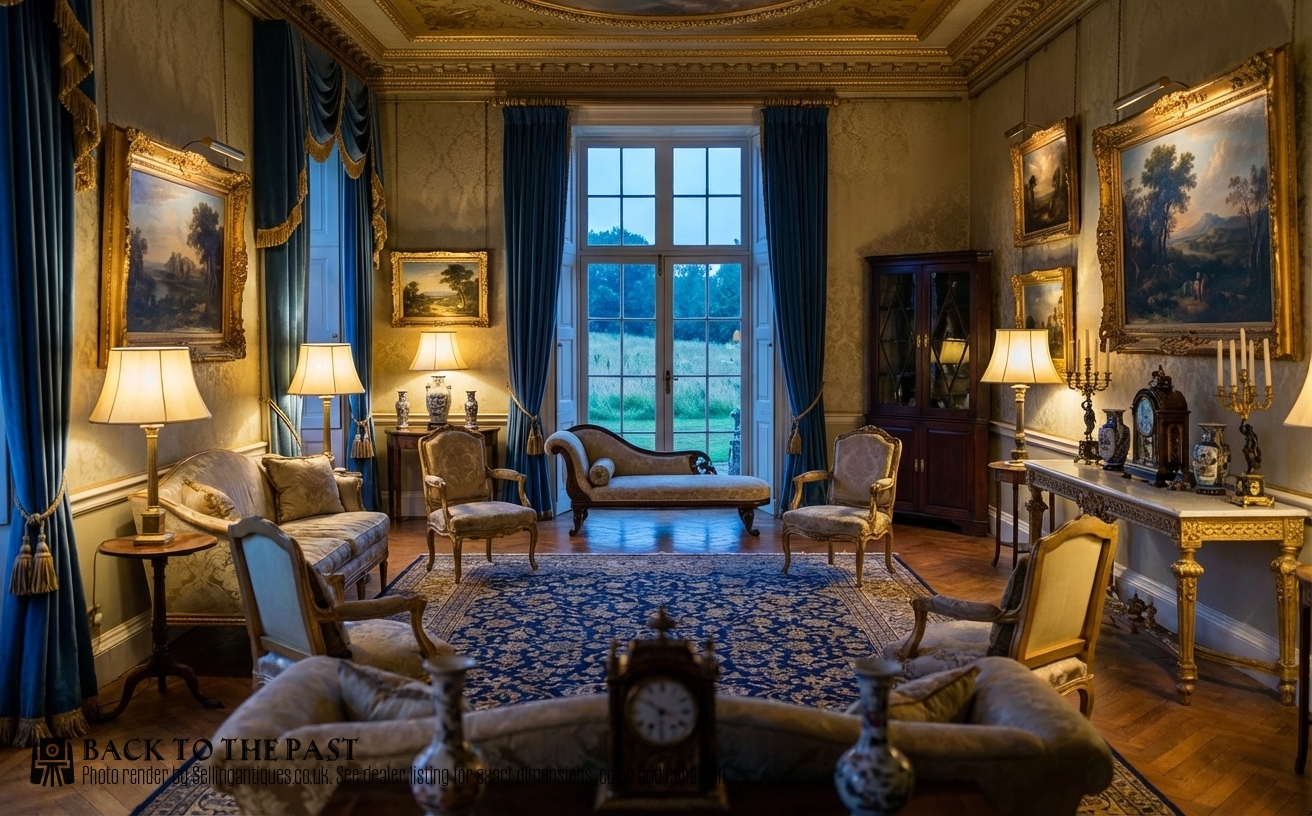
An antique corner bookcase turns dead room space into a showcase for books and treasures, bringing proportion to awkward angles.
Antique Corner Bookcase
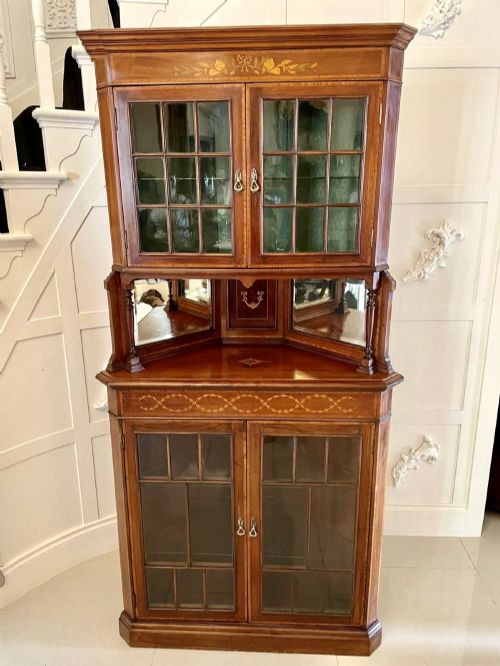
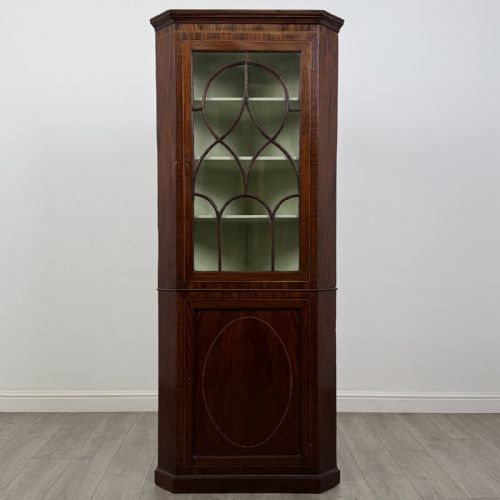
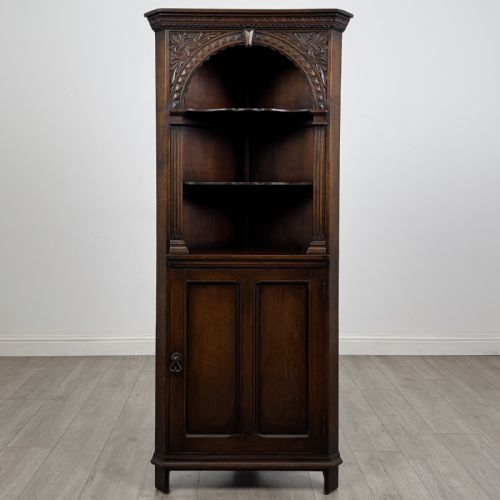
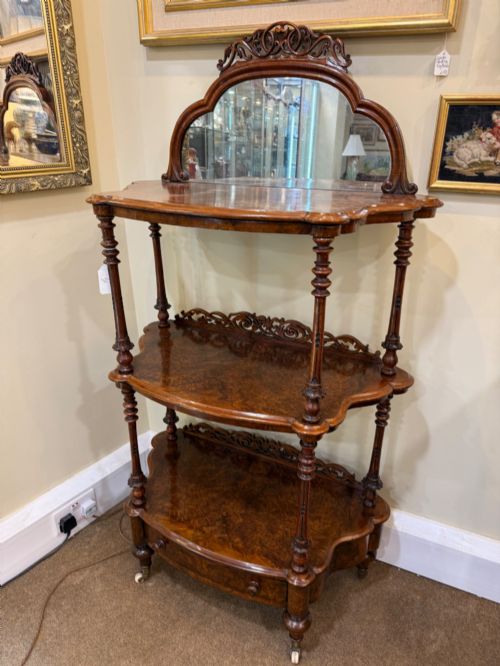
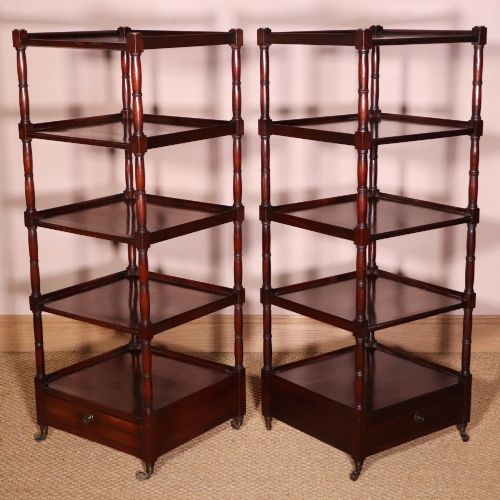
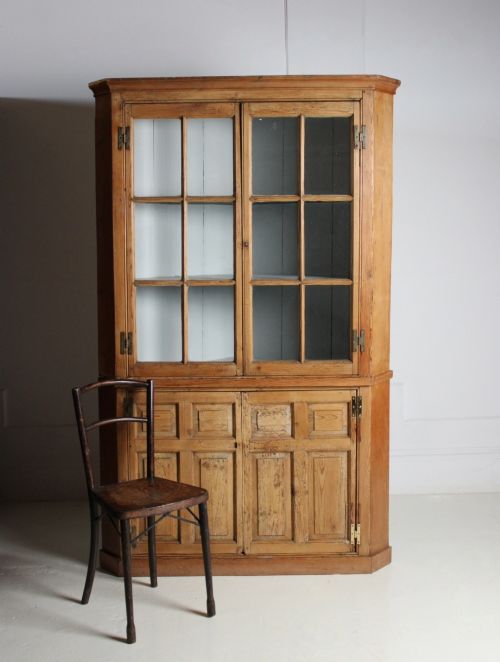
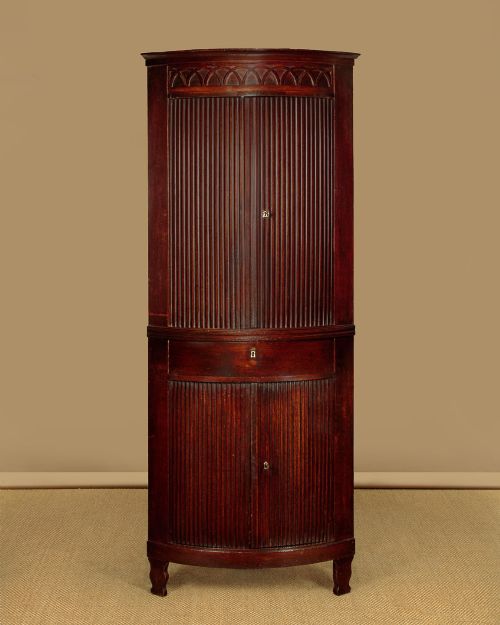
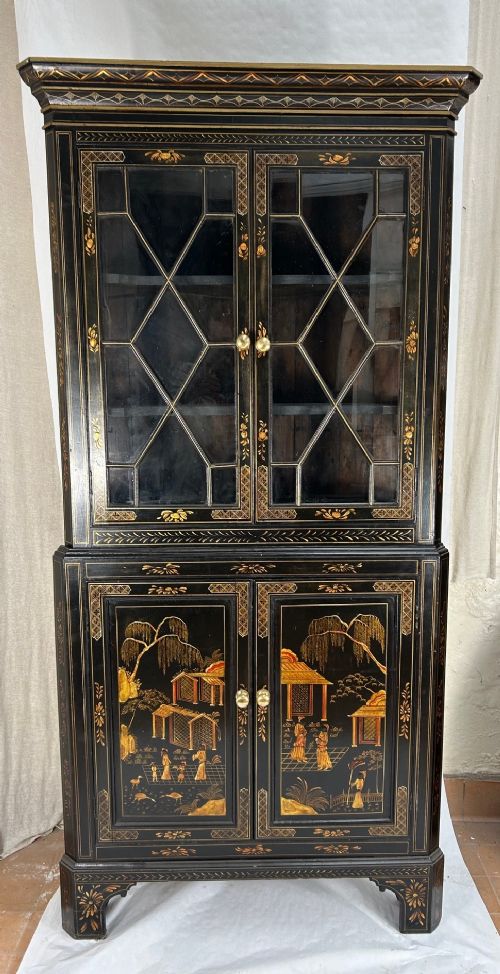
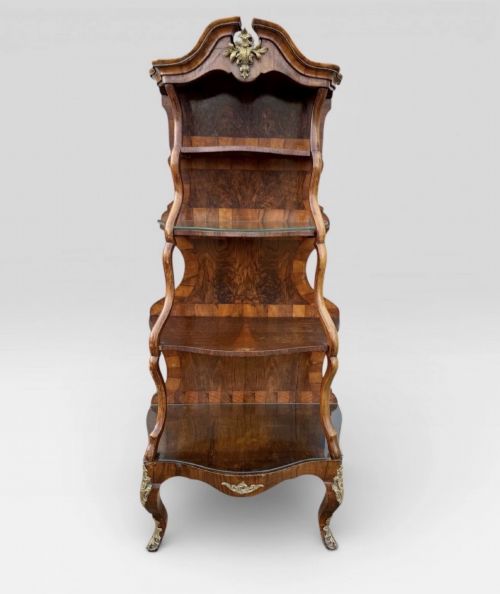
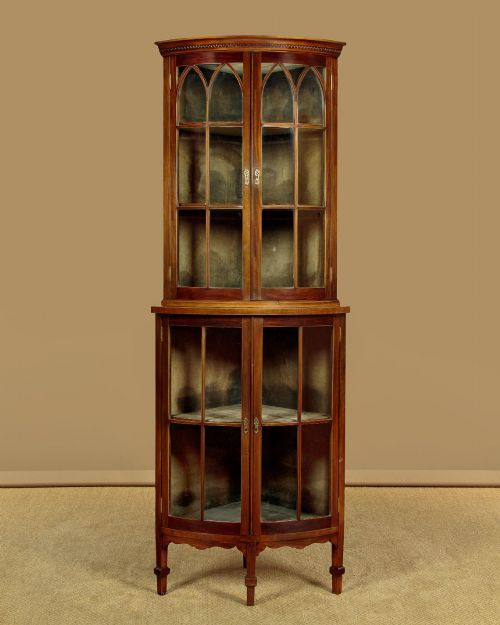
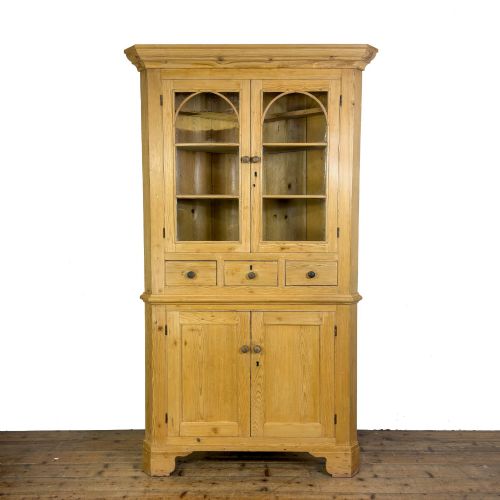
When you search for an antique corner bookcase, you encounter fitted architectural furniture designed to fill ninety-degree room angles with shelving and display space. The pieces take various forms, from double-height standing units to multi-tiered whatnots and glazed display cupboards that bridge the Georgian, Victorian and Edwardian eras.
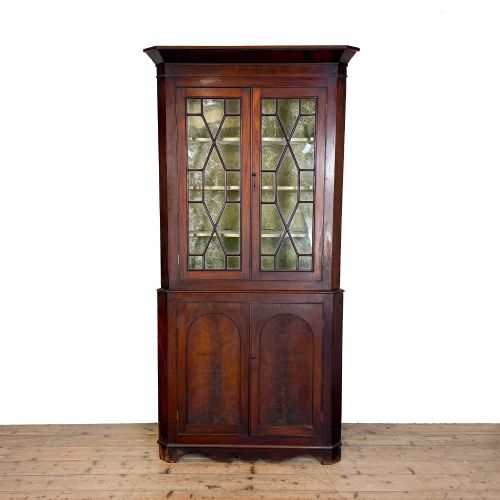
You meet mahogany most frequently, often inlaid with satinwood or featuring glass doors to protect volumes and display objects. The selection ranges from compact two-part cabinets to towering Georgian and Edwardian examples built to make use of neglected room corners.
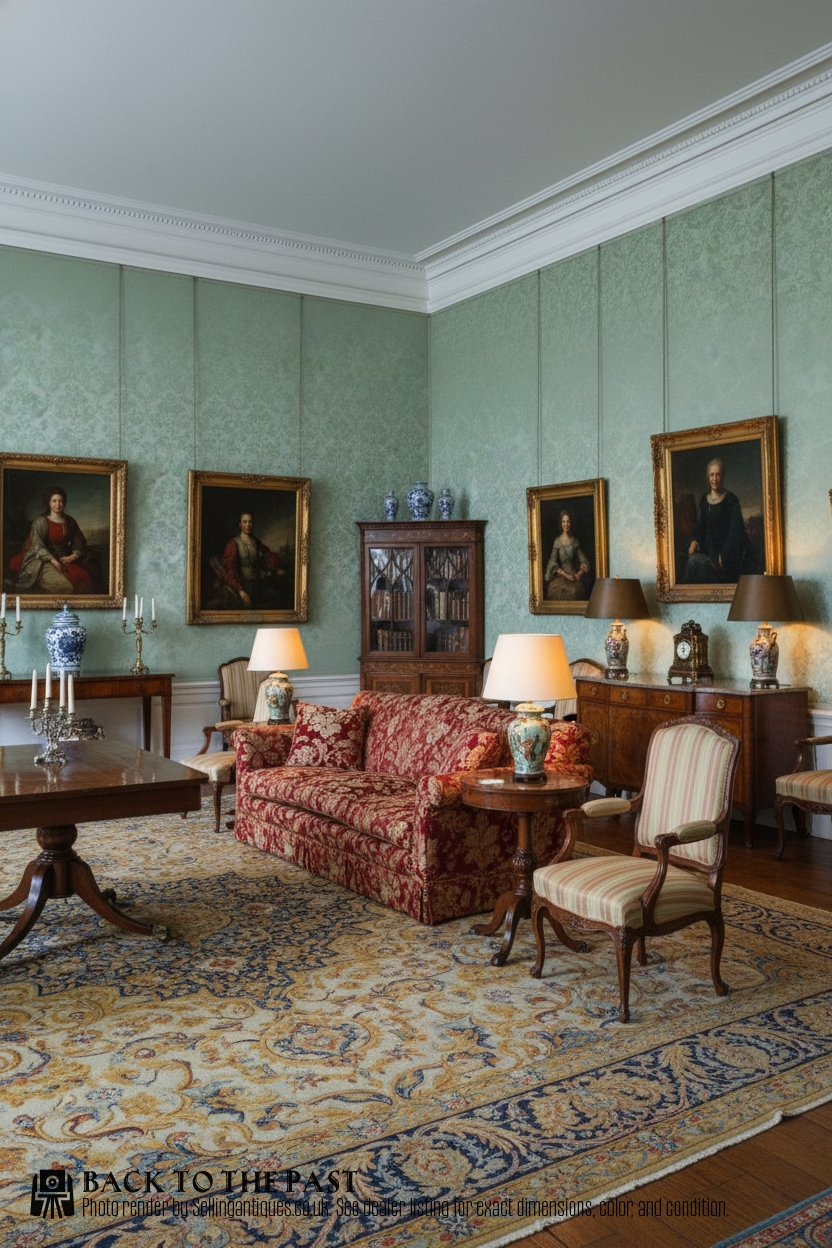
How they were made
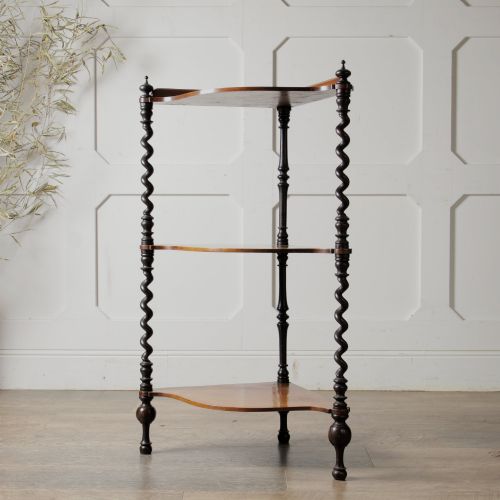
Cabinet makers built these pieces primarily from solid and veneered timbers such as mahogany, walnut, rosewood and pine, selecting woods that responded well to turning and polishing. Workshops applied structural details like barley twist supports, brass mounts and delicate satinwood inlay to enrich the timber surfaces.
Glazing techniques included pitch glazing and astral frames to secure glass panels within the cabinet doors. Carpenters shaped the carcases to fit flush against intersecting walls, employing tongue-and-groove joints and bracket feet for stability.
Antique Corner Bookcase Retail Price Guide 2026
Typical asking prices for corner bookcase among the pieces listed under this phrase on Sellingantiques today, from the lower quarter to the upper quarter. They describe what is for sale here now, not the wider market.
Periods represented span from the 18th century and Georgian era through Victorian, Edwardian, and Art Deco up to the mid 20th century.
What varies in quality
The degree of refinement in the timber preparation and inlay work separates standard utility cupboards from pieces commissioned for formal rooms. Choice veneers, balanced grain matching and crisp marquetry indicate a higher standard of workshop production.
Proportion and architectural detail also distinguish the range, as better examples integrate pediments, cornices and glazing bars with careful geometric precision. The handling of secondary woods and the execution of turned elements reveal the skill invested by the maker.

Maurice Adams·Goodhall, Lamb and Heighway of Manchester
The Antique Corner Bookcase Glossary
- Whatnot
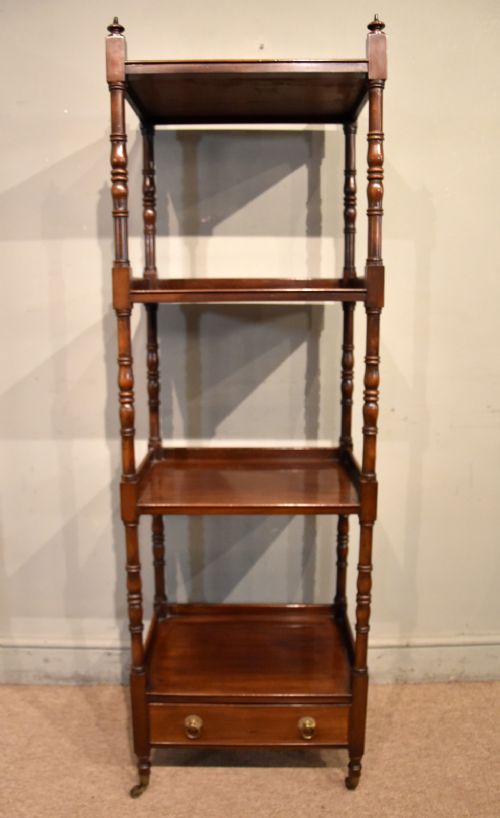
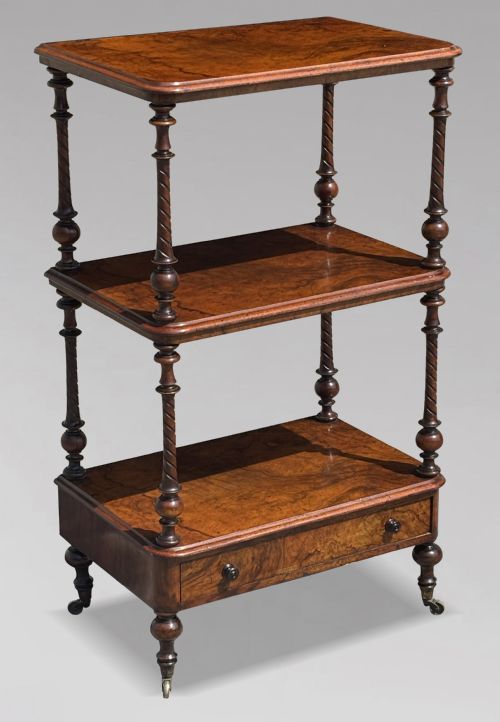
- A piece of open shelving standing on tiers, used for displaying ornaments and small books. These versatile stands appear in walnut, mahogany and rosewood across the Victorian period.
- Astral glazed
- A method of dividing glass door panels into smaller panes using slender wooden bars. This technique characterises finer Georgian and Edwardian display cabinets.
- Marquetry
- The art of forming decorative patterns on woodwork by fitting together thin veneers of different timbers. Edwardian pieces frequently utilise this method with satinwood on a mahogany ground.
- Barley twist
- A turned wooden column resembling the spiral twist of barley sugar. The style is common on Victorian supports and shelf uprights.
- Serpentine
- A curved line of furniture moulding that undulates gently outward and inward. This shape appears on the fronts of 19th century cabinets and display tables.
Antique Corner Bookcase: Frequently Asked Questions
Where should I place a corner bookcase?
These units fit directly into any right-angled room corner, transforming wasted wall junctions into functional storage. They work effectively in studies, sitting rooms and hallways where standard rectangular bookcases would obstruct foot traffic.
Because they draw the eye toward architectural angles, they help balance irregular room proportions while keeping floor space open.
How do I date an antique corner cabinet?
Dating relies on observing timber choices, construction methods and decorative styles recorded across the 18th, 19th and 20th centuries. Georgian pieces often display heavy cornices and astral glazing, while Victorian examples introduce burr walnut, rosewood and turned barley twist supports.
Edwardian cabinets frequently show satinwood inlay and Sheraton Revival motifs, whereas later 20th century pieces adopt streamlined Art Deco or campaign influences.
Can these cabinets hold heavy books?
Most standing corner cupboards and bookcases feature sturdy timber shelving designed to support substantial volumes. The internal shelves of Georgian and Victorian iterations utilise solid mahogany, oak or pine fixed securely within the carcase.
For open whatnots or lighter display tiers, weight distribution requires more care, but enclosed cabinets offer robust storage for libraries.
What is the difference between a corner cupboard and a whatnot?
A corner cupboard provides enclosed storage behind wooden or glass doors, keeping contents protected from dust and light. They suit formal dining rooms and studies where books or porcelain require containment.
A whatnot consists of open tiered shelving designed specifically for decorative display, popular throughout the Victorian era for holding small ornaments and accessible volumes.
Did corner bookcases come in sections?
Larger examples, particularly from the Georgian and 20th century periods, often comprise two separate stacked sections to facilitate transport. These two-part cabinets feature a base cupboard supporting an upper glazed bookcase or display unit.
Single-piece standing units and wall-hung cupboards also occur frequently, depending on the height and intended placement of the furniture.