

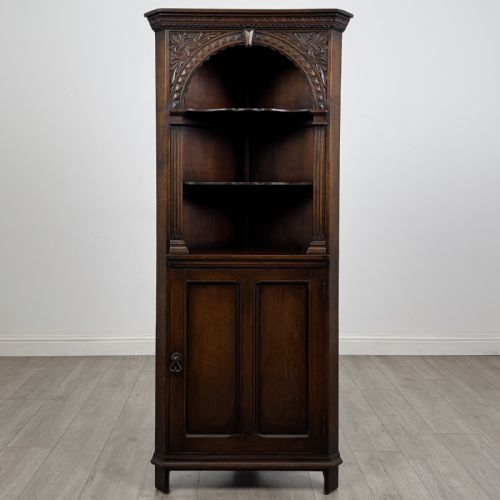
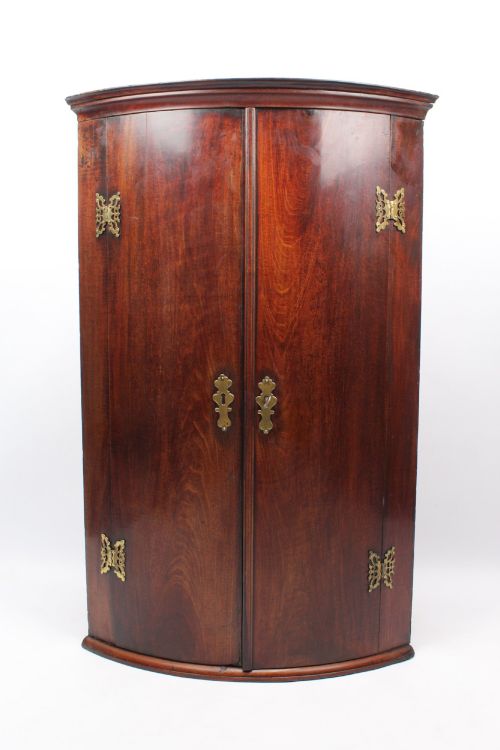
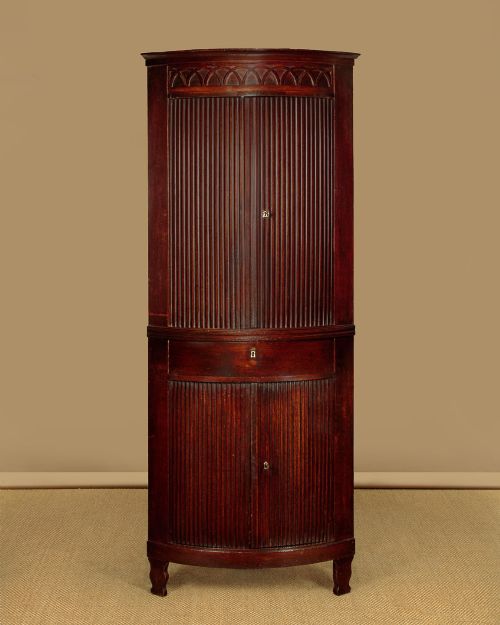
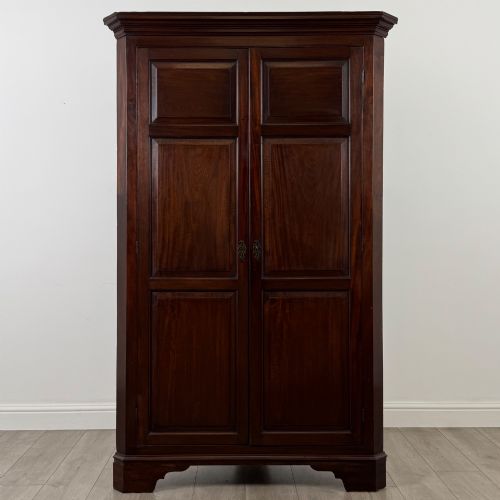

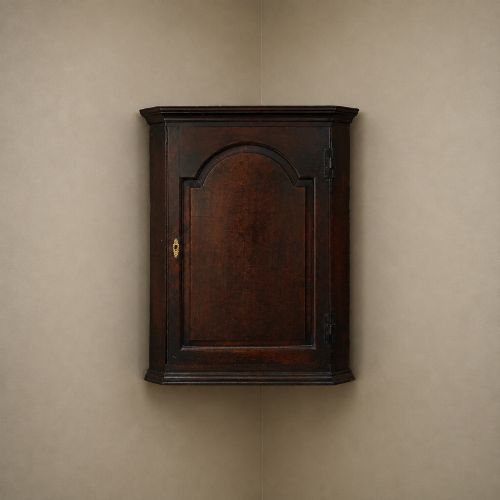
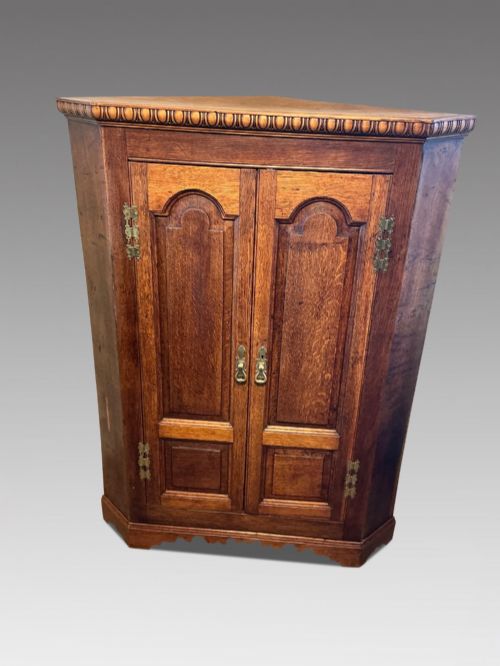
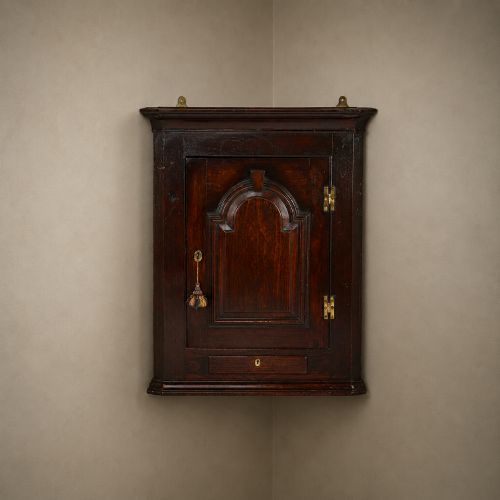
Dark Wood Corner Cupboard
A dark wood corner cupboard turns dead room angles into display space, bringing rich grain and period character to neglected corners.
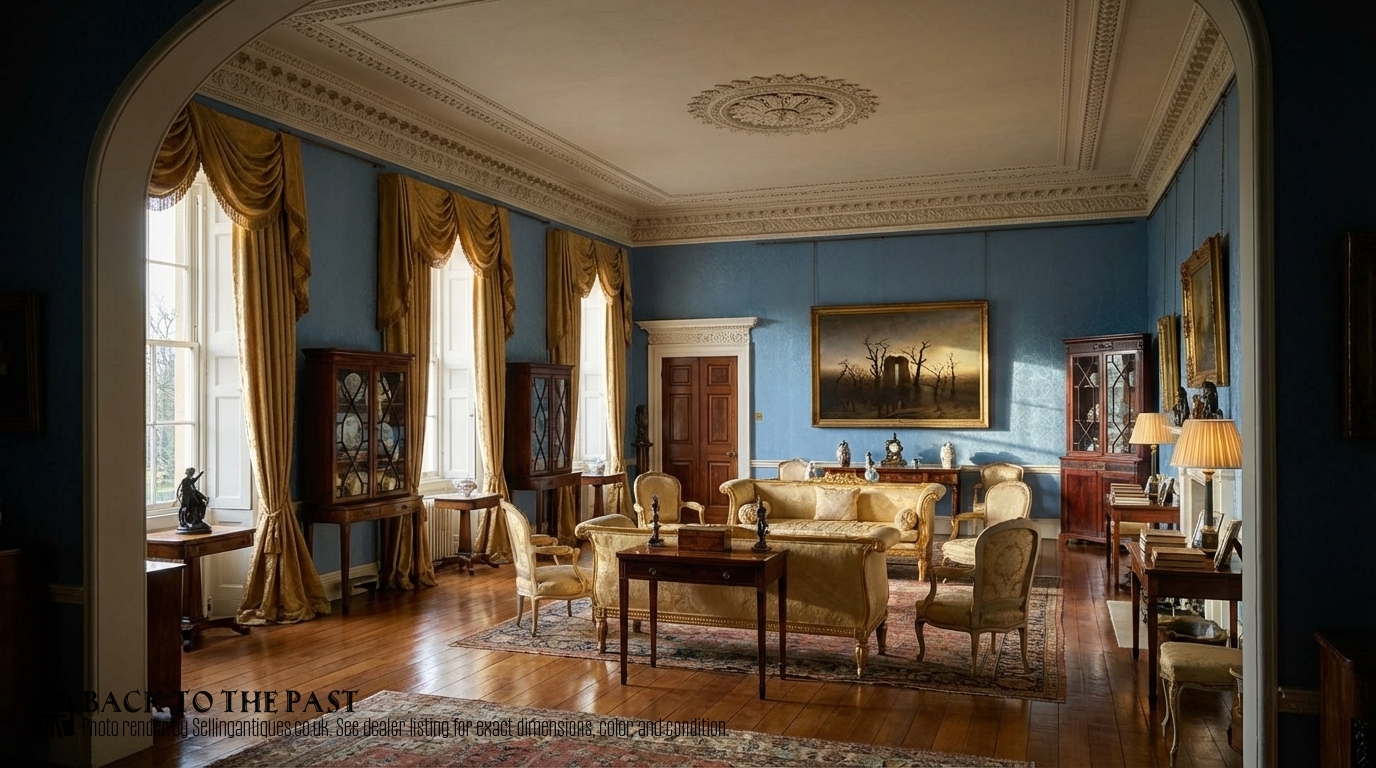
Dark Wood Corner Cupboard
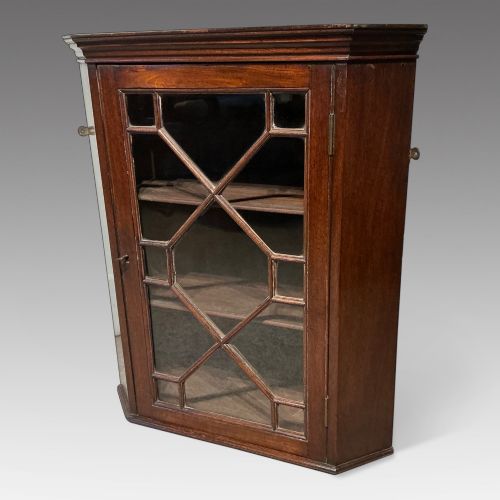
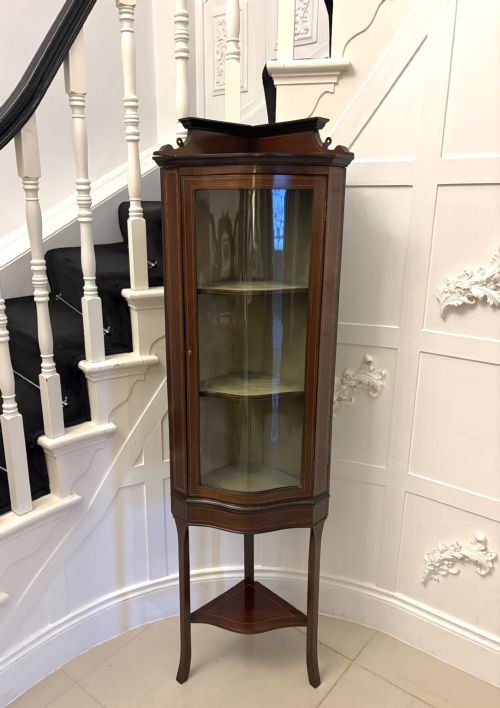
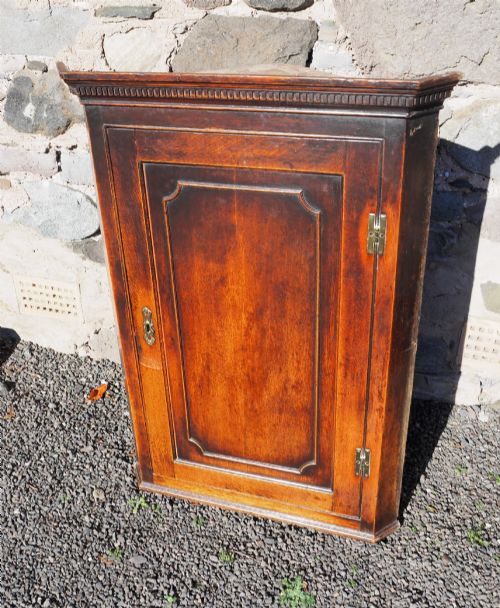
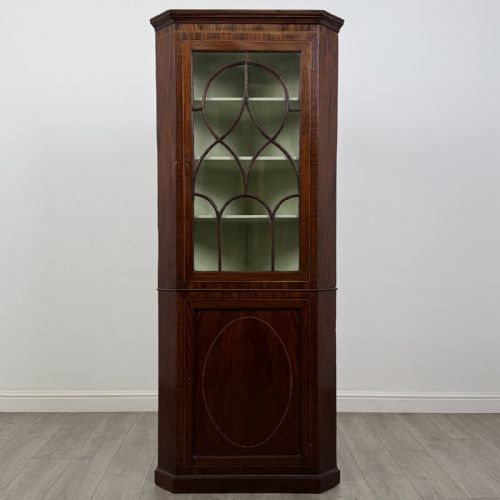
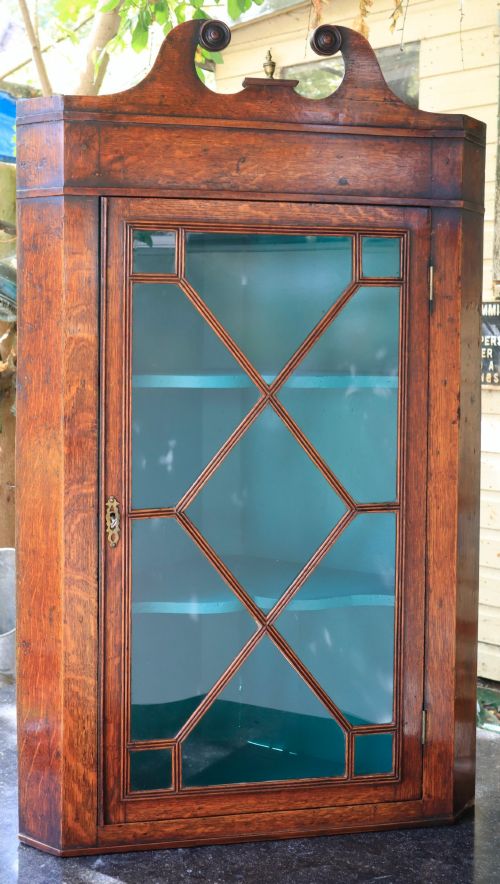
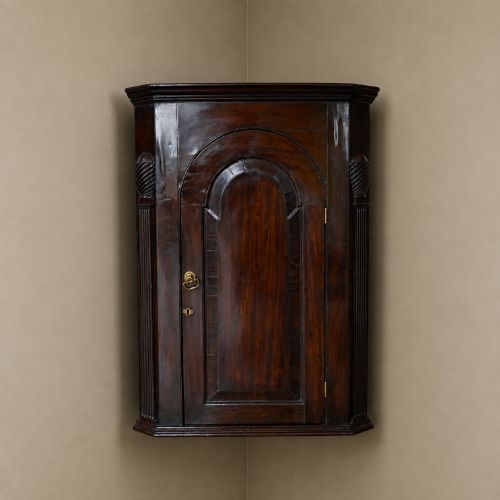
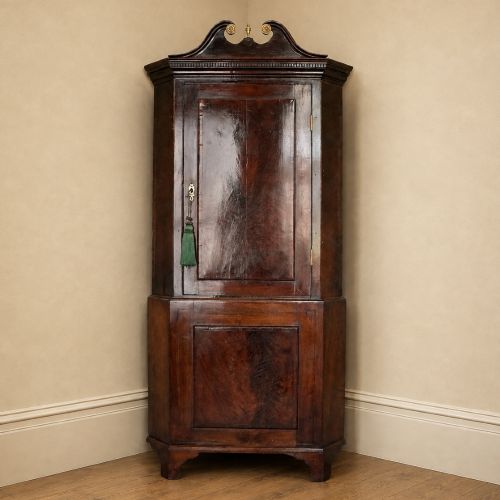
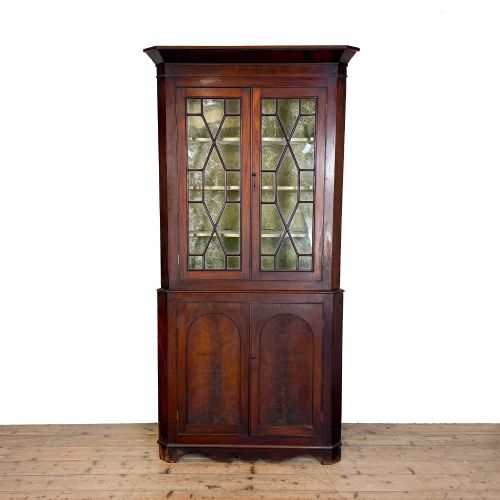
A dark wood corner cupboard solves spatial challenges by fitting snugly into room angles while providing storage or display. These pieces appear in forms ranging from wall-hanging units to floor-standing and double-height cabinets.
The selections span Georgian, Victorian, and Edwardian periods alongside revival styles such as Jacobean and George III. Buyers will frequently encounter mahogany and oak variations, often featuring bow fronts, glazed doors, or inlaid satinwood details.
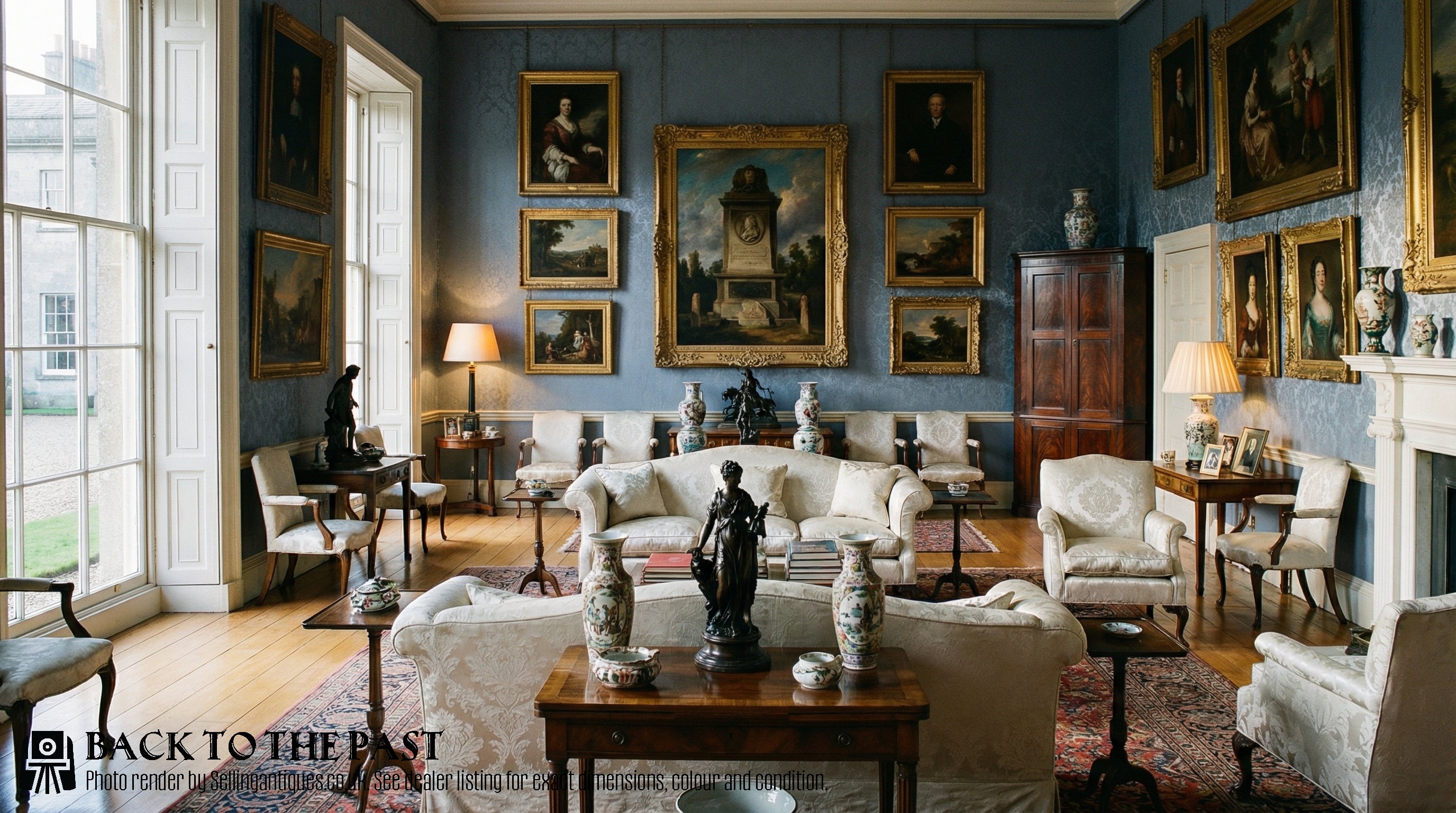
Materials and Construction
Cabinet makers utilised dense timbers like mahogany, oak, rosewood, and teak to construct durable frames capable of holding internal shelving. Satinwood inlay and brass hardware frequently accent the darker primary woods.
Glazed panels appear on display variants, while hanging models incorporate sturdy bracket systems to secure the weight safely to room walls.
Dark Wood Corner Cupboard Retail Price Guide 2026
Typical asking prices for dark wood corner cupboard among the pieces listed under this phrase on Sellingantiques today, from the lower quarter to the upper quarter. They describe what is for sale here now, not the wider market.
An unusual veranda gin cabinet from Ceylon brings tropical teak woodwork directly into British corner spaces.
Judging Quality
The calibre of a dark wood corner cupboard rests upon the selection of timber grain, the crispness of cabinet-maker joinery, and the integrity of original pediments or brass fittings. Superior examples display balanced proportions and refined marquetry or inlay work.
Pieces bearing documented workshop attribution or unusual structural configurations, such as double-height formats or stands, separate standard utilitarian storage from finer decorative examples.
Edwards & Roberts·Goodhall, Lamb and Heighway of Manchester
The Dark Wood Corner Cupboard Glossary
- Bow front
- A convexly curved cabinet front that projects outward from the corner angles. This shape softens the room's geometry and requires skilled joinery.
- Hanging corner cupboard
- A wall-mounted storage unit designed to attach securely across a room intersection. These pieces save floor space while offering eye-level display.
- Double height
- A tall cabinet structure featuring an upper display section placed above a lower cupboard base. This configuration maximises vertical storage capacity.
- Marquetry
- Decorative patterns formed by fitting small pieces of veneer into wooden panels. Craftsmen utilise contrasting timbers like satinwood to create detailed motifs.
- Pediment
- The decorative architectural structure surmounting the top of a cabinet. Elaborate versions include broken arch designs.
Dark Wood Corner Cupboard: Frequently Asked Questions
Where should I place a corner cupboard?
These cabinets suit empty room junctions in dining rooms, hallways, or sitting areas where standard furniture leaves awkward gaps. They draw the eye upward and utilise vertical angles efficiently.
Ensure the wall structure can support hanging models safely, particularly for heavier mahogany or oak variations.
How do I distinguish Georgian from Edwardian pieces?
Georgian examples often feature solid mahogany construction with simpler architectural mouldings, dating from the eighteenth century. Edwardian pieces frequently incorporate lighter marquetry inlay and revival styling from around nineteen hundred.
Examine the backboards and interior construction methods to help confirm the manufacturing period.
Can these cabinets hold heavy items?
Floor-standing and double-height versions possess sturdy bases capable of supporting substantial loads of books or crockery. Wall-hanging models rely entirely on secure wall fixings for their load capacity.
Check the internal shelf supports and hanging brackets before loading heavy porcelain or glassware.
What is a pot cupboard?
A pot cupboard historically served as a small bedside cabinet designed to enclose a chamber pot. In corner formats, these compact units fit neatly into smaller spaces.
They function well as bedside tables or small accent stands today.