
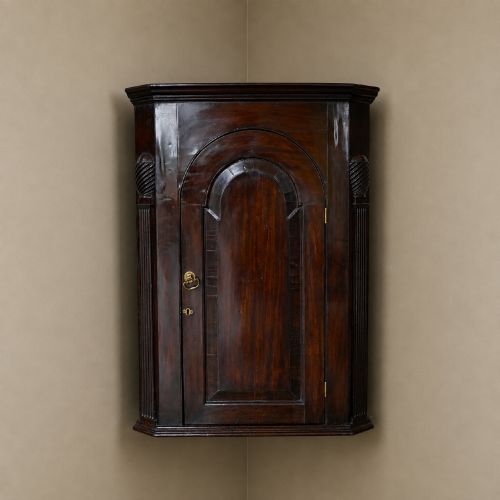
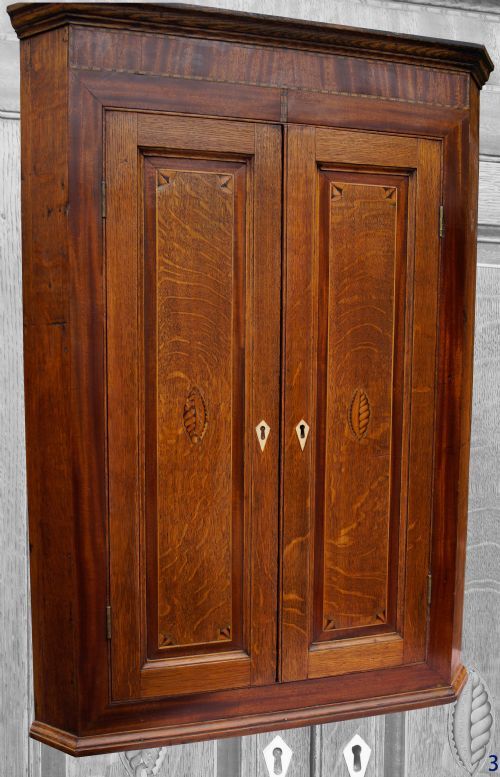
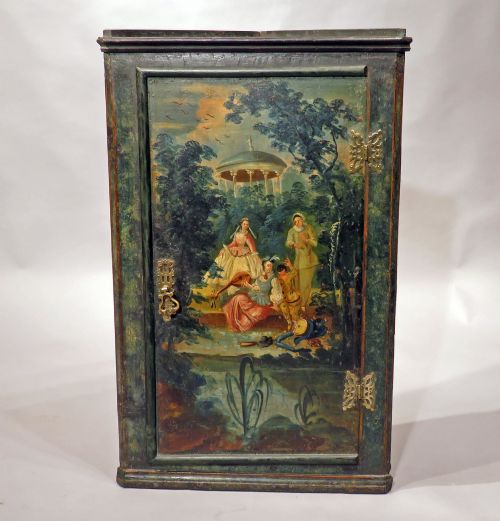
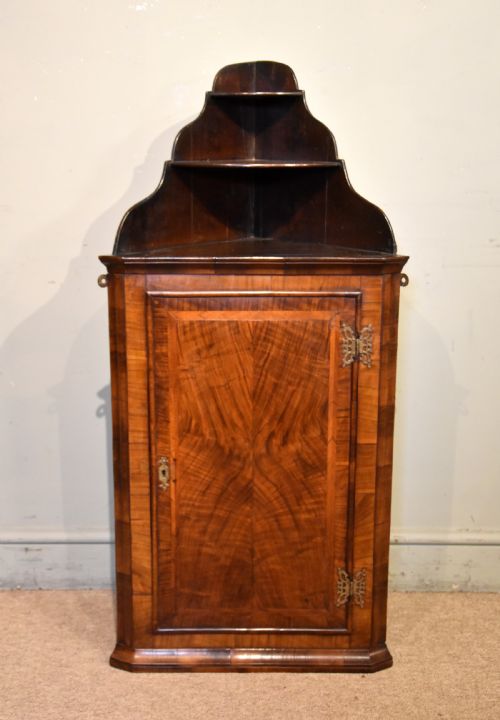
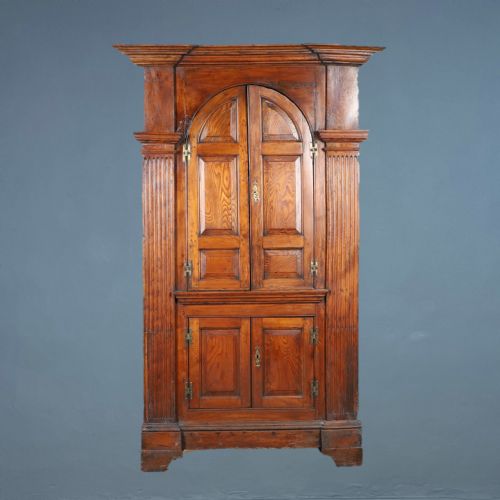
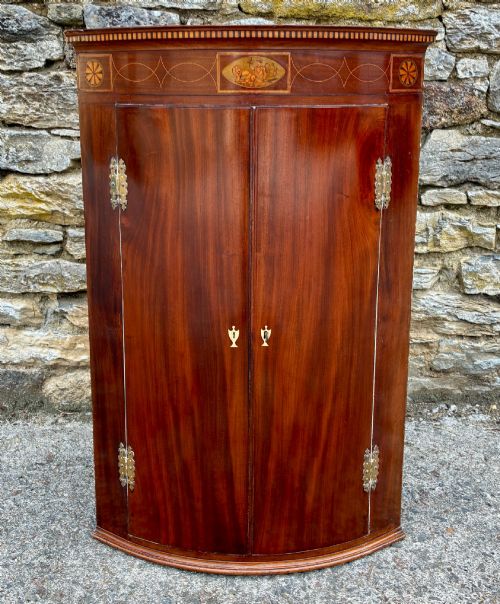
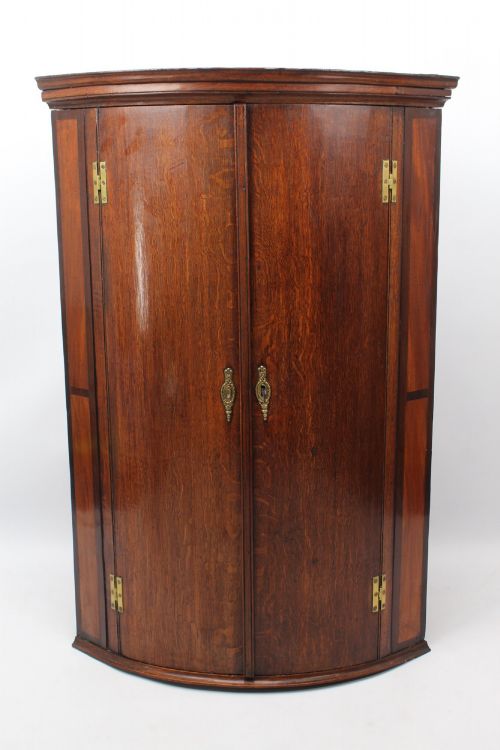

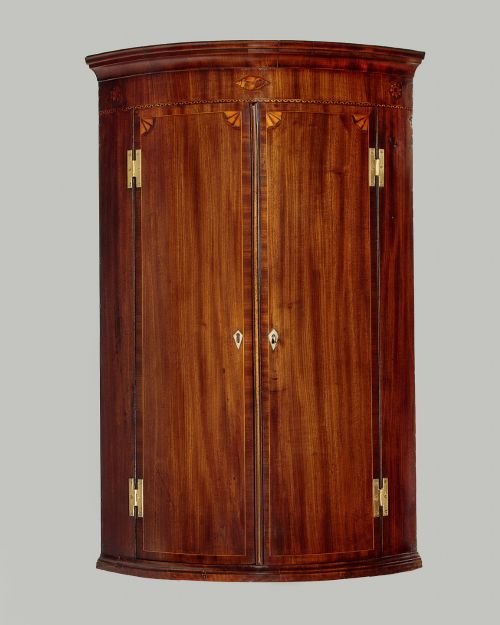
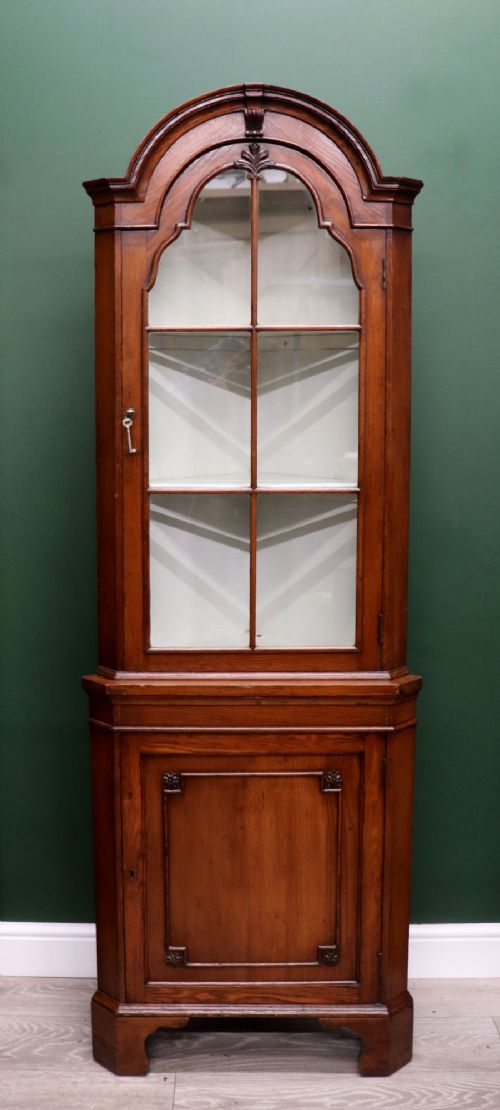
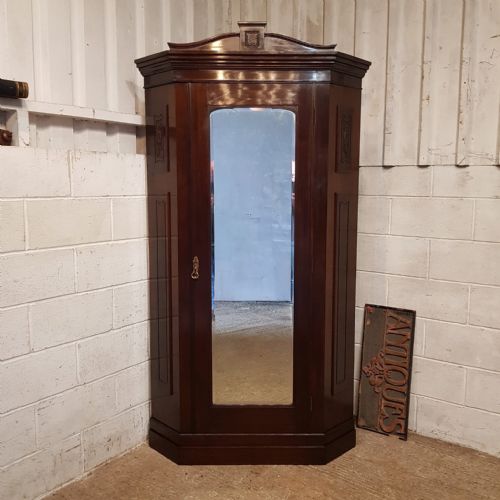
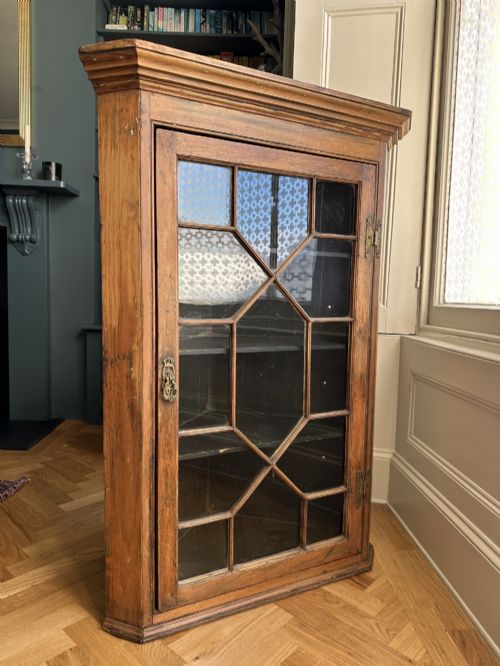
Antique Wooden Corner Cupboard
An antique wooden corner cupboard turns dead room into display space, offering clever architectural storage built to fit right into the angles of a room.
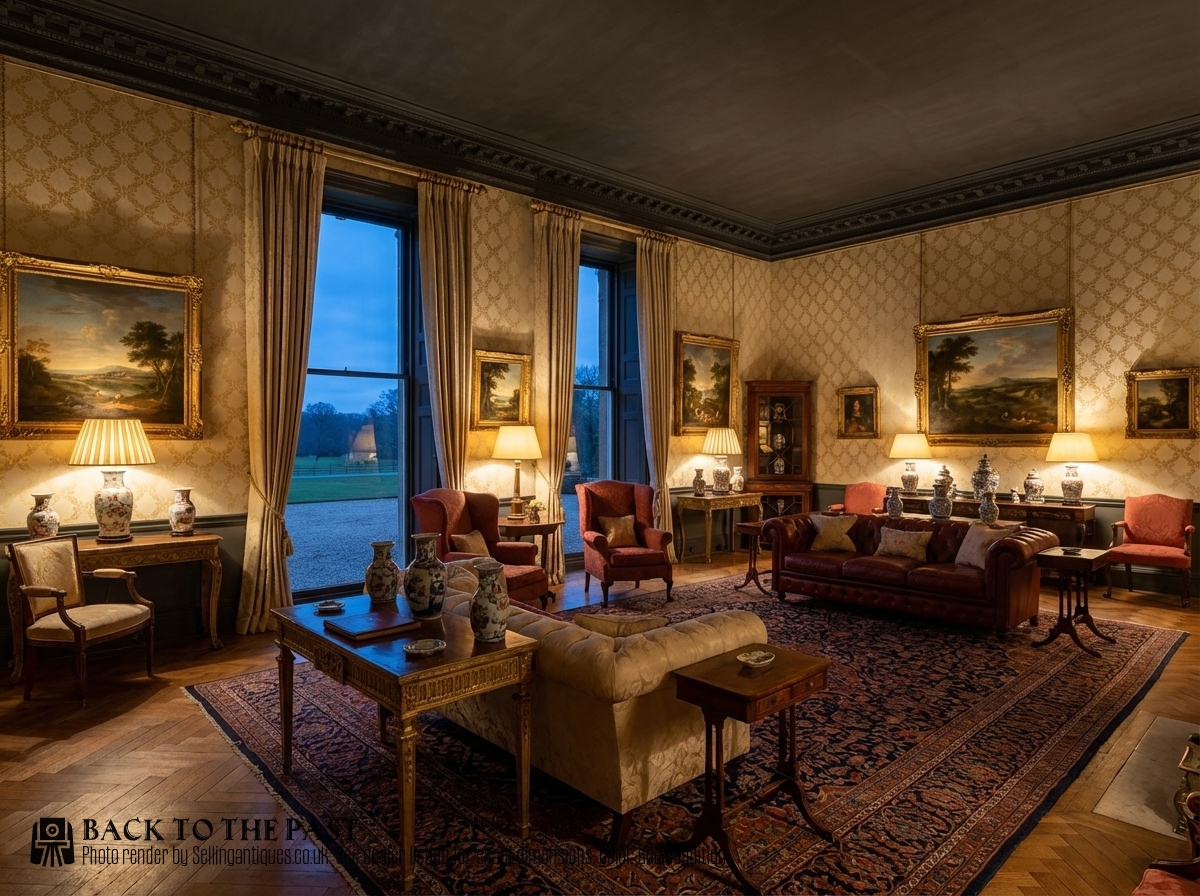
Antique Wooden Corner Cupboard
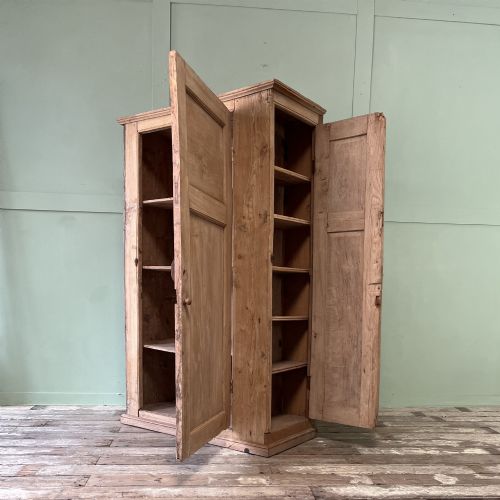
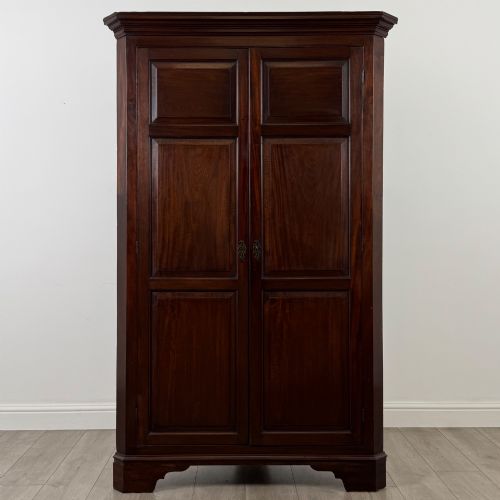
An antique wooden corner cupboard is designed specifically to occupy the junction of two walls, making efficient use of awkward room layouts. You will encounter various formats here, ranging from small wall-hanging versions to tall floor-standing cabinets.
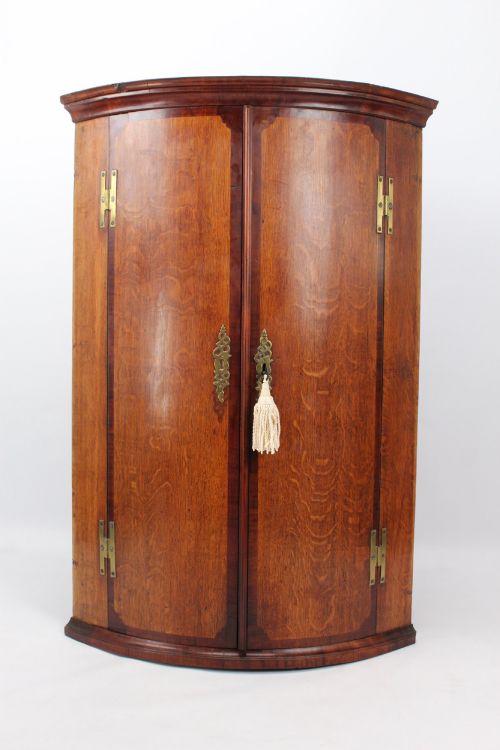
The pieces span multiple eras, with a strong representation of Georgian and eighteenth-century examples alongside Victorian and later interpretations. Oak and mahogany appear frequently as primary timbers, often shaped with bow fronts or flat panelled doors.
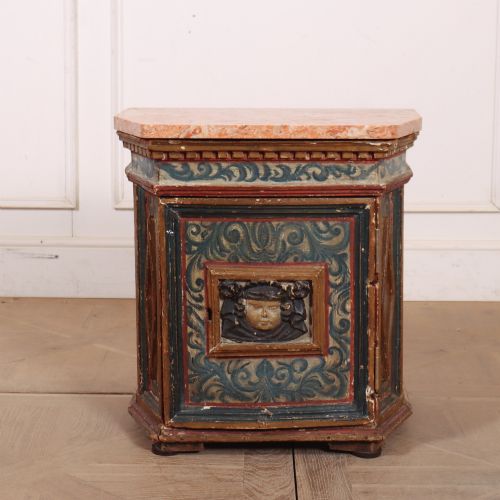
Regional vernacular pieces, including Welsh and country workshops, sit alongside more formal urban designs with inlaid details or painted finishes. Each object serves the dual purpose of concealing stored items while displaying a distinct period aesthetic.
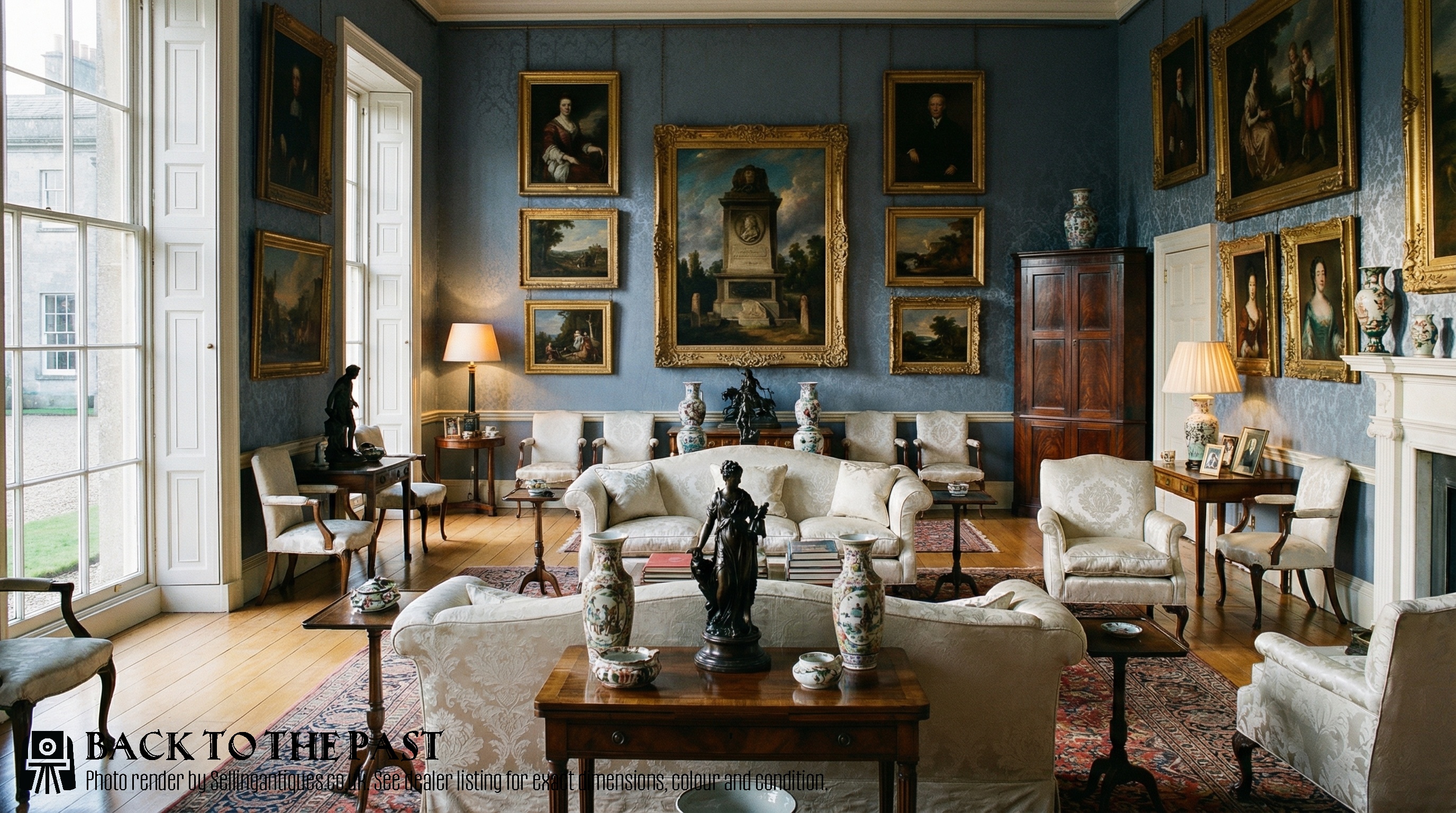
Materials and construction
Cabinet makers relied heavily on native timbers such as oak, elm and pine for structural integrity, whilst utilising imported mahogany and walnut for finer formal facades. Grain orientation and timber selection dictated how the cabinet fronts were cut, particularly on curved or bow-fronted doors.
Traditional joinery techniques including dovetailing and pegged mortise-and-tenon joints ensured stability across the angled framework. Brass hardware, from butterfly hinges to escutcheons, was fitted by hand to secure the heavy timber doors.
Several cupboards retain their original painted interiors, offering a hidden flash of colour behind sombre exterior panels.
Judging the execution
Quality rests upon the crispness of the timber mouldings and the precision with which the cabinet fits into a ninety-degree angle. Finer pieces show careful timber selection, where wood grain matches continuously across the doors and panels.
Structural integrity reveals itself in the original hanging of the doors and the retention of period brassware. Later alterations, replacement feet or stripped surfaces can alter the visual weight and historical character of the piece.
The Antique Wooden Corner Cupboard Glossary
- Bow front
- A convex curved cabinet front that projects outward from the corner walls. This technique requires skilled timber bending or segmented joining.
- Hanging cabinet
- A smaller cupboard designed to be mounted directly onto the wall rather than standing on the floor. These often feature internal shelves for displaying ceramics or glassware.
- Pediment
- The decorative architectural structure surmounting the top of a tall cabinet. Elaborate examples may include broken arch or architectural cornices.
- Vernacular
- Objects made by local provincial craftsmen using regional traditions rather than high-style metropolitan patterns. These pieces often utilise local timbers like elm or oak.
- Marquetry
- The art of applying decorative veneer pieces in wood to form intricate geometric or floral patterns. It elevates the surface texture of the cabinet.
Antique Wooden Corner Cupboard: Frequently Asked Questions
How do I hang a wall cabinet?
Wall-hanging corner cupboards require secure fixing directly into masonry or substantial wall studs to support the considerable weight of solid timber.
Most period hanging cupboards feature built-in fixing points or internal hanging brackets behind the top and bottom rails for this purpose.
Are these cupboards difficult to place?
These cabinets are engineered specifically to slide into room corners, transforming neglected angles into functional storage and display areas.
Floor-standing versions simply require a flush fit against the skirting boards, though wall units need careful height placement relative to existing furniture.
How do I tell Georgian from Victorian?
Georgian pieces generally showcase lighter timber proportions, simpler architectural cornices, and frequently incorporate mahogany or native oak with fine stringing inlay.
Victorian iterations often run to heavier framing, denser pine constructions, or later revival styles that mimic earlier centuries with thicker mouldings.
What were they originally used for?
These cupboards served primarily to store and display household valuables, ranging from fine ceramics and glassware to dining provisions and dry goods.
Formal versions often housed tea services in the parlour, whilst kitchen or country variants kept food and everyday utensils close to hand.