
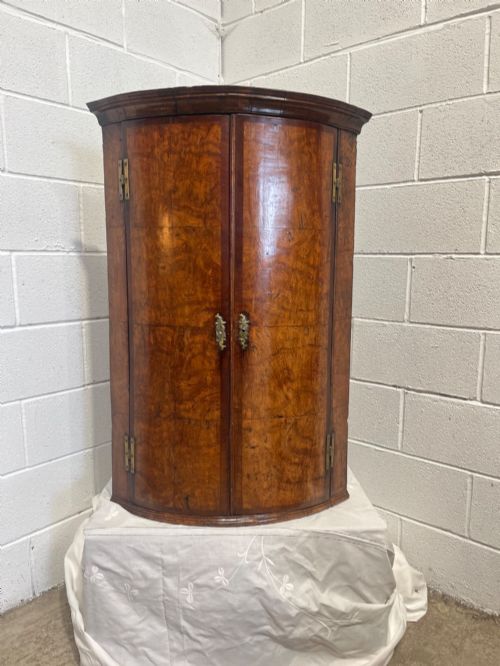
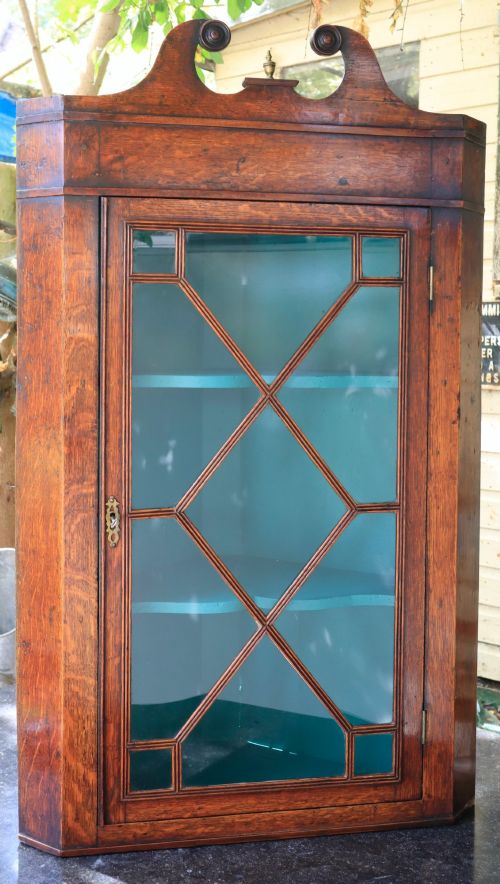
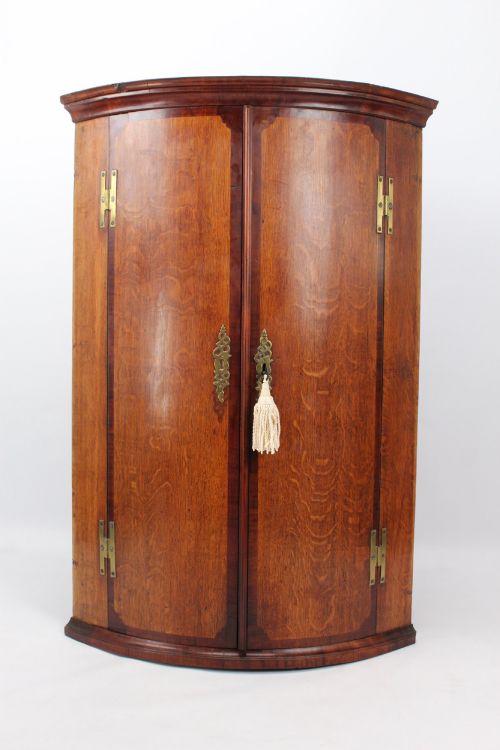
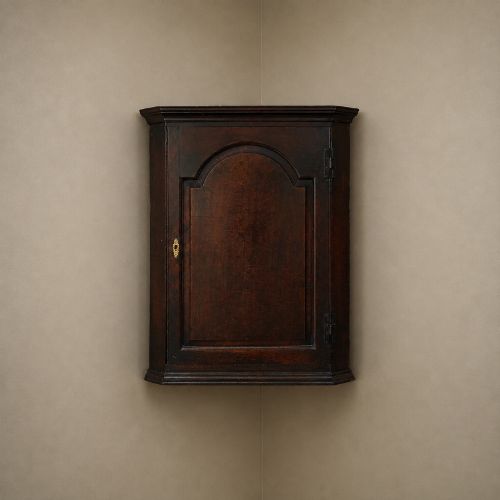
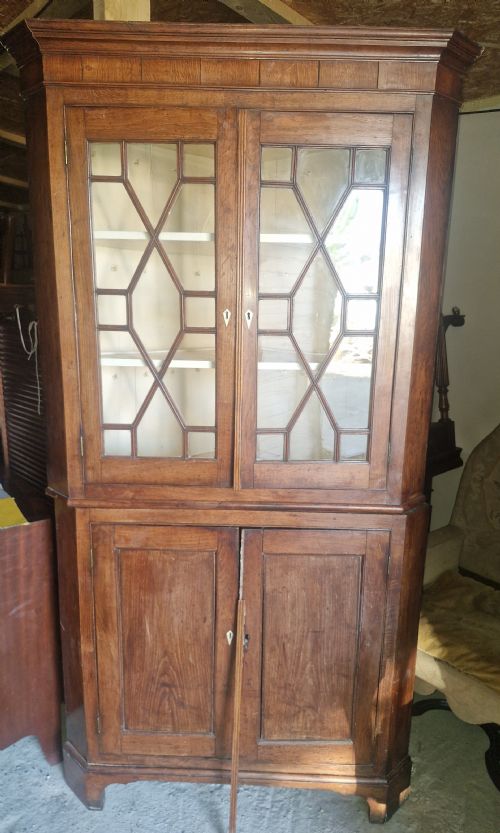
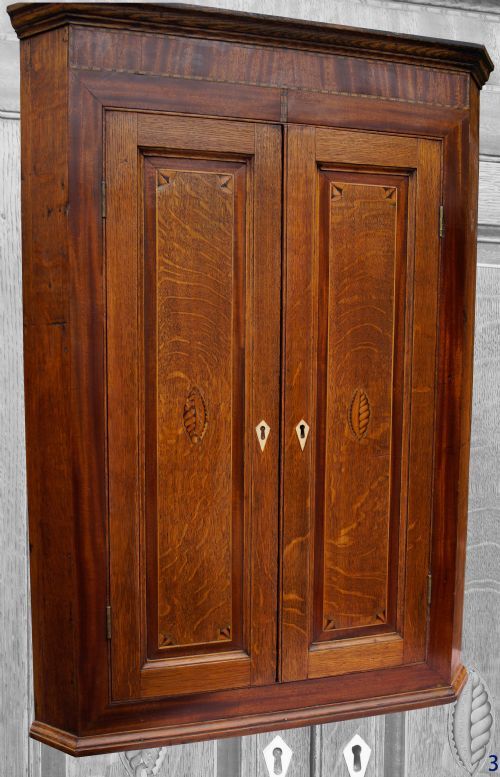
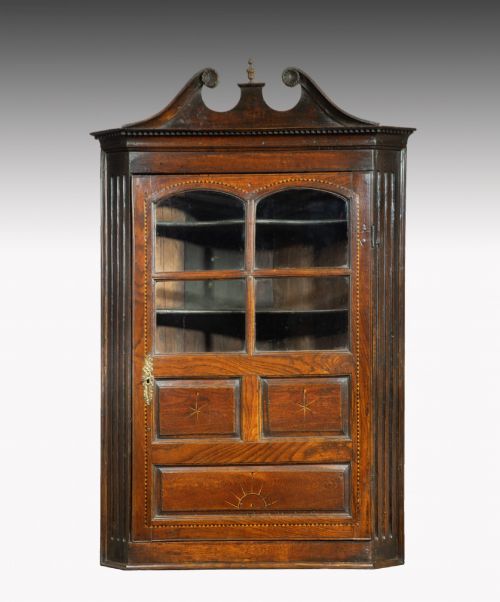
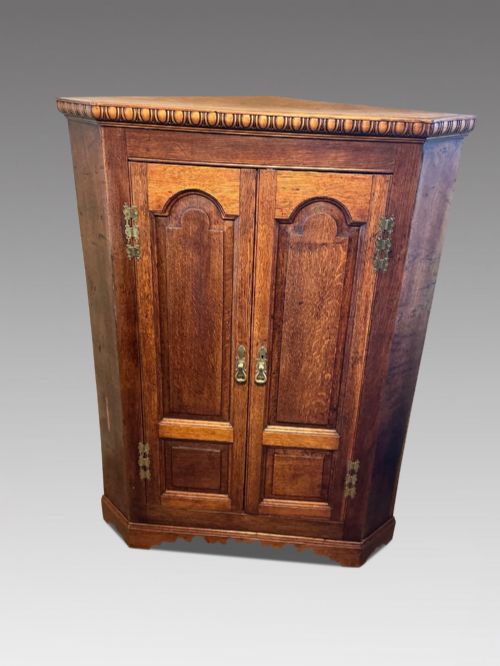



Georgian Oak Corner Cabinet
A georgian oak corner cabinet solves the persistent problem of awkward room angles by turning unused dead space into handsome display and storage.
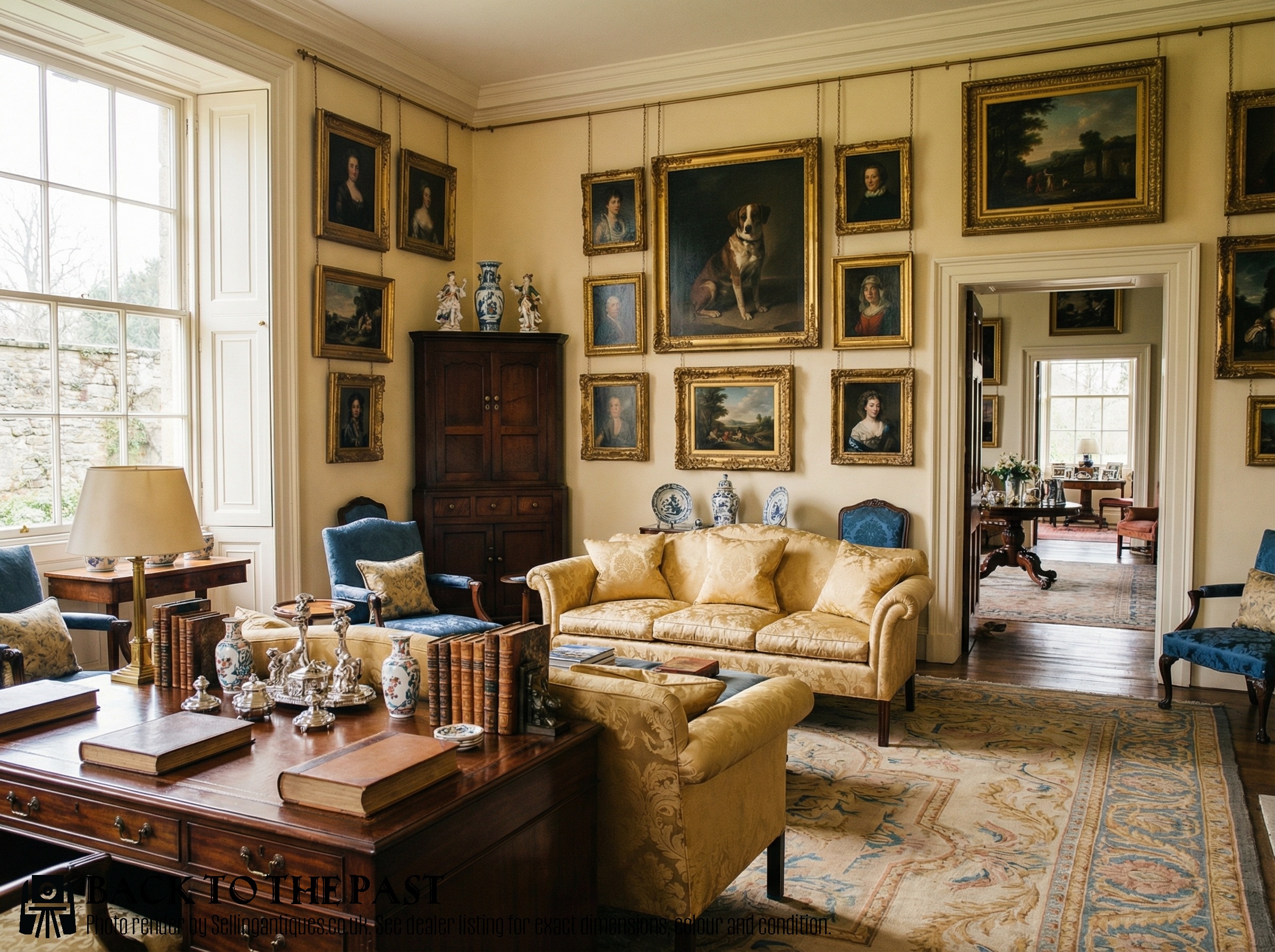
What They Are
A georgian oak corner cabinet is a fitted or freestanding storage piece designed specifically to occupy the junction where two walls meet at ninety degrees. These items appear across the Georgian period and into the nineteenth century, reflecting domestic needs in both modest country houses and grander rural properties.
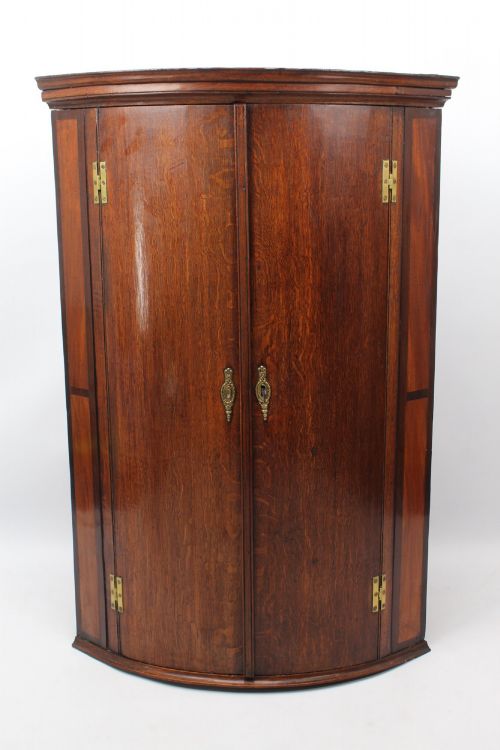
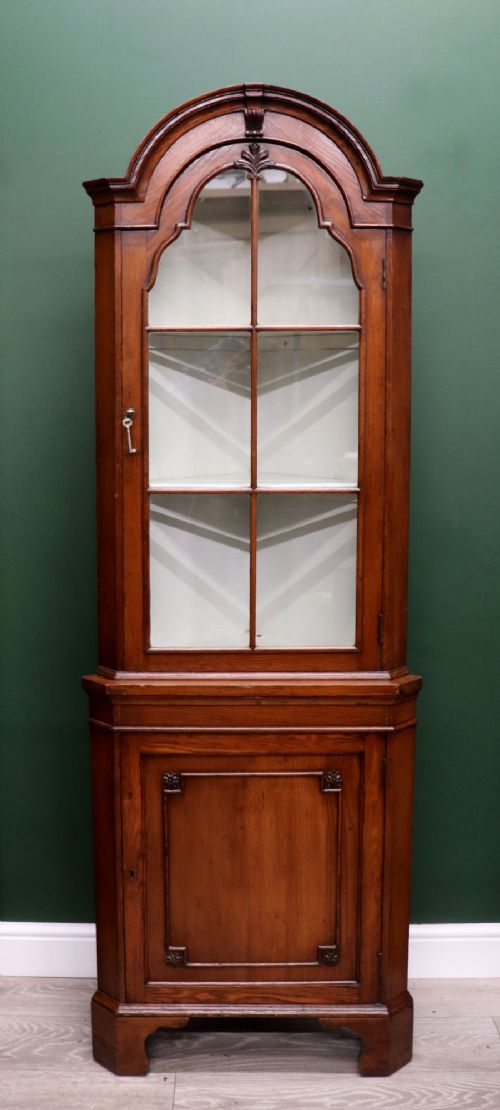
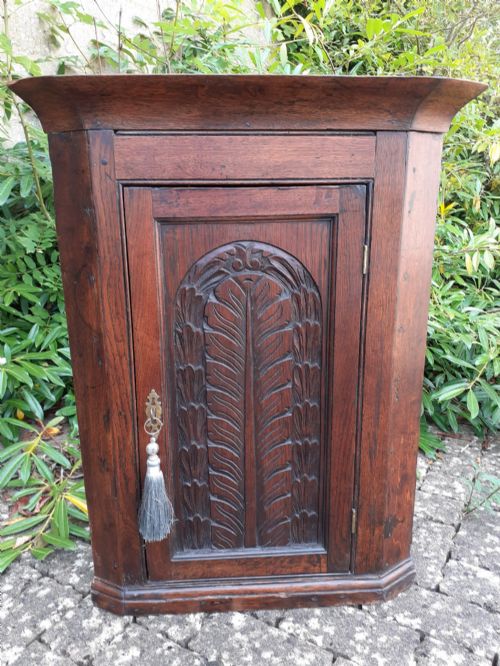
Buyers encounter two primary formats on this page: wall-hanging cupboards that save floor space and substantial two-part floor-standing cabinets that dominate a room. Many examples feature glazed doors for display or solid panelled timber doors to conceal everyday contents.
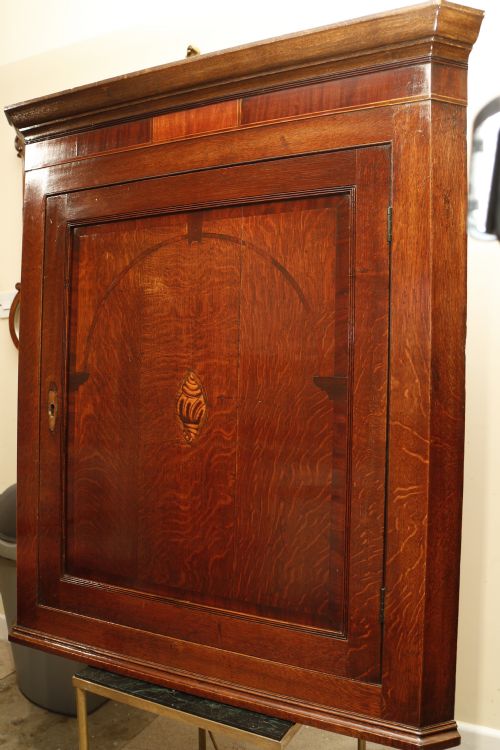
Origins span English and Welsh workshops, alongside regional variations incorporating mahogany crossbanding or inlaid details. The underlying construction follows vernacular traditions alongside more formal cabinet-making standards of the eighteenth century.
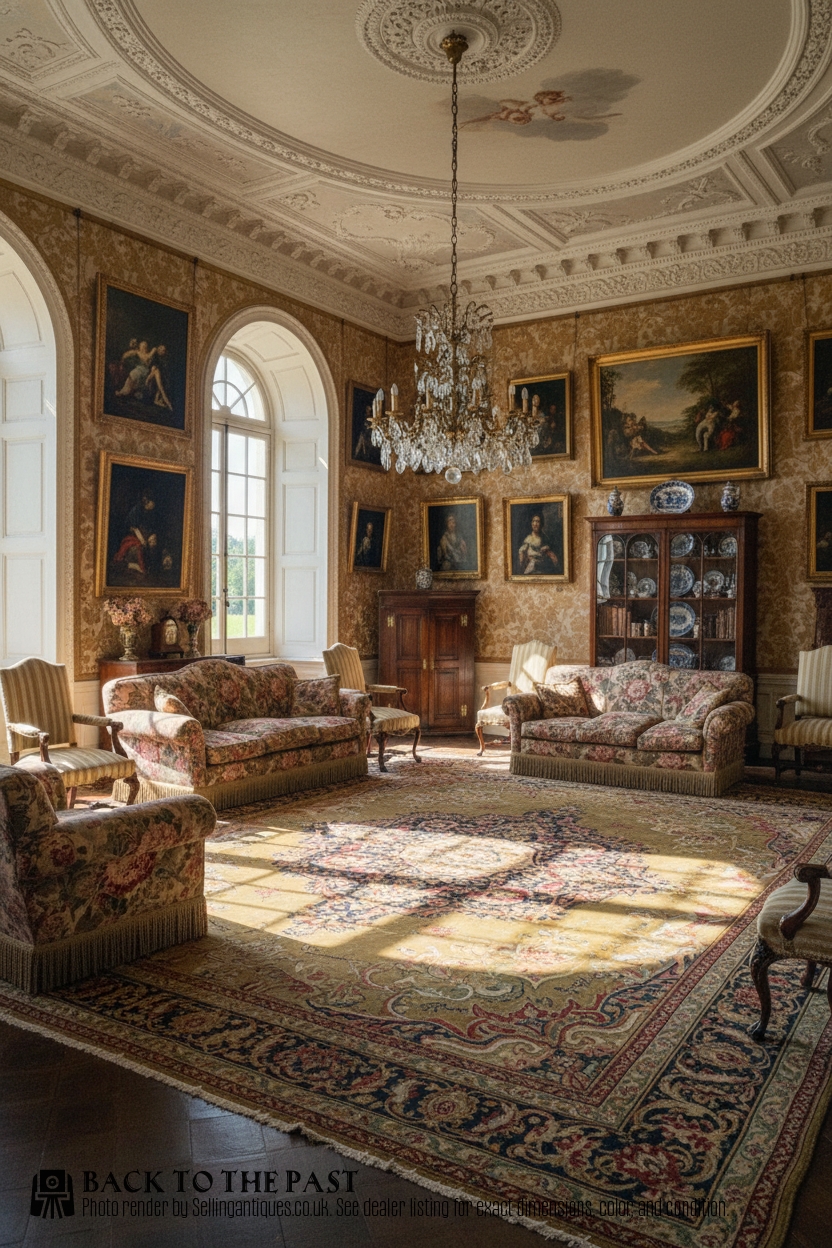
What Varies in Quality
The distinction between ordinary utility items and superior cabinet-making rests upon timber selection and decorative restraint. Pieces featuring carefully matched flame mahogany crossbanding, astragal glazing bars, or delicate marquetry represent a higher level of workshop investment than plain panelled equivalents.
Proportion and scale dictate the visual success of a corner unit, where smaller hanging versions with balanced cornices contrast against heavy, poorly resolved regional pieces. The integrity of the original hinges, brasses, and glass panes influences how successfully the object retains its period character.
Retail Price Guide 2026
Typical UK retail prices for georgian oak corner cabinet, calculated from the Sellingantiques database of over a million retail prices indexed since 2003. This retail price guide relies exclusively on Sellingantiques data; no external sources or auction records are used, so the figures do not describe the wider market.
Some towering floor-standing cabinets arrive with enough internal shelf depth to hide an entire tea service behind a single curved door.
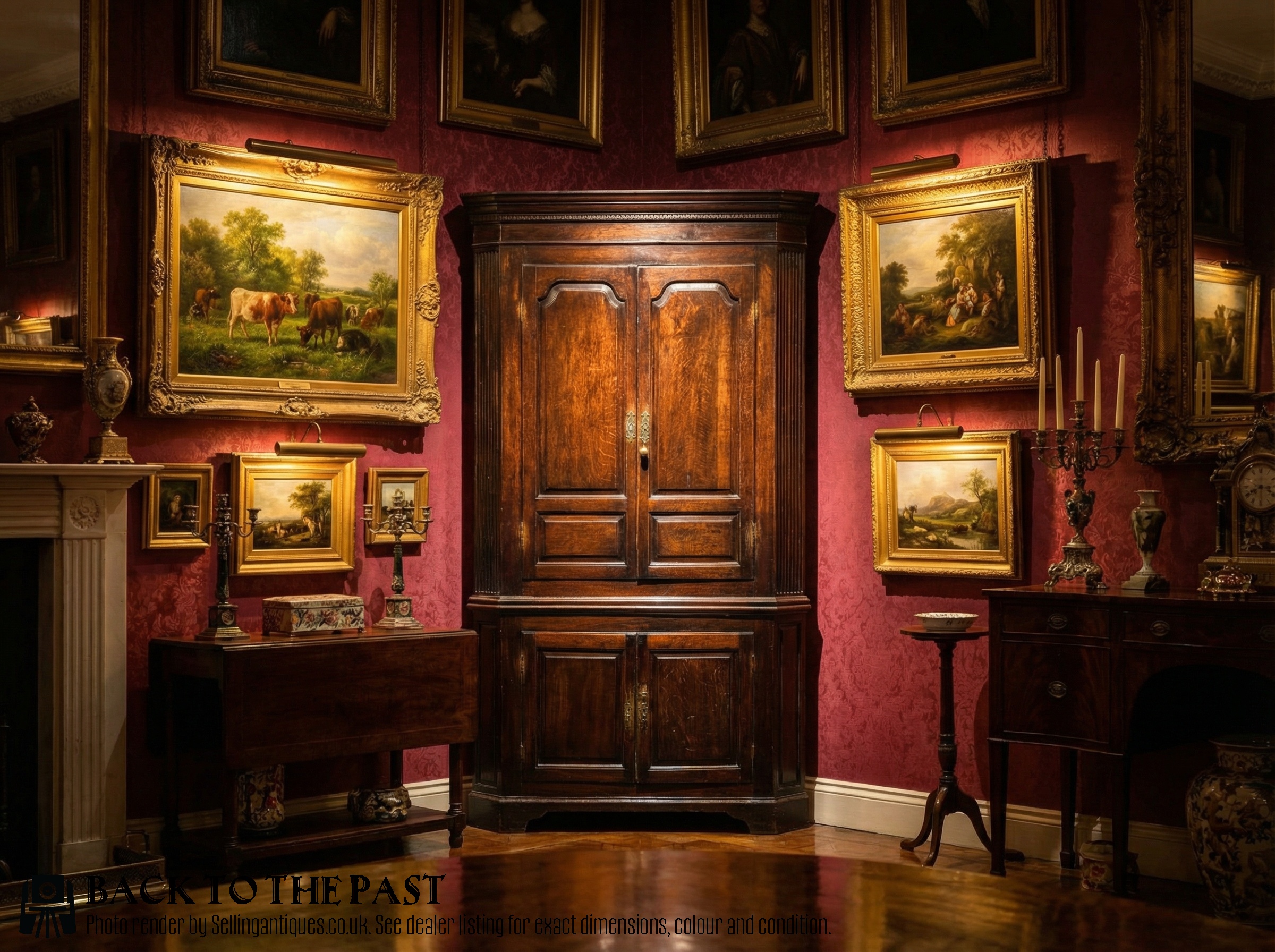
The Georgian Oak Corner Cabinet Glossary
- Bow front
- A convex curved cabinet front that projects outward from the corner. This curved shape requires specialised carpentry to shape solid timber or bent laminations.
- Astragal glazed
- A glass door divided into smaller panes by thin wooden mouldings called astragals. These delicate frames create a lighter visual appearance suitable for display.
- Two-part
- A floor-standing cabinet constructed in separate upper and lower sections that stack together. This modular format made large furniture easier to transport through narrow doorways.
- Hanging cupboard
- A wall-mounted storage unit secured directly to wall studs using internal fixing points. These compact versions maximise floor space in smaller rooms.
- Crossbanding
- A decorative border of veneer laid around the perimeter of a door or panel with the grain running perpendicular to the centre. It provides a neat contrasting frame to the primary timber.
Frequently Asked Questions
How do I hang a wall cabinet safely?
Wall-hanging cupboards require secure fixing directly into masonry walls or structural timber studs using heavy-duty brackets. Given the weight of solid oak and glass, professional installation ensures the piece remains safely anchored.
Internal mounting points built into the backboards distribute the load evenly across the frame. Checking the wall construction before purchase prevents structural issues during hanging.
Where were these cabinets placed originally?
These units occupied corner spaces in dining rooms, parlours, and bedrooms to store tableware, glassware, or provisions. Their angled footprint utilised neglected corners without obstructing movement through the room.
Floor-standing versions acted as primary storage furniture, while hanging cupboards freed up floor space for smaller domestic interiors.
How do I tell an earlier cabinet from a later revival?
Examining the timber grain, secondary wood species inside, and construction marks reveals the true age of a cabinet. Hand-cut joinery and period hardware contrast against twentieth-century machine milling.
Revival pieces from the Edwardian period often replicate earlier Georgian proportions but exhibit different internal construction methods and timber finishes.
Can these cabinets hold heavy items?
Fixed internal shelves provide sturdy support for standard ceramics, books, and glassware collected over generations. The solid oak construction easily bears typical domestic display loads.
Distributing weight evenly across the shelves prevents sagging, particularly in older timber boards that have dried out over centuries.
Do bow front cabinets require more maintenance?
Curved doors demand similar care to flat panels, requiring occasional treatment with suitable furniture wax to nourish the oak and mahogany surfaces. Keeping the pieces away from direct heat sources prevents the curved timber from splitting.
Checking the brass hinges periodically ensures the heavy doors hang true without putting excessive strain on the wooden frame.