

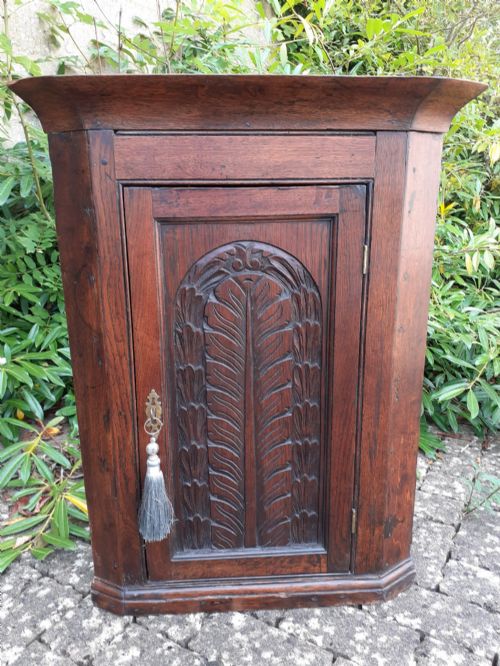
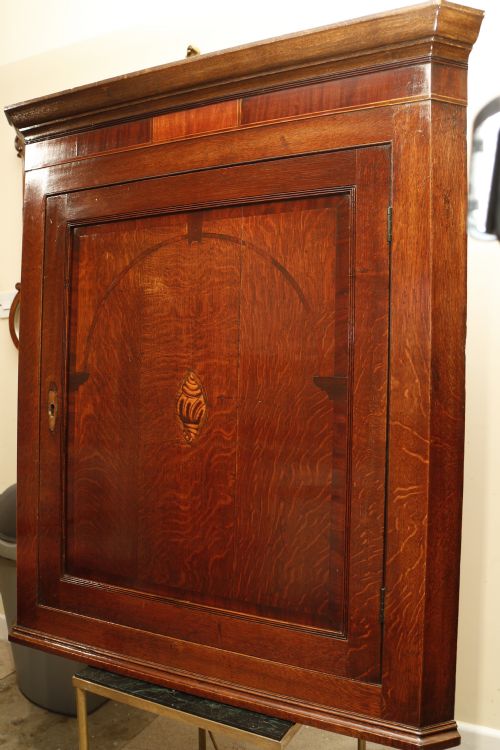


Country Oak Corner Cupboard
A country oak corner cupboard turns dead room space into a functional display, offering sturdy storage anchored by traditional Georgian joinery.
What a country oak corner cupboard is
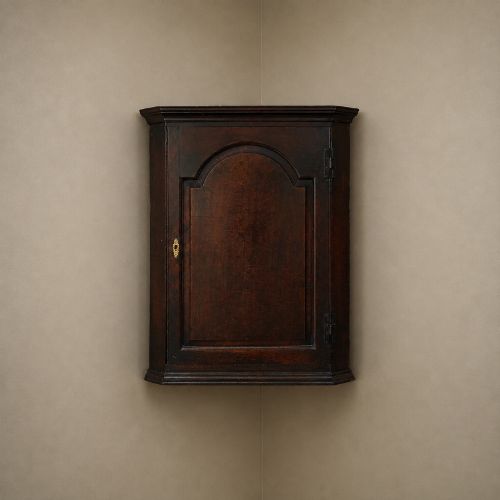
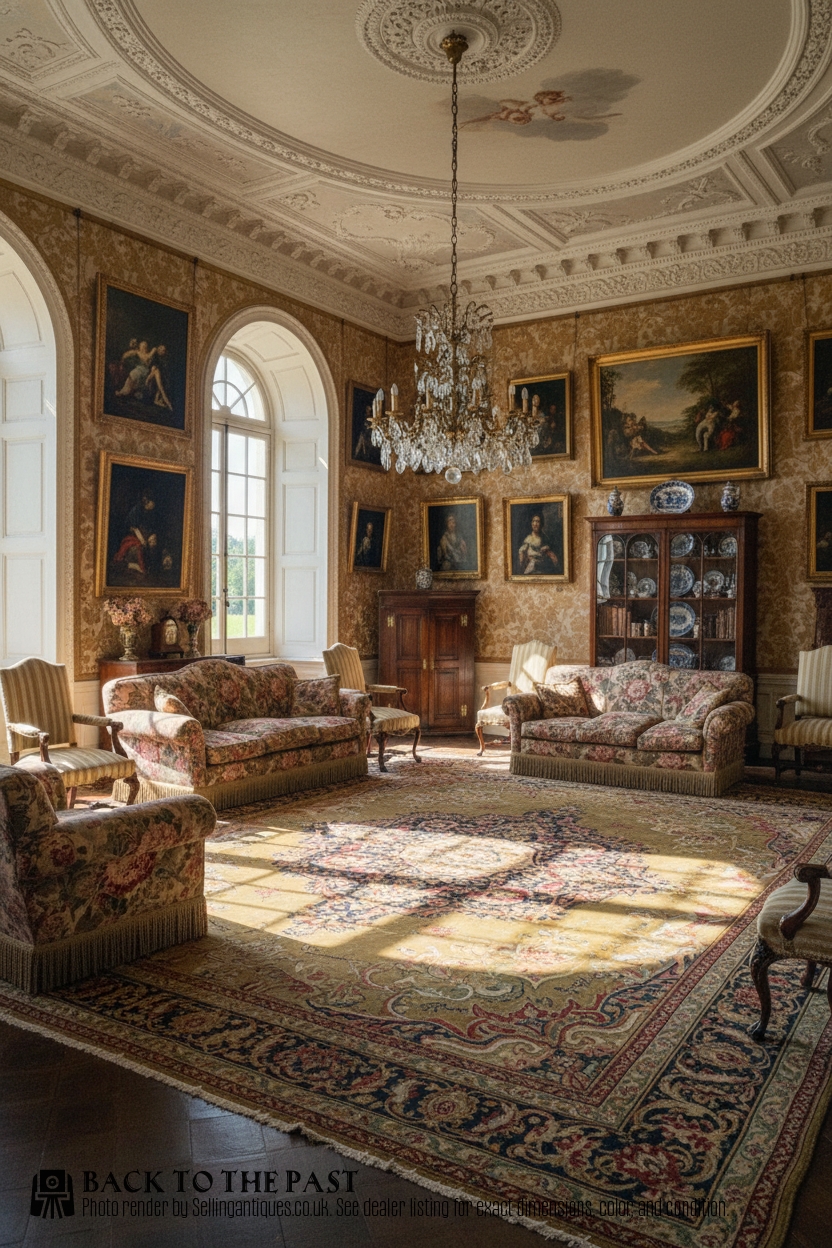
A country oak corner cupboard is a specialised storage piece designed to fit snugly into the intersection of two walls, maximising domestic space. These items appear primarily in Georgian and 18th Century styles, reflecting domestic requirements of rural households.
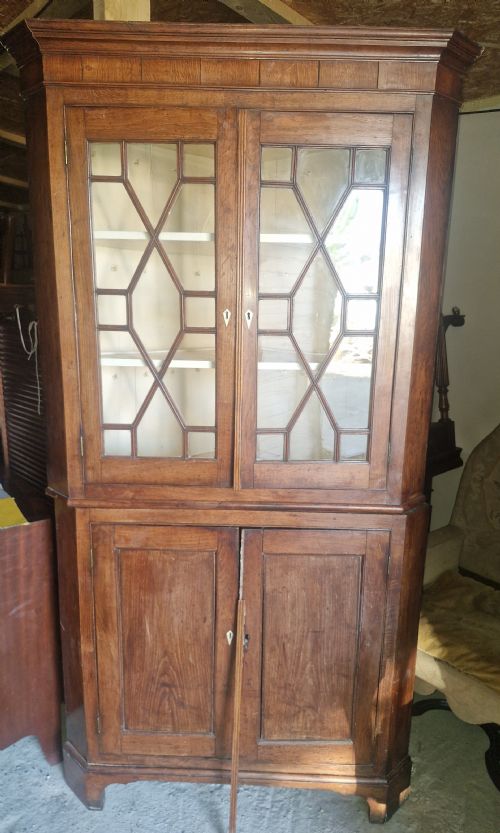
Buyers encounter both hanging wall-mounted versions and grander floor-standing editions, sometimes constructed in two distinct parts. Regional examples emerge from English districts, Welsh workshops, Scottish manors, and West Country locations.
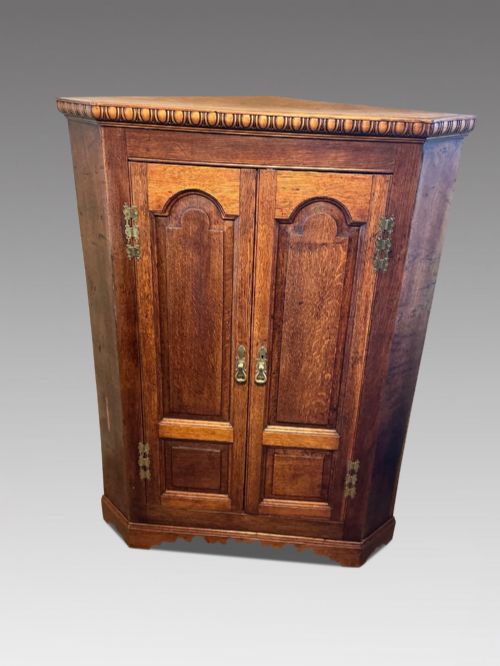
The primary forms include single door units, double door formats, and occasional pieces raised on a dedicated stand. Each variant serves the fundamental purpose of utilising otherwise neglected angles within a room.
How they were made
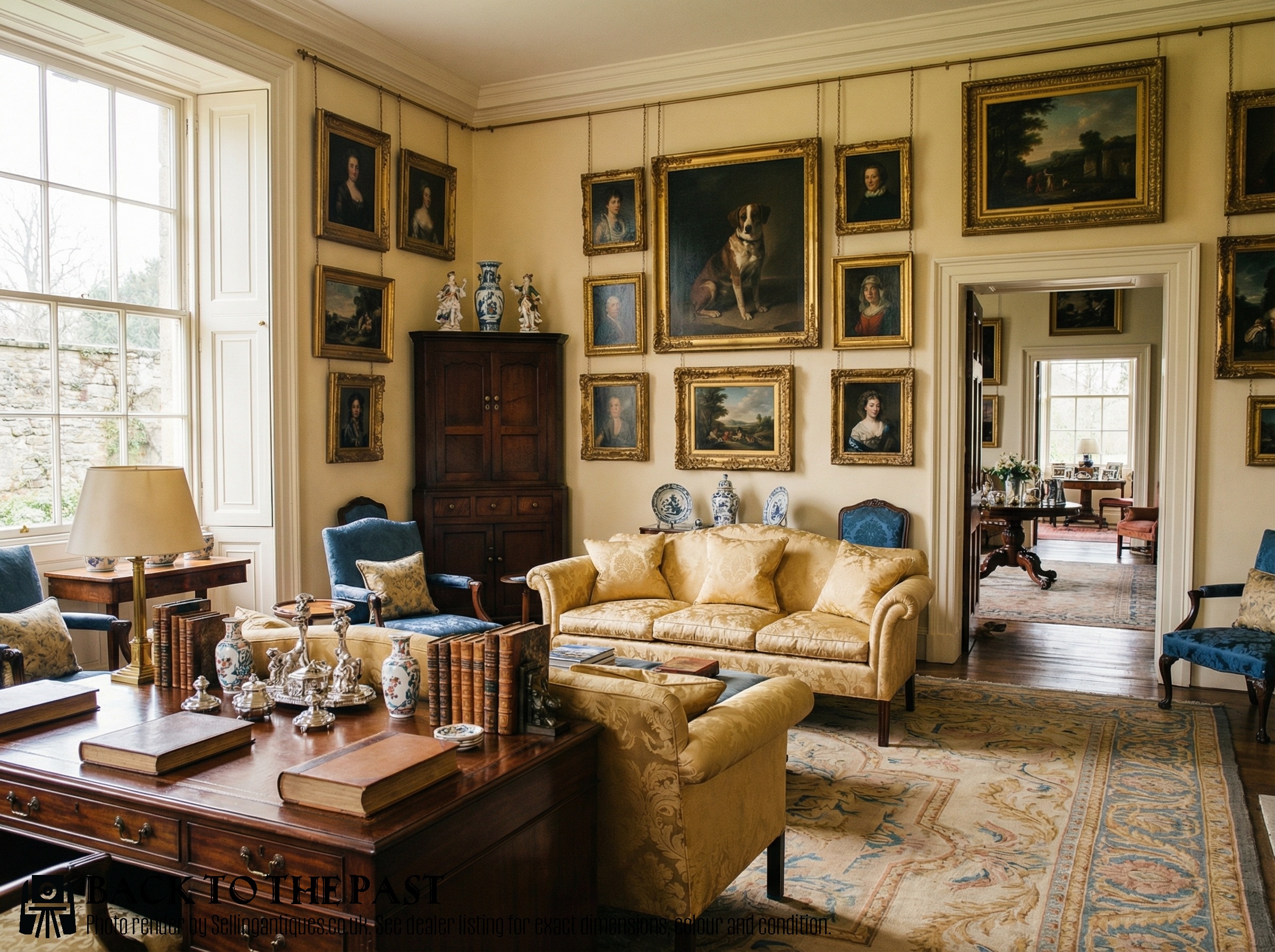
These pieces utilise solid timber construction dominated by oak, paired with functional hardware such as brass fittings and hinges. Fielded panels provide structural stability while adding depth to the primary doors.
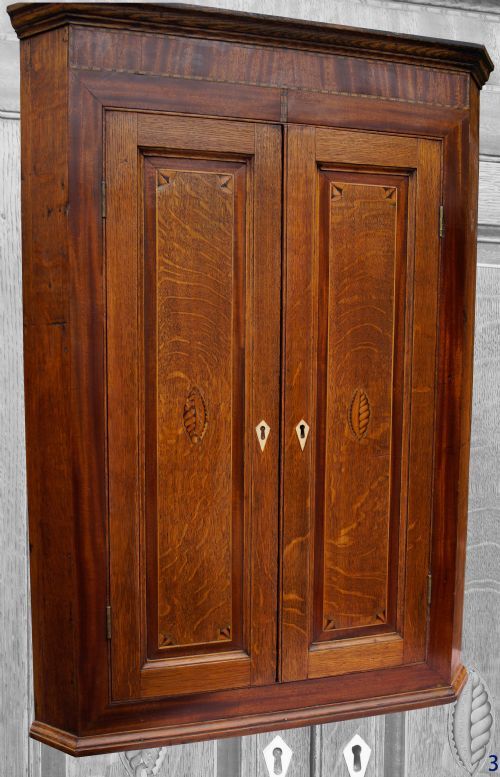
Carpenters utilised traditional jointing methods suited to domestic rural furniture, accommodating timber movement across changing seasons. Certain examples incorporate decorative details like carved elements or shell inlay work.
Retail Price Guide 2026
Typical UK retail prices for country oak corner cupboard, calculated from the Sellingantiques database of over a million retail prices indexed since 2003. This retail price guide relies exclusively on Sellingantiques data; no external sources or auction records are used, so the figures do not describe the wider market.
Several cupboards manage to be both strikingly monumental and politely triangular at the same time.
What varies in quality
The distinction between standard examples and superior pieces rests on scale, proportion, and the ambition of the original commission. Taller floor-standing cabinets in two parts demand more complex joinery than simple wall-hanging versions.
Subtleties in timber selection and the execution of fielded panels or shell inlay distinguish regional workshops. The integrity of the original brass hardware and the preservation of surface patination further elevate the standing of a piece.
The Country Oak Corner Cupboard Glossary
- Fielded panel
- A wooden panel with bevelled edges designed to fit into a grooved frame. This technique allows the timber to expand and contract without splitting.
- Hanging corner cupboard
- A wall-mounted unit featuring brackets or fixing points. These cabinets save floor space while providing eye-level storage.
- Floor standing corner cupboard
- A tall unit resting directly on the floor, occasionally built in two separate sections. These pieces provide substantial capacity for storage and display.
- Shell inlay
- Decorative woodwork formed by embedding contrasting materials into the oak surface to depict a shell motif. This detail signals a finer level of regional craftsmanship.
- Georgian
- A broad design period spanning the eighteenth and early nineteenth centuries. Furniture from this era emphasises proportion, utility, and classical restraint.
Frequently Asked Questions
What is the difference between hanging and standing models?
Hanging models mount directly to the wall to save floor space, often featuring simple single doors for domestic use.
Floor-standing models provide much greater capacity and sometimes separate into two stacked sections for transport.
Where were these cupboards originally placed?
They were designed specifically to occupy the dead space in the corner of a room, efficiently utilising awkward angles in country houses and cottages.
Dining rooms, parlours, and hallways all served as common locations for storing tableware and provisions.
How do I identify a Georgian period piece?
Georgian pieces display construction methods typical of the eighteenth century, including hand-cut joints and timber pegged frames.
Regional characteristics often point to specific English, Welsh, or Scottish workshops from the era.
Can these cupboards hold heavy items?
The sturdy oak construction and solid shelving provide robust support for everyday items like books, ceramics, and glassware.
Wall-hanging versions require secure fixing to solid masonry to safely bear heavier loads.