
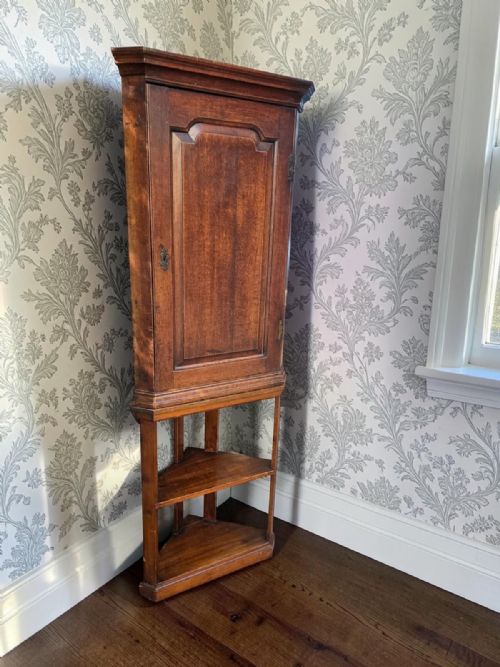
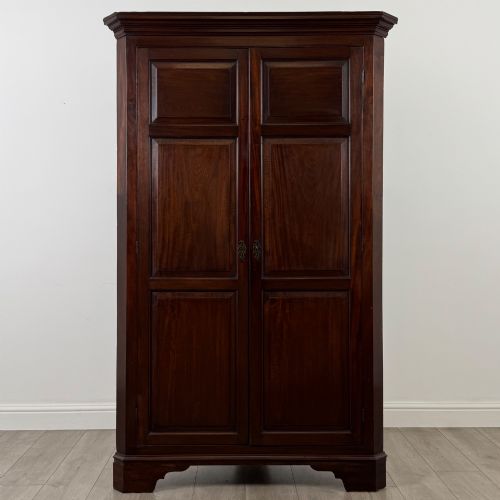
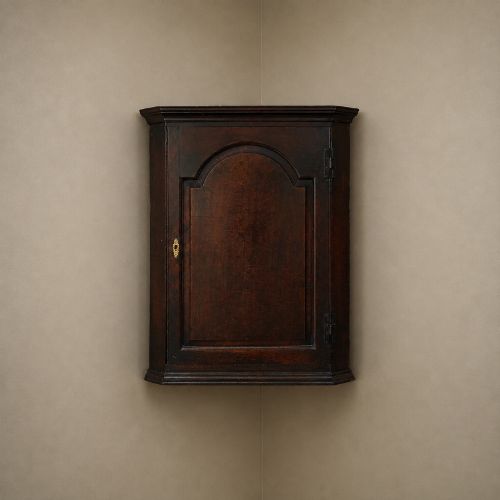


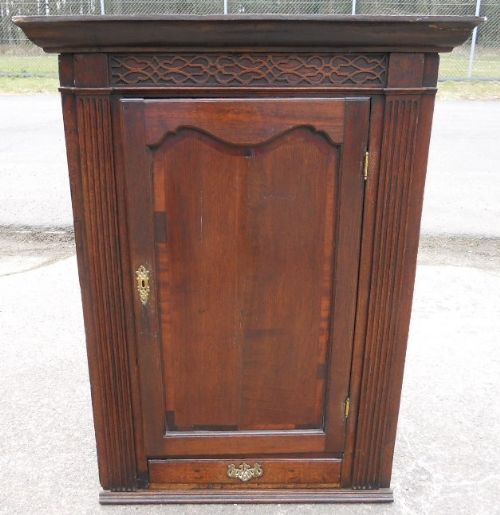
Fielded Panel Corner Cupboard
A fielded panel corner cupboard uses architectural timber to turn dead room angles into display space.
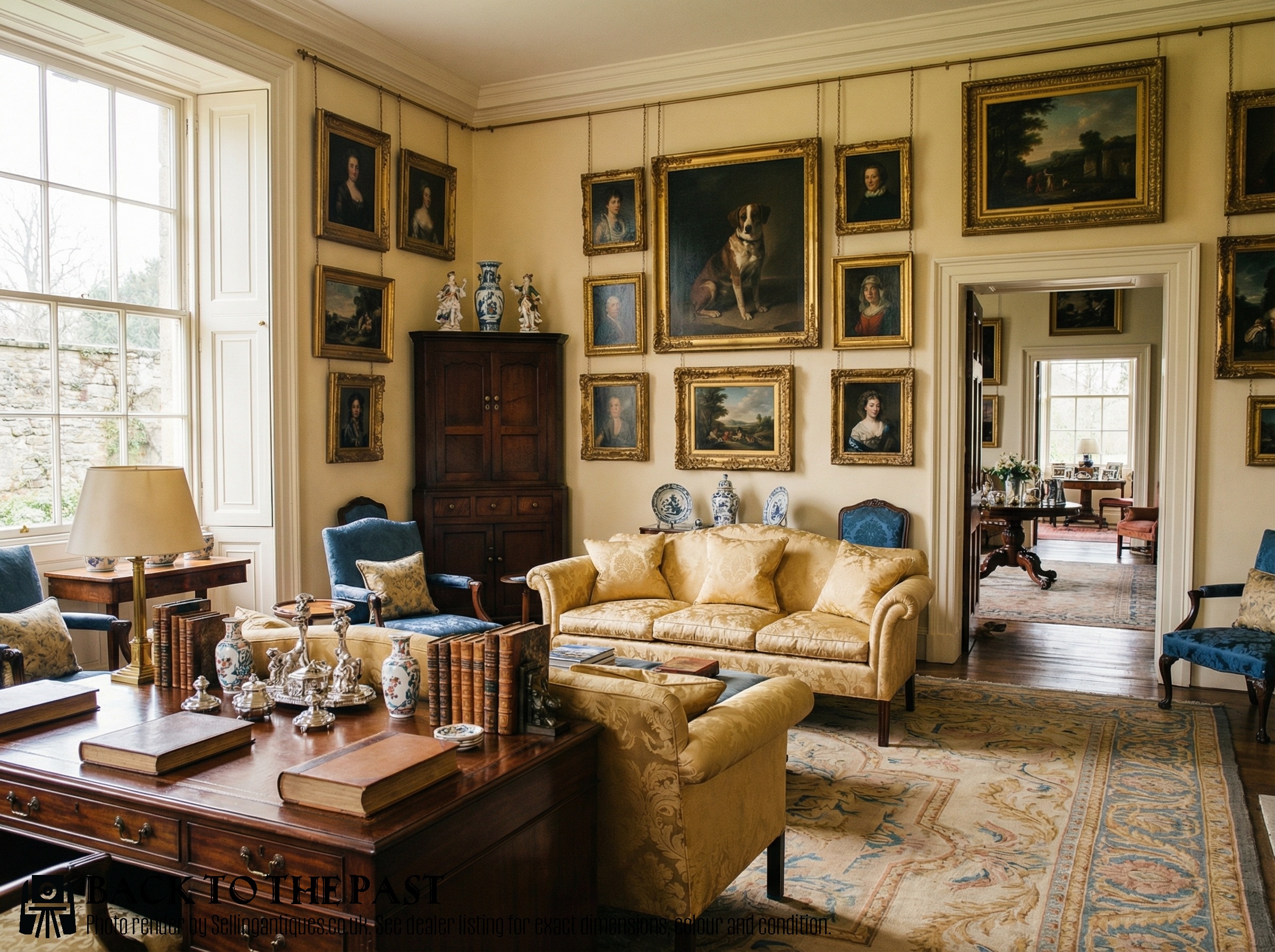
Fielded Panel Corner Cupboard
A fielded panel corner cupboard provides storage that fits neatly into the 90-degree junction of two walls. These items range from wall-hanging versions to tall floor-standing or two-part cabinets, most frequently encountered in Georgian oak.
Makers designed these cabinets to utilise awkward interior angles while offering secure storage for china, glassware, or documents. The format accommodates single doors, double doors, or additional lower drawers depending on the overall height and scale.
The surviving examples stem primarily from the 18th century, with Georgian and Victorian iterations appearing across regional workshops. Oak and mahogany dominate the material record, often paired with brass hinges and key escutcheons.
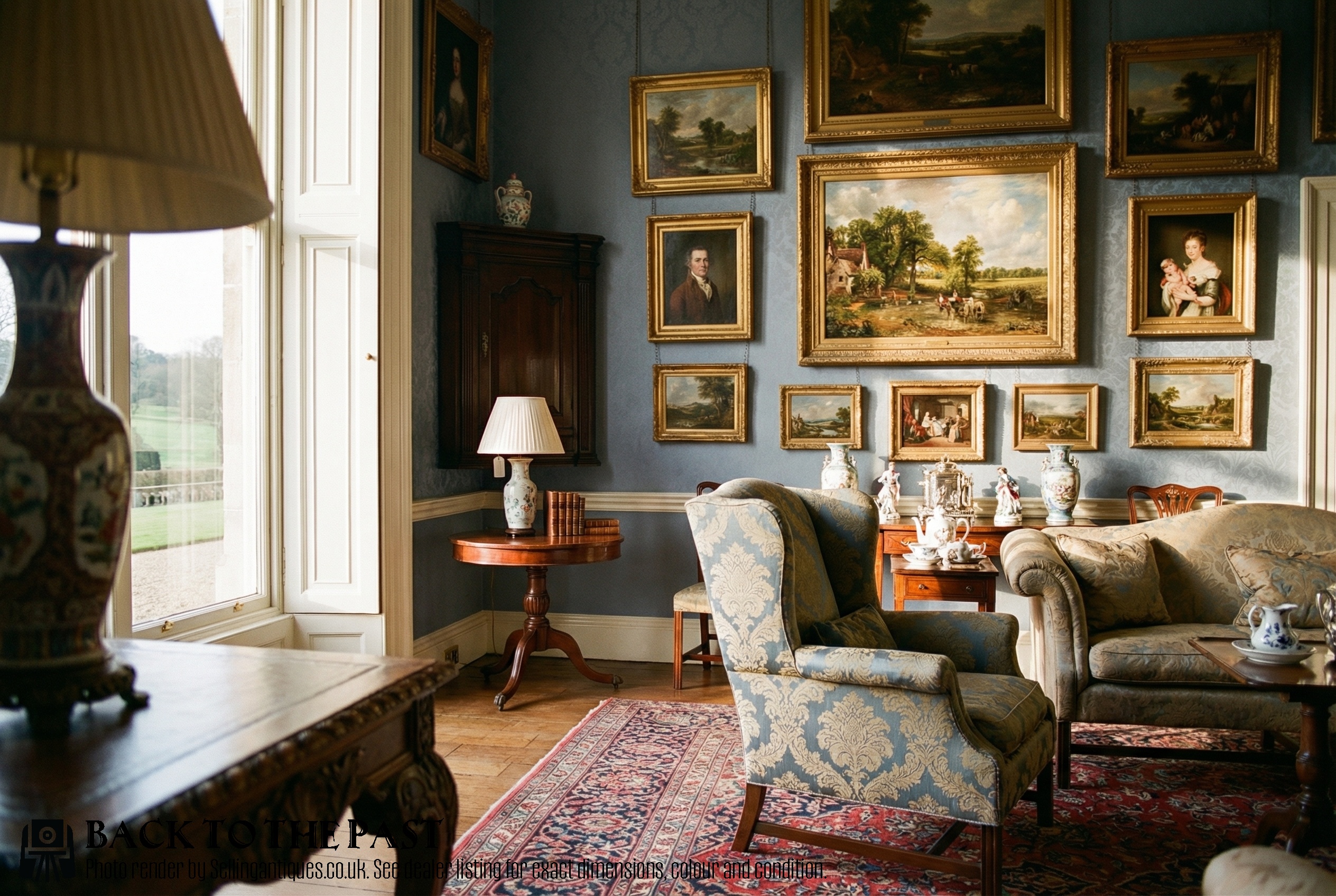
How they were made
Cabinet makers constructed these cupboards using solid native timbers such as oak, burr oak, and yew, alongside imported mahogany for finer urban pieces. Panels were rebated and bevelled at the edges to fit loosely within grooved frames, allowing the wood to expand and contract with seasonal humidity without splitting.
Joinery methods relied on traditional mortise and tenon frames, secured with timber pegs in earlier regional examples. Iron or steel strap hinges and brass hardware fastened the doors, whilst internal shelving was shaped to fit the triangular footprint of the carcass.
Fielded Panel Corner Cupboard Retail Price Guide 2026
Typical asking prices for fielded panel corner cupboard among the pieces listed under this phrase on Sellingantiques today, from the lower quarter to the upper quarter. They describe what is for sale here now, not the wider market.
Listings feature oak as the predominant timber, spanning Georgian and Victorian periods alongside occasional mahogany and yew.
What varies in quality
Quality in a fielded panel corner cupboard rests on the selection of timber and the crispness of the bevels on the raised panels. Grain matching across the door fronts and the restraint shown in provincial mouldings separate standard utility pieces from more ambitious cabinet work.
The integrity of the structural carcass and the survival of original brass H-hinges, locks, and feet dictate the tier of a piece. Two-part cabinets and standing floor models generally demand more complex joinery than simple wall-hanging boxes.

The Fielded Panel Corner Cupboard Glossary
- Fielded panel
- A central wooden panel with its edges bevelled or thinned down so that it fits into a surrounding groove. This technique reduces weight and allows the timber to move naturally.
- Two-part
- A cabinet constructed in separate upper and lower sections that stack together. This configuration facilitated transport through narrow staircases in older houses.
- Hinges
- Metal fastenings joining the door to the frame. Early examples often utilise butterfly or butterfly-shaped strap hinges fixed with hand-beaten iron nails.
- Escutcheon
- A protective plate surrounding the keyhole. These pieces are frequently cast from brass and secured to the primary door stile.
Fielded Panel Corner Cupboard: Frequently Asked Questions
How were corner cupboards used?
These cabinets served to store household provisions, fine ceramics, and glassware away from damp walls.
Their triangular footprint allowed families to utilise dead space in dining parlours and sitting rooms.
Are they wall hanging or standing?
Both formats exist within the tradition, depending on the ceiling height and storage volume required.
Smaller wall-hung units screw directly into masonry or studwork, whilst larger two-part models rest straight on the floor.
What woods were used?
Regional makers relied heavily on domestic oak, burr oak, and yew for country workshops.
Urban cabinet makers frequently turned to imported mahogany for more formal commissions.
How do I date an 18th-century cupboard?
Dating relies on observing construction marks, timber choice, and the profile of the mouldings.
Hand-cut pegs, wrought iron hardware, and vernacular quirks point toward earlier Georgian or 18th-century origins.