



Brown Oak Corner Cupboard
A brown oak corner cupboard solves the perennial problem of awkward room angles while bringing rich, deep grain and honest timber into a traditional interior.
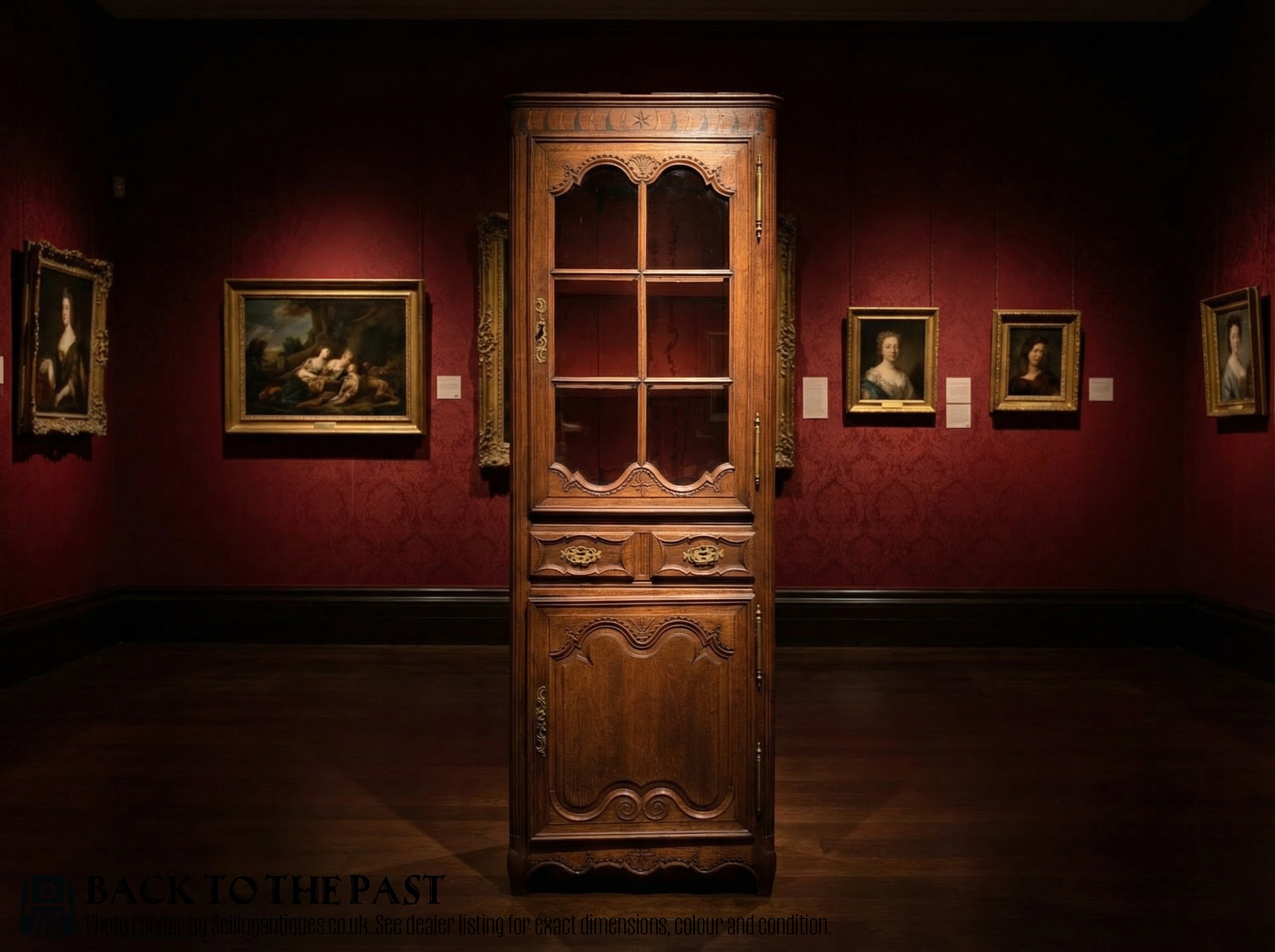
Brown Oak Corner Cupboard
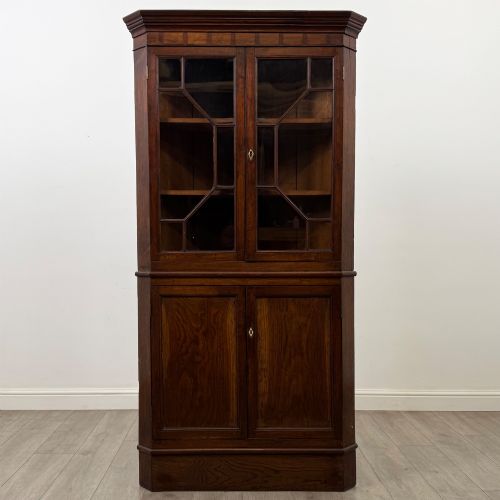
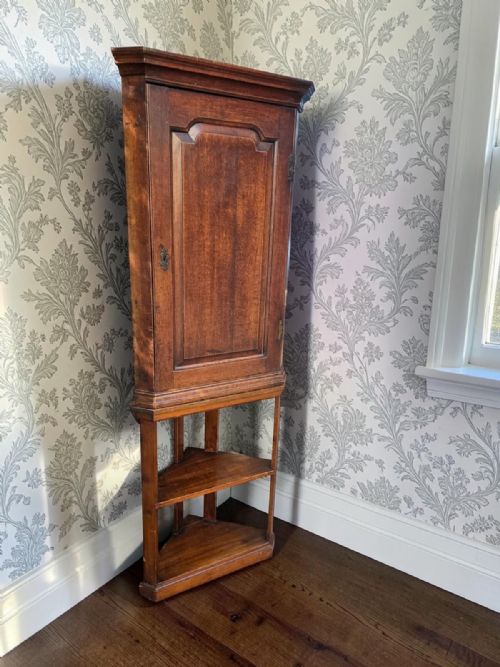
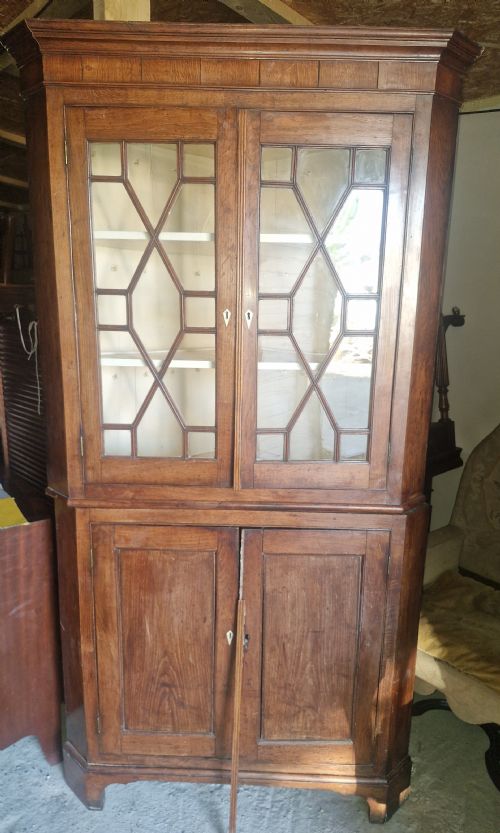
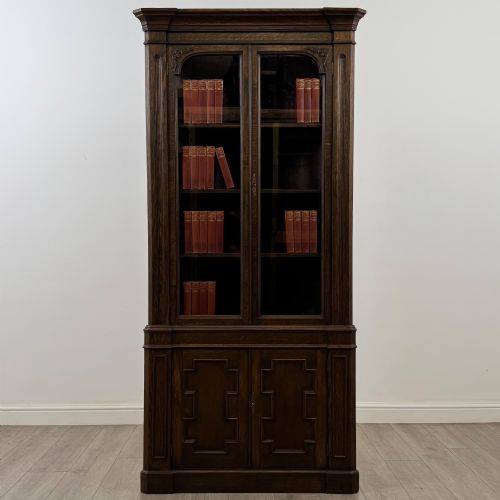
When you search for a brown oak corner cupboard, you encounter practical storage solutions designed to fit snugly into room junctions that usually go to waste. These architectural pieces emerge primarily from the Georgian and Victorian eras, taking the form of wall-hanging units, floor-standing cabinets, and substantial two-part Welsh cupboards.
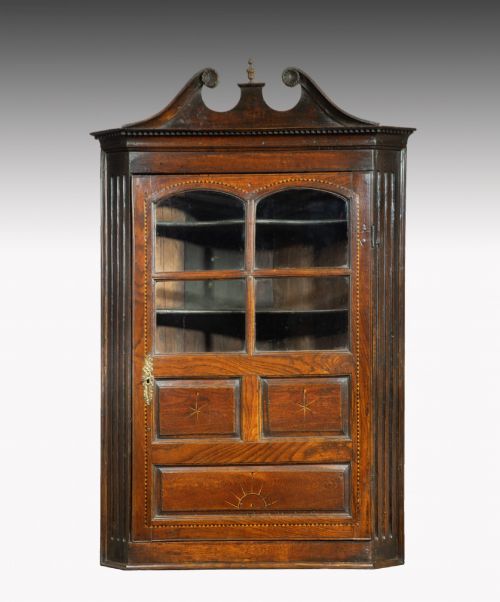
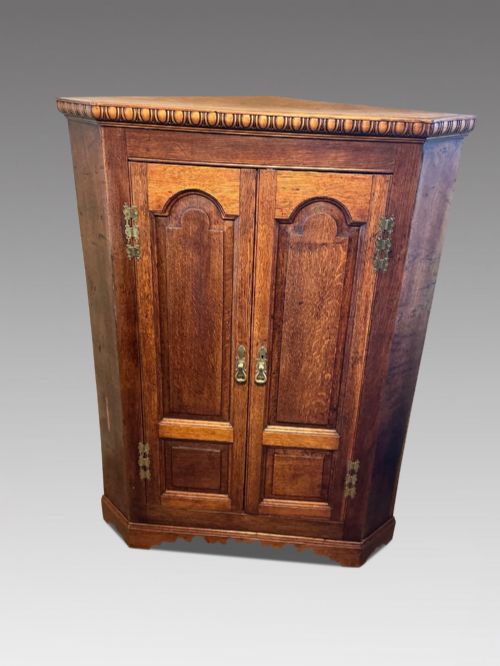
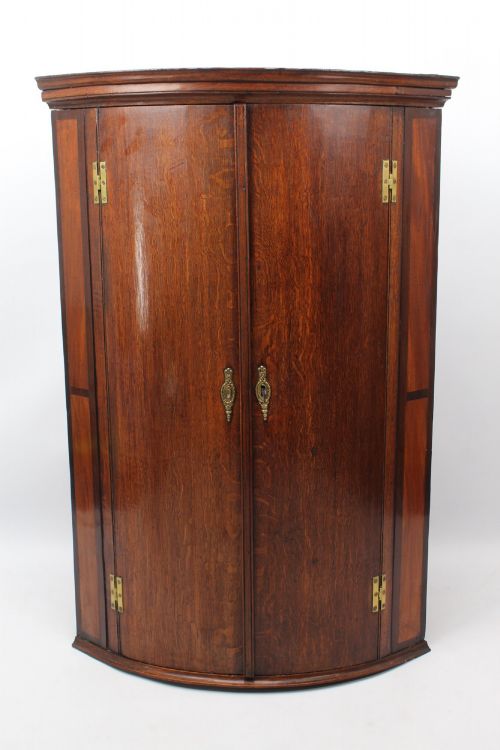
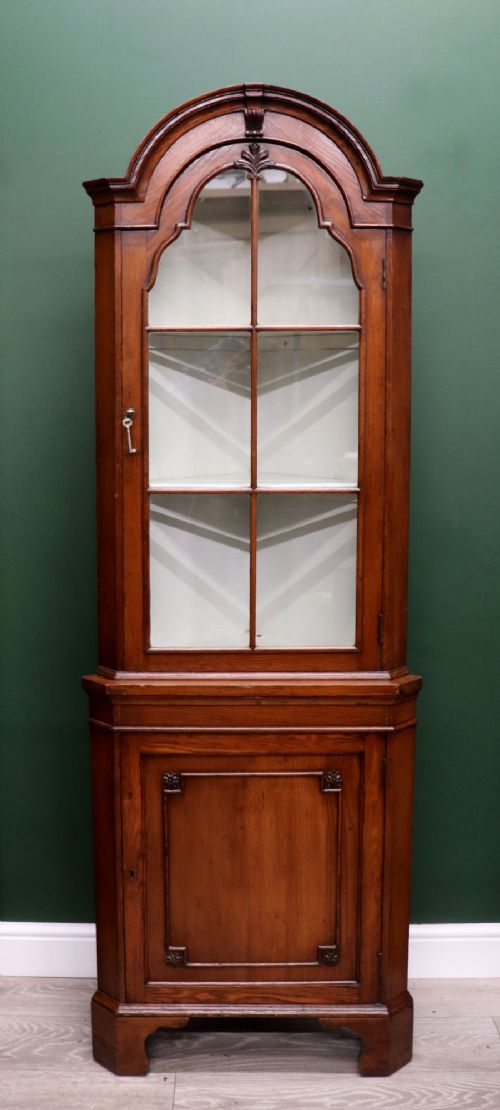
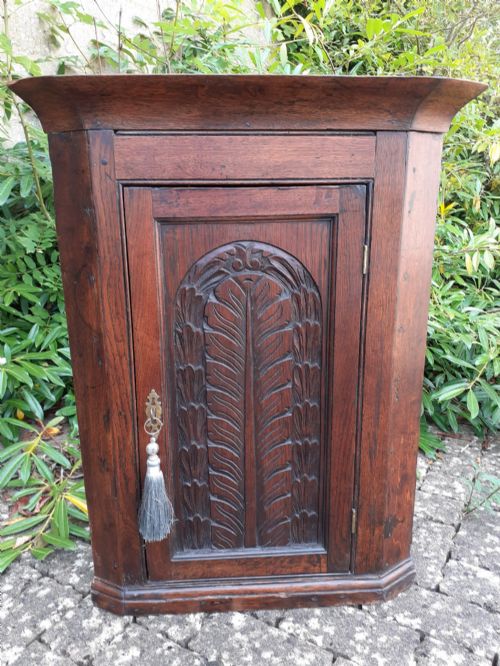
The version you are most likely to meet on this page is the hanging Georgian cupboard constructed from native timber, often featuring a single panelled door and brass H-hinges. Floor-standing examples and two-part varieties also appear regularly, offering larger capacity and distinct regional characteristics from places such as Wales and English country workshops.
Materials and Construction
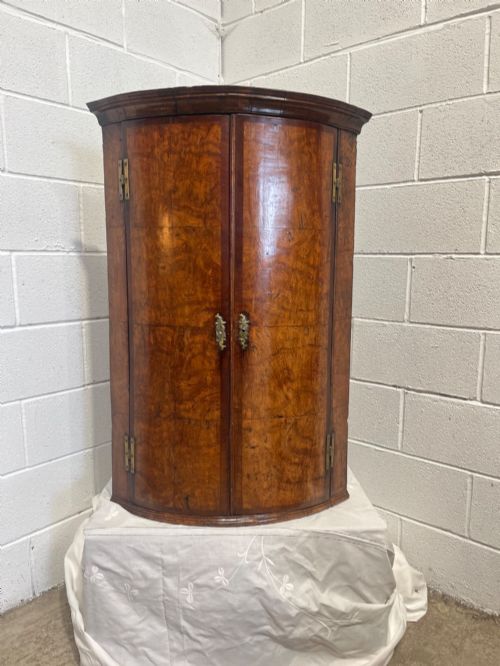
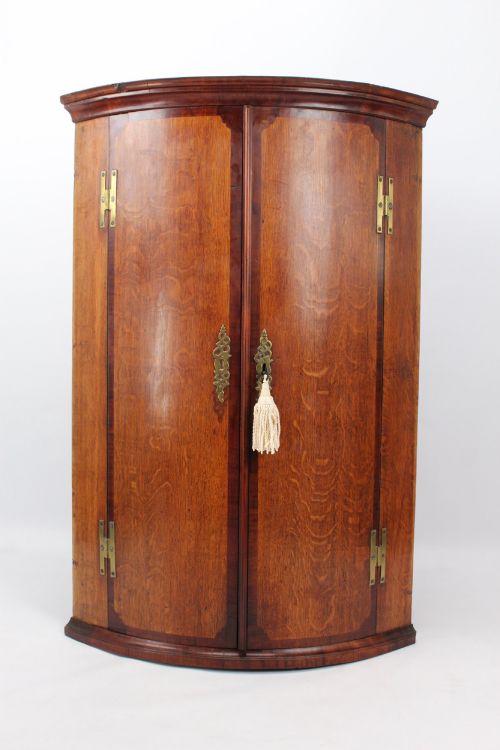
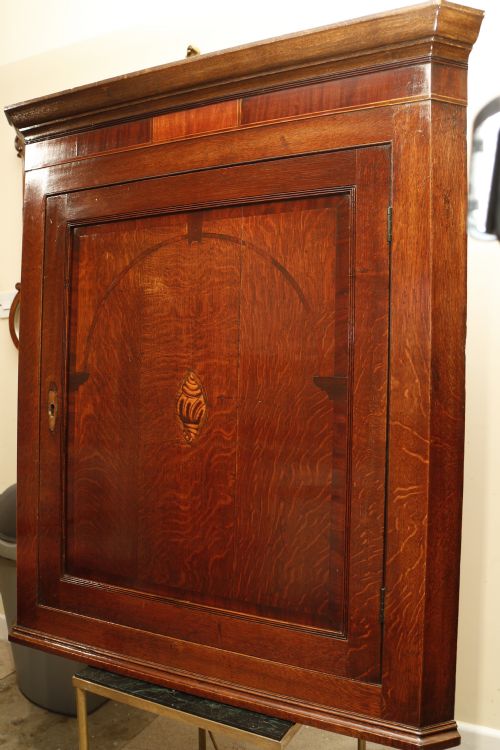
Cabinetmakers built these pieces predominantly using solid oak, frequently supplemented by burr oak veneers, mahogany crossbanding, and occasional fruitwood inlay to create subtle contrast on the exterior surfaces. Workshops relied on traditional joinery methods, mounting doors with brass hardware and fitting interior shelves shaped to match the curved or angled interior walls.
Secondary timbers such as pine or deal often appear on the interior linings and backboards, particularly on provincial and regional examples. Surface decoration ranges from simple panelled doors to sophisticated crossbanded borders and simulated graining applied to secondary woods.
Brown Oak Corner Cupboard Retail Price Guide 2026
Typical asking prices for brown oak corner cupboard among the pieces listed under this phrase on Sellingantiques today, from the lower quarter to the upper quarter. They describe what is for sale here now, not the wider market.
Materials recorded across current items include solid oak, burr oak veneer, mahogany crossbanding, brass hardware, and glass.
Craftsmanship and Proportion
The distinction between ordinary and exceptional examples rests upon the quality of the timber selection and the restraint of the decorative inlay. Cabinets showcasing striking burr oak figures or neat mahogany crossbanding display a superior grade of workshop ambition compared to plain utilitarian versions.
Structural integrity and original hardware also determine the standing of a piece, with surviving brass hinges, escutcheons, and uncompromised cornices elevating the piece. The harmony of proportions between the upper crown and the main body separates standard vernacular work from the finest cabinetmaking.
The Brown Oak Corner Cupboard Glossary
- Crossbanding
- A decorative border technique where thin strips of veneer are laid perpendicular to the grain of the main surface. This method frames the primary timber of the door panel.
- Burr oak
- A growth deformity in the tree that produces highly figured, swirling wood grain patterns. Cabinetmakers sliced this prized material into veneer for prominent door fronts.
- Cornice
- The moulded projection that crowns the top of a cabinet. It finishes the architectural silhouette against the wall.
- Escutcheon
- A flat plate of brass surrounding a keyhole to protect the surrounding wood from wear. They frequently feature distinct period shapes.
- Panelled
- A method of construction where a central wooden floating panel sits within a grooved frame. This technique accommodates the natural expansion and contraction of timber.
Brown Oak Corner Cupboard: Frequently Asked Questions
Where should I place a corner cupboard?
These cabinets suit dining rooms, hallways, or living spaces where an empty junction needs both visual weight and practical shelving. They utilise neglected 90-degree angles without intruding far into the central floor space.
Wall-hanging versions require secure fixing to solid masonry or properly located studs to support the substantial weight of dense oak timber and contents.
How do I date an oak corner cupboard?
Examination of the construction methods, backboards, and hinge types reveals the approximate period of manufacture. 18th-century pieces often display hand- cut pegged joinery and simpler wrought iron or brass H-hinges.
Later Victorian and 20th-century revivals incorporate machine-sawn timbers and different internal shelf configurations that reflect the manufacturing standards of their respective decades.
Are these cupboards one piece or two?
The inventory includes both single-unit hanging cabinets and larger floor-standing designs divided into two separate stacked sections. Two-part cupboards feature a distinct waist moulding where the upper and lower halves meet.
Single hanging units attach directly to walls by internal brackets, whereas floor-standing models rest entirely on the ground with moulded plinths or bracket feet.
What is the difference between hanging and floor standing?
Hanging cupboards attach directly to wall surfaces at eye level, leaving the floor entirely clear beneath them. They function well in smaller rooms or kitchens where ground space remains at a premium.
Floor-standing and two-part cabinets provide significantly greater storage capacity, often incorporating a lower cupboard tier beneath the main display area.