

Antique Wooden Corner Cabinet
An antique wooden corner cabinet solves the awkward puzzle of an empty room angle with practical Georgian or Victorian storage.
What these pieces are
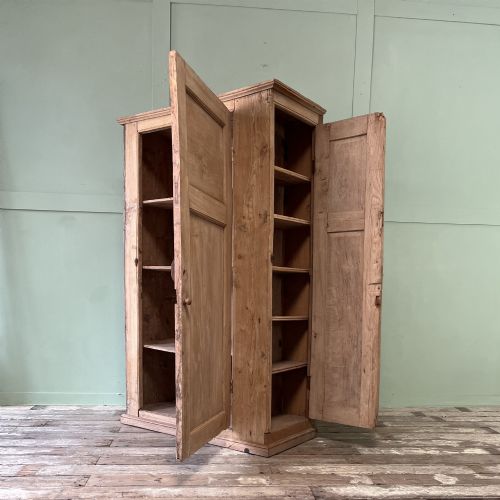
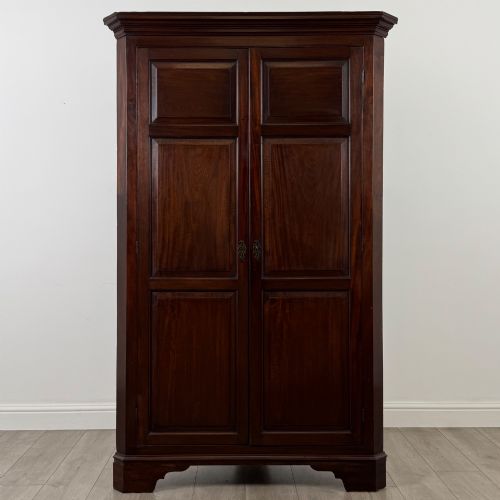
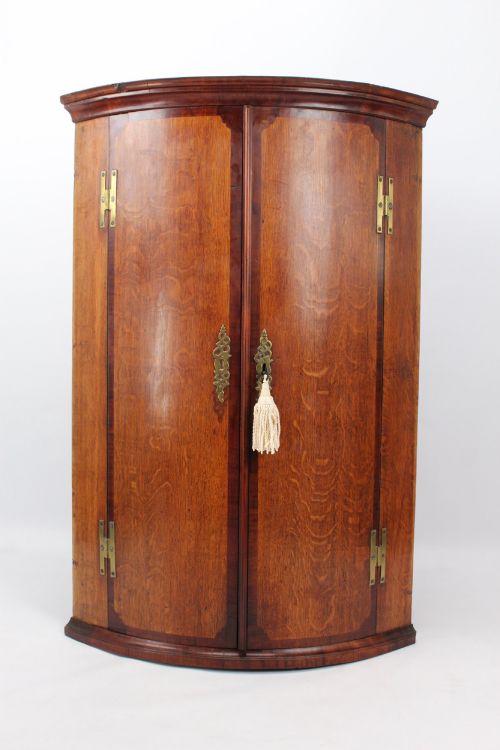
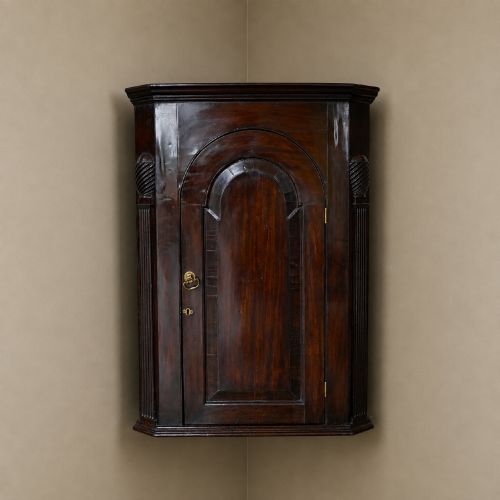
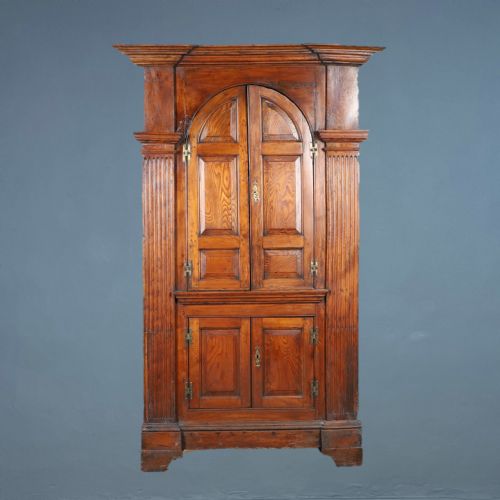
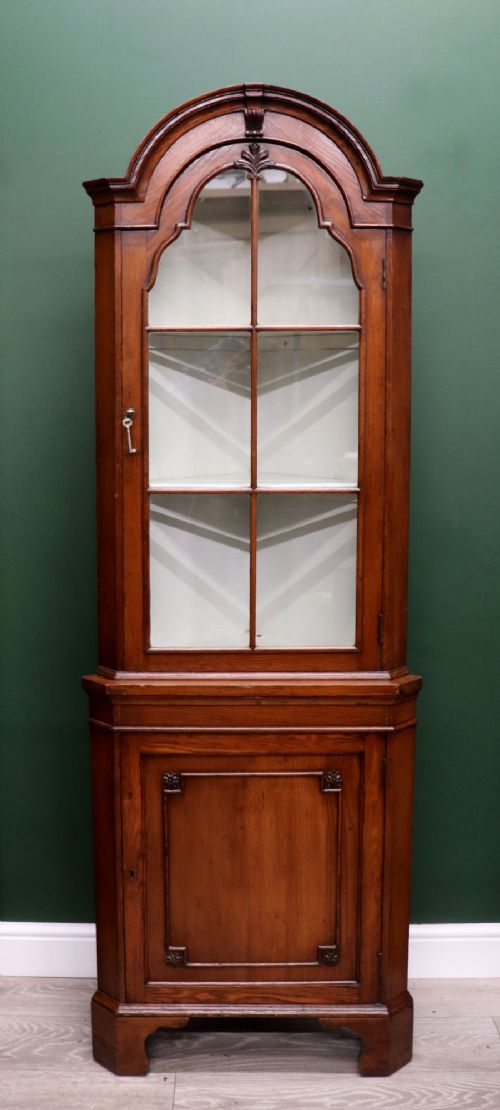
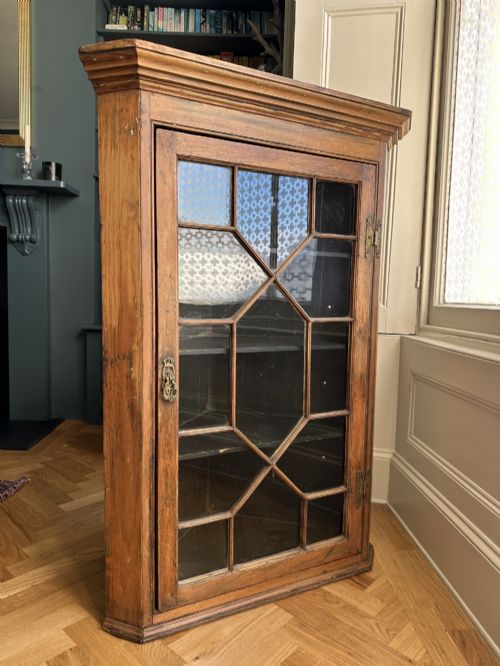
An antique wooden corner cabinet is designed specifically to fit into the ninety-degree junction of two walls, making efficient use of overlooked domestic space. The selection spans the Georgian period through to the late nineteenth century, taking the form of both wall-hanging cupboards and taller pieces raised on stands.
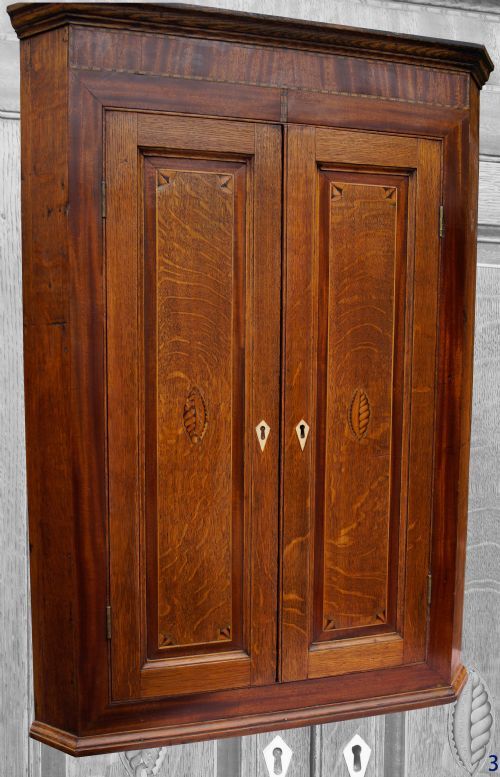
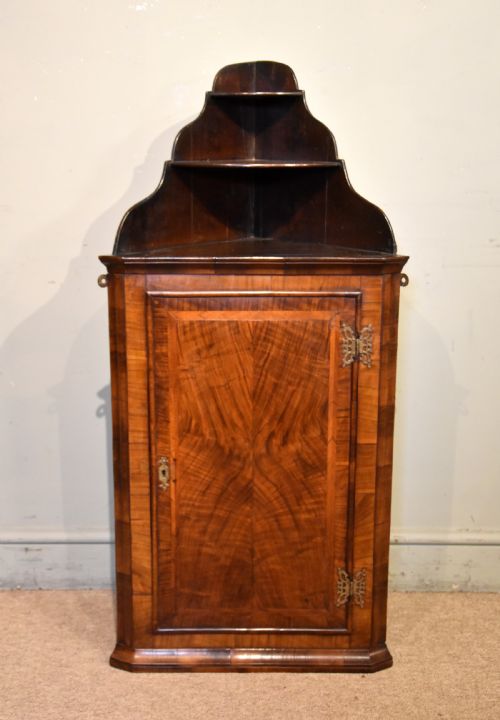
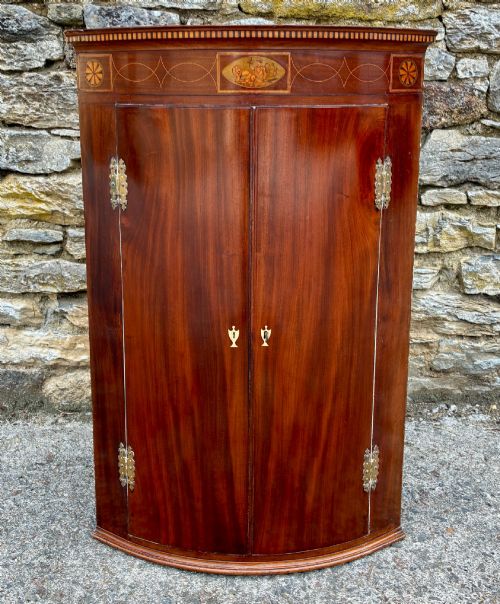
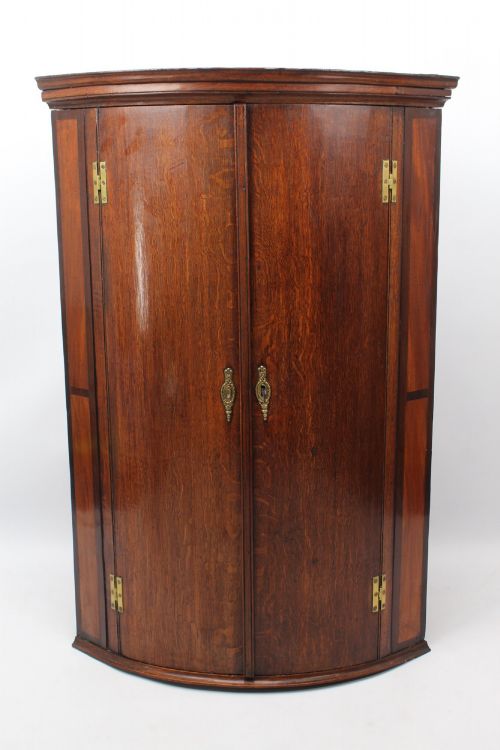
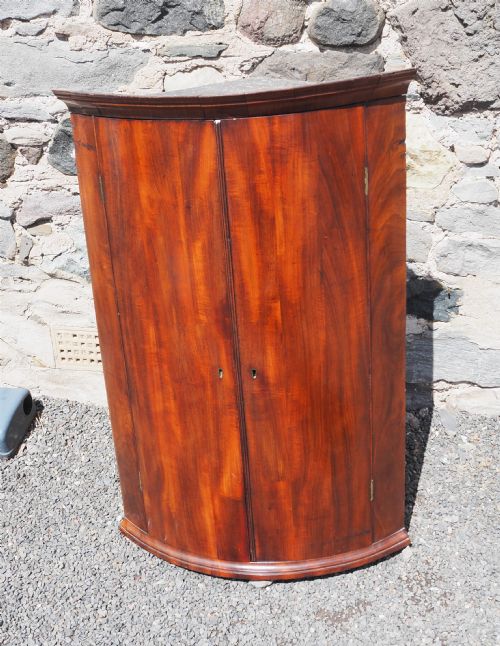
The dominant material across these listings is oak, accompanied by mahogany and painted finishes. Formats include simple single-door cupboards as well as more ambitious examples elevated on legs.
What varies in quality
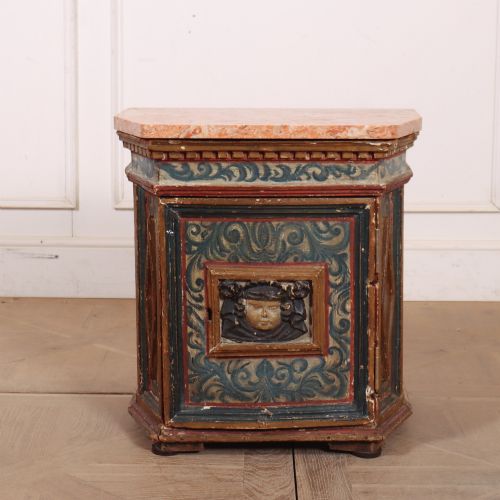
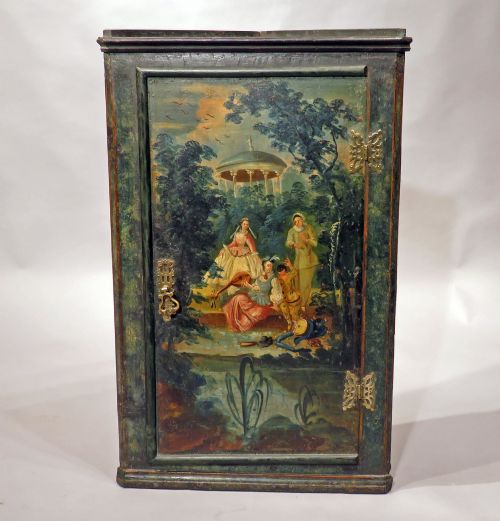
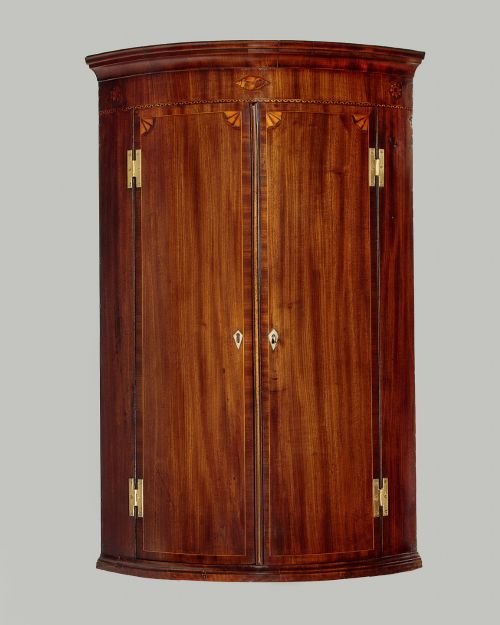
Quality rests in the choice of primary timber, moving from standard utility oak to finely grained mahogany or deliberate decorative treatments like faux tortoiseshell. The presence of carved ornamentation and stands elevates the architectural ambition of the piece.
Construction methods also distinguish standard wall cupboards from those built as standing furniture, particularly when enhanced with wood inlay and robust brass or iron hardware.
Retail Price Guide 2026
Typical UK retail prices for wooden corner cabinet, calculated from the Sellingantiques database of over a million retail prices indexed since 2003. This retail price guide relies exclusively on Sellingantiques data; no external sources or auction records are used, so the figures do not describe the wider market.
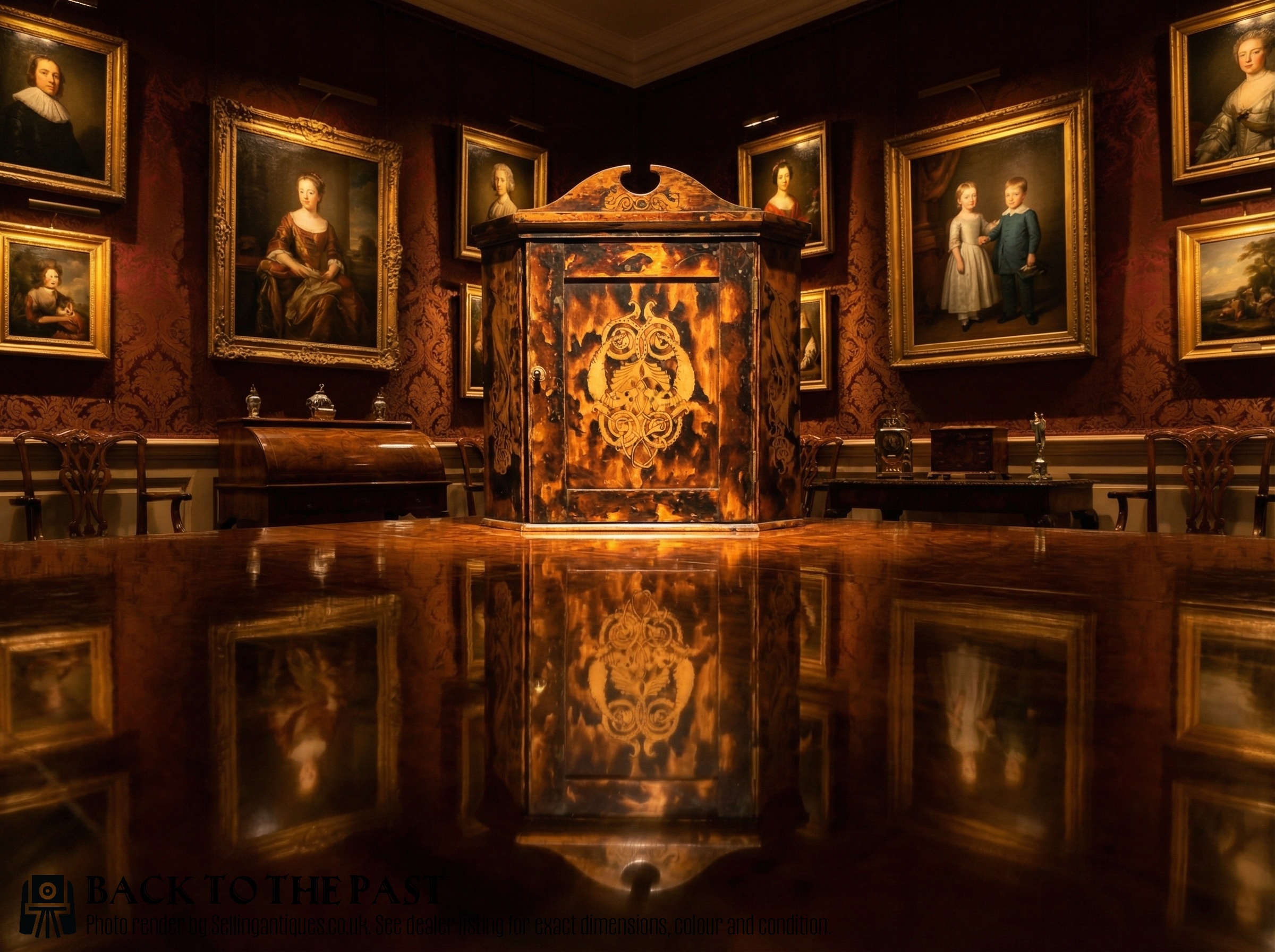
A faux tortoiseshell finish proves that cabinet makers loved a clever illusion just as much as solid timber.
The Antique Wooden Corner Cabinet Glossary
- Corner Cupboard
- A storage unit constructed with a triangular or wedge-shaped footprint to fit neatly into the corner of a room. These typically feature a single panelled door enclosing shelving.
- Corner Cabinet on Stand
- A taller furniture form where the storage cupboard is elevated on an integrated base with legs, providing extra height and presence in a room. This format appears in both Georgian and Victorian examples.
- Faux Tortoiseshell
- A painted or treated surface finish designed to imitate the rich, mottled amber and brown shell of the hawksbill turtle. This technique creates a dramatic decorative pattern on the cabinet door.
- Wood Inlay
- The decorative craft of inserting small pieces of contrasting wood into recesses within the primary timber surface. This creates geometric or botanical patterns across the exterior.
Frequently Asked Questions
How do I hang a wall corner cupboard?
Wall-hanging models require secure fixing directly into masonry or substantial wall studs to support the weight of the timber and its contents.
Professional installation is usually recommended due to the heavy oak or mahogany construction.
What is the difference between Georgian and Victorian models?
Georgian pieces from 1800 often favour simple, functional oak forms, whereas Victorian examples from 1870 frequently introduce heavier dark carvings and stands.
Stylistic influences also shift from classical Georgian restraint to Victorian and Gothic revival designs.
Can these cabinets stand on the floor?
Certain versions are specifically built as cupboards on stands, featuring integrated legs designed to rest directly on the floor.
Standard corner cupboards are intended to be mounted higher up on walls rather than left freestanding.
What woods were used to make them?
The primary timbers recorded in these pieces are oak and mahogany, sometimes enhanced with painted finishes.
Hardware elements incorporate brass and iron, while surface decoration includes wood inlay.