


18th Century Oak Cabinet
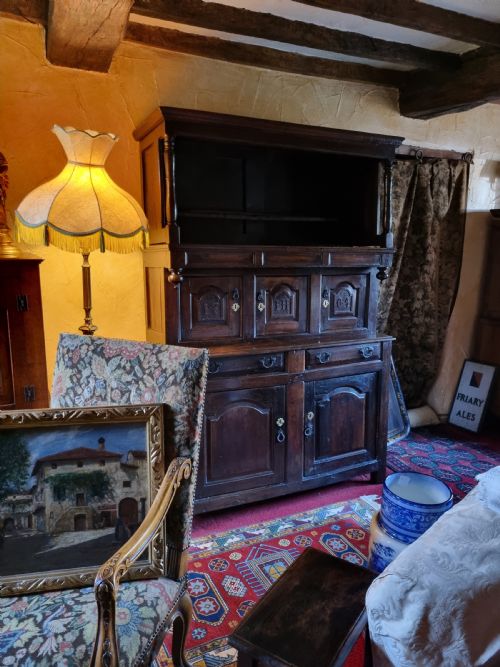
When you select an 18th century oak cabinet, you bring home a sturdy piece of functional history built to last generations.
18th Century Oak Cabinet
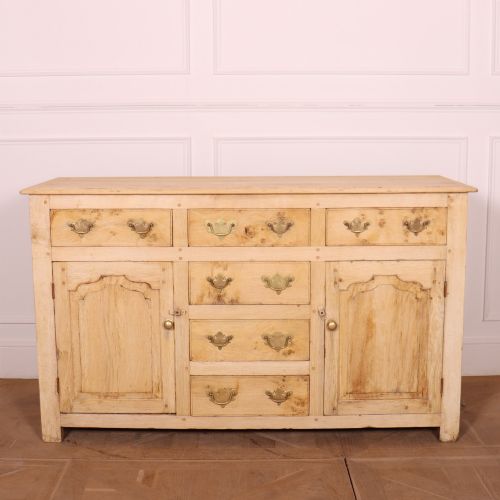
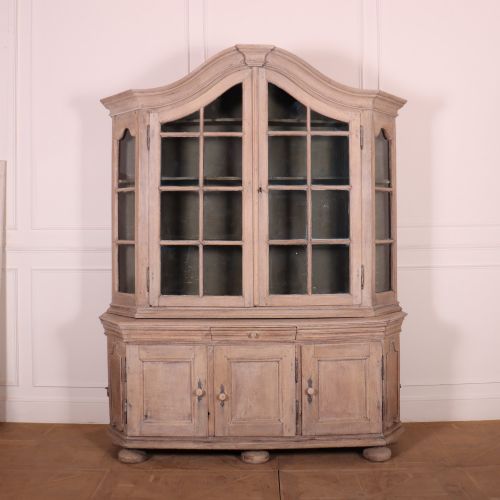
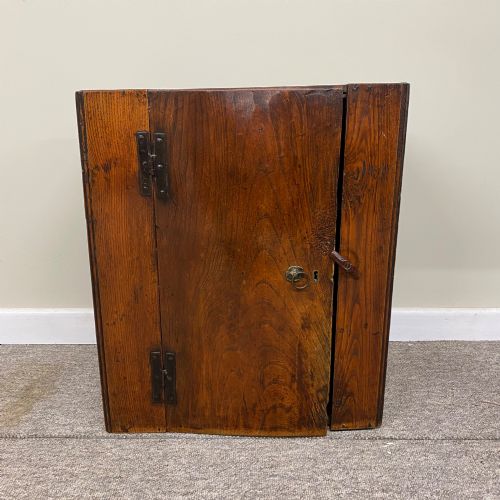
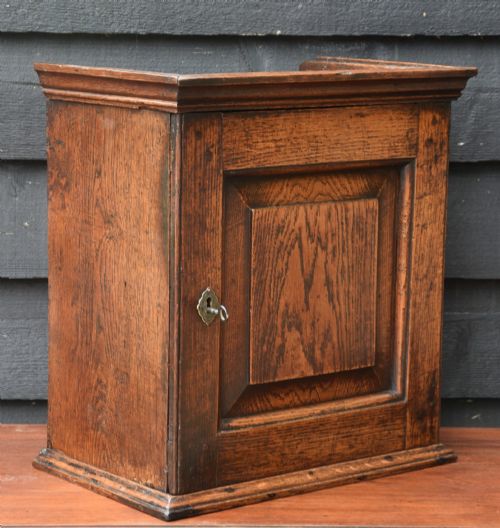
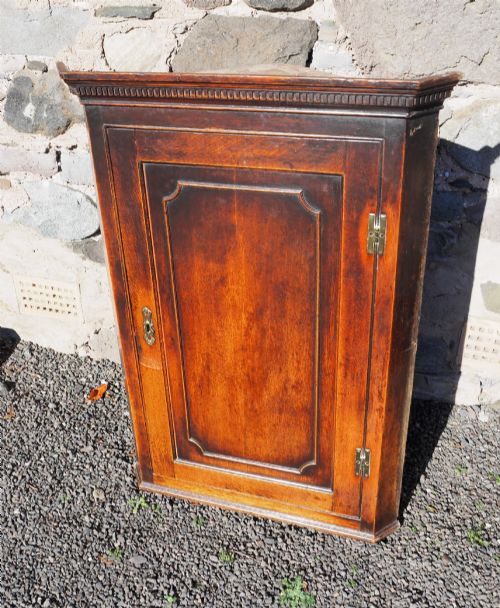
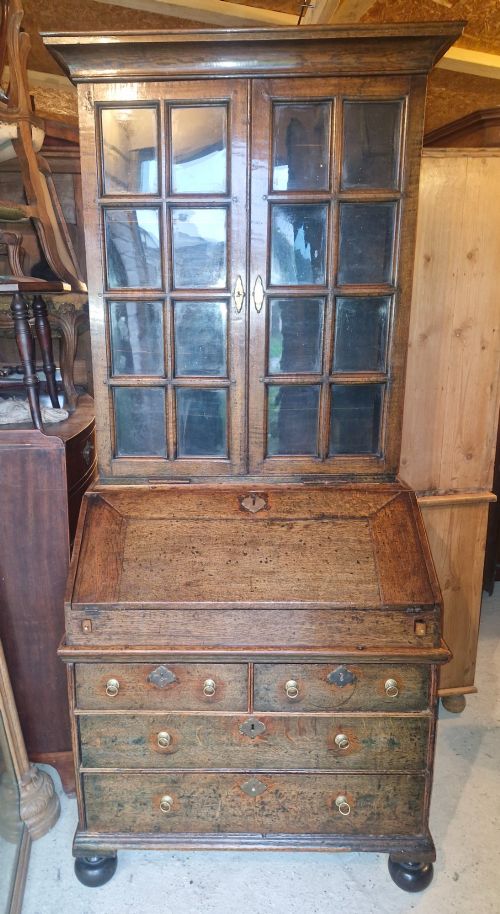
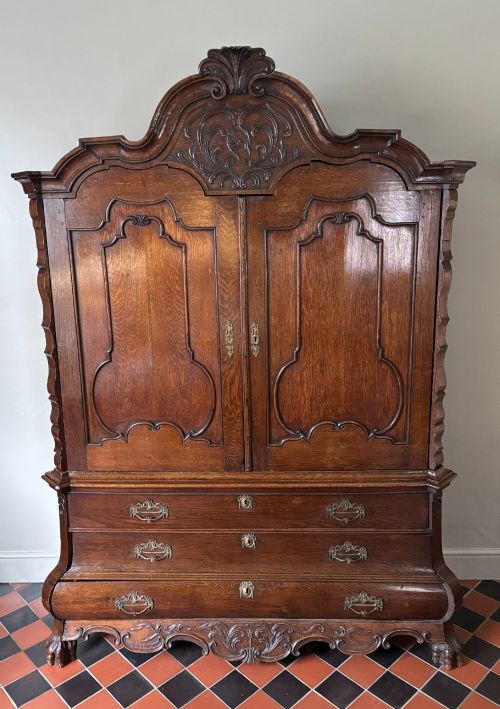
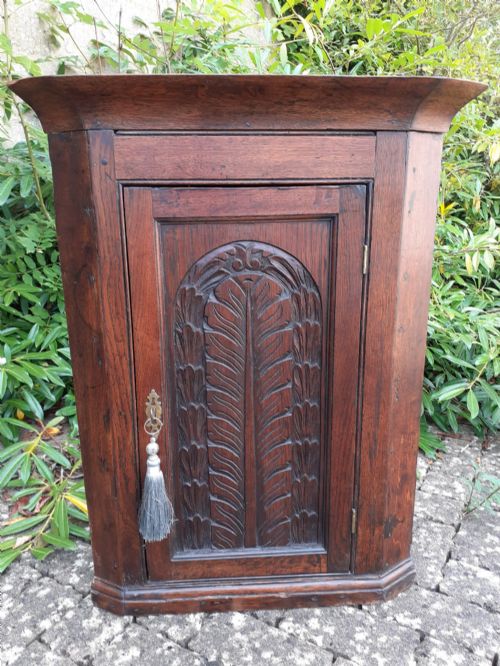
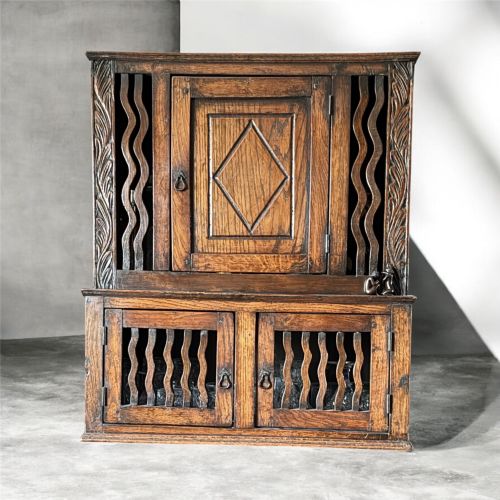
The 18th century oak cabinet encompasses a wide array of storage furniture, ranging from small wall-hanging corner cupboards to tall court cupboards, dressers, and bureau bookcases. Buyers searching this phrase most frequently encounter corner cabinets and dressers originating from Georgian England and Wales, alongside continental examples.
Makers of the period produced these forms to organise domestic spaces, leading to regional variations like Welsh tridarns and Dutch display cabinets. The survival of such diverse forms demonstrates the utility and enduring appeal of early timber storage.
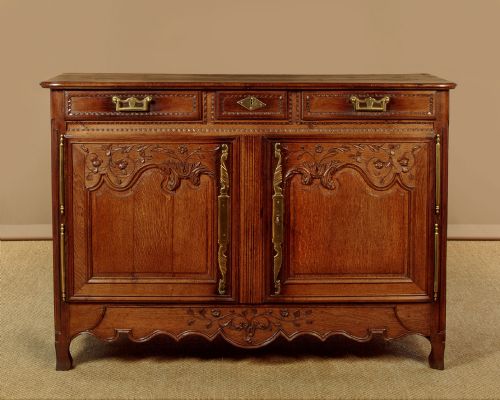
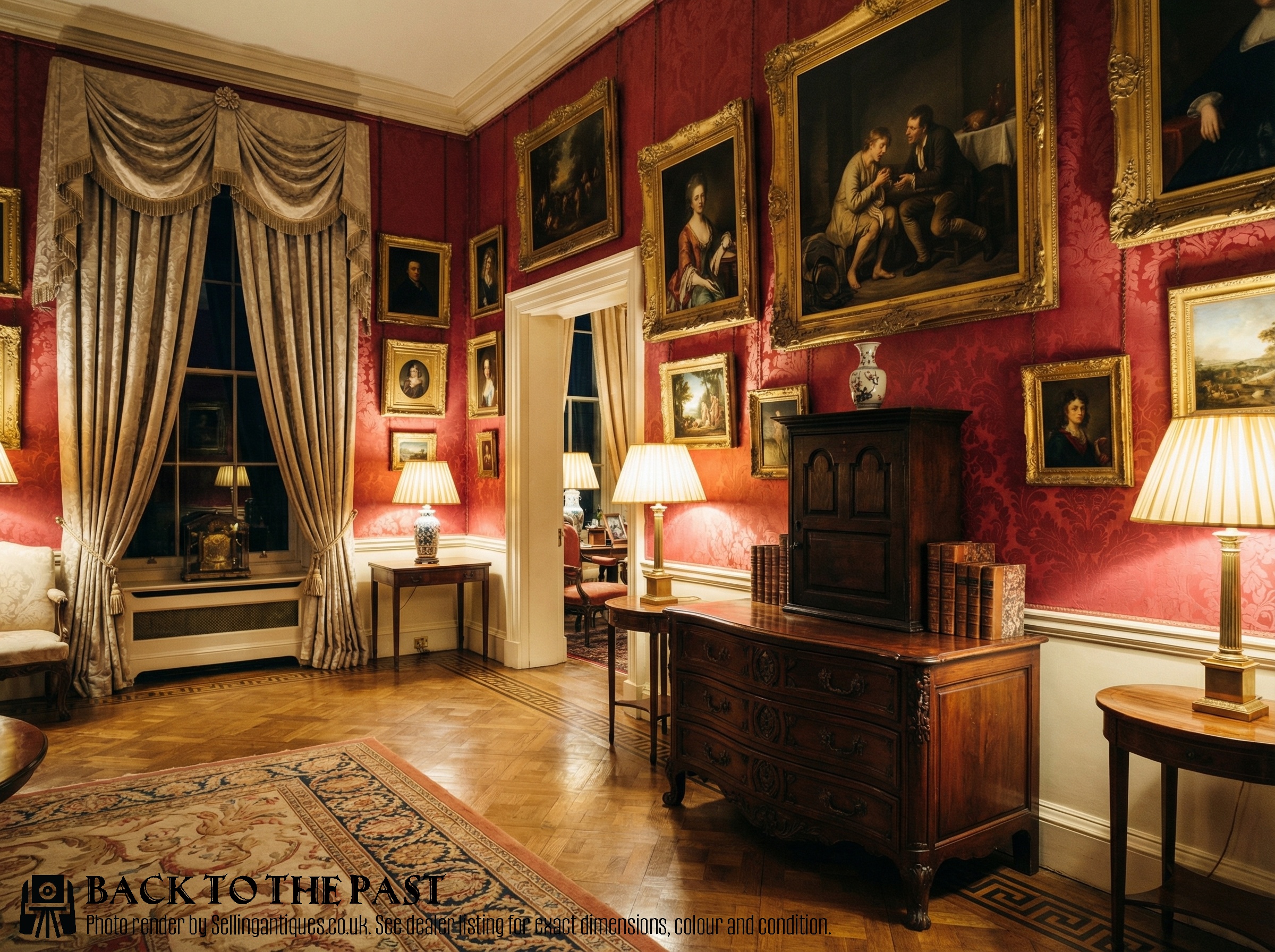
Pieces span several decades of design evolution, shifting from heavy seventeenth-century survivals to lighter George III styles and provincial French models. This variety allows collectors to select specific regional characteristics and construction types that suit traditional interiors.
Materials and construction methods
Cabinet makers relied primarily on solid oak, occasionally combining it with secondary woods such as elm, fruitwood, or mahogany banding, depending on the region and the status of the commission. Brass handles, escutcheons, and wrought iron hinges provided functional reinforcement and visual contrast against the dark timber.
Joinery techniques included panel-and-frame construction, dovetailing for drawer construction, and hand-cut peg fastenings that allowed the timber to expand and contract naturally. Glass panes in glazed doors were secured with lead or wooden glazing bars, while surfaces were often finished with wax or polish to protect the grain.
18th Century Oak Cabinet Retail Price Guide 2026
Typical asking prices for 18th century oak cabinet among the pieces listed under this phrase on Sellingantiques today, from the lower quarter to the upper quarter. They describe what is for sale here now, not the wider market.
Listings feature periods spanning from 1700 through the Regency era, showcasing oak alongside elm, fruitwood, and mahogany.
Distinctions in craftsmanship and preservation
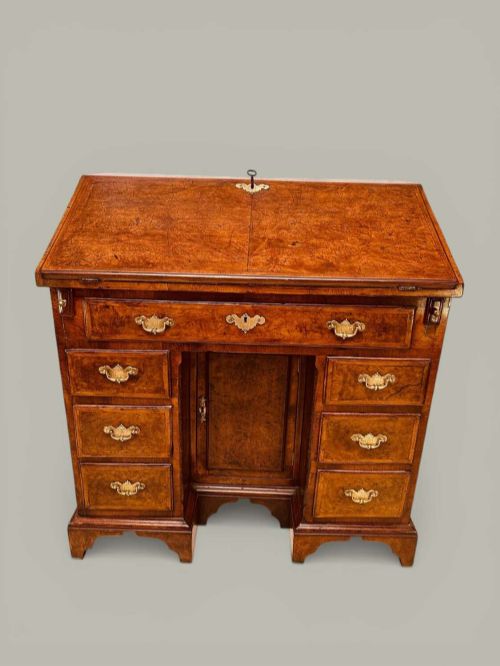
Quality in these pieces depends heavily on the integrity of the timber selection, such as figured burr oak or quarter-sawn boards that display pronounced medullary rays. Superior examples retain their original backs, brasses, and operational locks rather than relying on modern replacements.
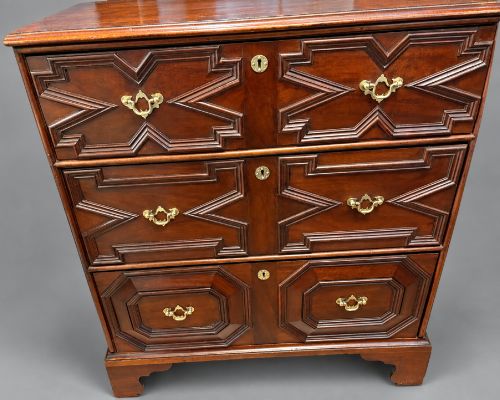
The finesse of hand-carved details, whether geometric panels on early court cupboards or delicate astragal glazing on Georgian bookcases, separates standard utility furniture from high-status commissions. Degree of later alteration also dictates value, as untouched surfaces and original patination command greater interest than heavily restored examples.
The 18th Century Oak Cabinet Glossary
- Court cupboard
- A heavy, multi-tiered storage piece originating in the seventeenth and early eighteenth centuries, typically featuring enclosed upper and lower sections.
- Tallboy
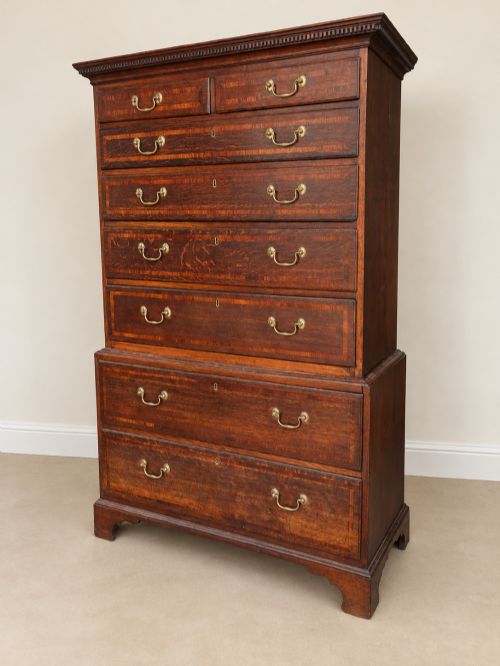
- A tall chest of drawers stacked one above another, often split into two sections with a smaller top tier resting on a larger base.
- Astragal
- A moulded strip of wood or metal used to hold panes of glass within a glazed cabinet door.
- Bureau bookcase
- A writing desk with a sloping fall-front lid combined with a set of upper bookshelves enclosed by doors.
18th Century Oak Cabinet: Frequently Asked Questions
How do I clean an old oak cabinet?
Maintenance requires only a soft cloth and occasional applications of beeswax to nourish the dry timber. Avoid modern liquid polishes containing silicone, which can penetrate open grain and ruin the patina.
Keeping the piece away from direct heat sources and dramatic humidity swings prevents the solid oak panels from splitting or warping over time.
Were these cabinets used in kitchens?
Many early cupboards, spice chests, and dresser bases served primarily in domestic kitchens and pantries to store dry goods, ceramics, and utensils. Regional pieces like potboard dressers held heavy pots and platters on open lower shelves.
Other formats, such as bureau bookcases and grand corner cabinets, were designed for reception rooms, parlours, and studies to display books and valuables.
How can I tell a Georgian piece apart?
Georgian examples often display lighter proportions, refined bracket feet, and classical architectural mouldings influenced by contemporary design treatises. The introduction of mahogany banding or cross-banding on oak doors typically points towards the later eighteenth century.
Earlier pieces from the Queen Anne or early George II periods tend to feature heavier plank construction, geometric raised panels, and turnings without decorative veneers.
Do these cabinets come apart for moving?
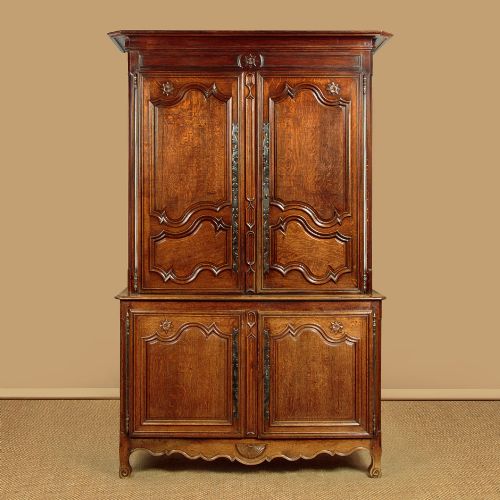
Larger forms such as court cupboards, linen presses, and bureau bookcases were constructed in two separate sections to facilitate transport in earlier centuries. Tall corner cabinets and dressers similarly split into upper and lower modules, making them manageable to move.
Checking the construction reveals whether the carcass separates at a natural horizontal moulding or if it remains fixed as a single solid unit.