


Antique Wall Mounted Cabinet
An antique wall mounted cabinet brings character to limited spaces, holding small treasures while clearing the floor.
Antique Wall Mounted Cabinet
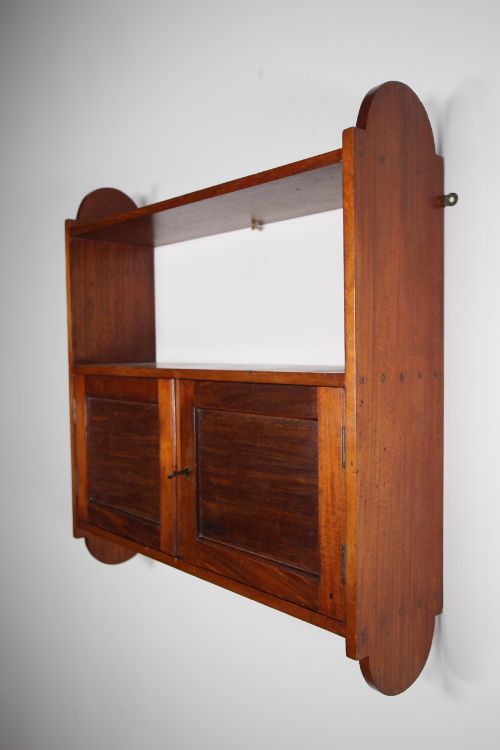
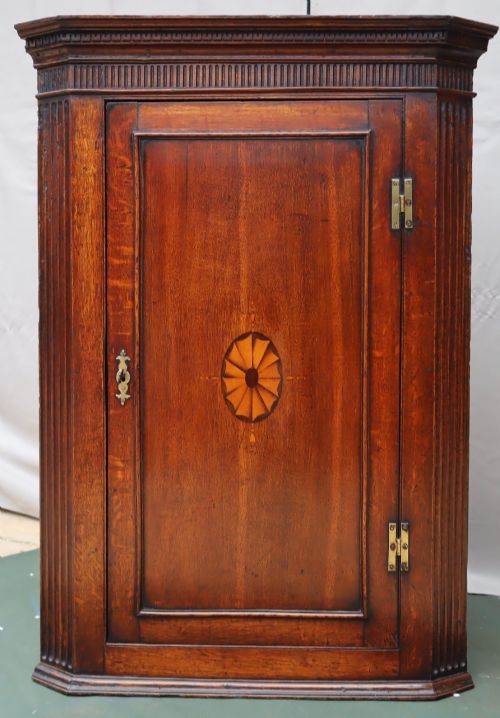
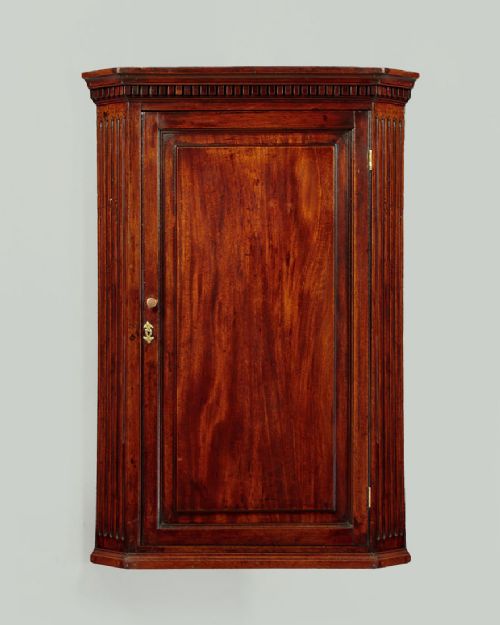
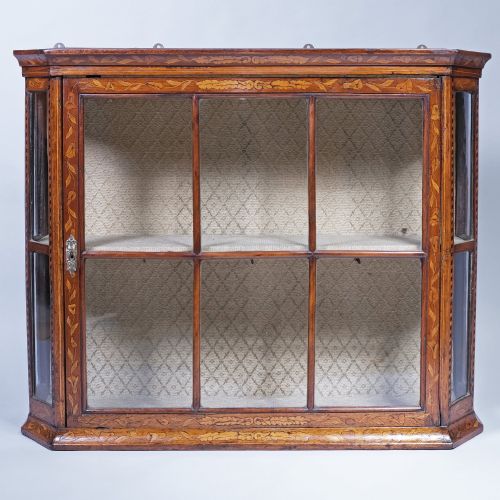
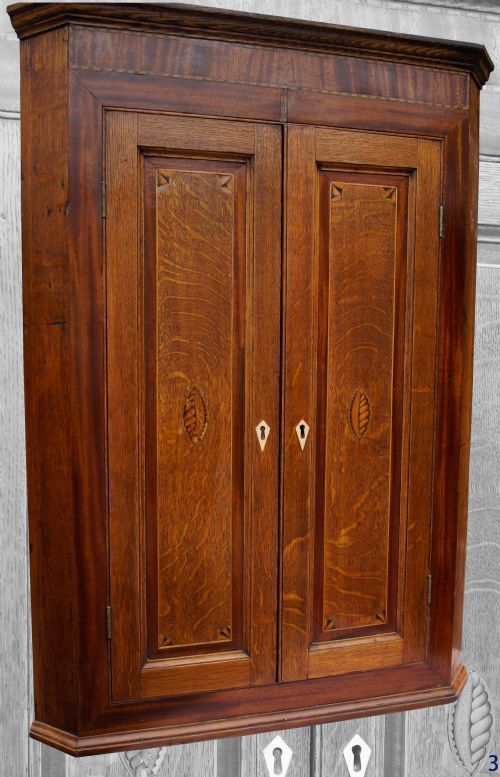
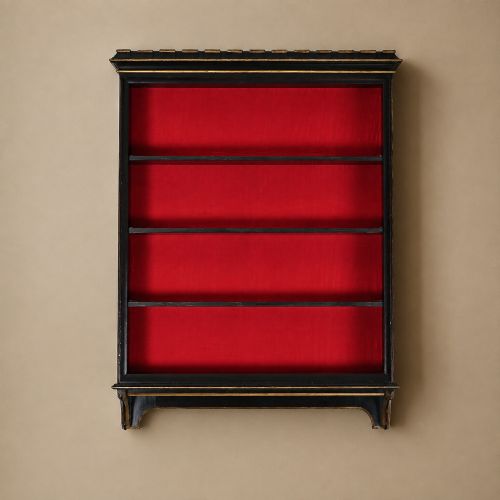
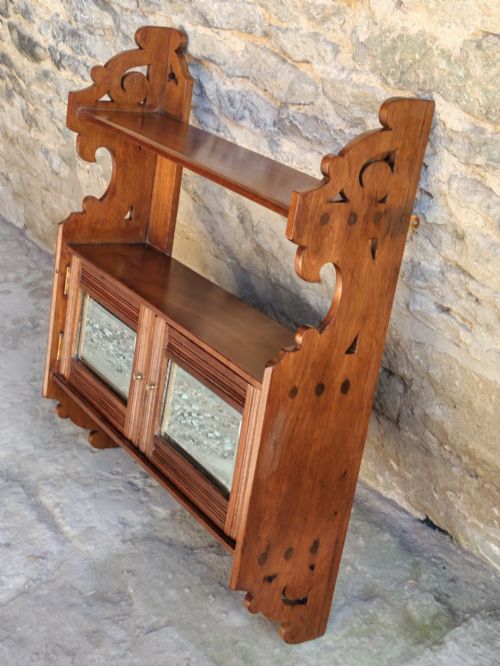
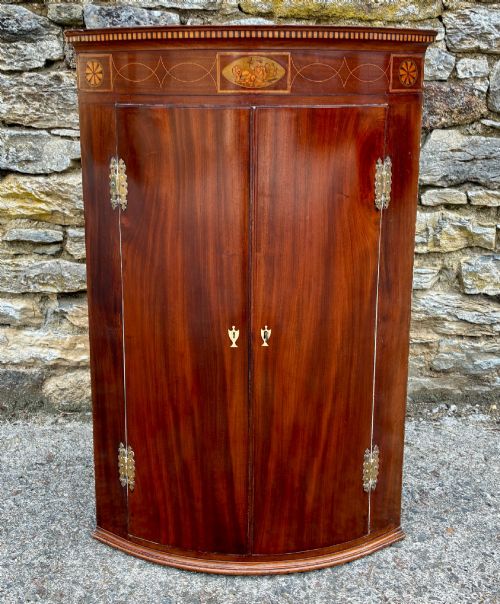
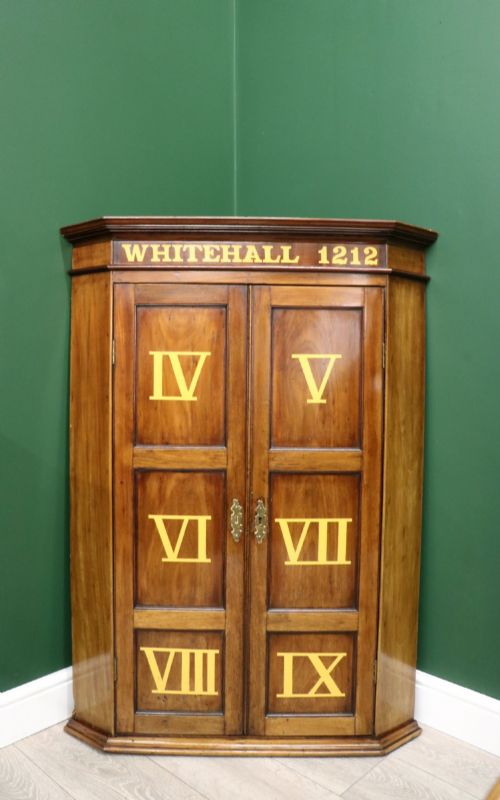
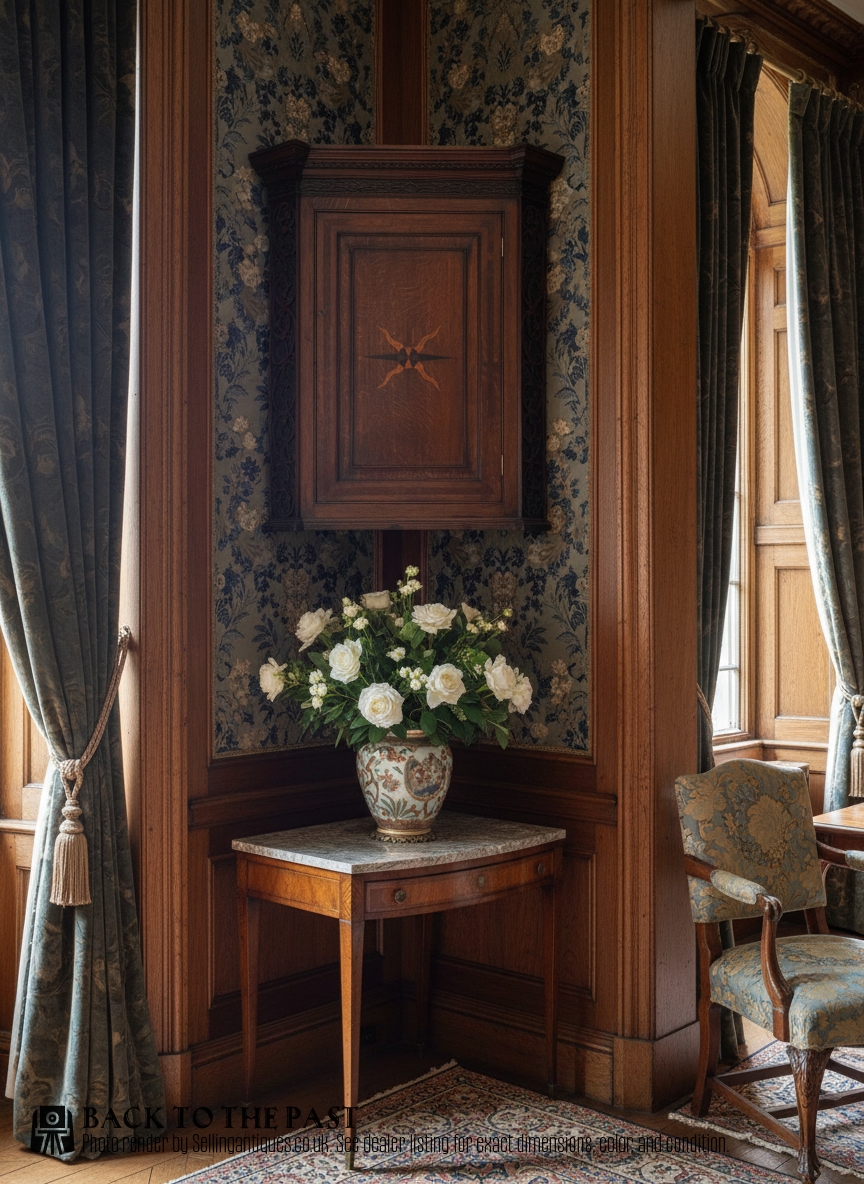
An antique wall mounted cabinet is primarily found as a hanging corner cupboard, a wall cabinet, or a set of hanging shelves designed to utilise vertical wall space in domestic interiors. These hanging pieces utilise corners and flat walls alike to store or display items without crowding the room.
The pieces encountered on this page span Georgian, Victorian, Edwardian, and earlier 18th-century periods, showcasing diverse regional forms from English oak corner cupboards to French provincial chestnut lavabo cabinets.
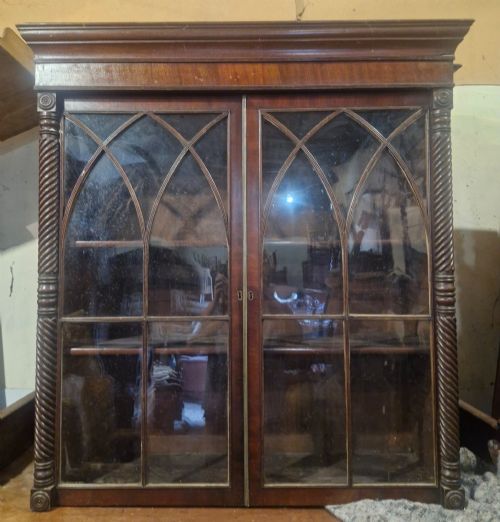
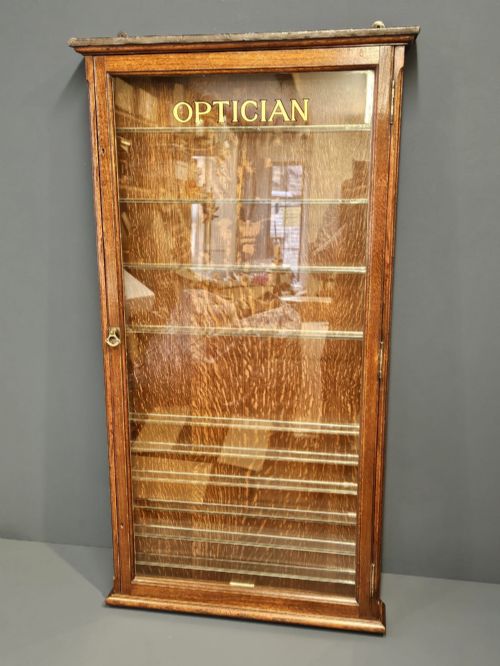
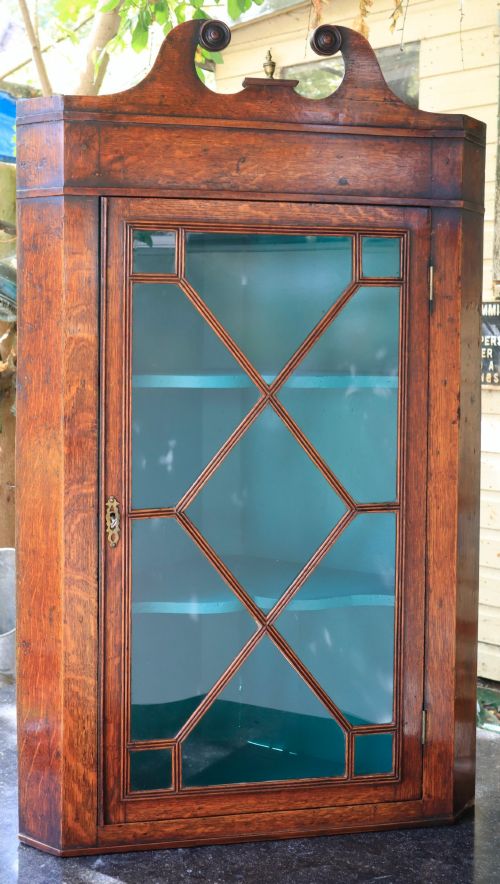
Common variations include glazed display doors, bow fronts, and interior pigeon holes or shelves designed for specific domestic uses such as holding books, kitchen knives, or bathroom shaving items.
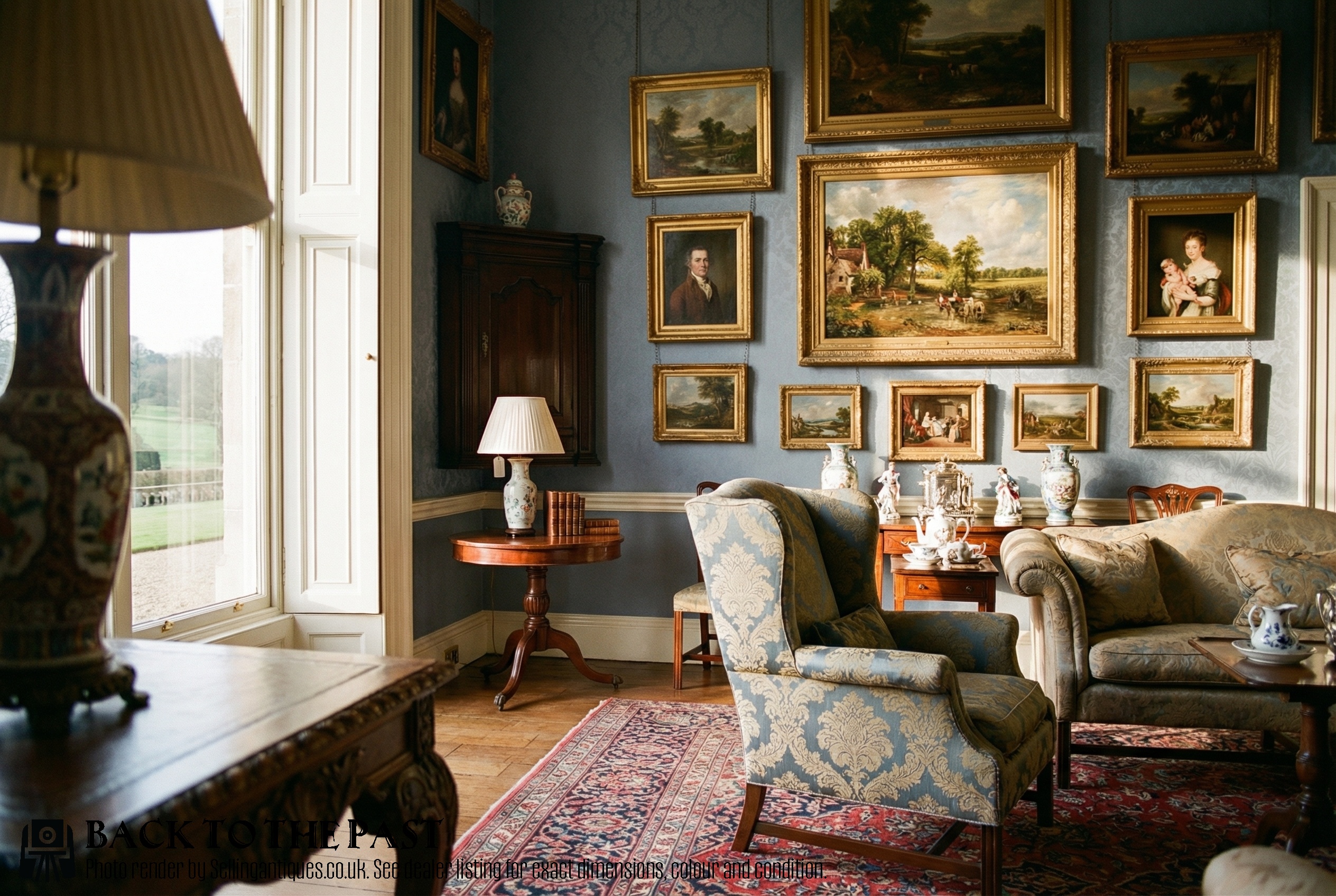
Materials and construction methods
Makers utilised dependable timbers such as mahogany, oak, walnut, pine, and satinwood, often selecting denser woods like mahogany for fine Georgian hanging cupboards and oak for rustic farmhouse or Welsh corner cupboards.
Construction relies on traditional joinery techniques suited for hanging weights, supplemented by brass hinges, locks with keys, glass panels for display, and occasional decorative elements such as marquetry or pokerwork.
Antique Wall Mounted Cabinet Retail Price Guide 2026
Typical asking prices for wall mounted cabinet among the pieces listed under this phrase on Sellingantiques today, from the lower quarter to the upper quarter. They describe what is for sale here now, not the wider market.
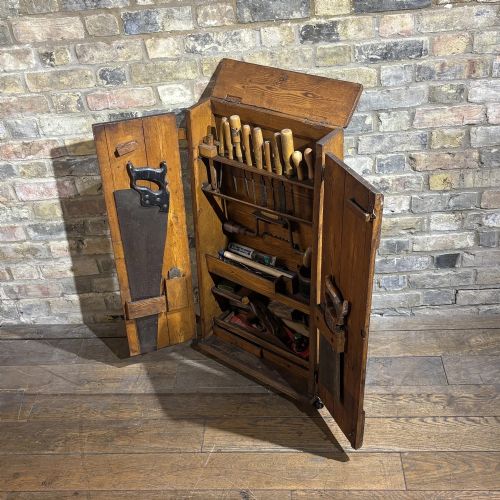
Form variations range from glazed display cabinets and bow front corner cupboards to railway ticket cupboards and portable tool chests.
Judging the quality of hanging cabinets
Quality rests on the selection of timber and the precision of the cabinetmaker's joinery, visible in how tightly doors shut and how cleanly cornices or pediments like broken arch designs are executed.
Surface finish and original hardware, including brass escutcheons and working locks with keys, distinguish superior examples from plain utilitarian boxes.
George Edmund Street
The Antique Wall Mounted Cabinet Glossary
- Bow front
- A convex, curved front to a cabinet or cupboard that softens angular corners and provides a fuller interior shape.
- Corner cupboard
- A triangular cabinet specifically constructed to fit snugly into the corner of a room, saving floor space.
- Pediment
- The decorative architectural crowning feature above the door or top cornice of a cabinet, such as a broken arch.
- Marquetry
- The art of applying decorative veneer pieces in wood to form intricate patterns and pictures on furniture surfaces.
- Pigeon holes
- Small, open compartments inside a cabinet or desk used for sorting letters, papers, or small items.
Antique Wall Mounted Cabinet: Frequently Asked Questions
How were antique wall mounted cabinets used originally?
These cabinets served practical storage and display functions in various domestic rooms, holding everything from kitchen knives and shaving equipment to books and precious ceramics.
Corner cupboards made efficient use of awkward angles in smaller chambers, keeping everyday belongings organised and secure behind locked doors.
How do I secure an antique hanging cabinet to the wall?
Hanging cabinets rely on robust original fixing points or brackets fitted to their internal framing to bear the weight of the timber and its contents safely.
Modern wall anchors should match the weight of the specific wood and the nature of your wall, ensuring the cabinet hangs level and secure.
How can I tell a Georgian hanging cabinet from a Victorian one?
Georgian pieces often display restrained classical proportions, premium mahogany or oak timbers, and fine details like inlaid stringing or architectural pediments.
Victorian examples frequently introduce darker ebonised finishes, pitch pine, Gothic revival influences, or more utilitarian workshop designs.