

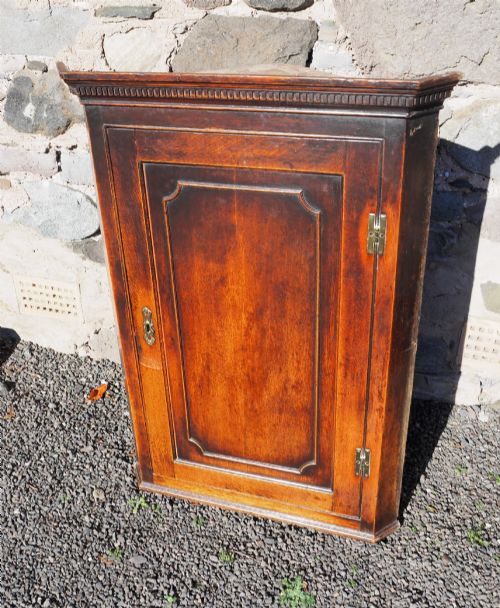
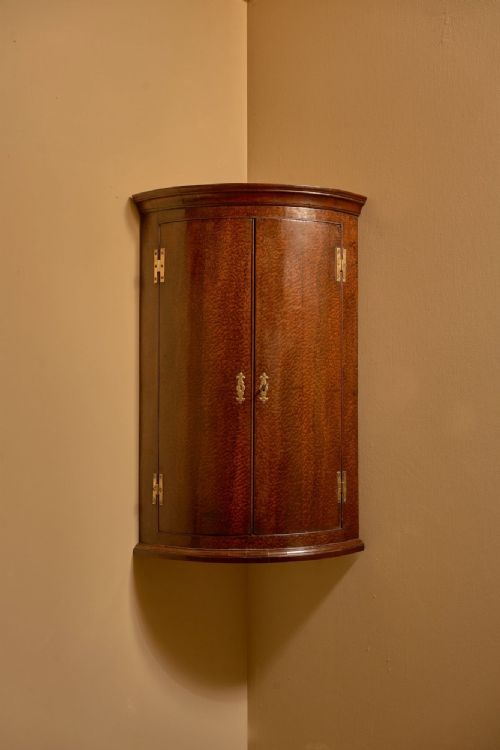
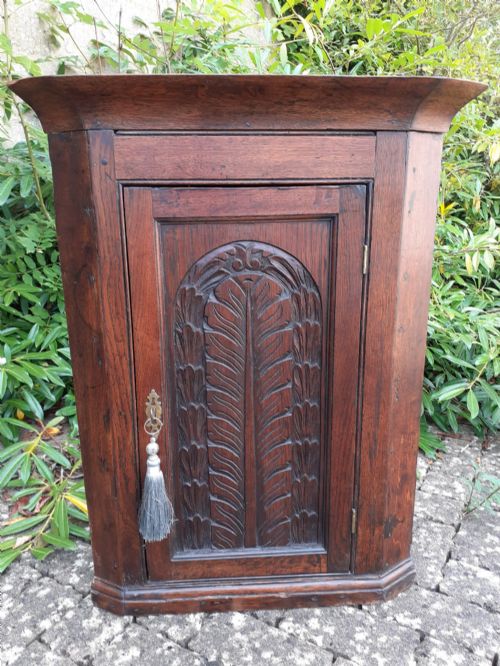
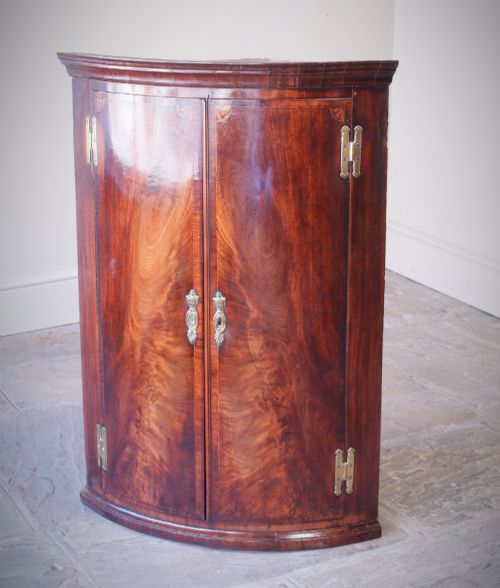
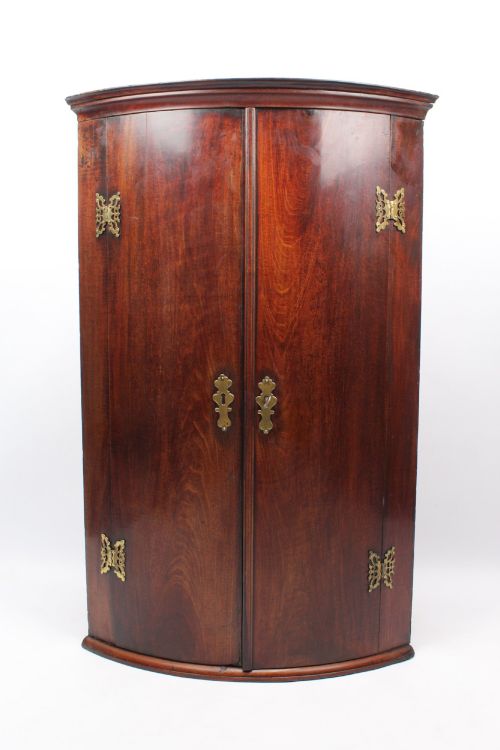
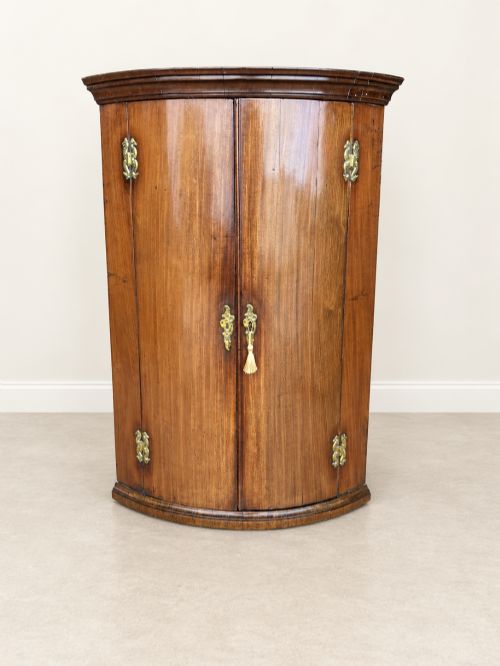
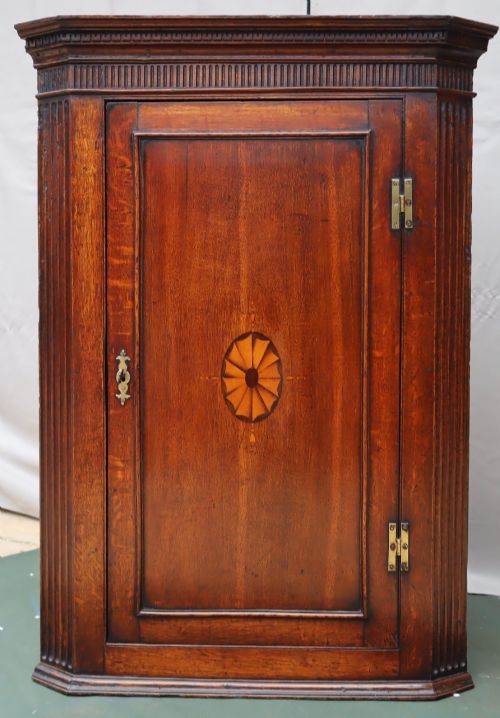
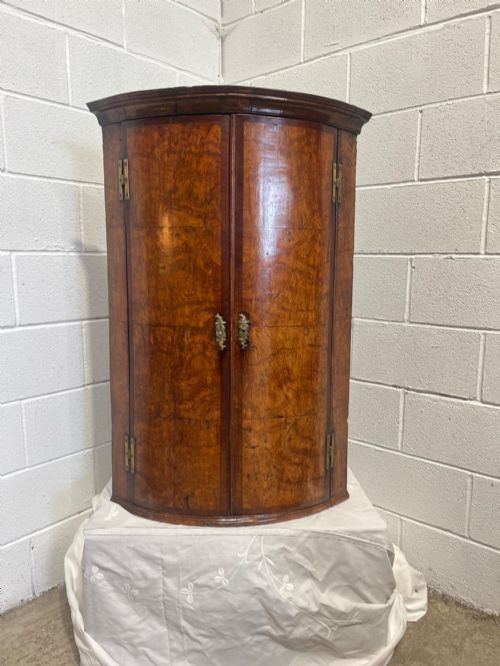
Georgian Hanging Corner Cupboard
A georgian hanging corner cupboard turns awkward dead space into a focal point by tucking neat architectural storage neatly into any room.
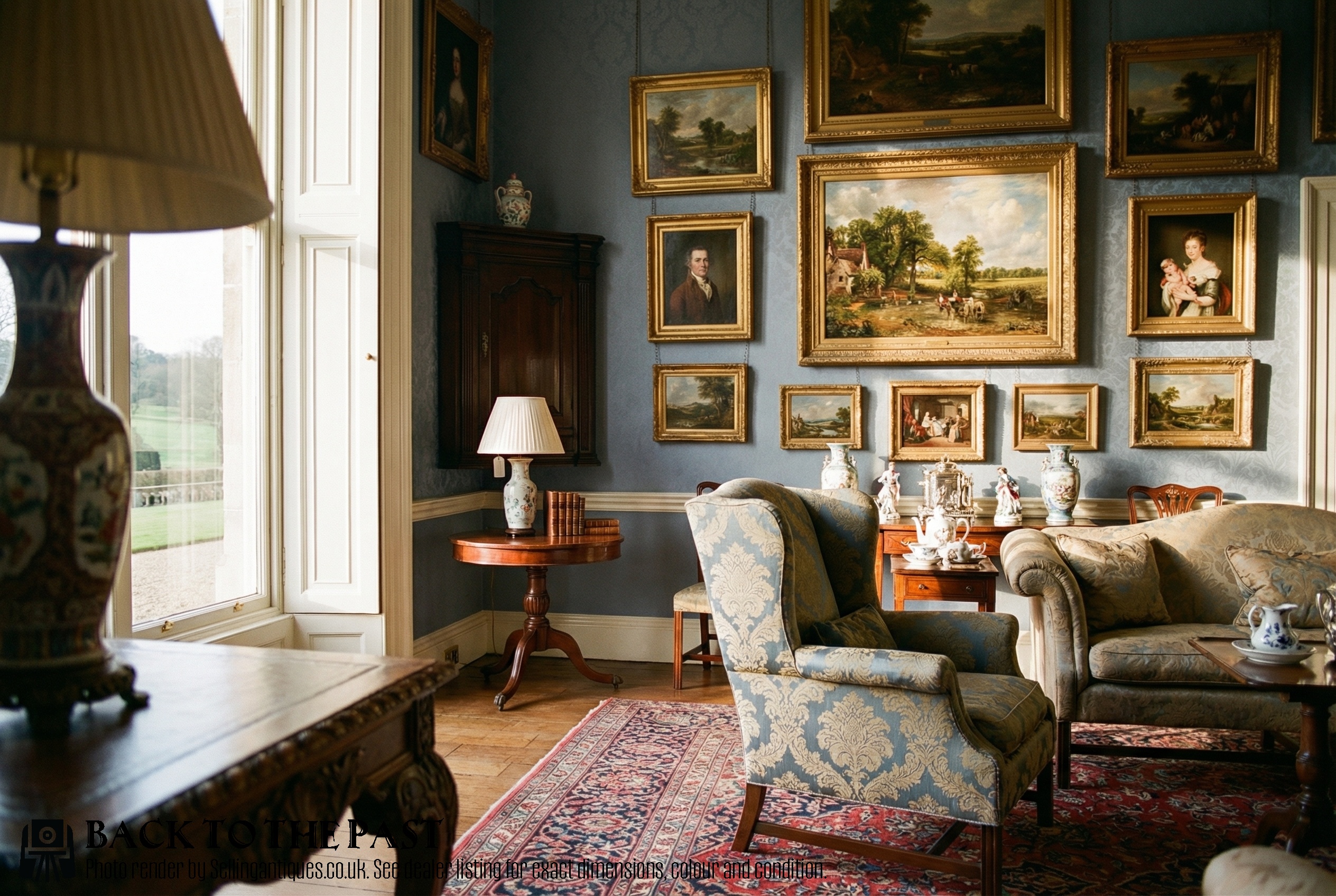
Georgian Hanging Corner Cupboard
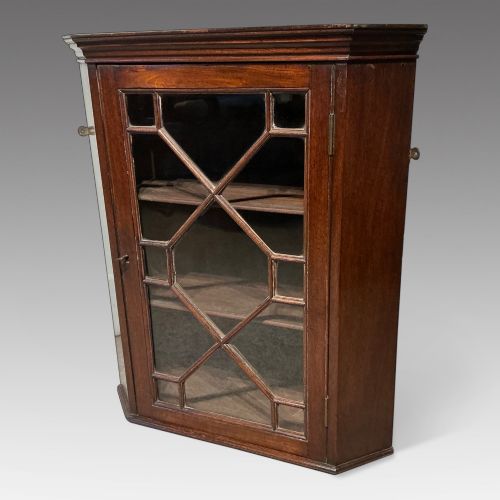
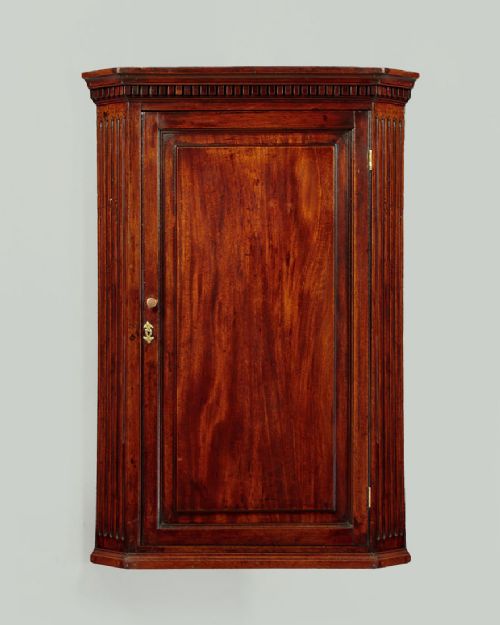
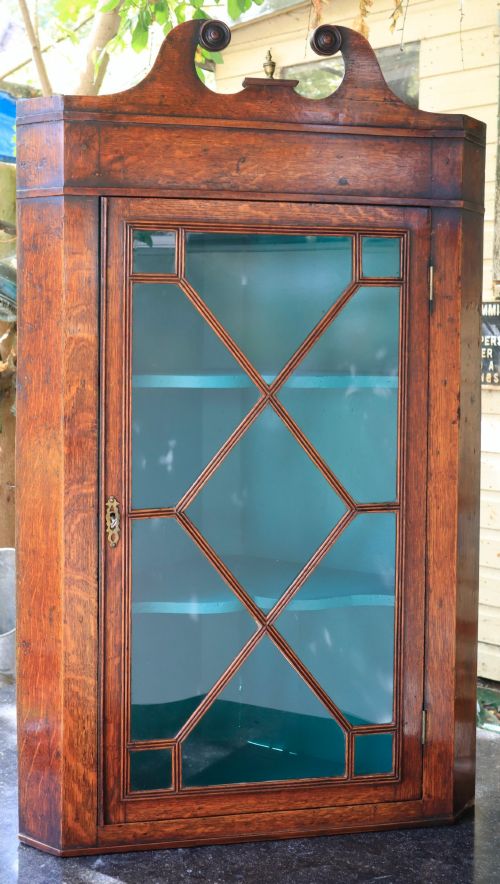
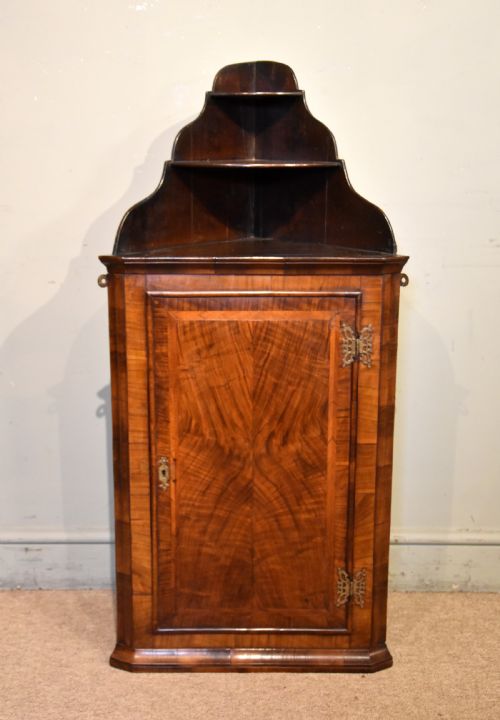
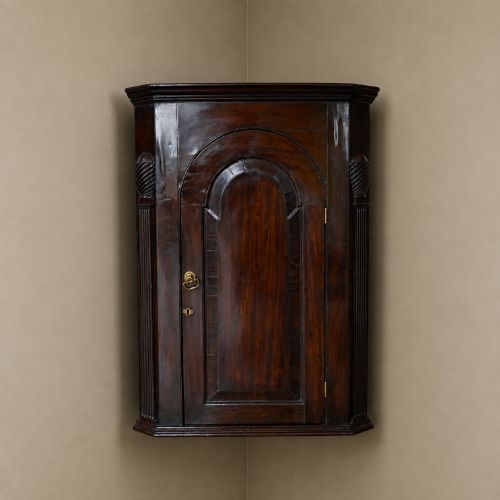
A georgian hanging corner cupboard is a wall-mounted cabinet specifically designed to fit into the ninety-degree junction of two interior walls. These pieces maximise room utility by utilising space that standard rectangular furniture cannot occupy.
The selections span predominantly through the eighteenth and nineteenth centuries, featuring periods from George I and George II through to George III and the Regency era. Cabinetmakers constructed these units in both flat-fronted triangular shapes and curved bow front profiles.
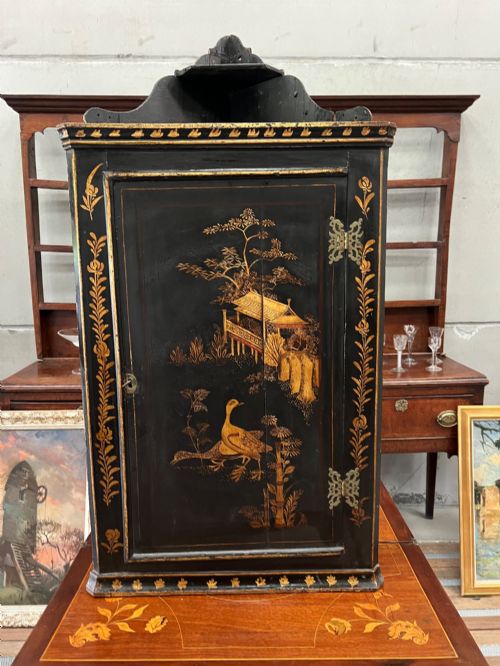
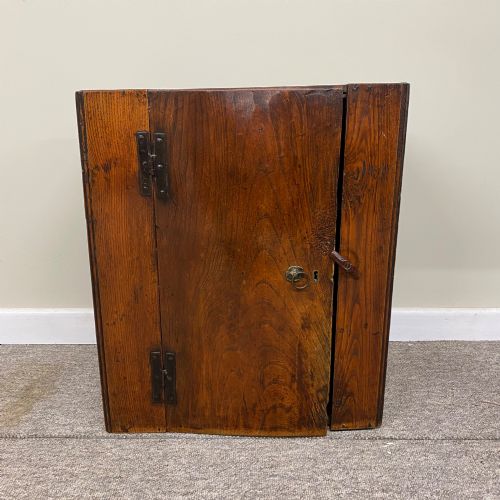
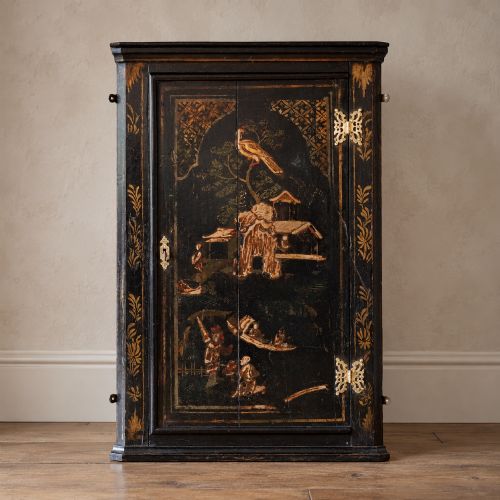
Primary materials include native timbers like oak, elm, and pine alongside imported hardwoods such as mahogany and walnut. Many examples incorporate decorative surfaces like black lacquer, japanning, and intricate wood inlay.
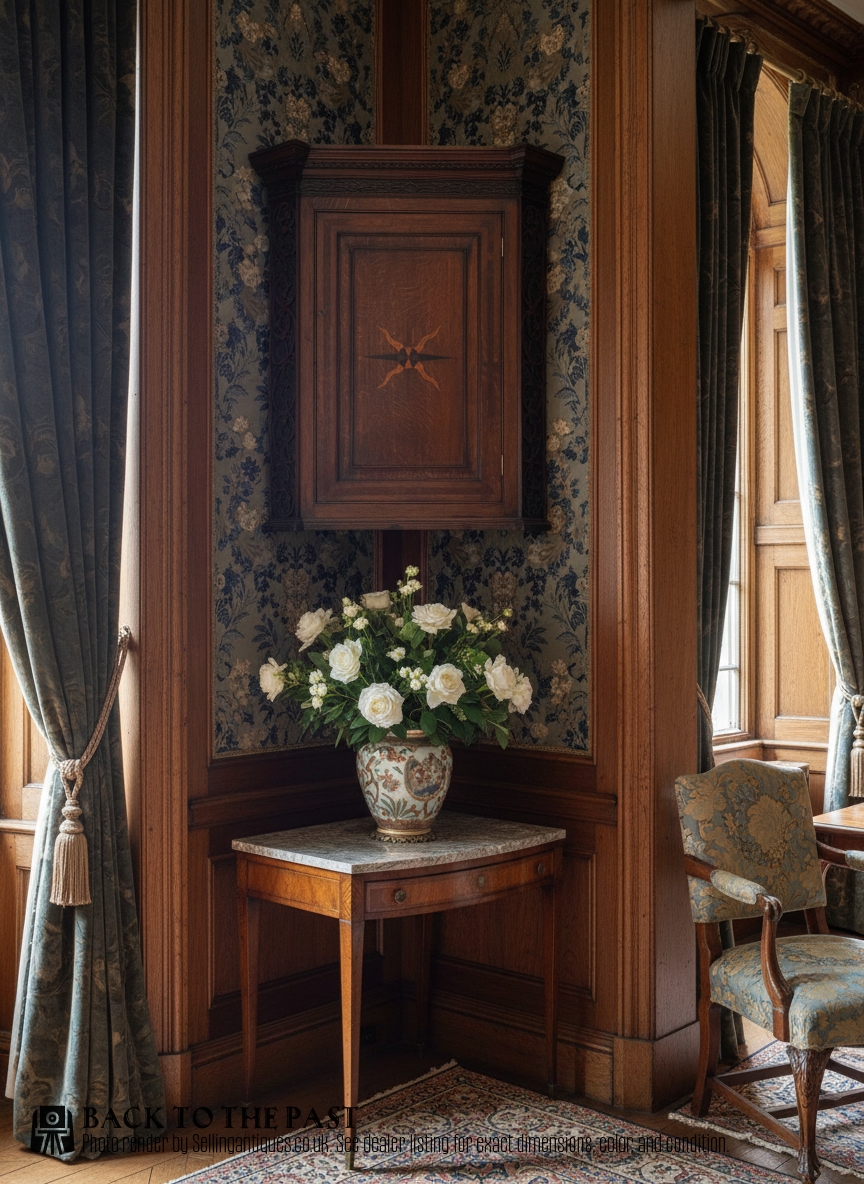
How They Were Made
Cabinetmakers built carcass structures primarily from solid timber like oak and pine, often applying finer veneers of mahogany, burr oak, walnut, or plum pudding mahogany to the exterior surfaces. These woods were selected for their grain pattern and structural stability.
Decorative finishes ranged from clear wax polishing to highlight natural wood figures to elaborate painted Chinoiserie and japanned schemes in black or colour. Brass hinges, escutcheons, and working keys secured the doors while adding metallic contrast to the timber.
Georgian Hanging Corner Cupboard Retail Price Guide 2026
Typical asking prices for georgian hanging corner cupboard among the pieces listed under this phrase on Sellingantiques today, from the lower quarter to the upper quarter. They describe what is for sale here now, not the wider market.
Several cupboards preserve their original working brass keys, ensuring the secret contents remain securely locked away after centuries.
What Varies in Quality
Quality rests upon the selection of timber and the sophistication of its presentation, distinguishing utilitarian farmhouse pieces from formal parlour furniture. Superior examples employ highly figured veneers like plum pudding mahogany or burr oak matched across the door panels.
Construction refinement determines the longevity and aesthetic success of the piece, visible in tight dovetail joints, original brass hardware, and interior details such as shaped shelving or candle slides. Painted or japanned decoration varies from simple regional brushwork to intricate gilt chinoiserie motifs executed by skilled hands.
The Georgian Hanging Corner Cupboard Glossary
- Bow front
- A convex, outwardly curved cabinet face that softens the hard angles of the room. This curved profile requires skilled joinery to shape the doors and frame.
- Japanning
- A European imitation of East Asian lacquerwork using layered resin varnishes and painted decoration. Artisans built up glossy black or coloured grounds often adorned with raised gilt figures.
- Escutcheon
- A protective brass plate surrounding the keyhole. These functional fittings ranged from simple brass shields to elaborate pierced silhouettes.
- Candle slide
- A pull-out wooden shelf positioned beneath the main cabinet door. Historically used to hold a candlestick while the owner searched inside the cupboard.
Georgian Hanging Corner Cupboard: Frequently Asked Questions
How were hanging corner cupboards used historically?
These cabinets served primarily to store porcelain, glassware, or valuable provisions safely away from household dust and foot traffic. Their elevated wall-mounted position kept contents secure while freeing up floor space in dining rooms and parlours.
In some instances, deeper variants functioned as drinks cabinets for storing wine bottles and spirits alongside stemmed glassware. The inclusion of internal shelves helped organise these domestic items efficiently within a compact footprint.
How do I secure a heavy wooden cupboard to the wall?
Hanging cabinets require sturdy fixings anchored directly into structural wall studs or solid masonry rather than relying solely on plasterboard. Most period pieces feature internal fixing points through the backboards or robust hanging brackets designed to bear the considerable weight of hardwood and glass.
Distributing the load evenly prevents the carcass from twisting over time and ensures the doors continue to close flush against the frame. Professional installation is advisable given the heavy weight of solid oak and mahogany construction.
What is the difference between a flat front and a bow front?
Flat front cupboards present two straight sides meeting at a right angle against the walls with a single flat or fielded door across the front. This simpler geometric form was common in regional oak and pine pieces made for everyday domestic use.
Bow front examples feature a curved exterior surface that projects forward into the room, typically rendered in fine mahogany or veneered woods. This sweeping shape required advanced carpentry techniques and signalled a more formal, high-status commission.
Can I mix these antique cupboards with modern interior styles?
The architectural geometry of corner cabinets allows them to anchor contemporary minimalist spaces by introducing warmth and historic texture. Because they utilise dead corner space, they add functional storage without cluttering the main living area.
Pairing a dark mahogany or Japanned lacquer piece with neutral walls creates a strong visual contrast that highlights the grain and decorative finish. Their traditional proportions bridge different eras of design comfortably.