
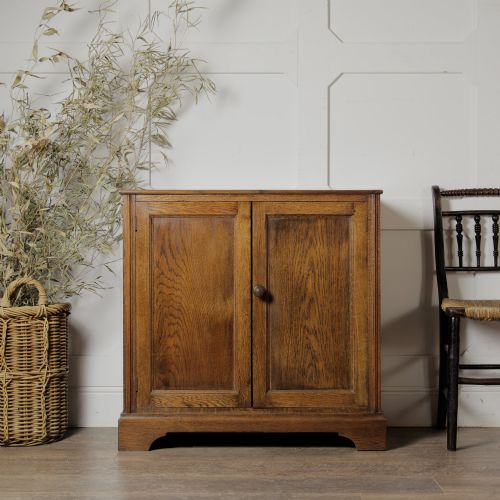
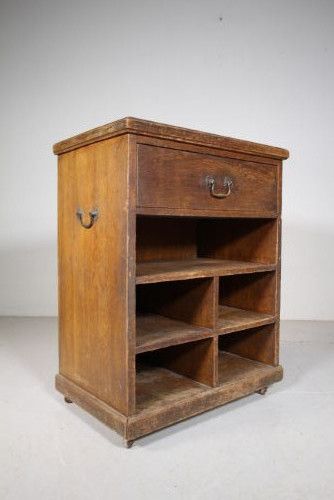
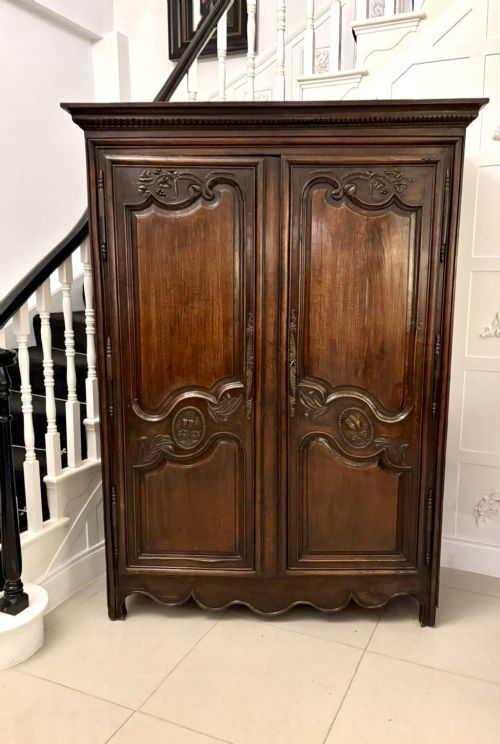
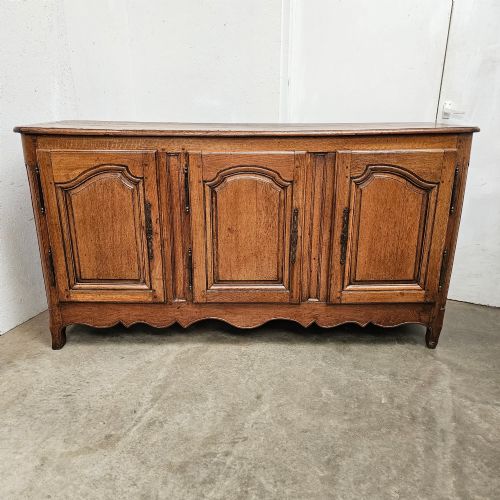
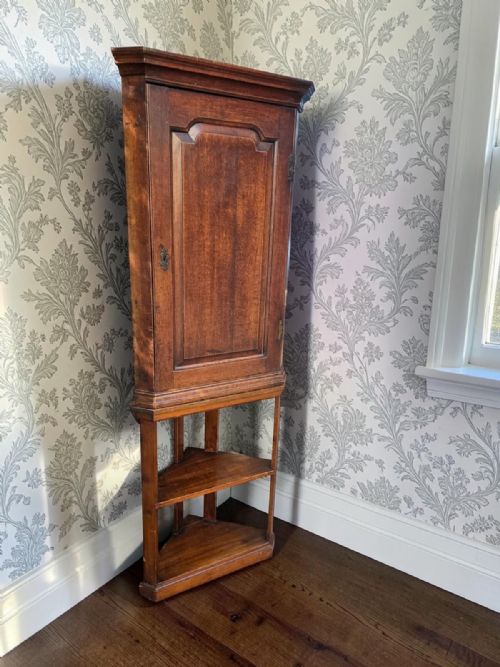
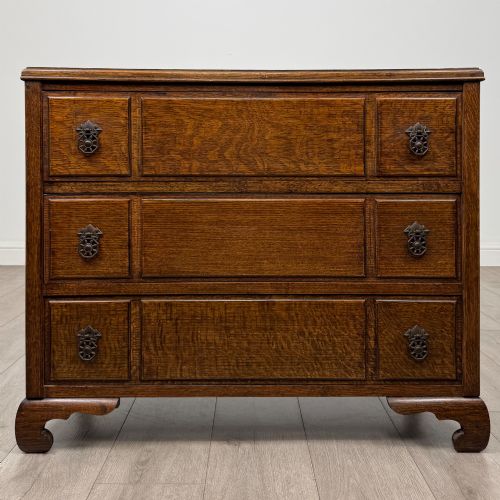
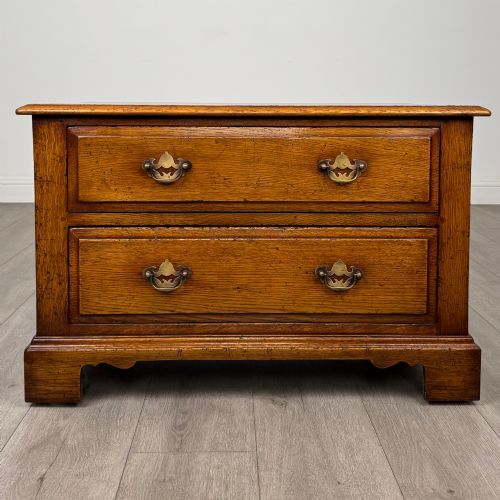
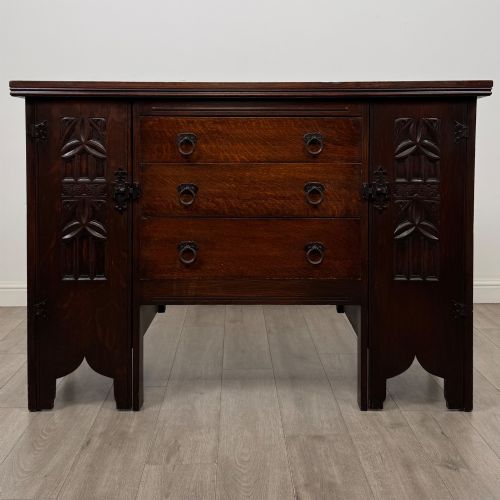
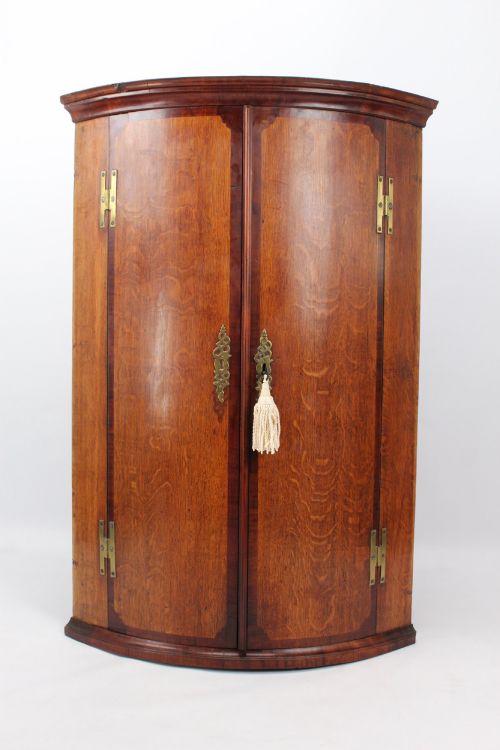
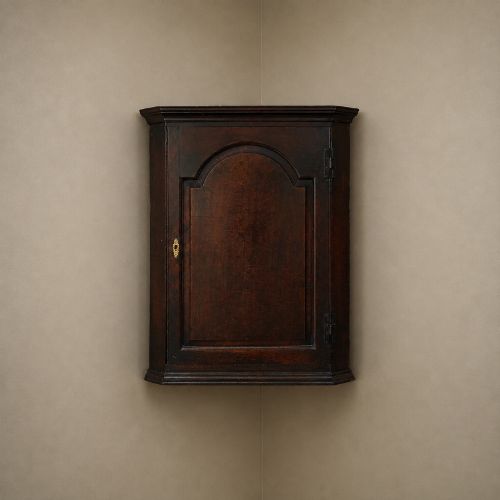
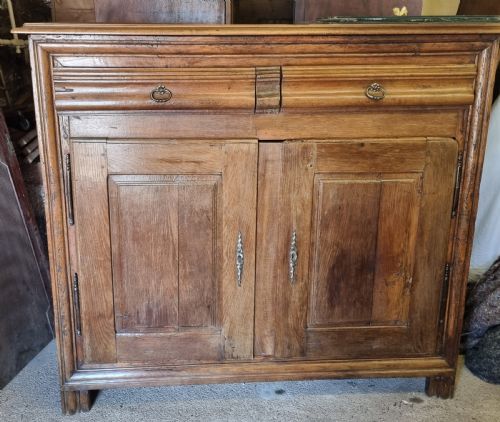
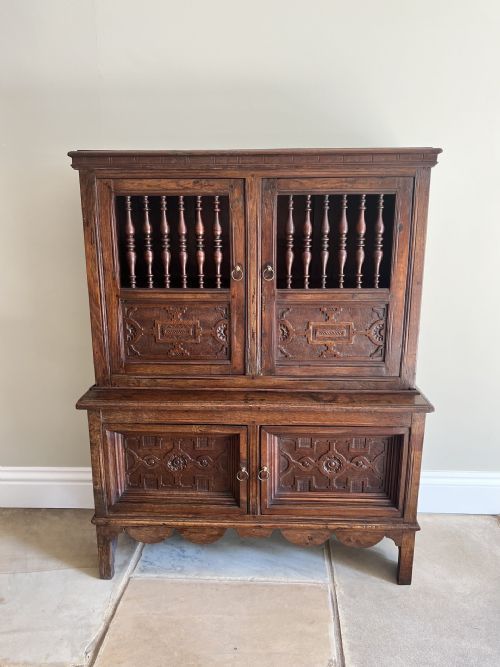


Rustic Oak Storage Cabinet
These rustic oak storage cabinet examples bring robust utility and centuries of character straight to your interior.
Defining the rustic oak storage cabinet
A rustic oak storage cabinet serves as a substantial architectural anchor for any room, offering generous interior space behind heavy timber doors. These pieces encompass regional forms designed for practical household containment over generations.
The selection ranges from early eighteenth century vernacular corner cabinets and court cupboards to later continental and English country pieces. Buyers frequently encounter sturdy housekeeper cupboards and two-door cupboards featuring distinct period joinery.
Origins span British and continental workshops, uniting heavy proportions with utilitarian function. Each surviving specimen demonstrates the domestic requirements of its era through straightforward spatial organisation.
Construction and materials
Makers utilised solid oak timber supplemented occasionally by fruitwood inlay for decorative contrast. Structural joints relied on traditional pegged mortise and tenon construction to ensure lasting rigidity.
Hardware consists principally of wrought iron hinges and brass fittings that secure heavy panelled doors. Surfaces show the marks of hand adzing and basic plane work rather than mechanised smoothing.
Retail Price Guide 2026
Typical UK retail prices for rustic oak storage cabinet, calculated from the Sellingantiques database of over a million retail prices indexed since 2003. This retail price guide relies exclusively on Sellingantiques data; no external sources or auction records are used, so the figures do not describe the wider market.
Object forms on this page include corner cabinets, housekeeper cupboards, and court cupboards representing Gothic Revival and Georgian vernacular styles.
Judging quality and character
Superior examples display dense, mature grain patterns and an honest patination acquired through prolonged domestic use. The integrity of the original timber framing distinguishes finer pieces from later assemblages.
Proportion and decorative restraint dictate the visual success of each item. Refined pieces maintain balanced proportions across cornices and panel work, avoiding clumsy restoration.
The Rustic Oak Storage Cabinet Glossary
- Court cupboard
- An open or enclosed cupboard used historically for displaying plate and storing household provisions. These early forms often feature carved friezes and sturdy supporting columns.
- Housekeeper cupboard
- A large storage piece traditionally utilised for linen and dry goods within large domestic households. They typically combine multiple upper doors with lower drawer configurations.
- Corner cabinet
- A specialised storage form built to fit snugly into the angle of a room. Eighteenth-century examples often present glazed or panelled single doors.
- Vernacular
- Localised furniture making traditions rooted in regional materials and practical utility rather than formal metropolitan design rules. These pieces reflect the direct needs of rural communities.
- Fruitwood inlay
- Contrasting timber insertions used sparingly to decorate plain surfaces. This technique adds subtle geometric or floral detail to darker oak grounds.
Frequently Asked Questions
Where should I place a rustic oak cabinet?
These cabinets suit dining rooms, hallways, or living spaces where substantial storage and strong visual weight are required. Their deep timber tones anchor neutral interior schemes effectively.
Ensure adequate clearance for heavy doors to open fully without striking adjacent furniture. Positioning them away from direct heat sources protects the historic oak timber.
How do I clean historic oak furniture?
Dust the surfaces regularly with a soft, dry cloth to prevent dirt accumulation in the grain. Avoid modern chemical polishes that can degrade the historic patination over time.
Apply a traditional beeswax sparingly if the timber appears dry, buffing gently to a soft sheen. This preserves the natural texture without creating artificial gloss.
Are these cabinets practical for modern storage?
Their deep internal shelves and sturdy construction accommodate heavy contemporary items easily. They offer exceptional capacity for dinnerware, linens, or media equipment.
Fixed internal configurations require arranging items to suit historic shelf spacing. The heavy doors ensure contents remain securely concealed when closed.
How do I distinguish eighteenth century pieces?
Examine the timber for hand-tool marks, pegged joinery, and natural shrinkage cracks that indicate age. Eighteenth-century examples display distinct vernacular characteristics unique to their region of origin.
Hardware placement and hinge types also provide clues to the period of construction. Consult the listed period details to verify the era of manufacture.