

Dark Oak Armoire
A dark oak armoire offers deep timber warmth and substantial storage, bringing centuries of practical craftsmanship straight into a modern bedroom.
Dark Oak Armoire
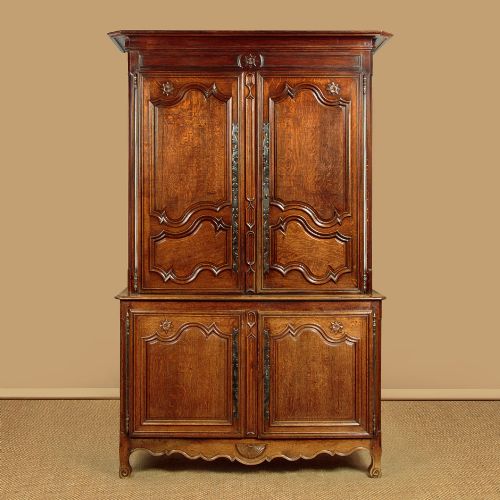
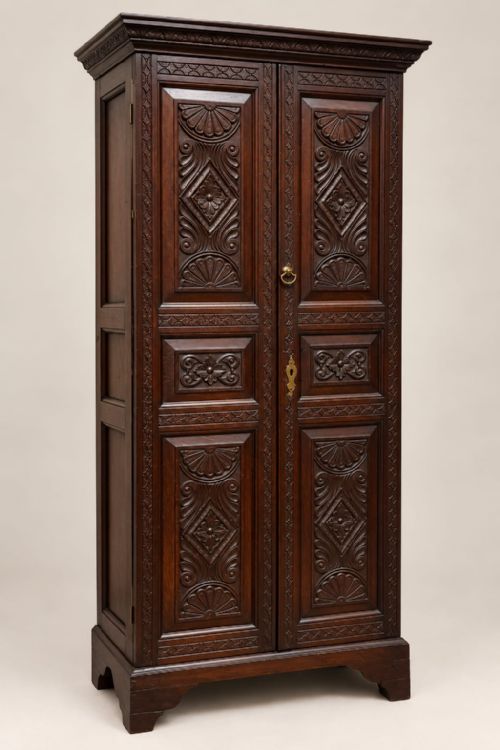
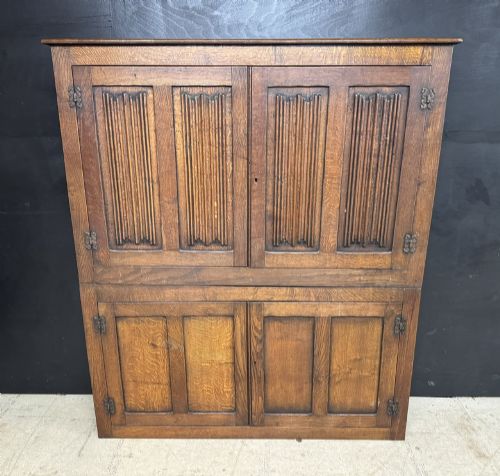
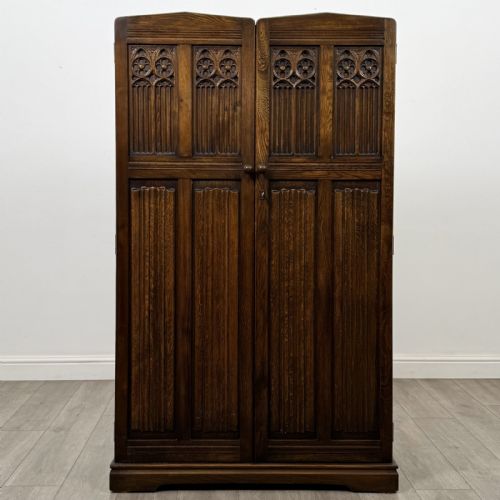
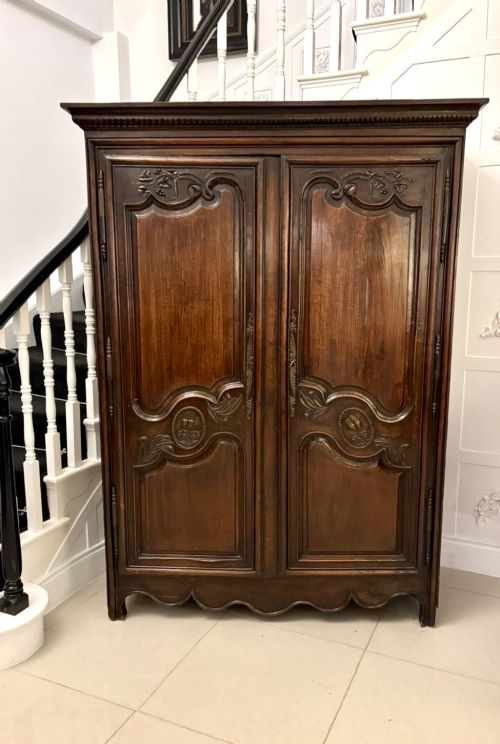
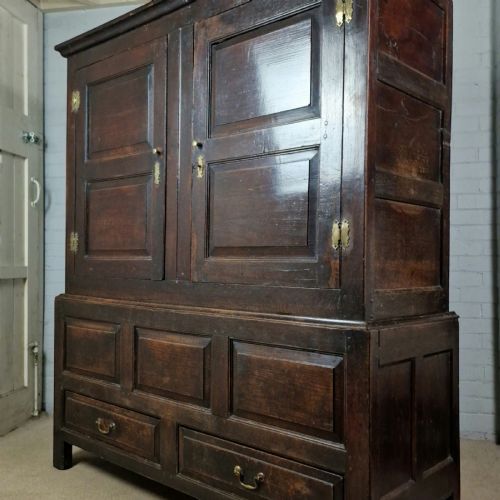
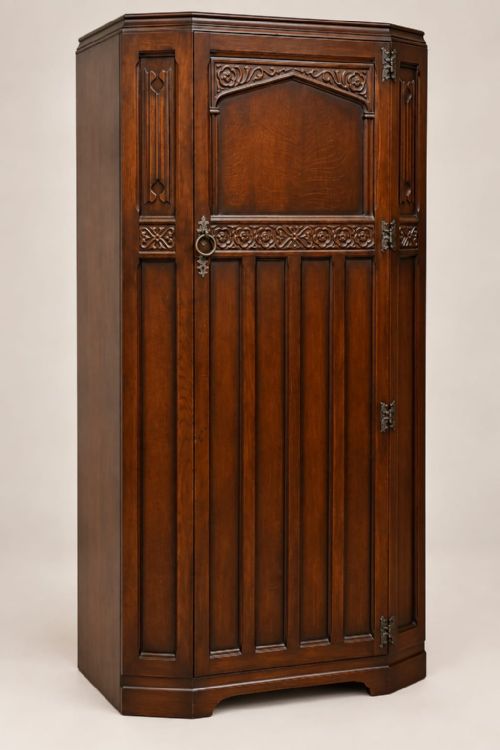
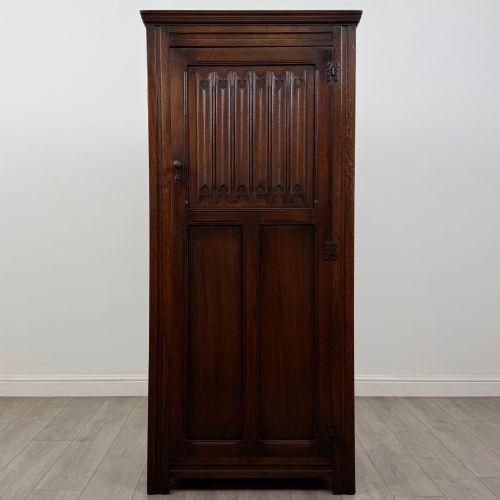
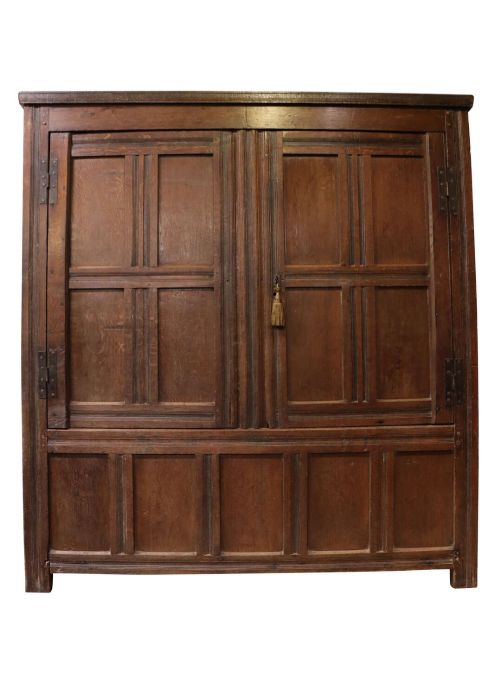
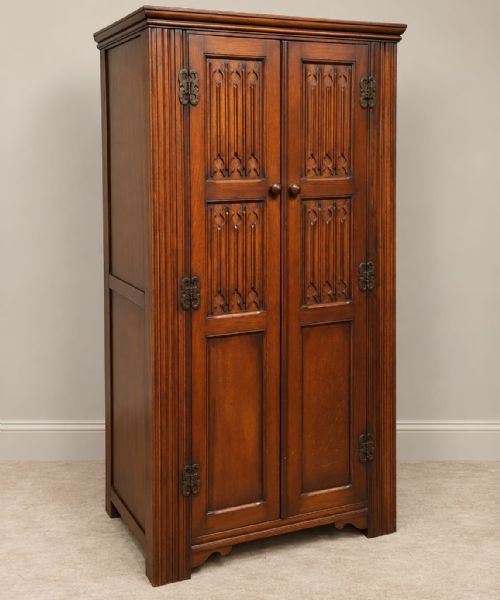
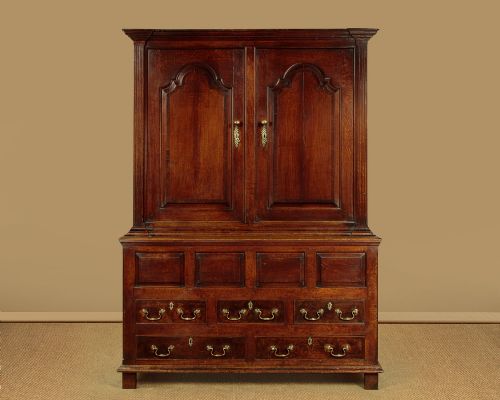
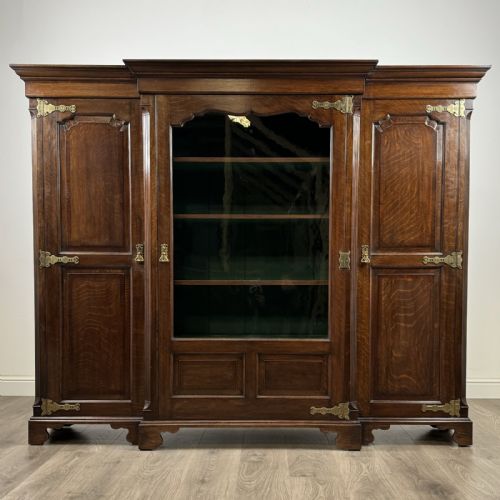
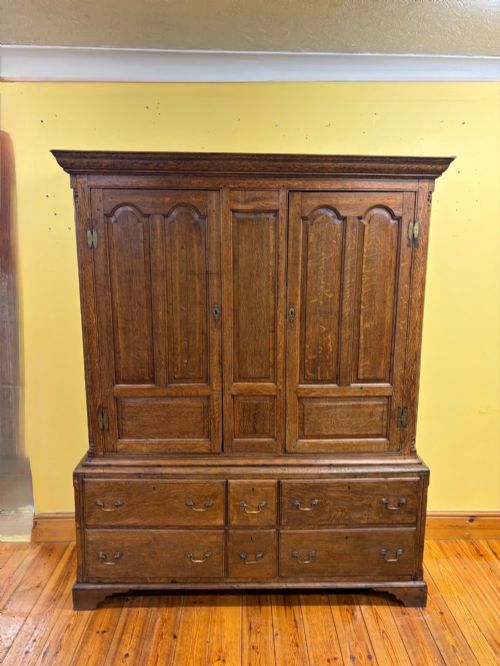
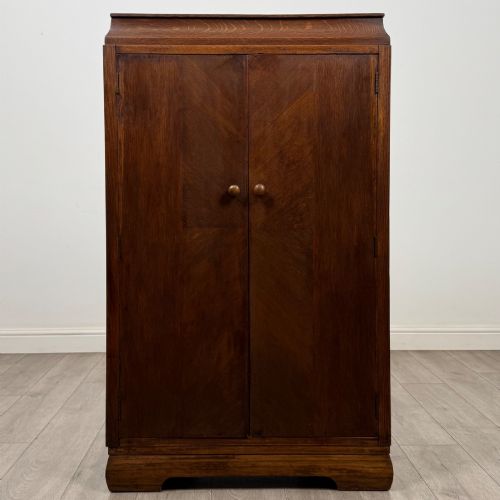
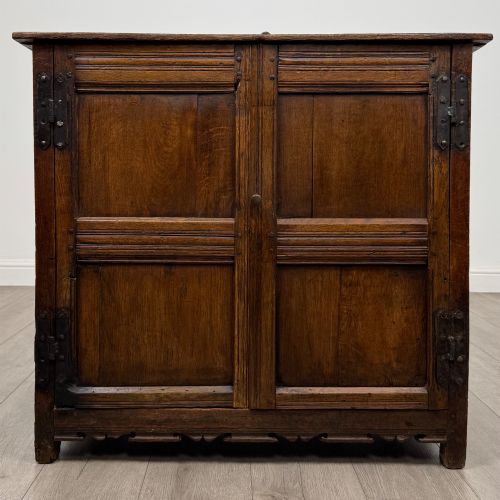
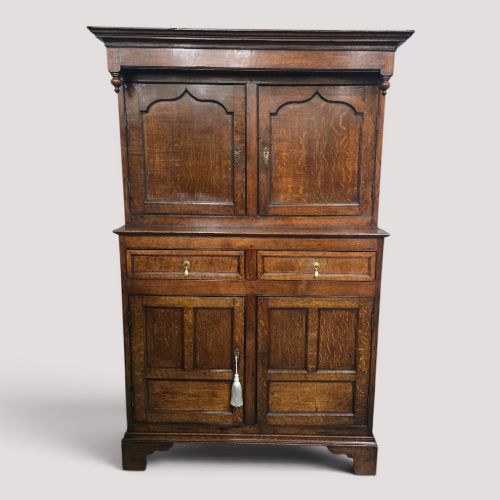
A dark oak armoire is fundamentally a large storage piece for garments and linens, spanning wardrobes, housekeepers' cupboards, and press cupboards in the listings here.
Buyers meet examples ranging from seventeenth-century French provincial and British Georgian designs to twentieth-century iterations, all sharing a heavy timber presence.
The form stretches from simple double doors to elaborate triple wardrobes and court cupboards, reflecting how domestic storage evolved across different centuries.
Materials and construction methods
Construction relies heavily on solid oak timber, often complemented by iron hinges, brass fittings, and occasional glass panels.
Joinery techniques span traditional pegged frames, panelled doors, and hand-carved details executed by regional carpenters.
Earlier pieces frequently show the hand of a blacksmith in original locks and ironwork, while later versions utilise standard nineteenth and twentieth-century hardware.
Dark Oak Armoire Retail Price Guide 2026
Typical asking prices for dark oak armoire among the pieces listed under this phrase on Sellingantiques today, from the lower quarter to the upper quarter. They describe what is for sale here now, not the wider market.
Materials across these items include oak, chestnut, rosewood, steel, glass, iron, and wrought iron.
Distinguishing quality levels
The standard of a piece rests on the depth of the timber grain, the crispness of any hand-carved panels, and the integrity of the original joints.
Superior examples retain their authentic blacksmith ironwork, original locks, and well-proportioned cornices that show careful cabinet-making.
Simpler provincial pieces rely on honest utility and rustic charm, whereas top-tier examples demonstrate refined proportions and meticulous joinery.
The Dark Oak Armoire Glossary
- Housekeeper's cupboard
- A large storage piece traditionally used in manor houses to store household linens and provisions. These often combine upper cupboards with lower drawer sections.
- Linen press
- A tall cabinet designed specifically to store folded textiles and bed linen. They frequently incorporate sliding trays behind the upper doors above a chest base.
- Livery cupboard
- An early form of food or storage cupboard ventilated with pierced splats or turned spindles. They date mainly from the seventeenth and eighteenth centuries.
- Cornice
- The decorative moulding that crowns the top of a large cabinet or wardrobe. It provides a finished architectural transition to the ceiling height.
Dark Oak Armoire: Frequently Asked Questions
How do I date a dark oak armoire?
Dating relies on examining the construction methods, such as hand-cut pegged joints on older pieces versus machine-sawn timber on later examples. Hardware like iron hinges and locks also offers clear clues to the period.
Stylistic motifs provide further evidence, moving from seventeenth-century geometric carvings through Georgian proportions to twentieth-century simpler interpretations.
Can these wardrobes be dismantled for moving?
Many older pieces were constructed to be taken apart because solid oak armoires are exceptionally heavy. Pegged joints often allow the top, base, and sides to separate for transport.
Modern twentieth-century iterations might be fixed structures, so checking the assembly method with the dealer before purchase is essential.
Where should I place a heavy oak cupboard?
These large storage items require a solid wall capable of supporting their substantial weight and visual mass. Placing them away from direct heat sources prevents the solid oak from drying out and splitting.
Ensure the floor is level so the heavy doors hang correctly and latch smoothly without sagging.
What is the difference between an armoire and a press cupboard?
An armoire is primarily designed for hanging garments with vertical space inside. A press cupboard usually contains internal sliding trays or shelves specifically for flat linens.
Both fall under the broader category of large timber storage but serve distinct organisational purposes in a home.