
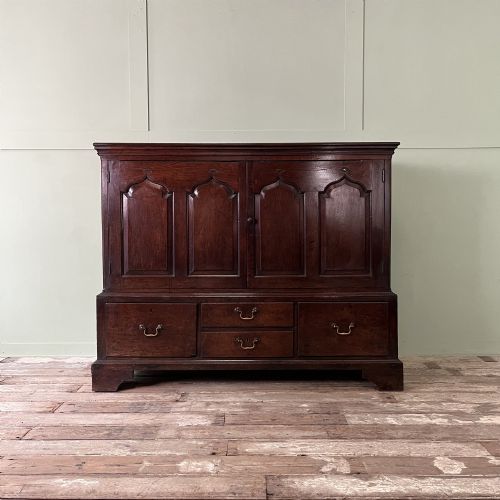
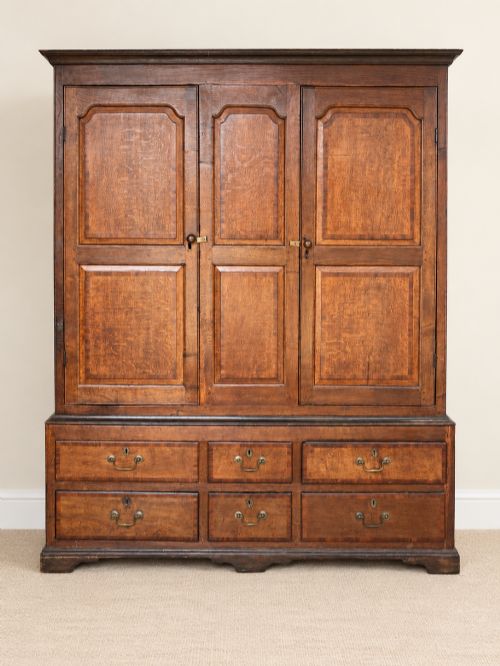
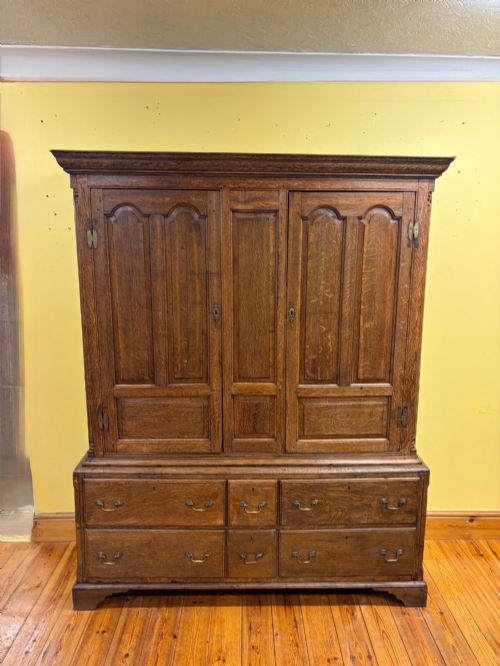
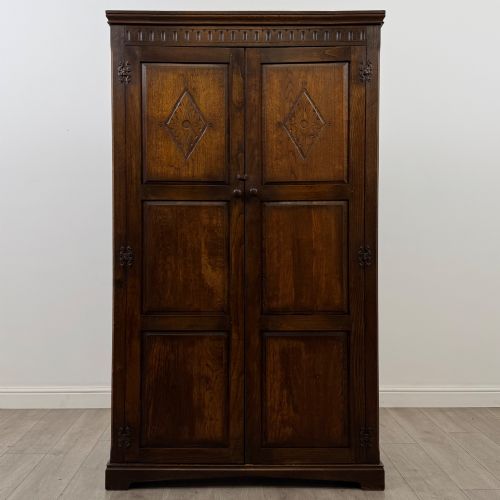
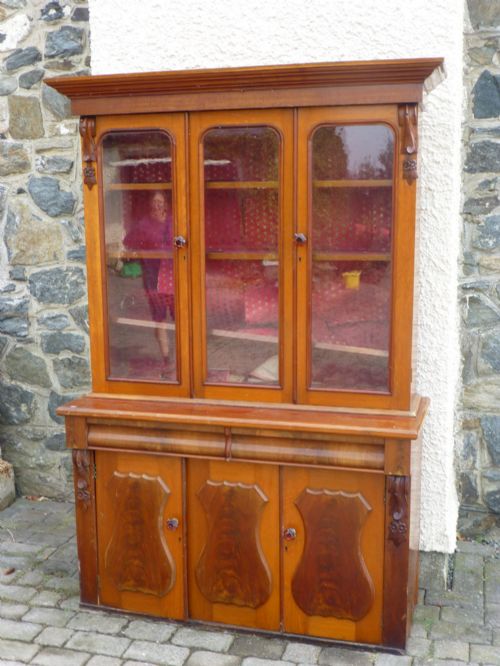
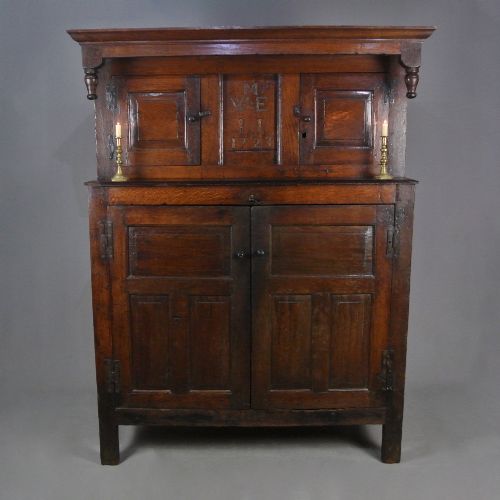
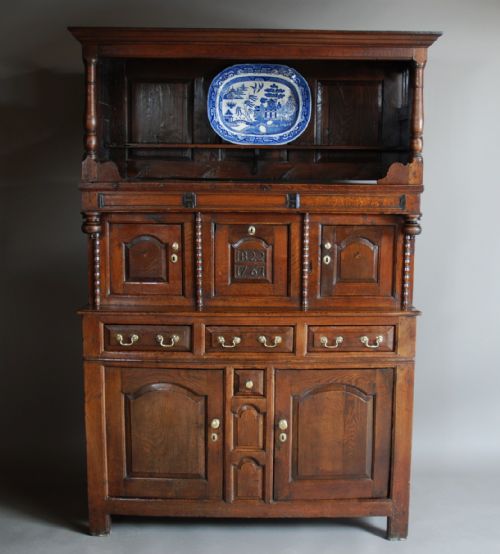
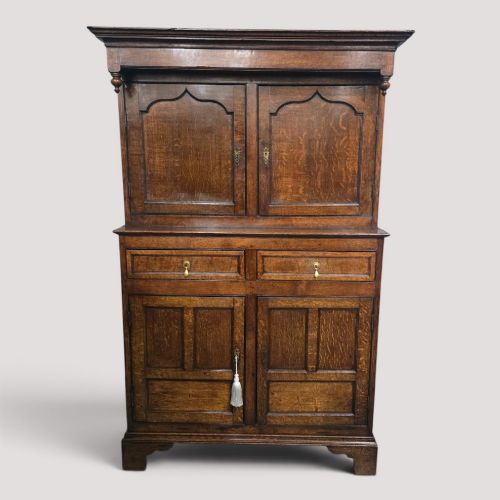
Brown Oak Press Cupboard
A brown oak press cupboard brings robust timber and centuries of storage history directly into a room.

Brown Oak Press Cupboard
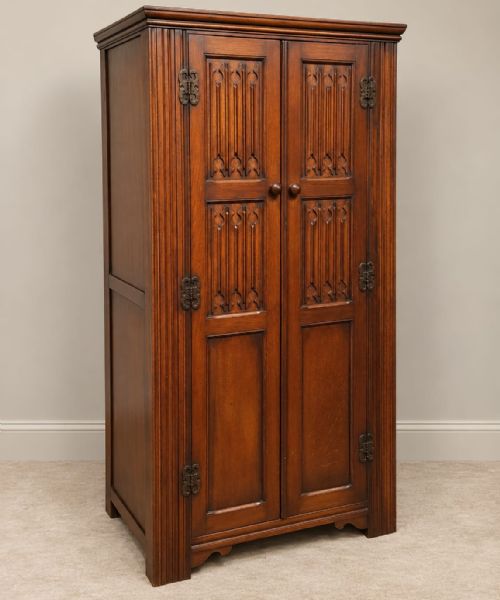
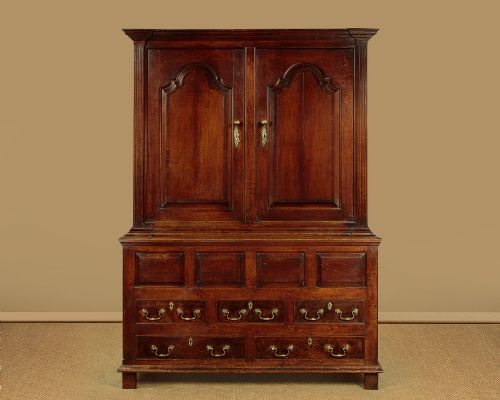
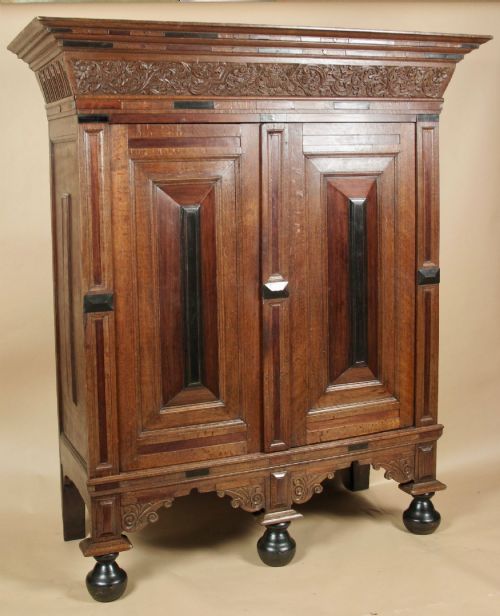
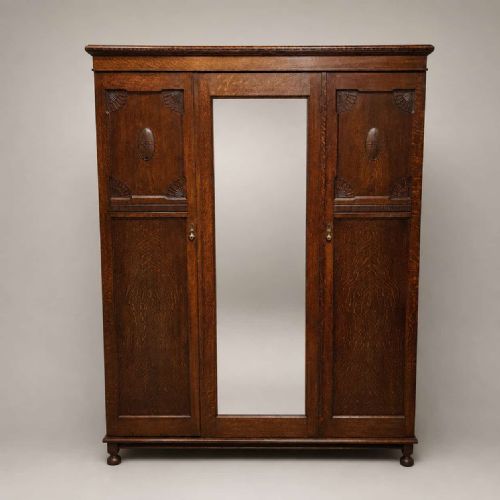
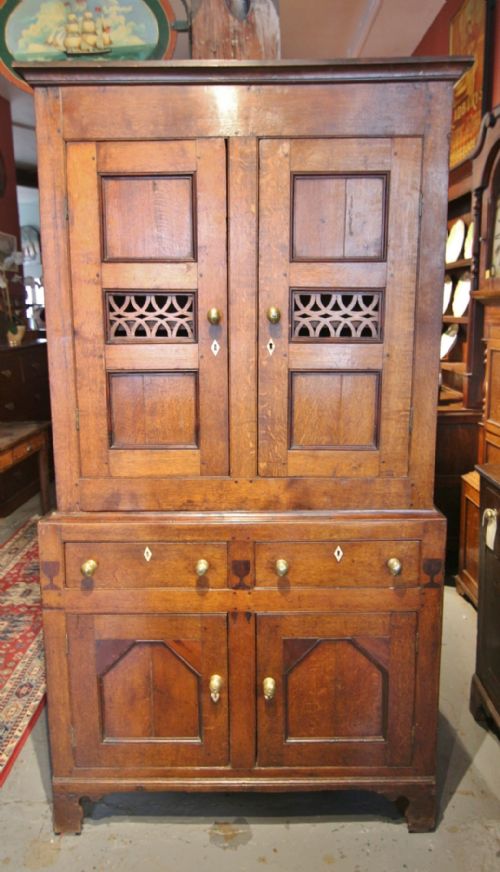
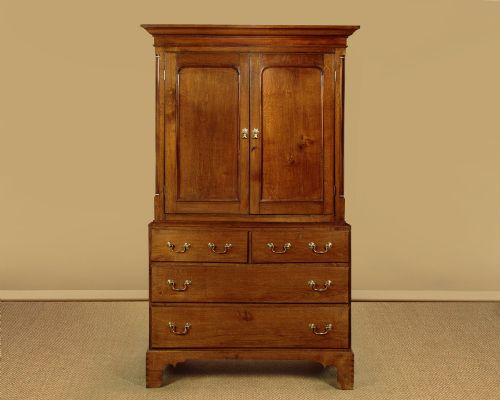
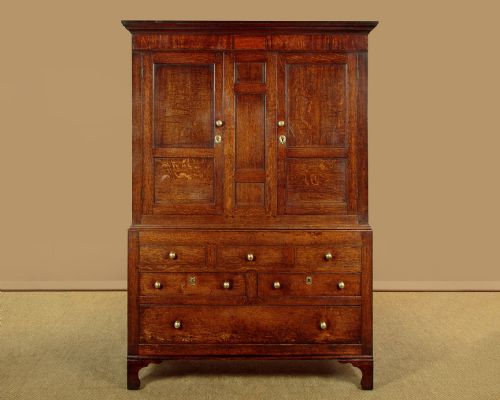
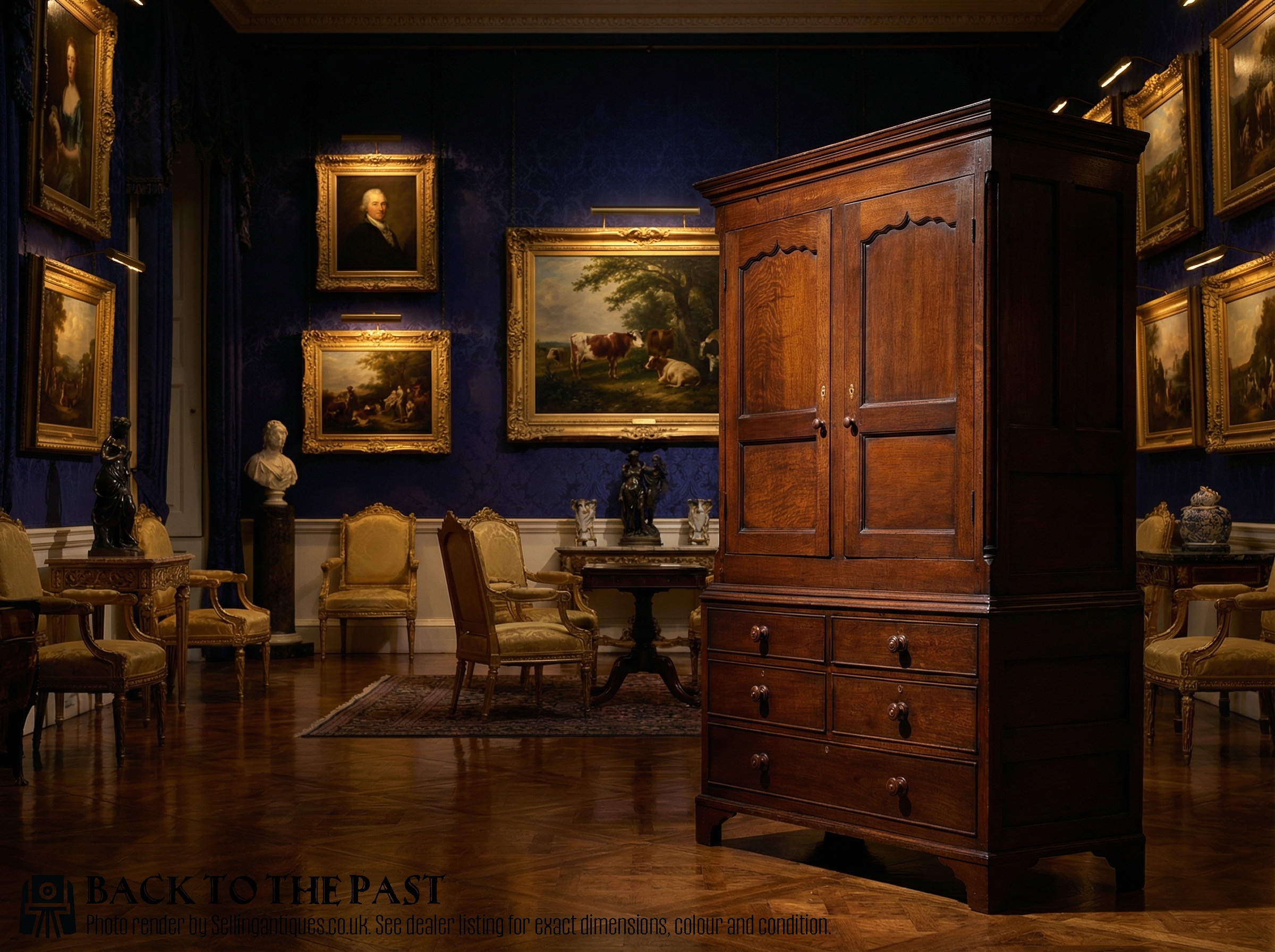
A brown oak press cupboard represents a traditional form of heavy storage furniture designed for linen, clothing, and household provisions. When searching for a brown oak press cupboard, a buyer encounters pieces originating primarily from the seventeenth, eighteenth, and nineteenth centuries, alongside later Edwardian and twentieth-century interpretations.
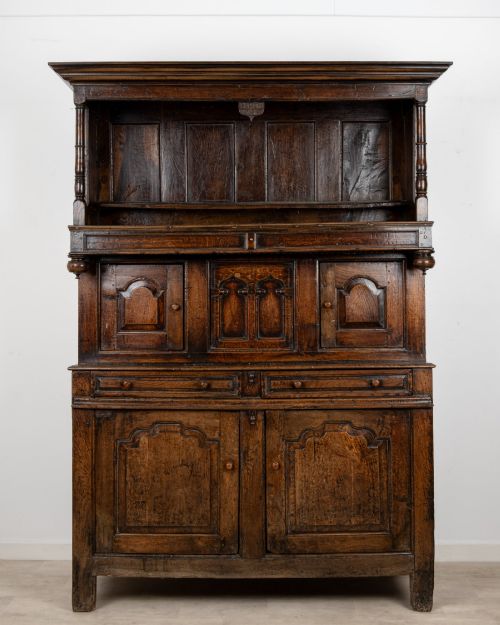
The regional variety is wide, spanning English Georgian examples, Welsh vernacular pieces like the cwpwrdd tridarn, and continental armoires or buffets. These large cabinets combine lower drawer sections with upper cupboard doors, creating a commanding architectural presence in a domestic interior.
Factors that define quality
The grade of timber and the depth of the natural surface patina dictate the visual appeal of a piece. Early examples retaining untouched original finishes and smith-made ironwork command greater appreciation among collectors than those stripped or heavily restored.
Proportion and architectural harmony separate standard utility furniture from finer vernacular and regional masterpieces. The crispness of hand carving and the integrity of the original internal shelving and hanging spaces complete the assessment.
Brown Oak Press Cupboard Retail Price Guide 2026
Typical asking prices for brown oak press cupboard among the pieces listed under this phrase on Sellingantiques today, from the lower quarter to the upper quarter. They describe what is for sale here now, not the wider market.
Listings feature oak combined with brass, iron, glass, ebony, inlaid wood, rosewood, and mahogany across multiple centuries.
Harris Lebus·Maple and Co
The Brown Oak Press Cupboard Glossary
- Press cupboard
- A large storage cabinet featuring enclosed upper and lower compartments traditionally used for textiles and household goods. These items form the core category of this search.
- Patina
- The deep surface sheen and colour developed by wood through decades of handling, polishing, and exposure to light. It serves as a key indicator of age and authenticity.
- Tridarn
- A traditional Welsh three-tier piece of vernacular furniture incorporating open display shelves and enclosed cupboards. They represent regional woodworking traditions of the eighteenth century.
- Mortise and tenon
- A fundamental joint where a projecting tongue fits snugly into a corresponding cavity to lock wooden frame members together securely without modern fasteners.
Brown Oak Press Cupboard: Frequently Asked Questions
What is a brown oak press cupboard used for?
These large storage items serve as practical wardrobes, linen stores, and kitchen dressers in modern homes. Their deep shelves and hanging spaces accommodate substantial quantities of clothing or household items.
Placing one in a hallway, bedroom, or living space introduces considerable shelving capacity while adding historical character to the interior.
How do I date an antique oak cupboard?
Examining the construction methods, handle types, and secondary woods helps determine the manufacturing period. Hand-cut peg joints, wrought iron hardware, and panel thickness usually point to earlier seventeenth and eighteenth-century origins.
Later Edwardian and twentieth-century pieces display more uniform machining, standardised hinges, and different interior configurations adapted for modern wardrobes.
Are these cupboards difficult to move?
Most antique press cupboards are heavy, substantial constructions built entirely from solid timber. Many seventeenth and eighteenth-century examples separate into upper and lower sections to ease transport through doorways and up staircases.
Checking whether a specific cabinet is a two-piece design helps plan logistics before delivery and installation in the home.
What distinguishes Welsh regional cupboards?
Welsh vernacular furniture often incorporates distinctive local forms such as the tridarn or bread and cheese cupboard, alongside contrasting inlay work in mahogany or fruitwoods. These pieces reflect the specific domestic requirements of rural Welsh households during the Georgian era.
Regional cabinetmakers utilised native oak planks combined with imaginative architectural cornices and panel arrangements that differ from standard English workshop output.