

Antique Oak Food Cupboard
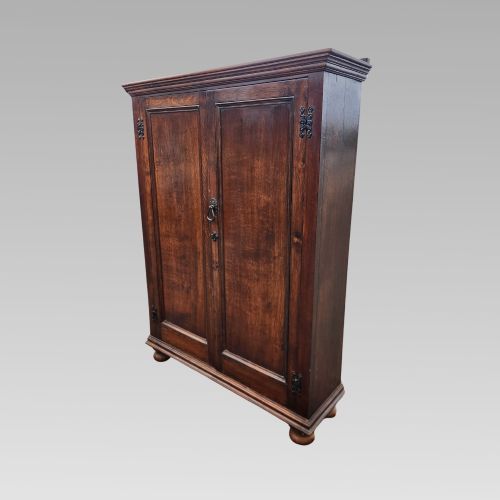
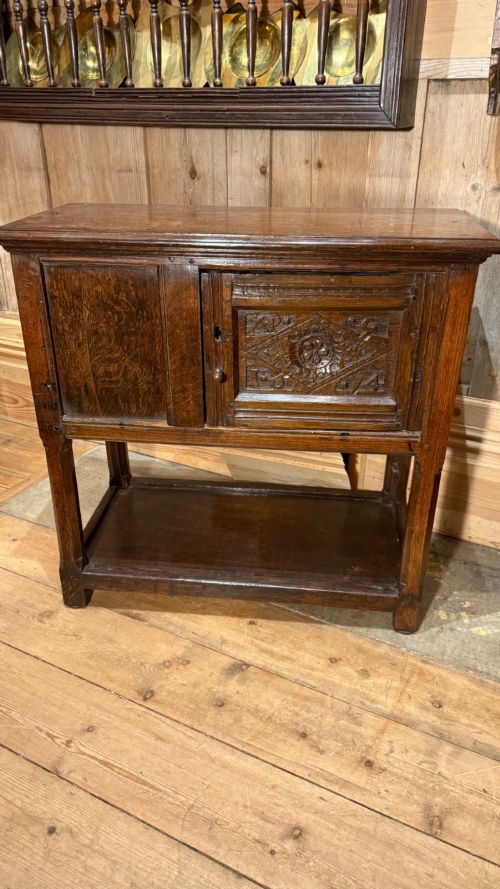
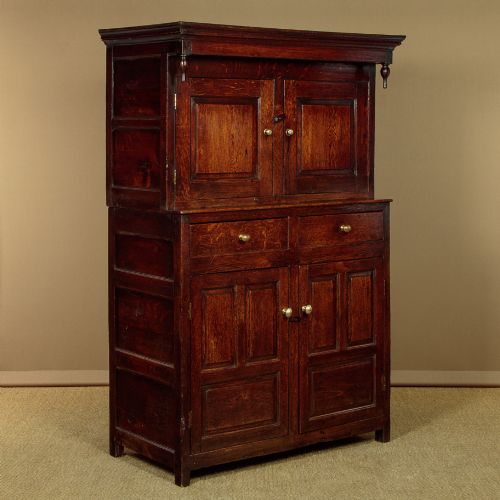
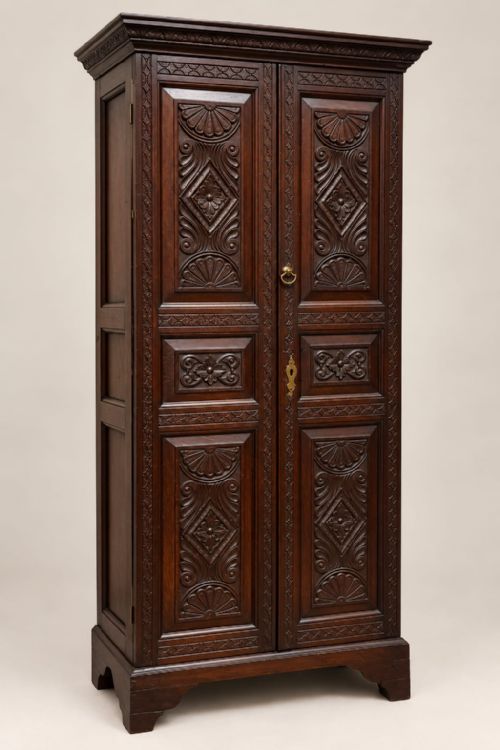
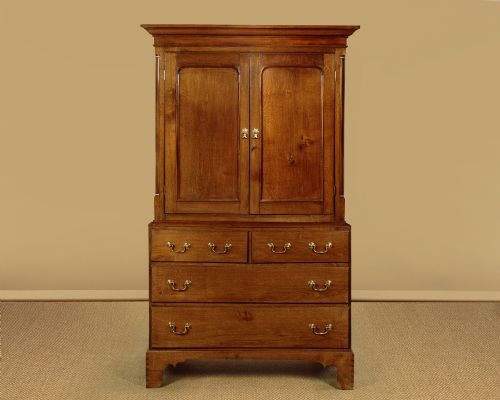
Solid timber frames and vernacular joinery define an antique oak food cupboard, offering a durable storage piece built for household provisions.
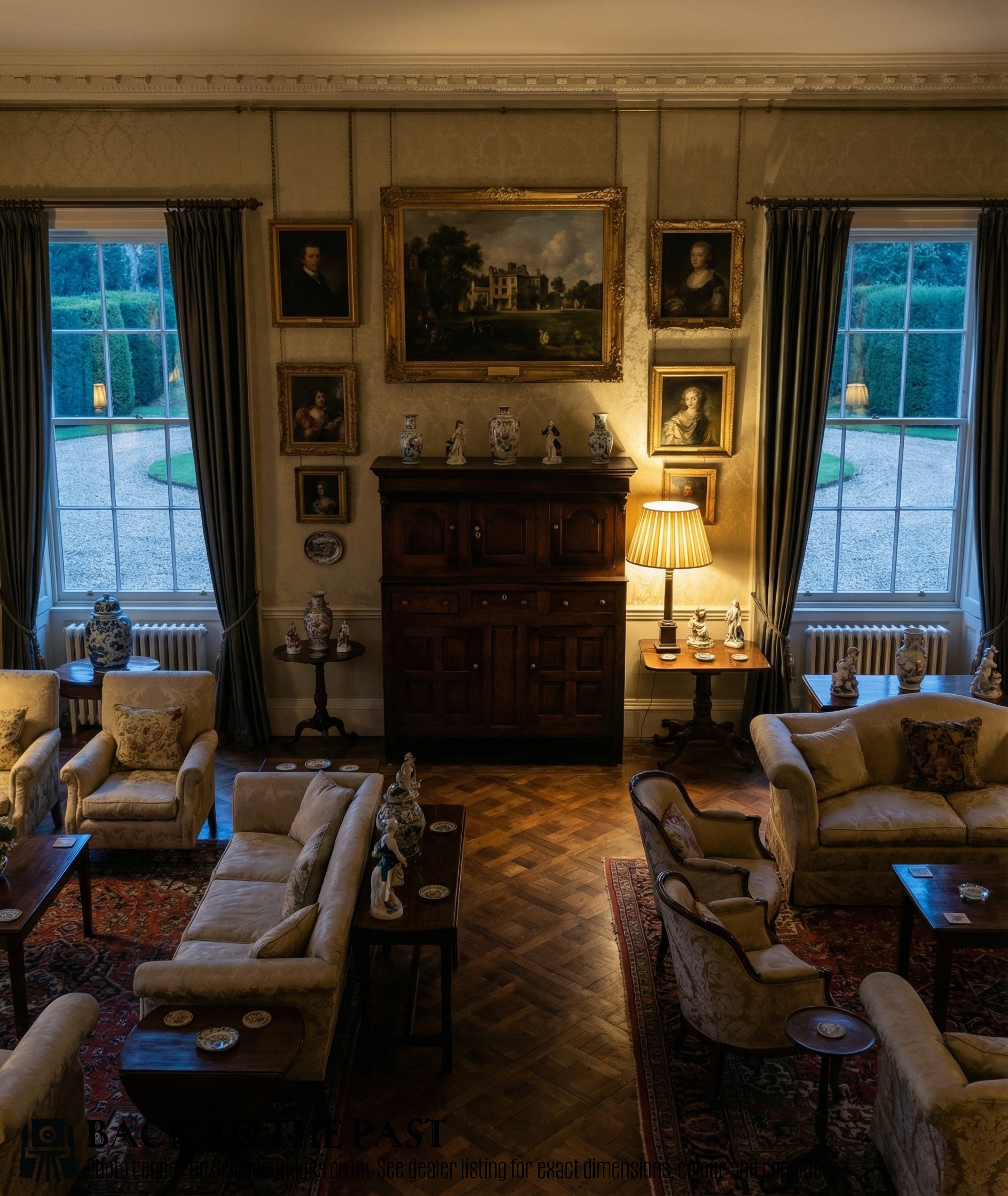
Antique Oak Food Cupboard
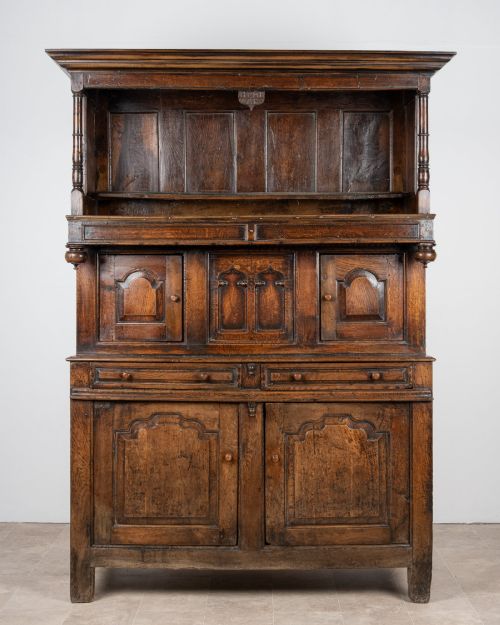
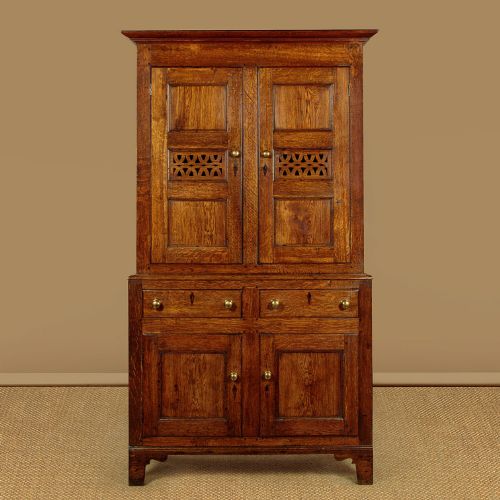
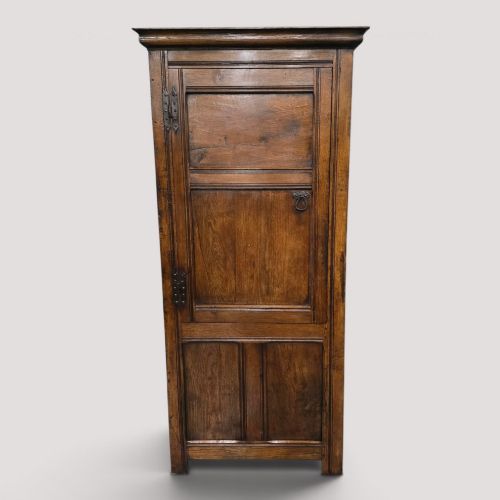
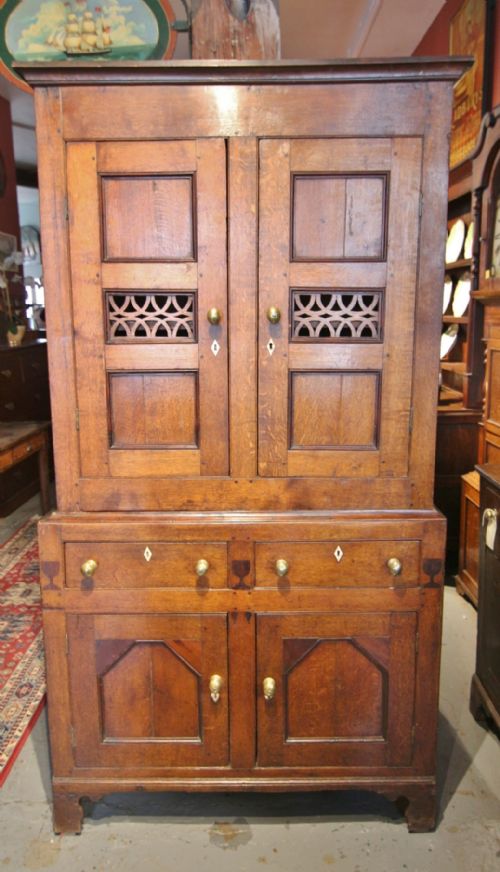
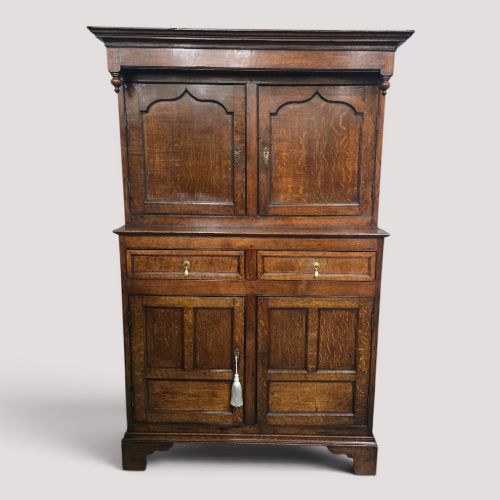
An antique oak food cupboard represents a utilitarian category of domestic storage designed to keep perishables secure and ventilated. Buyers searching this phrase encounter regional Welsh pieces, French provincial examples, and early English forms such as court cupboards and press cupboards.
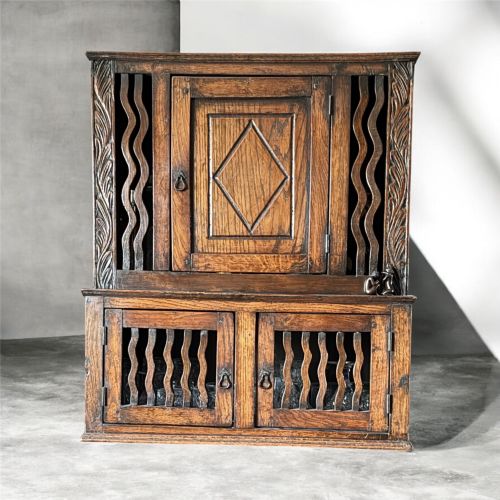
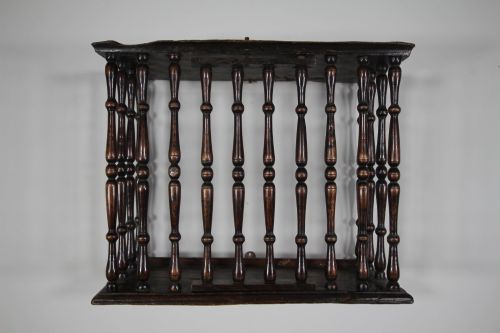
The versions most common on this page span the seventeenth, eighteenth, and nineteenth centuries, including specialised forms like bread and cheese cupboards and wall-mounted hutch cabinets. These pieces utilise heavy timber construction suited for domestic storage in country houses and farmhouses.

How They Were Made
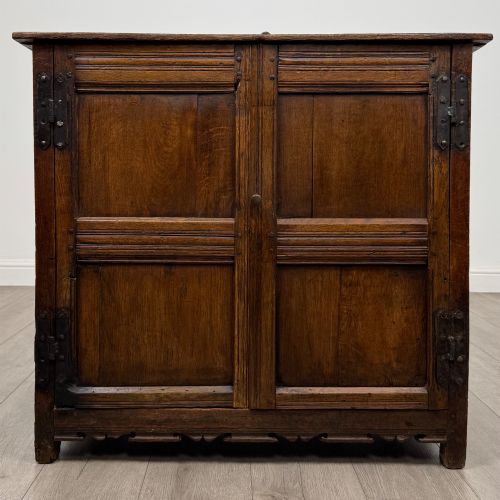
Makers constructed these pieces primarily using English and continental oak, often combining joined framing with pegged mortise and tenon joints. Panels were left unglued within grooves to allow the timber to expand and contract naturally with seasonal humidity changes.
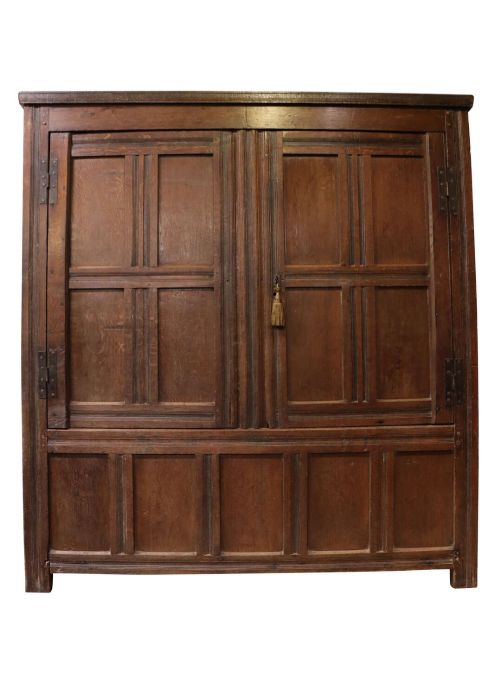
Hardware played an essential structural role, featuring hand-forged iron or wrought iron hinges and blacksmith locks that secured the heavy doors. Secondary details occasionally incorporate inlaid wood, bone, or ebony accents to ornament the primary oak surfaces.
Antique Oak Food Cupboard Retail Price Guide 2026
Typical asking prices for oak food cupboard among the pieces listed under this phrase on Sellingantiques today, from the lower quarter to the upper quarter. They describe what is for sale here now, not the wider market.
Listings feature oak furniture spanning the 17th, 18th, and 19th centuries, incorporating iron hardware, inlaid wood, and regional styles from Wales and France.
What Varies in Quality
The integrity of the original construction and timber determines the relative standing of individual examples. Pieces retaining their original forged iron blacksmith hardware and unaltered structural frames demonstrate higher integrity than those with replaced elements.
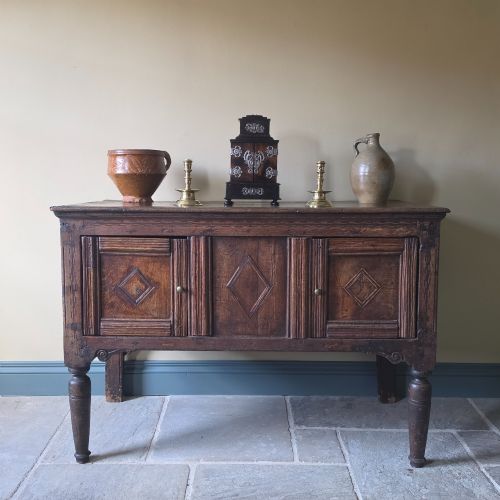
Proportion and regional character also define the standard, with vernacular Welsh and French country pieces showing distinct regional carving and joinery traditions. The depth of surface patination accumulated over centuries separates untouched examples from heavily restored surfaces.

The Antique Oak Food Cupboard Glossary
- Court cupboard
- A heavy seventeenth-century storage piece featuring an upper recessed cabinet supported by pillars above a lower section. These cupboards functioned primarily for displaying plate and storing provisions.
- Cwpwrdd bara caws
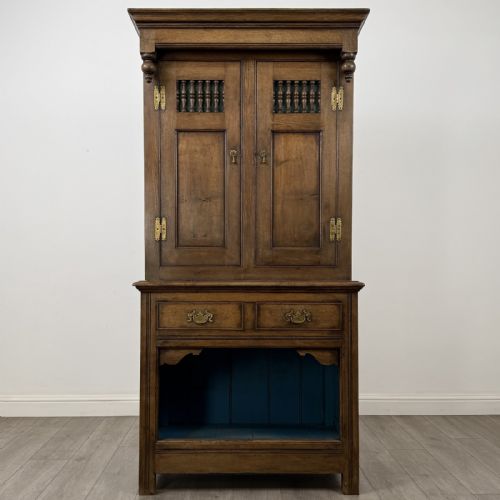
- A traditional Welsh bread and cheese food cupboard featuring perforated panels or spindles for ventilation. These pieces often incorporate inlaid decoration in the woodwork.
- Deuddarn
- A traditional two-part Welsh cupboard dating from the seventeenth and eighteenth centuries. The design utilises a taller cabinet structure than the court cupboard.
- Livery cupboard
- An early domestic storage cabinet designed for food rations and candles. The doors frequently incorporated turned spindles to allow air circulation.
- Tridarn
- A three-tier Welsh oak cupboard featuring an open middle section and enclosed top and bottom compartments. These large regional pieces represent significant vernacular cabinet making.
- Joined oak
- Furniture construction utilising pegged mortise and tenon joints rather than nails. This technique provides the structural framework for seventeenth-century pieces.
Antique Oak Food Cupboard: Frequently Asked Questions
What is the difference between a court cupboard and a press cupboard?
Court cupboards typically feature a recessed upper section supported by columns above a lower cabinet base. They originated as display and storage furniture for banqueting provisions.
Press cupboards are generally enclosed storage units utilised for linens and bulk provisions. Both forms utilise heavy joined oak construction from the seventeenth and eighteenth centuries.
How can I date an oak food cupboard?
Dating relies on examining joinery techniques, hardware types, and regional styles. Seventeenth-century examples often display pegged frame construction and carved ornamentation, while eighteenth-century pieces frequently show regional vernacular variations.
Hardware such as hand-forged iron hinges and blacksmith locks also provide clues to the period of manufacture. Secondary woods and interior construction details further narrow down the decade.
Where were bread and cheese cupboards made?
Bread and cheese cupboards, often called cwpwrdd bara caws, are strongly associated with rural Wales during the Georgian and Victorian periods. Farmers and households used them to store daily rations securely.
Similar regional food storage pieces also emerged in French provincial workshops, including larder cupboards and panetieres. Each region utilised local oak timber and distinct joinery traditions.