
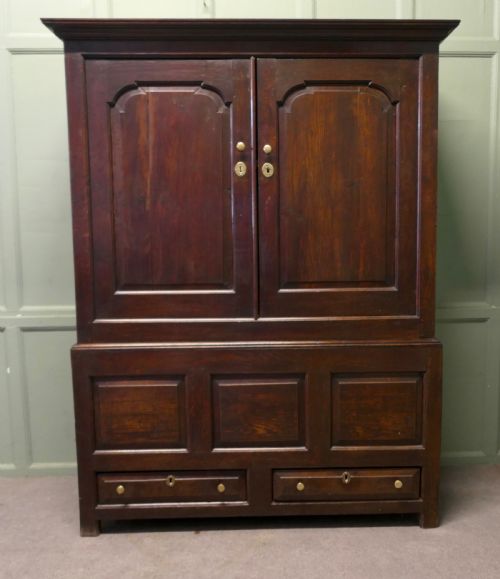
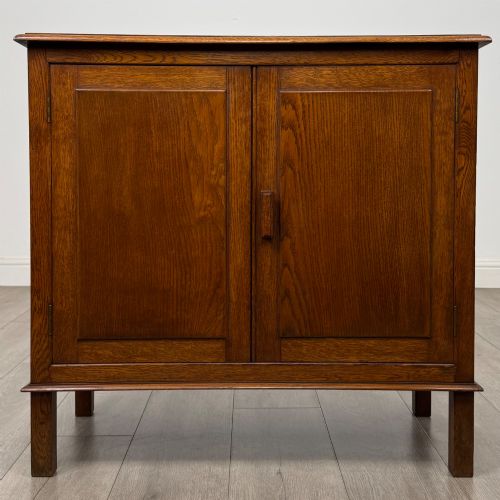
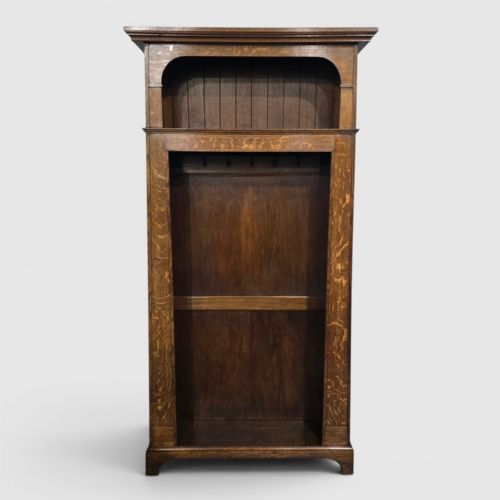
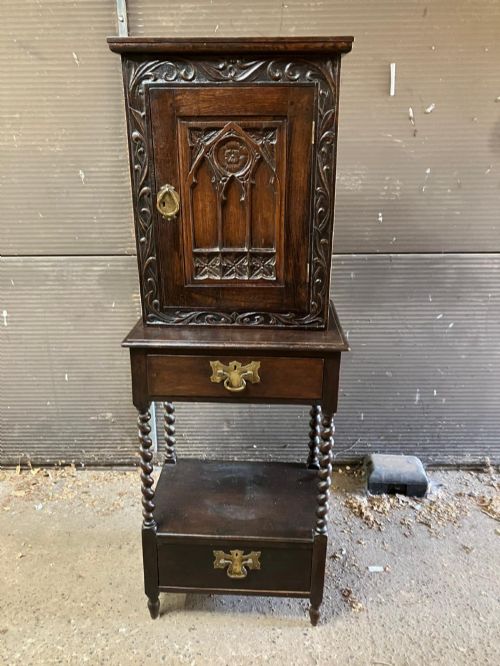
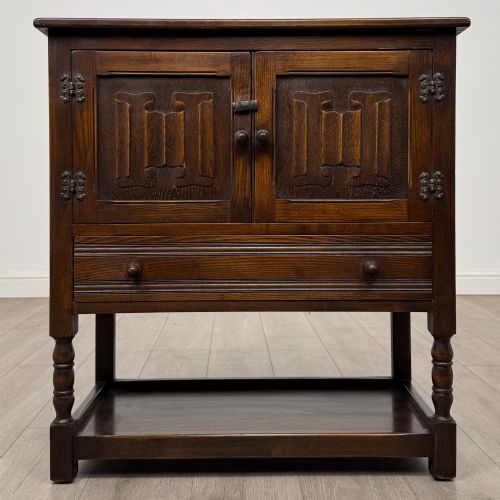

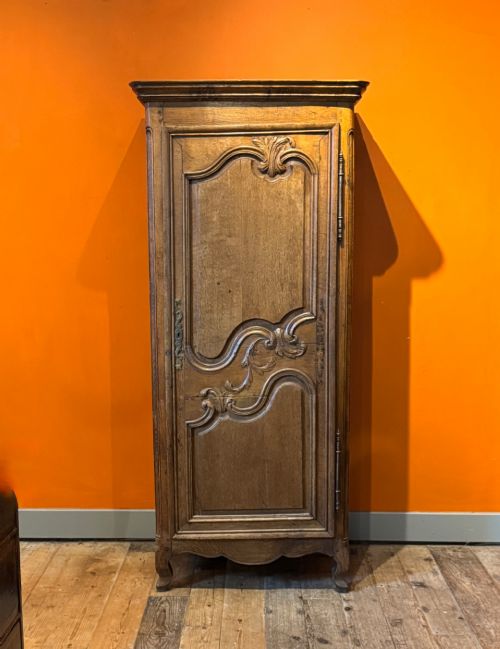
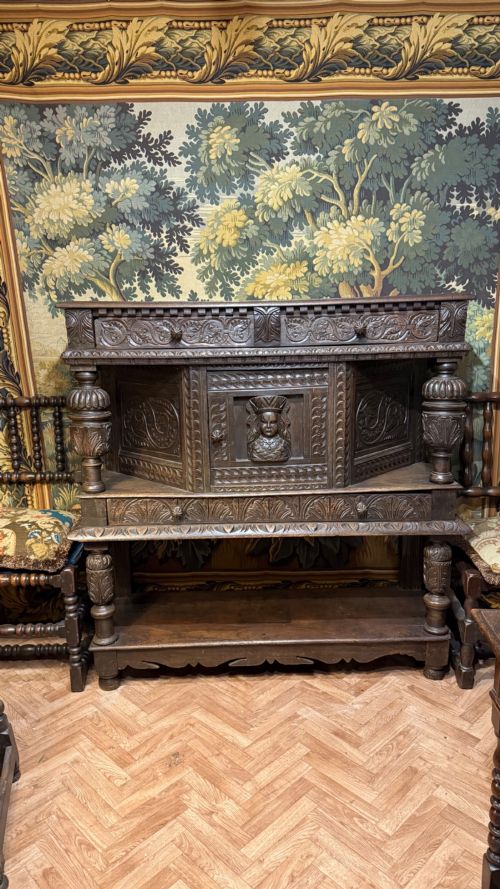
Antique Oak Hall Cupboard
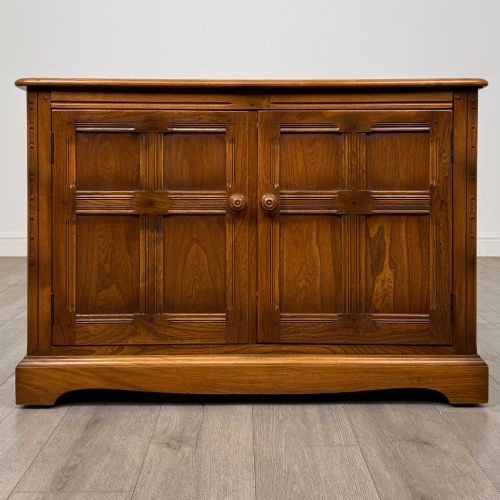
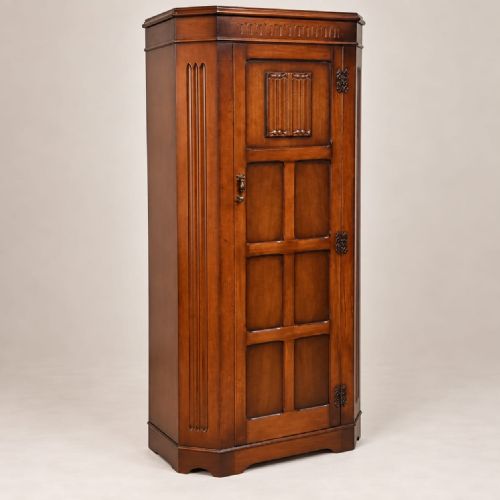
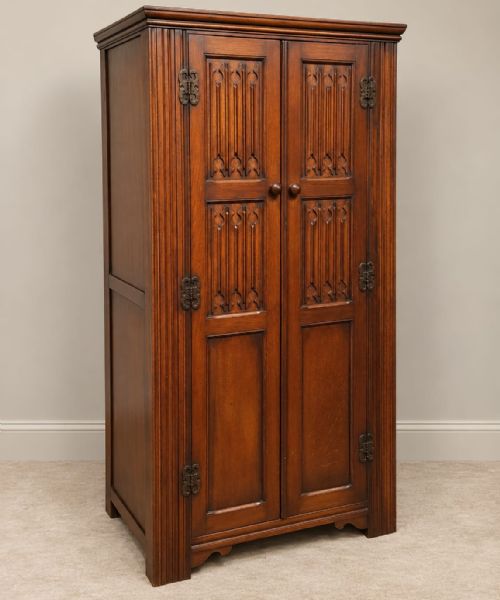
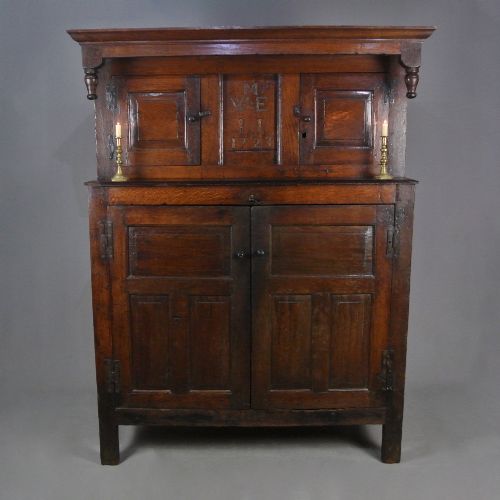
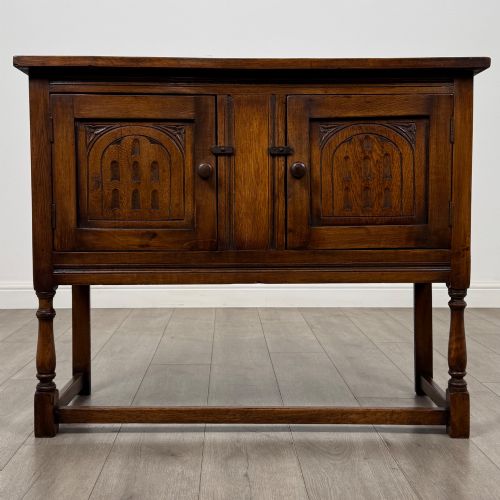
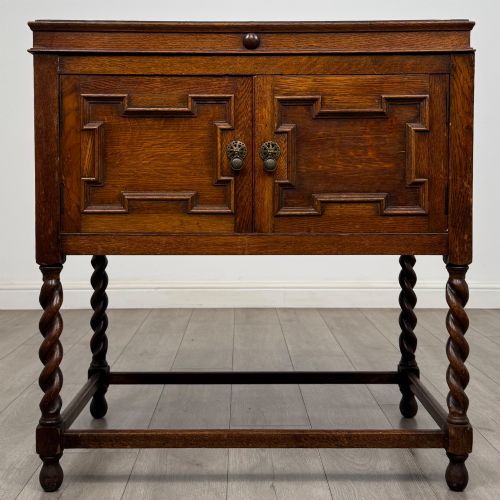
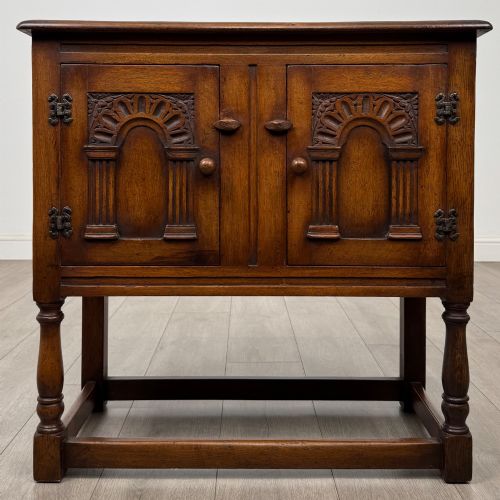
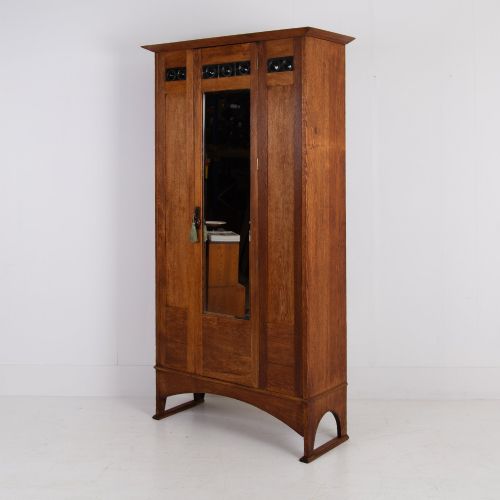
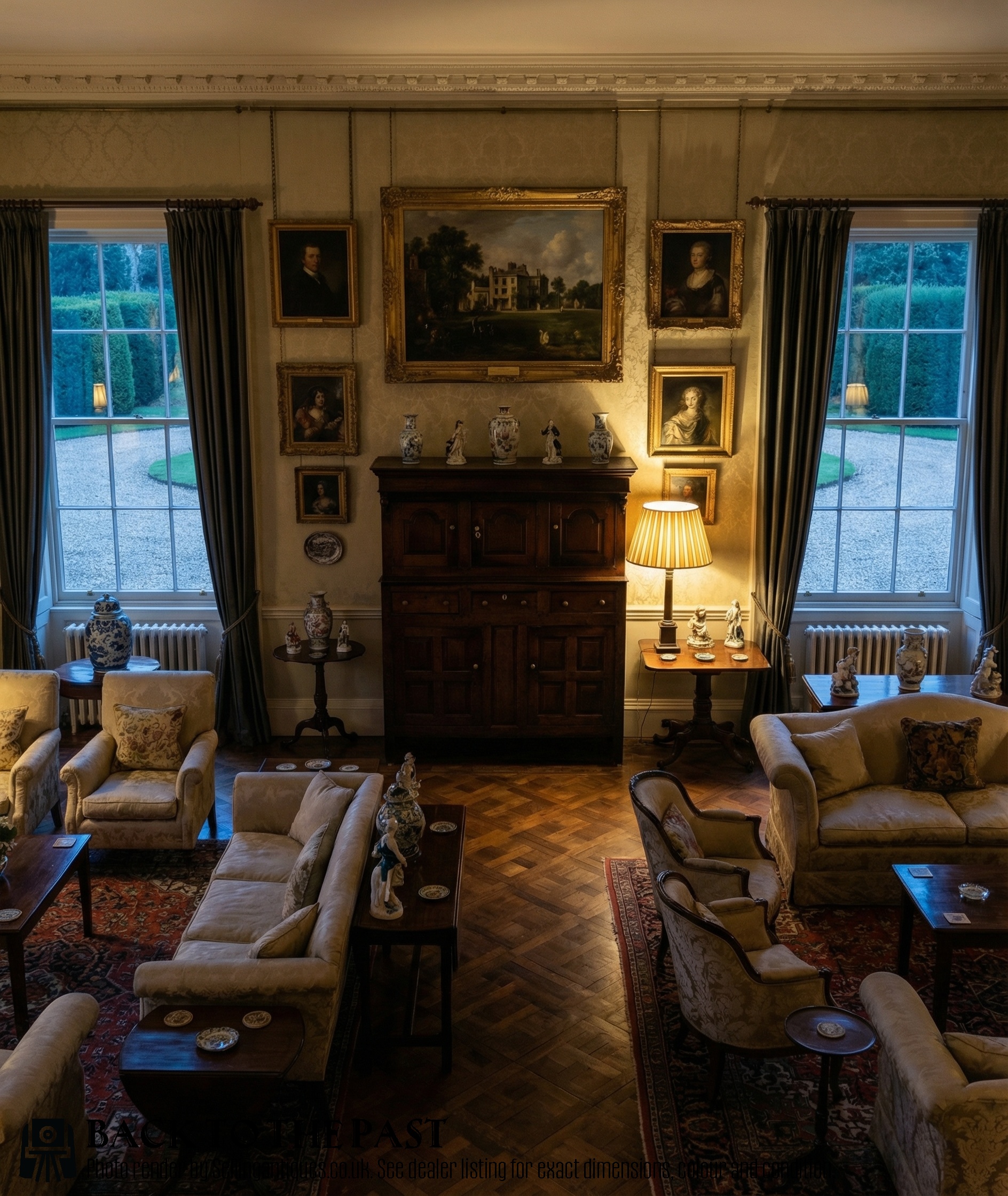
An antique oak hall cupboard commands an entranceway with dense grain and heavy timber built to hold heavy coats.
Forms and Origins
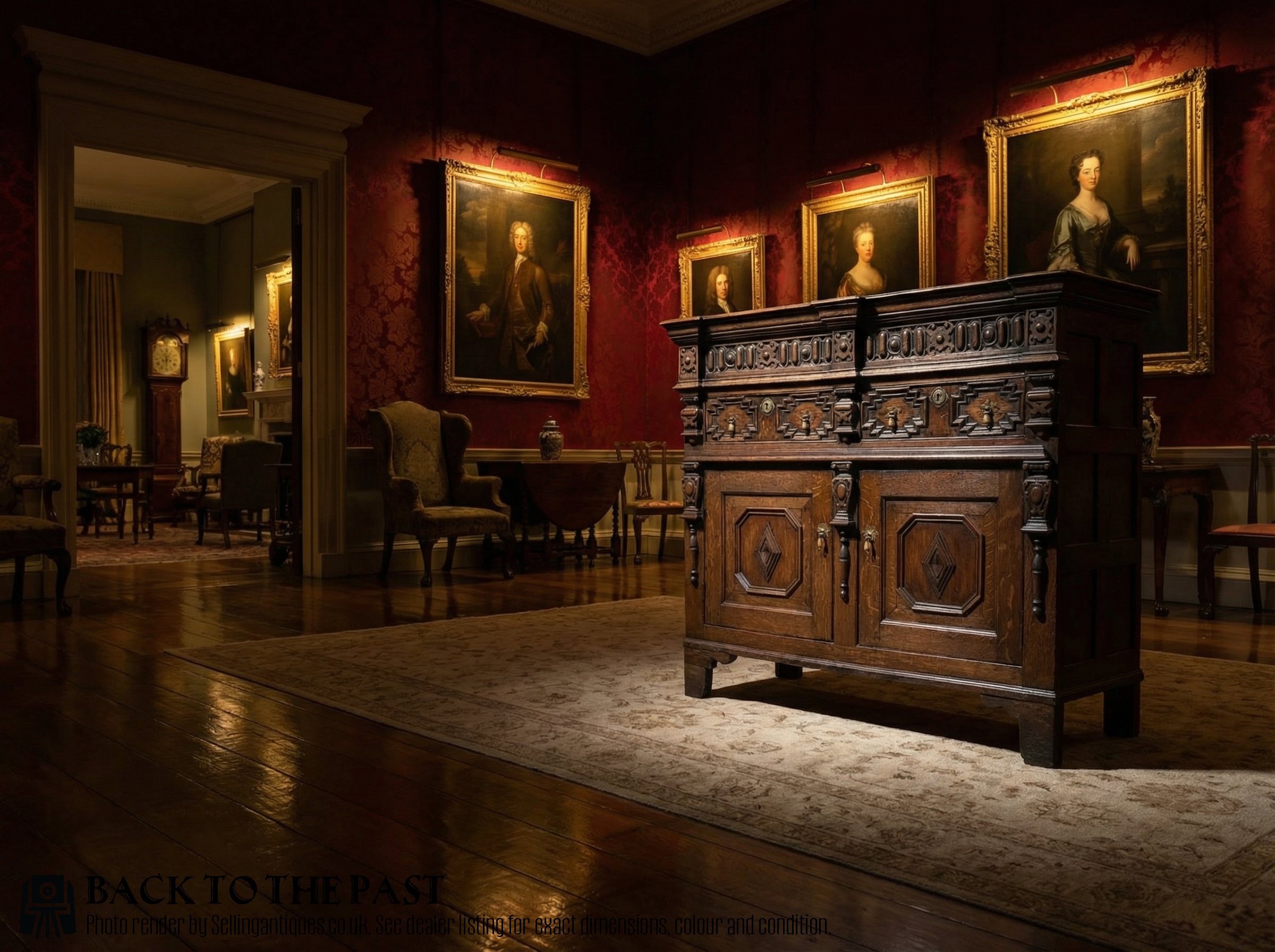
An antique oak hall cupboard serves as a substantial storage piece designed for entranceways and reception rooms. The pieces encountered here span from seventeenth-century joined examples through Georgian vernacular forms to later Arts and Crafts and revival iterations.
Buyers frequently find regional variations such as Welsh deuddarn two-part cupboards alongside Victorian and Edwardian hall wardrobes. These storage cabinets range from primitive country designs to heavily carved Renaissance and Jacobean revival interpretations.
The primary function remains outerwear and boot storage, utilising deep carcass construction and panelled doors. Surviving items demonstrate centuries of domestic utility within country houses, rectories, and rural dwellings.
Materials and Construction
Joiners built these cupboards predominantly from solid oak, utilising pegged mortise and tenon joints to secure the heavy frames. Backboards and internal shelving occasionally incorporate secondary timbers, while primary surfaces display distinct medullary rays in the timber grain.
Hardware relies on forged iron and brass components, including strap hinges, escutcheons, and blacksmith-made locks. Surface treatments span from natural waxed finishes and dark oak patination to limed treatments and period carved panels.
Retail Price Guide 2026
Typical UK retail prices for oak hall cupboard, calculated from the Sellingantiques database of over a million retail prices indexed since 2003. This retail price guide relies exclusively on Sellingantiques data; no external sources or auction records are used, so the figures do not describe the wider market.
Listings feature oak material paired with iron and brass hardware across Georgian, Victorian, and early twentieth-century periods.
Judging Quality
Quality rests upon the integrity of the timber carcass and the depth of the original patination developed over centuries of handling. Superior examples retain their authentic blacksmith ironwork, original backboards, and undisturbed pegged joinery without extensive timber replacement.
Carving execution dictates the grade of revival and vernacular pieces, distinguishing crisp hand-chiselled detail from softer, later work. The balance of proportions and proportioned cornice mouldings separate standard utility pieces from fine country house commissions.
Denby and Spink·Pugin
The Antique Oak Hall Cupboard Glossary
- Deuddarn
- A traditional Welsh two-tier cupboard featuring enclosed cabinet sections, often supported by turned columns. This regional form provides substantial storage capacity while displaying vernacular joinery techniques.
- Linenfold
- A style of wood carving that imitates folded parchment or linen, frequently seen on Tudor and revival panels. Cabinet makers utilised this decorative motif to add texture to flat cupboard doors.
- Medullary rays
- Natural ribbon-like flecks visible in quartersawn oak timber. These growth lines indicate high-quality milling and add distinct visual depth to antique furniture surfaces.
- Joined oak
- Furniture constructed using traditional frame and panel techniques fixed with wooden pegs rather than modern glues or metal fasteners. This method accommodates seasonal timber movement.
- Escutcheon
- A protective plate surrounding a keyhole, typically cast in brass or forged from iron. These elements often help date a piece through the style of metalwork and fastening screws.
Frequently Asked Questions
What is an antique oak hall cupboard used for?
These pieces provide heavy-duty storage in entrance halls and boot rooms for coats, hats, and daily outdoor apparel. Their deep internal capacity accommodates bulky garments while keeping hallways tidy.
Historically, larger estate versions also stored tack, linens, and reception accessories. Today, they serve the same practical function in modern homes while anchoring an entryway with period character.
How do I date an antique oak hall cupboard?
Dating relies on examining construction methods, hardware, and decorative styles across the timber frame. Early pieces from the seventeenth and eighteenth centuries display hand-split panels, pegged joints, and forged blacksmith ironwork.
Later Victorian, Edwardian, and 1920s iterations incorporate machine-sawn timber, brass hinges, and revival motifs such as linenfold carving or Renaissance panels. Secondary wood types and backboard construction further clarify the period.
Will a hall cupboard fit in a modern hallway?
Hall cupboards vary significantly in scale, ranging from compact single-door cabinets to large estate wardrobes and two-part cupboards. Careful measurement of ceiling height and doorway clearance is essential before purchase.
Many period examples offer surprisingly shallow depths designed specifically for narrow Victorian and Georgian corridors. Checking specific cabinet dimensions ensures the piece sits comfortably without obstructing thoroughfares.
How do I care for antique oak furniture?
Maintenance requires keeping timber away from direct heat sources and drastic humidity shifts to prevent wood splitting. Natural beeswax applied sparingly preserves the dry patina and nourishes the aged surface.
Routine dusting with a soft, dry cloth protects the finish from abrasive particles. Avoid commercial liquid polishes that can build up a residue over historic wax layers.