

Jacobean Revival Cabinet
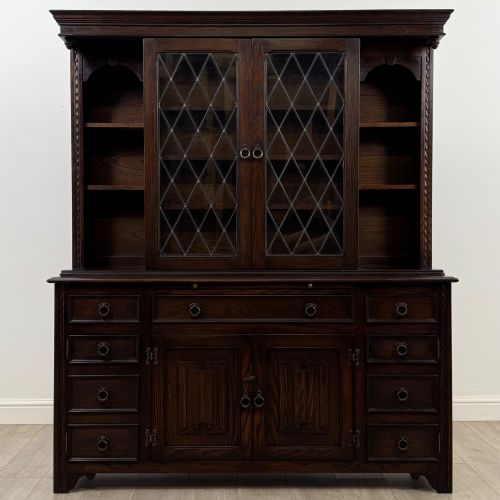
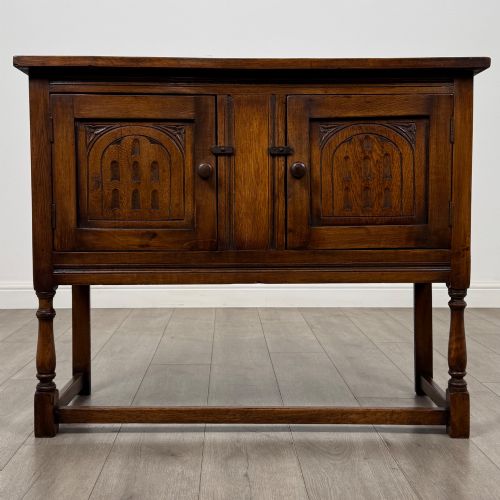
A jacobean revival cabinet brings solid timber presence and traditional carving into a room, drawing on earlier seventeenth-century forms.
Jacobean Revival Cabinet
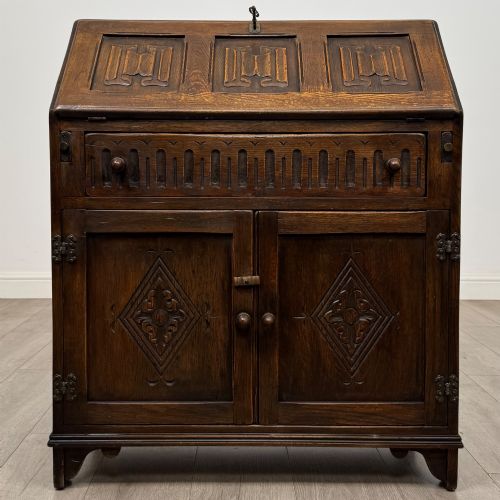
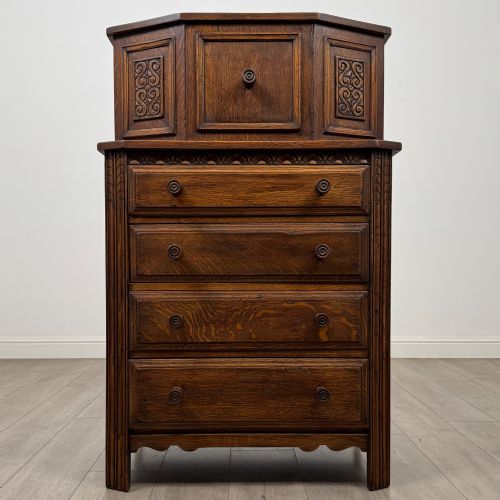
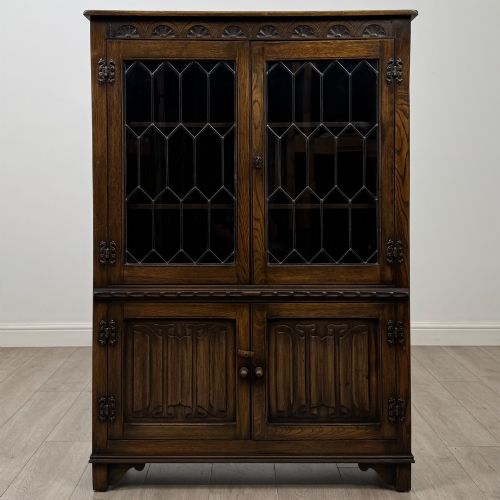
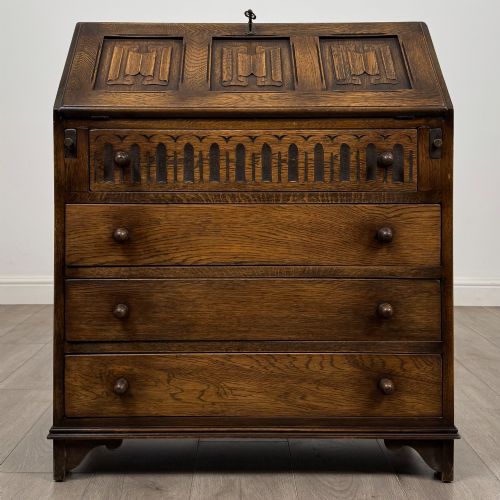
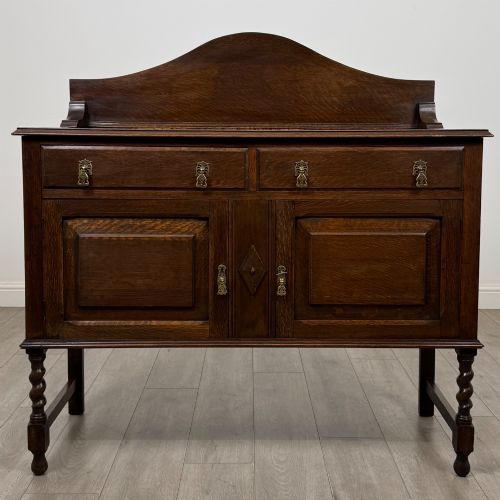
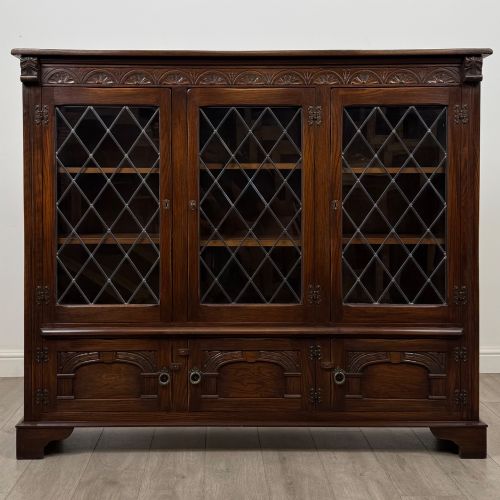
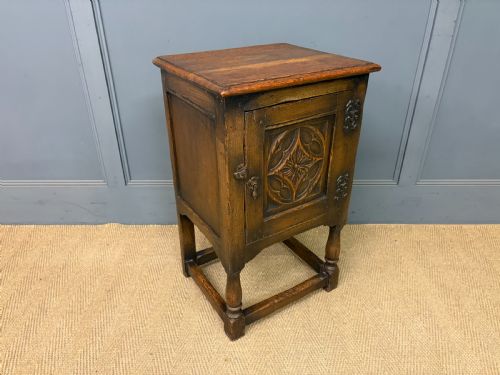
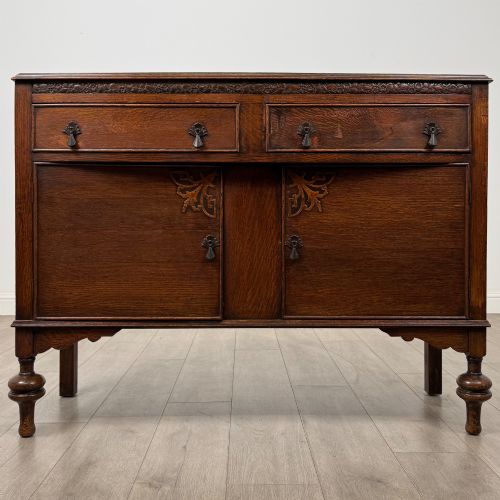
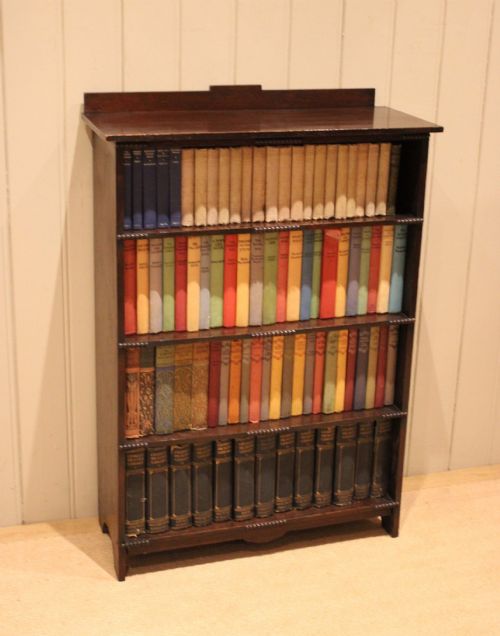
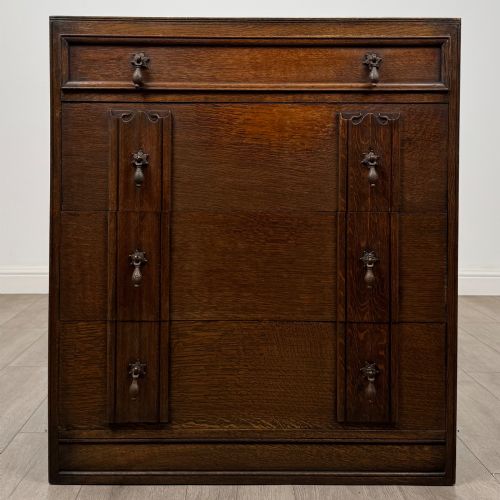
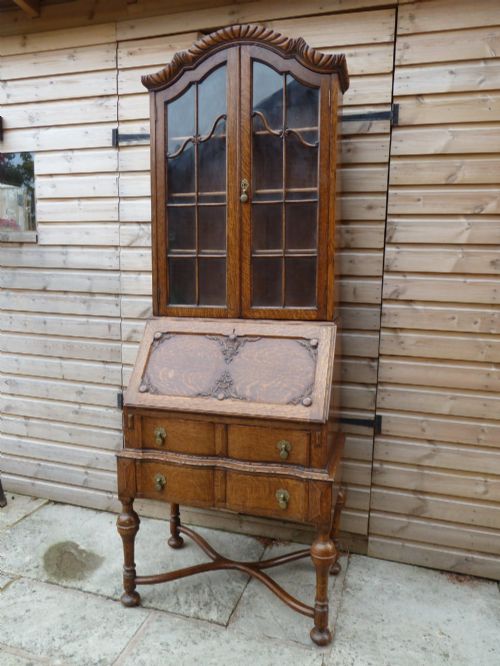
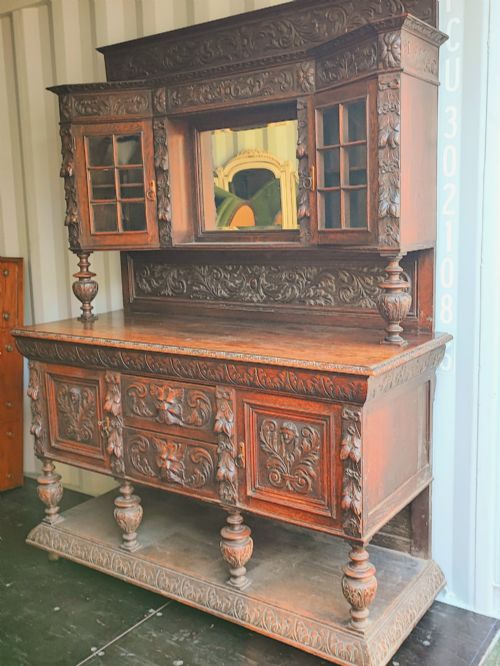
A jacobean revival cabinet takes many forms across the evidence, appearing most frequently as cupboards, sideboards, bookcases, and display cabinets. These pieces date largely from the Victorian era through the Edwardian period and into the nineteen-twenties, adapting older vernacular storage shapes for domestic use.
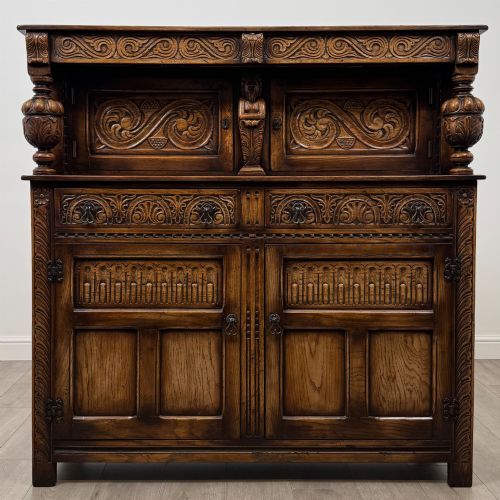
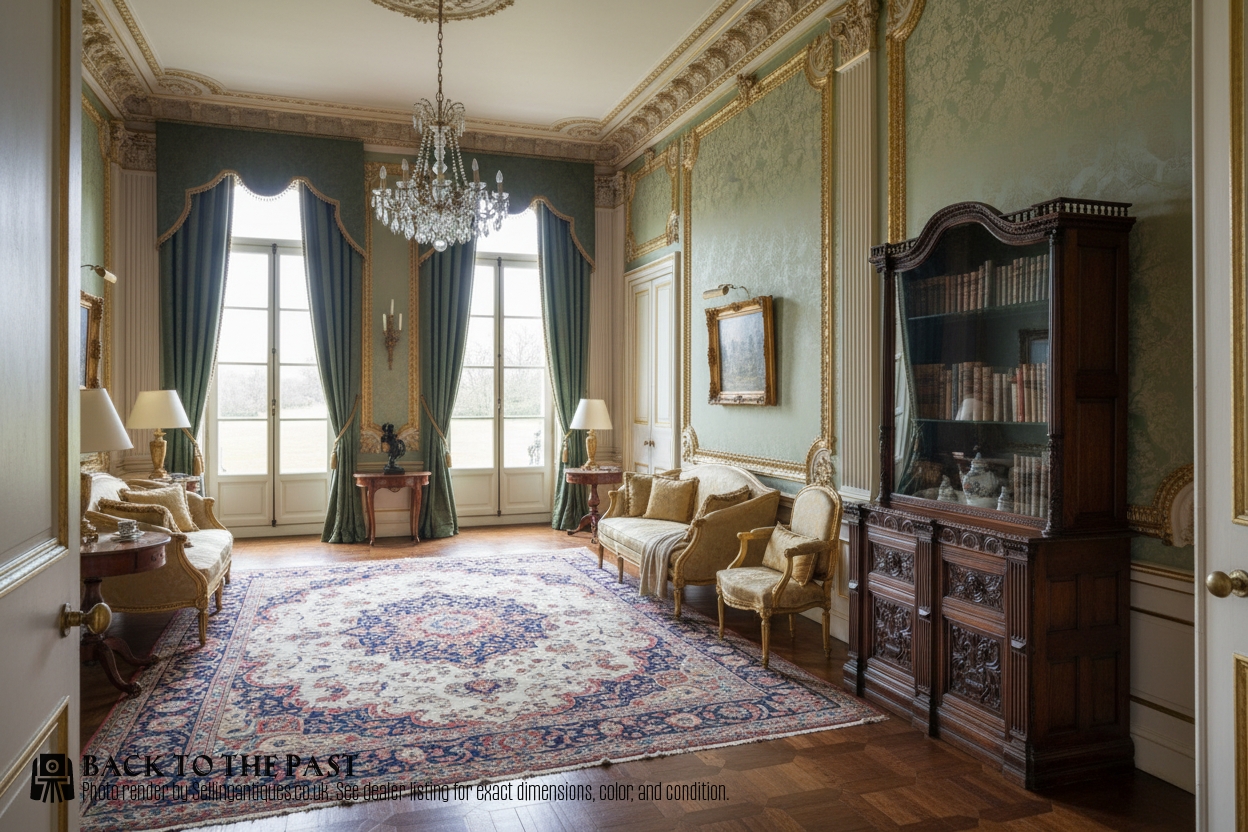
The selection on this page centres heavily on Edwardian and nineteen-twenties interpretations built in oak. Side cabinets, court cupboards, and bureau bookcases dominate the inventory, reflecting the revival's heavy reliance on panelled doors, linenfold carving, and sturdy proportions.
How they were made
Makers relied principally on solid oak, complemented by walnut, fruitwood, and occasional secondary timbers. Construction involved sturdy joinery designed to support heavy carved panels, applied mouldings, and thick timber tops.
Surface ornament relied heavily on hand and machine carving, producing linenfold panels, geometric strapwork, and carved figural details such as Green Man motifs. Hardware typically included brass drops, iron hinges, and lead framing for glazed doors.
Jacobean Revival Cabinet Retail Price Guide 2026
Typical asking prices for jacobean revival cabinet among the pieces listed under this phrase on Sellingantiques today, from the lower quarter to the upper quarter. They describe what is for sale here now, not the wider market.
Listings span periods from the seventeenth century through to the nineteen-thirties, with Edwardian production forming the core of the oak cabinet selection.
What varies in quality
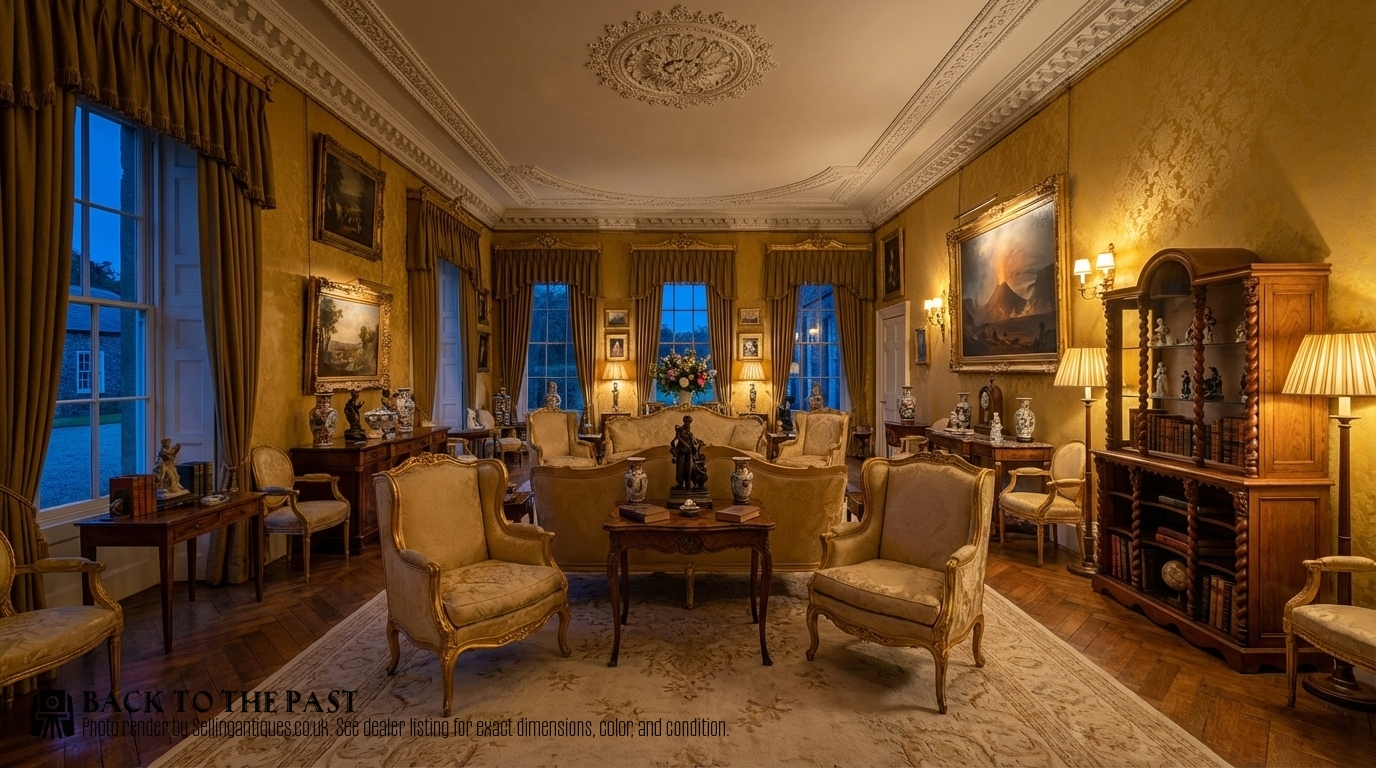
Quality rests upon the depth and crispness of the timber carving rather than mere surface decoration. Pieces featuring sharply defined linenfold panels or intricate strapwork stand apart from simpler iterations with shallow or mechanical incisions.
The choice of timber and structural joinery also dictates overall standard. Select examples utilise thick, well-figured solid oak with traditional panel-and-frame construction, ensuring doors hang true and heavy cornices remain stable over decades of use.
The Jacobean Revival Cabinet Glossary
- Court cupboard
- A compact enclosed storage piece with an upper section supported by pillars or corbels above a wider lower cupboard. It serves as a classic expression of seventeenth-century vernacular form reinterpreted by later makers.
- Linenfold
- A style of carved wooden panelling that resembles folded vertical folds of fabric. It appears frequently on the doors and friezes of Edwardian revival furniture.
- Green Man
- A sculptural architectural ornament depicting a human face emerging from or entwined with foliage and vines. It symbolises rebirth and appears on select revival cupboard bases and dressers.
- Barley twist
- A turned column or leg resembling a spiralling rope or twisting stalk. This decorative turning is common on the uprights and supports of sideboards from the early twentieth century.
- Strapwork
- A carved or pierced ornamental motif resembling flat interlaced bands or leather straps. It provides geometric surface relief on revival cabinet doors and drawer fronts.
Jacobean Revival Cabinet: Frequently Asked Questions
What is a jacobean revival cabinet?
A jacobean revival cabinet is a storage piece produced during the nineteenth and twentieth centuries that copies or adapts seventeenth-century English furniture styles. These items typically feature dark oak, panelled doors, and heavy carved details.
They reflect a broader Victorian and Edwardian interest in historic domestic design, bringing vernacular architectural motifs into modern homes through sideboards, bookcases, and cupboards.
How do I date a revival cabinet?
Dating relies on examining construction methods, timber selection, and hardware style. Pieces from the Victorian era often display heavier proportions and darker finishes, while Edwardian and 1920s examples frequently incorporate linenfold panels and lighter oak.
Looking at drawer linings, backboards, and hinge types also helps distinguish nineteenth-century workshop production from later twentieth-century serial manufacture.
Are these cabinets made of solid oak?
Many examples in the evidence utilise solid oak for doors, frames, and primary surfaces. Some larger pieces incorporate secondary timbers or veneers for interior panels and drawer bottoms.
Checking the grain continuity across panel edges helps identify whether a surface uses solid timber or applied facing.
How should I style one in a modern room?
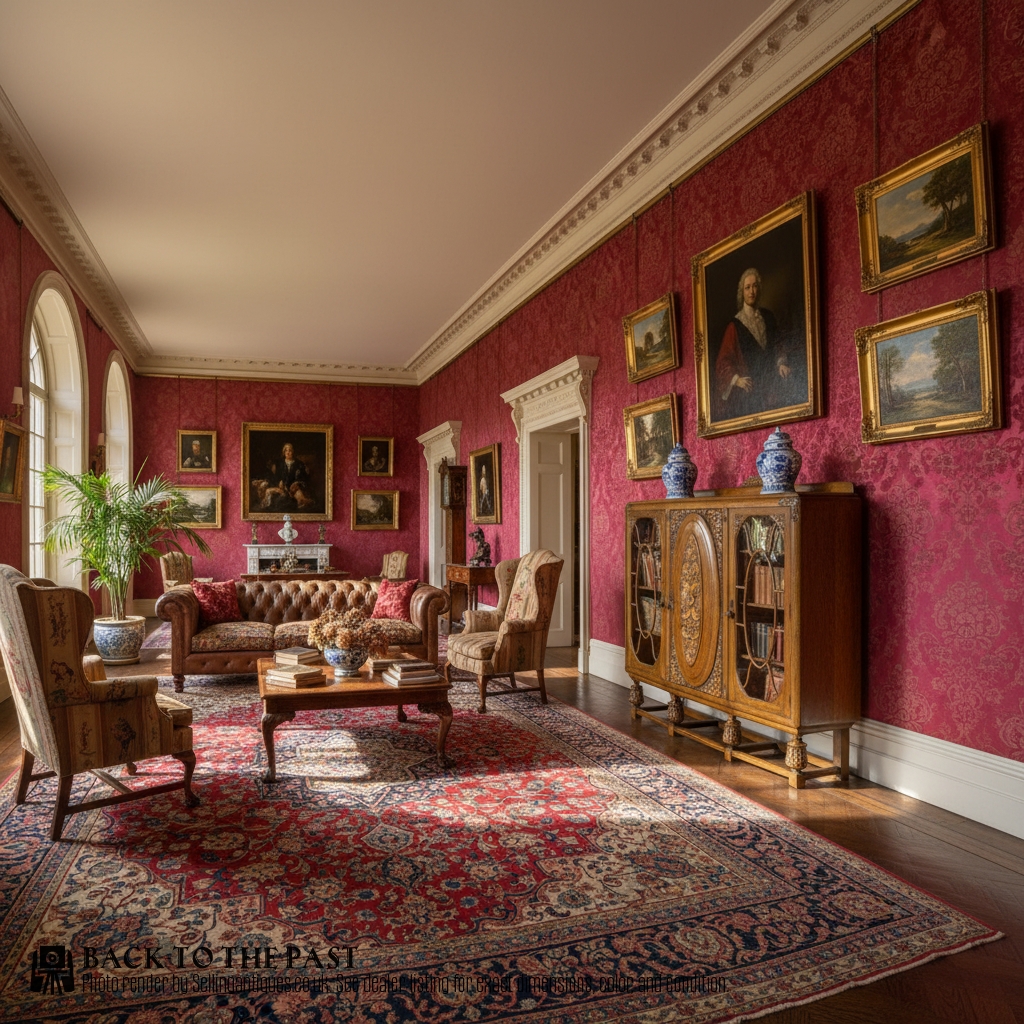
These cabinets provide strong visual weight and dark timber tones that anchor a contemporary interior. They work effectively against neutral walls where their carved panels and glazed doors can function as focal points.
Use the flat top surfaces for lamps or ceramics, while keeping surrounding furniture simpler to let the traditional woodwork stand out.