

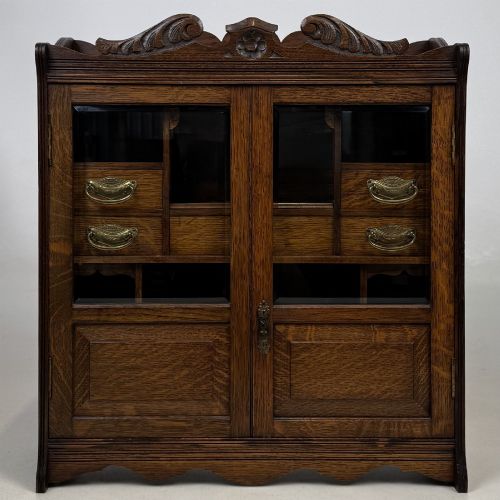
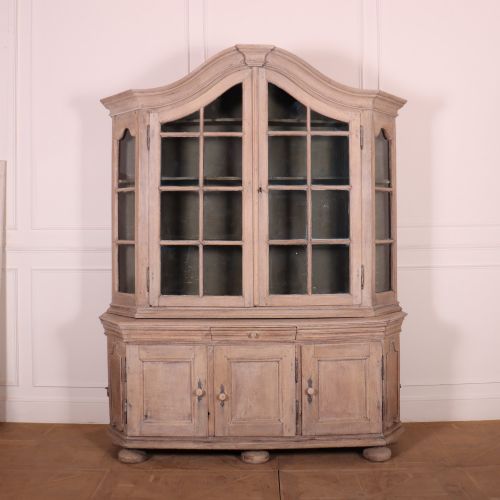
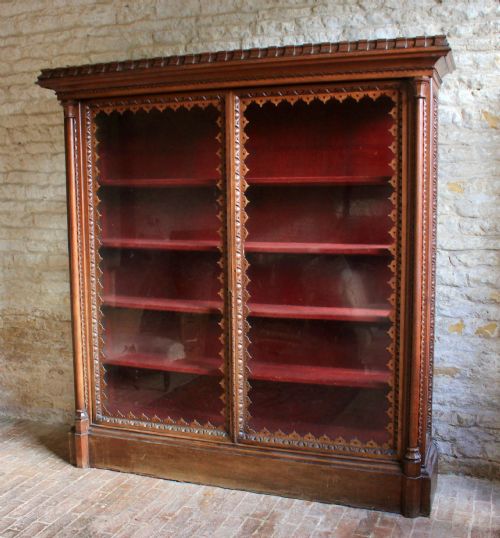
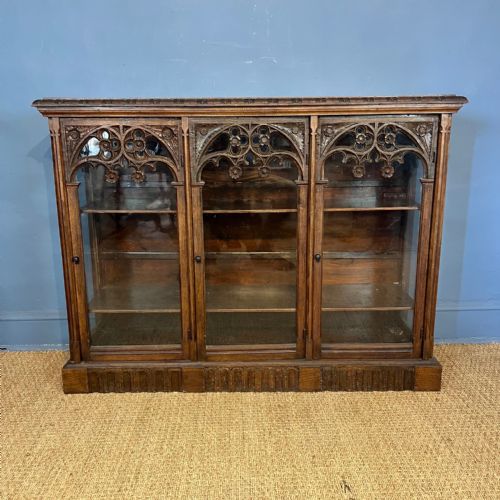
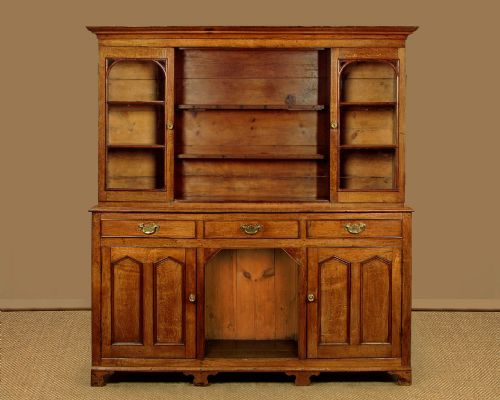
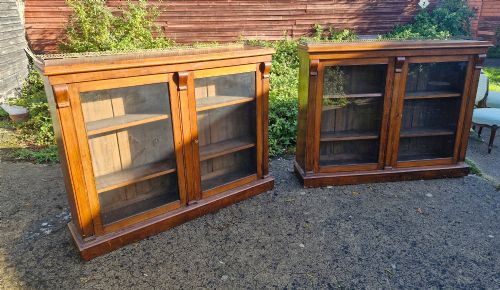
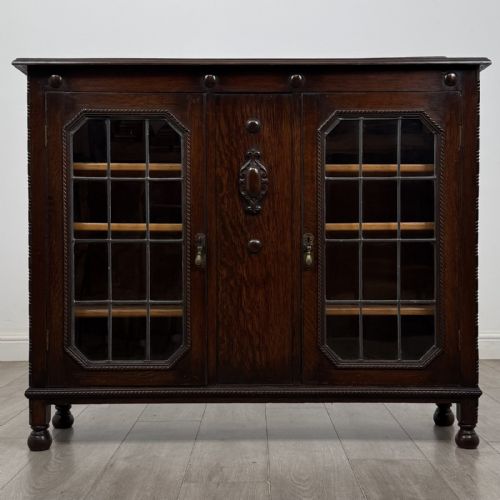
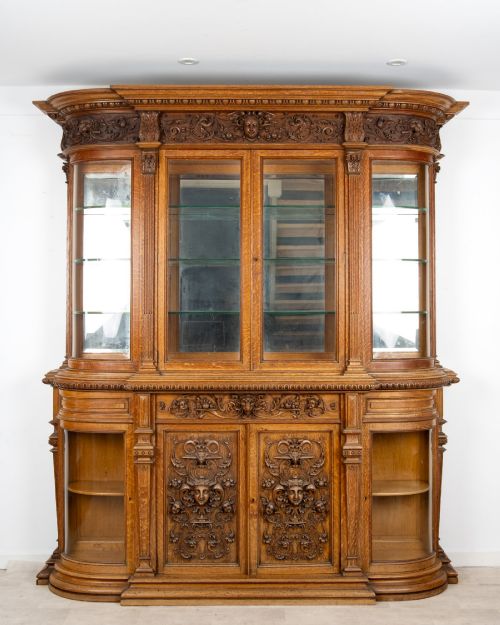
Glazed Oak Cupboard
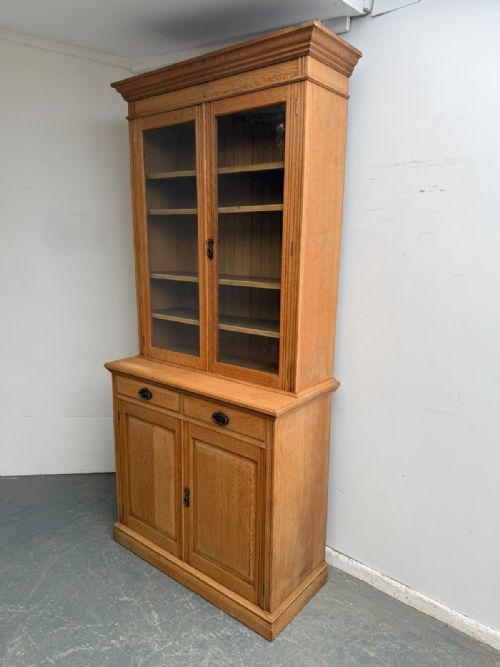
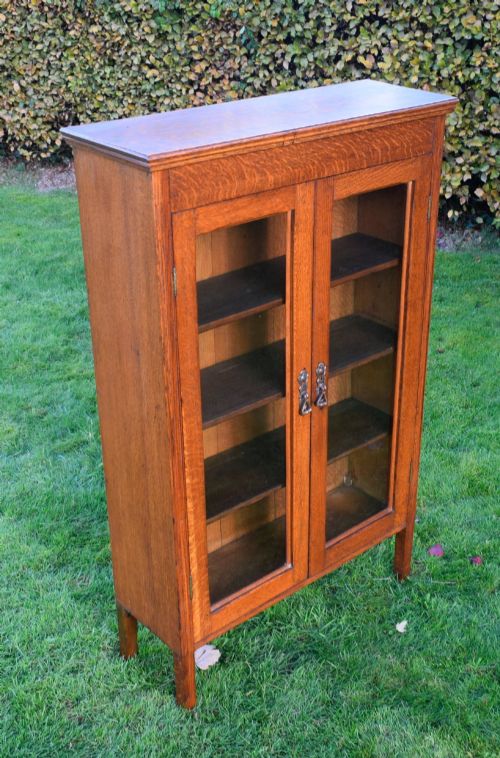
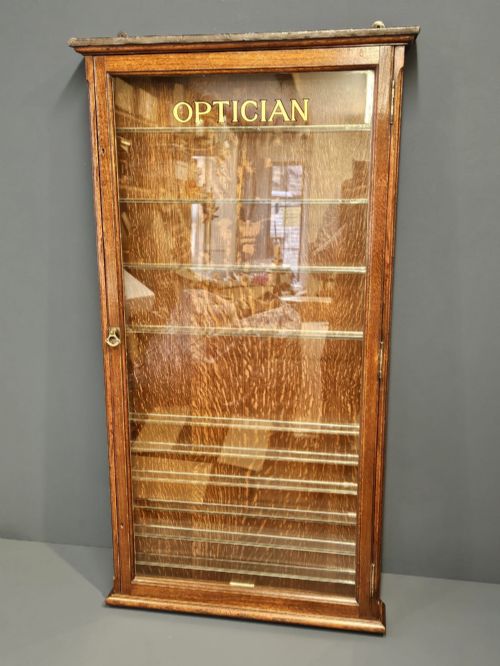
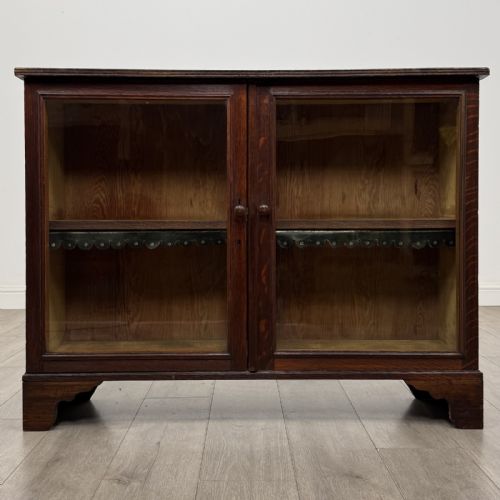
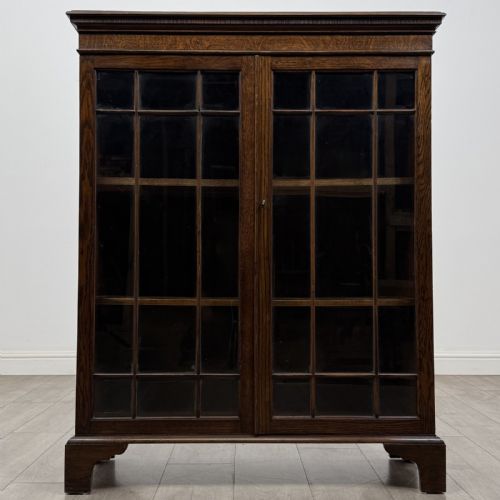
When you want a glazed oak cupboard, you are looking for timber storage designed to display and protect books or china.
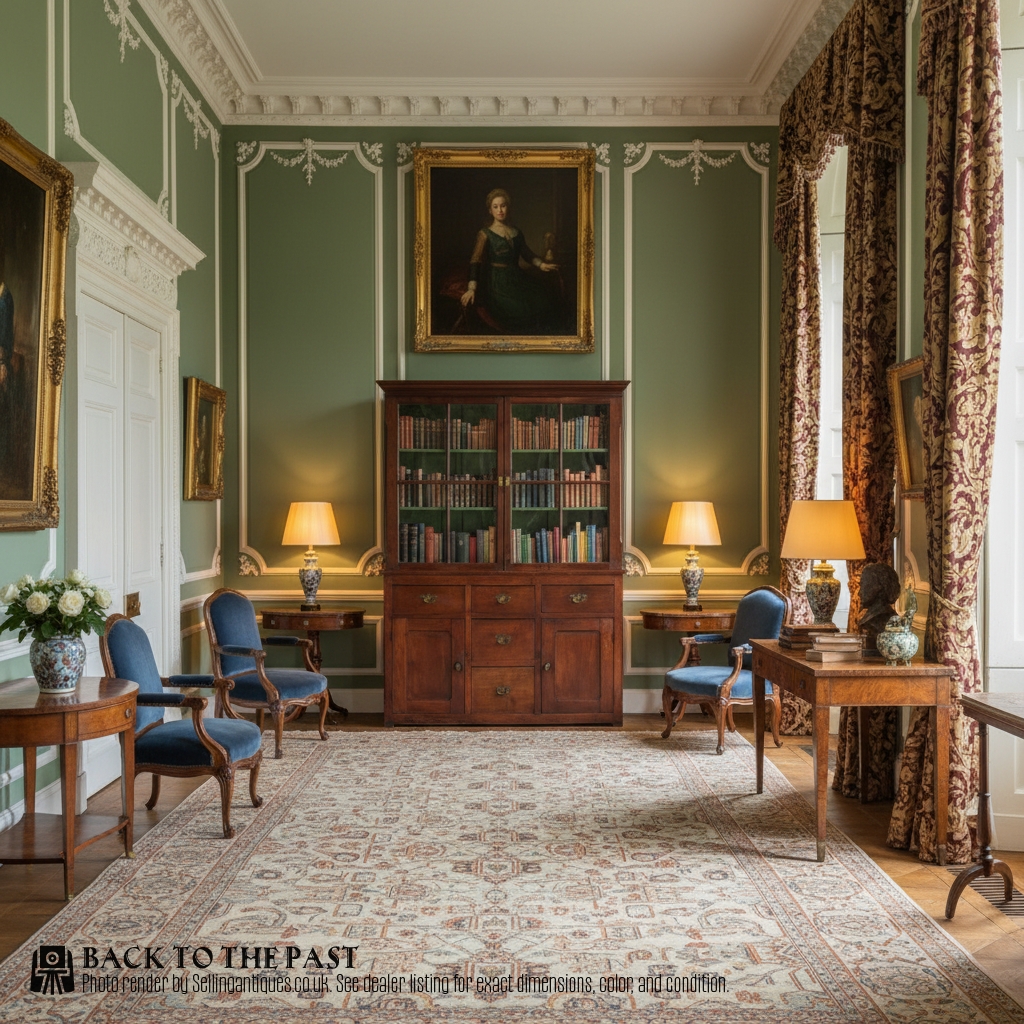
Glazed Oak Cupboard
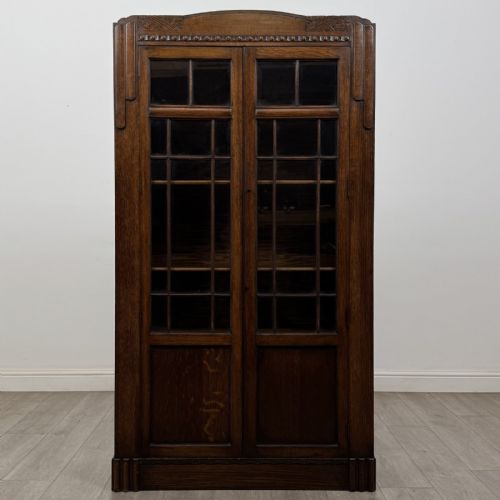
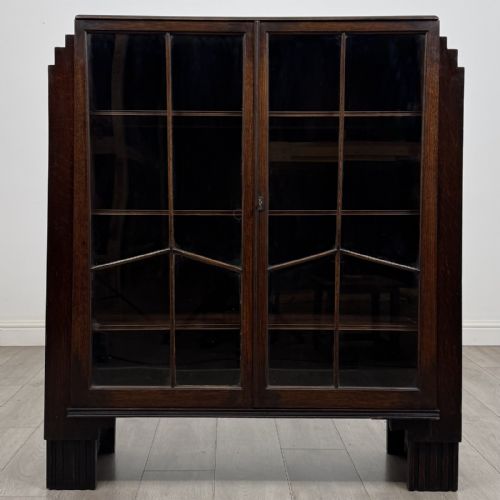
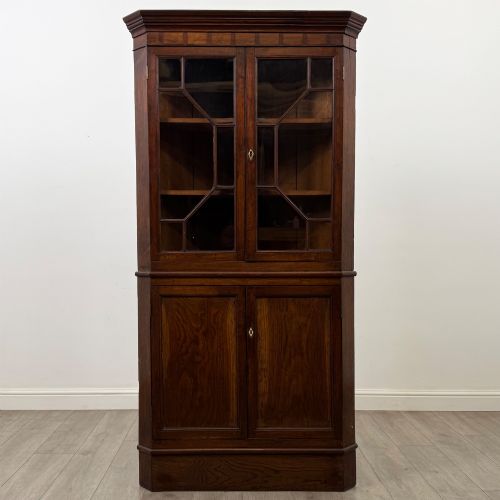
A glazed oak cupboard combines timber storage with transparent viewing panels, taking the form of bookcases, corner cabinets, dressers, and display cases. These pieces appear across multiple eras, including Georgian, Victorian, Edwardian, and twentieth-century periods.
The most common formats on this page are corner cabinets and standing bookcases, originating from English, Welsh, and continental workshops. They serve utilitarian and decorative functions in domestic interiors.
Makers utilised various timber cuts, applying plain, tiger, pollard, and golden oak alongside glass panes and metal hardware to build these storage units.
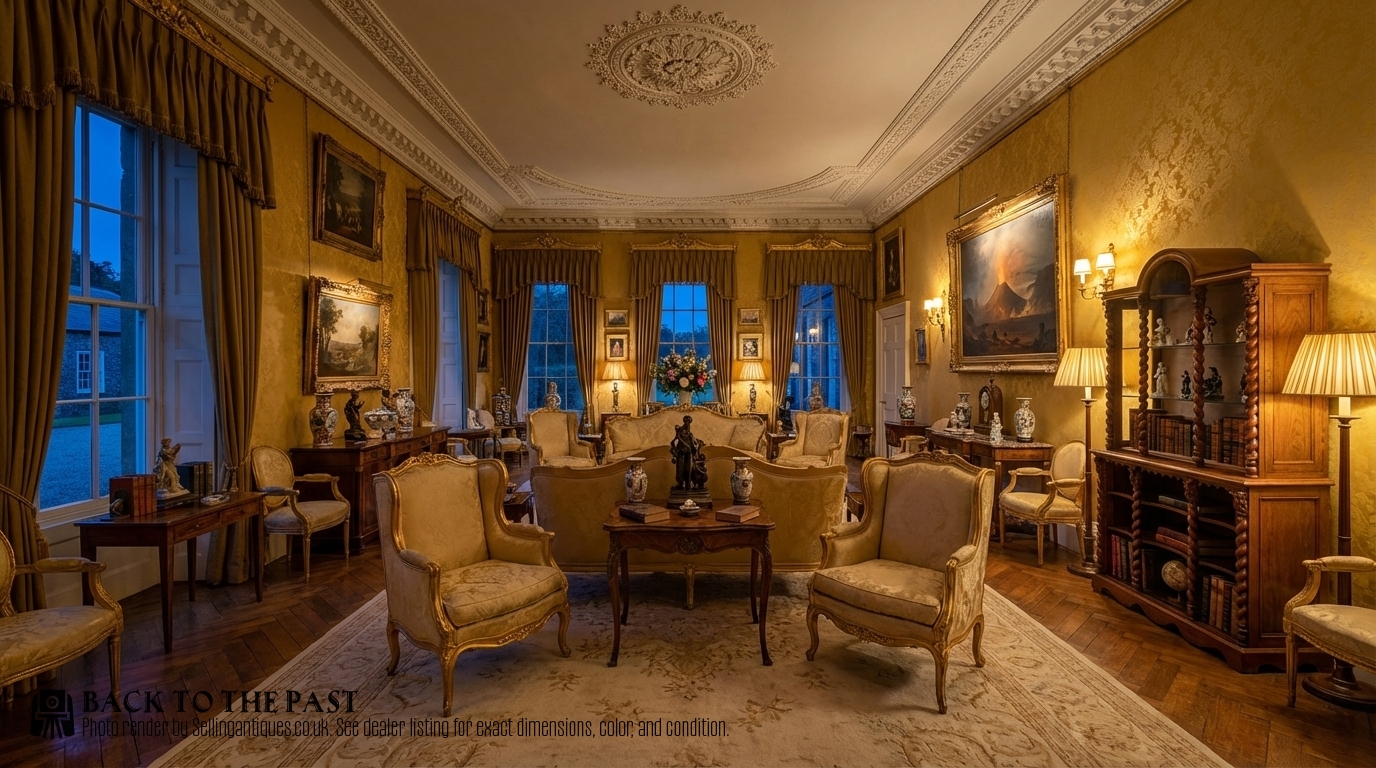
How they were made
Joiners constructed these pieces primarily from solid oak, sometimes incorporating mahogany or pollard oak veneers for contrast and visual texture. Frames often feature carved ornamentation, linenfold panels, or geometric mouldings depending on the period.
Windows incorporate transparent glass, leaded cames, or astragal bars to secure the panes within doors. Hardware such as brass hinges and iron latches complete the assembly of doors and drawers.
Glazed Oak Cupboard Retail Price Guide 2026
Typical asking prices for glazed oak cupboard among the pieces listed under this phrase on Sellingantiques today, from the lower quarter to the upper quarter. They describe what is for sale here now, not the wider market.
Listings feature oak combined with glass, brass, lead, iron, and pollard oak across Georgian, Victorian, and Edwardian periods.
What varies in quality
The selection of timber grain dictates much of the visual appeal, with figured tiger oak or pollard oak commanding attention over plain planks. Construction methods also separate standard utility items from finer cabinetwork, visible in the precision of dovetailed drawers and tight door joints.
Decorative ambition alters the character of individual items, ranging from simple school library bookcases to heavily carved French hunting cabinets and gilt-mounted display cases.
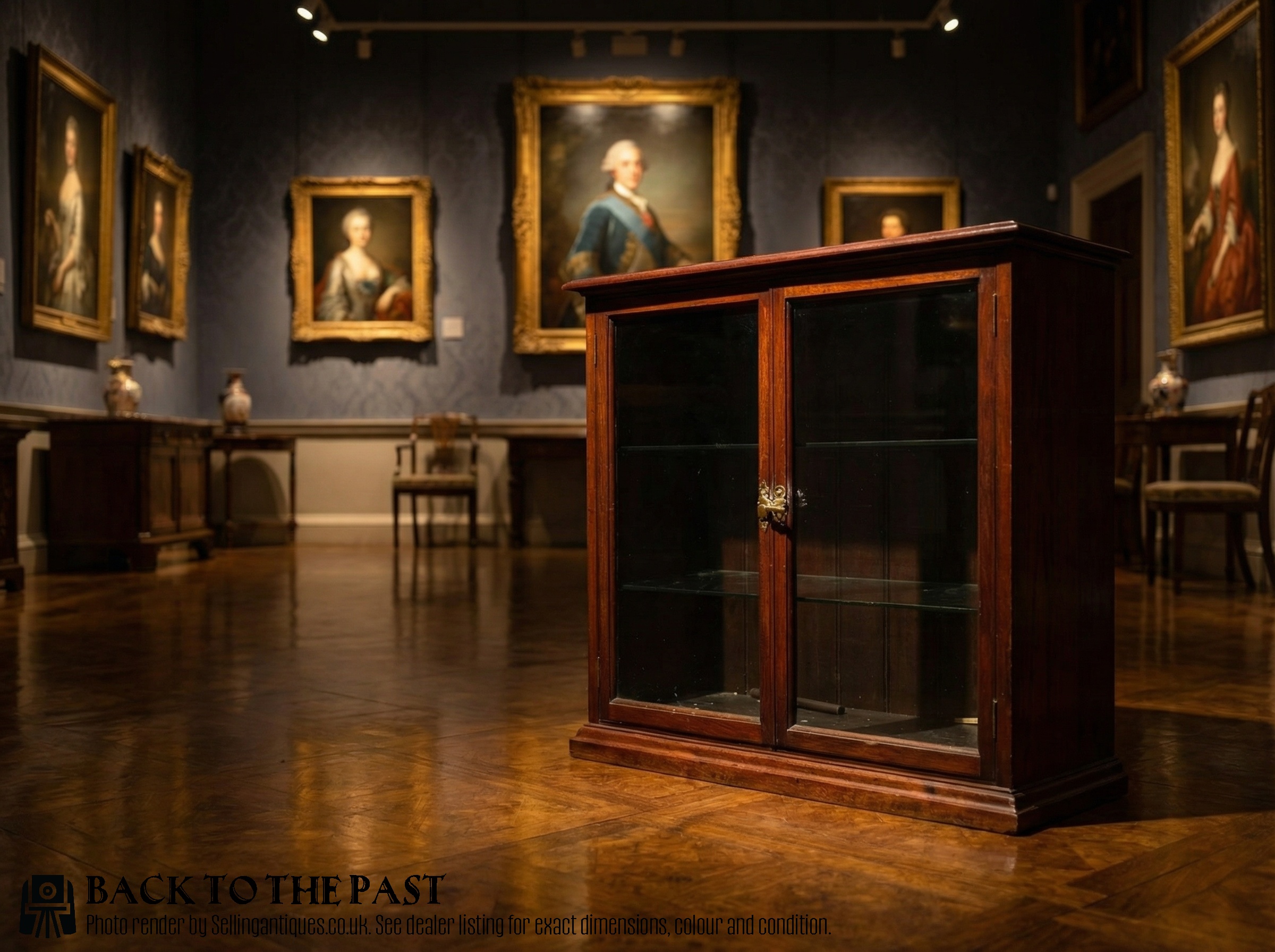
James D Bennet of Glasgow·Howard and Sons·Gillows·Maple and Co·Liberty and Co
The Glazed Oak Cupboard Glossary
- Astragal
- The moulding strips that divide individual panes of glass within a cabinet door. These wooden bars create a grid pattern across the glazed opening.
- Cwpwrdd Gwydr
- A traditional Welsh term for a glazed cupboard. These regional pieces often feature two distinct stages for storage and display.
- Pollard oak
- Timber taken from trees that were pollarded, producing a dense, highly figured grain pattern with clustered knots. Cabinetmakers utilised this wood for decorative veneer panels.
- Vitrine
- A glass-fronted display cabinet designed specifically for showing porcelain, curiosities, or decorative objects. They often feature glazed sides as well as doors.
- Buffet deux corps
- A large two-stage cabinet originating in France, combining a lower storage cupboard with an upper display section. These architectural pieces provide substantial capacity.
Glazed Oak Cupboard: Frequently Asked Questions
How do I date an oak cupboard?
Dating relies on observing construction techniques, hardware, and stylistic details such as carved panels or astragal bars. Earlier pieces from the Georgian era display hand-cut joinery and specific regional proportions.
Later Edwardian and twentieth-century examples often incorporate machine-cut elements and distinct revival styles like Jacobean or Art Deco.
Where should I place a corner cabinet?
Corner cabinets utilise awkward room junctions efficiently, making them suitable for dining rooms, hallways, or living spaces. Freestanding models offer flexibility, while wall-hanging versions save floor space.
Ensure the door swing has adequate clearance from surrounding furniture before installation.
Are these cupboards suitable for heavy books?
Many pieces designed as bookcases or library cupboards feature sturdy oak shelving capable of supporting substantial volumes. Adjustable shelves appear in several Victorian and later examples.
Older fixed-shelf cabinets require checking the internal support battens before loading heavy items.
What is the difference between a dresser and a bookcase?
Dressers typically combine a lower enclosed storage cupboard with an upper open or glazed rack, often originating from Welsh domestic traditions. Bookcases focus primarily on shelving behind glass doors for the containment of texts.
Some hybrid forms integrate both functions with lower drawers and upper display compartments.