


Vintage Drinks Cabinet
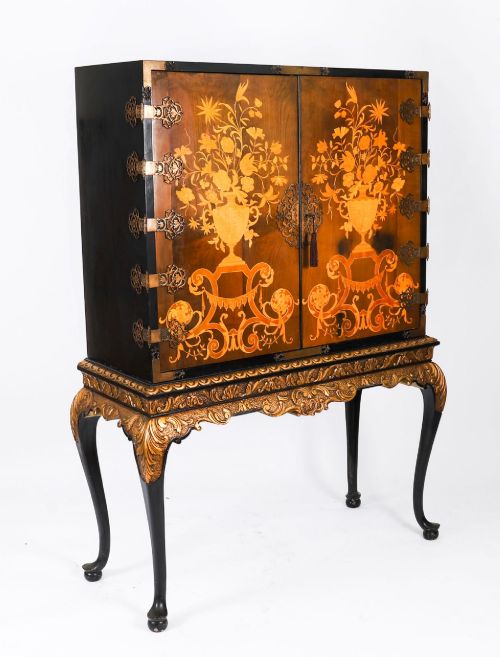
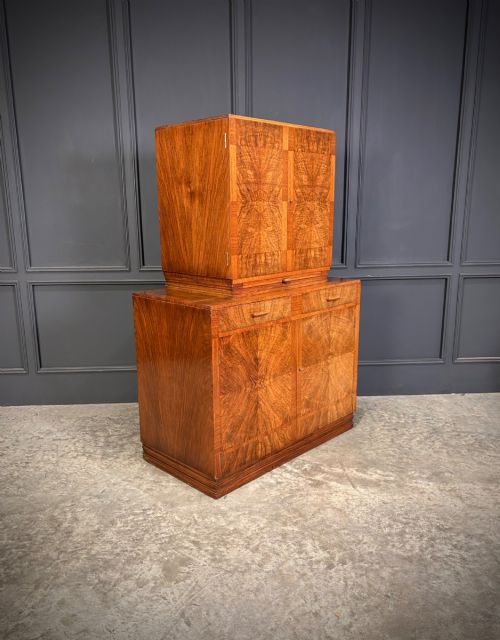
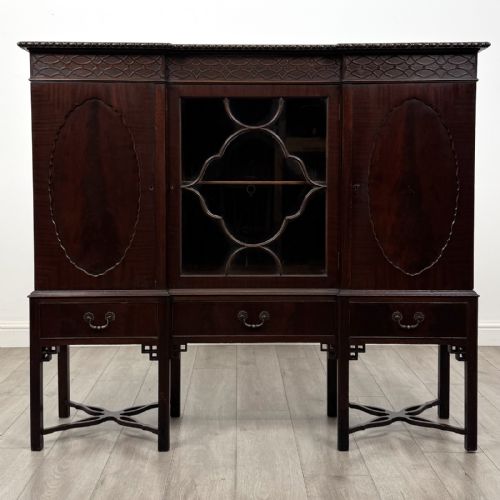
A vintage drinks cabinet brings period character and practical hosting space into a room, spanning styles from Art Deco walnut to Edwardian mahogany.
Vintage Drinks Cabinet
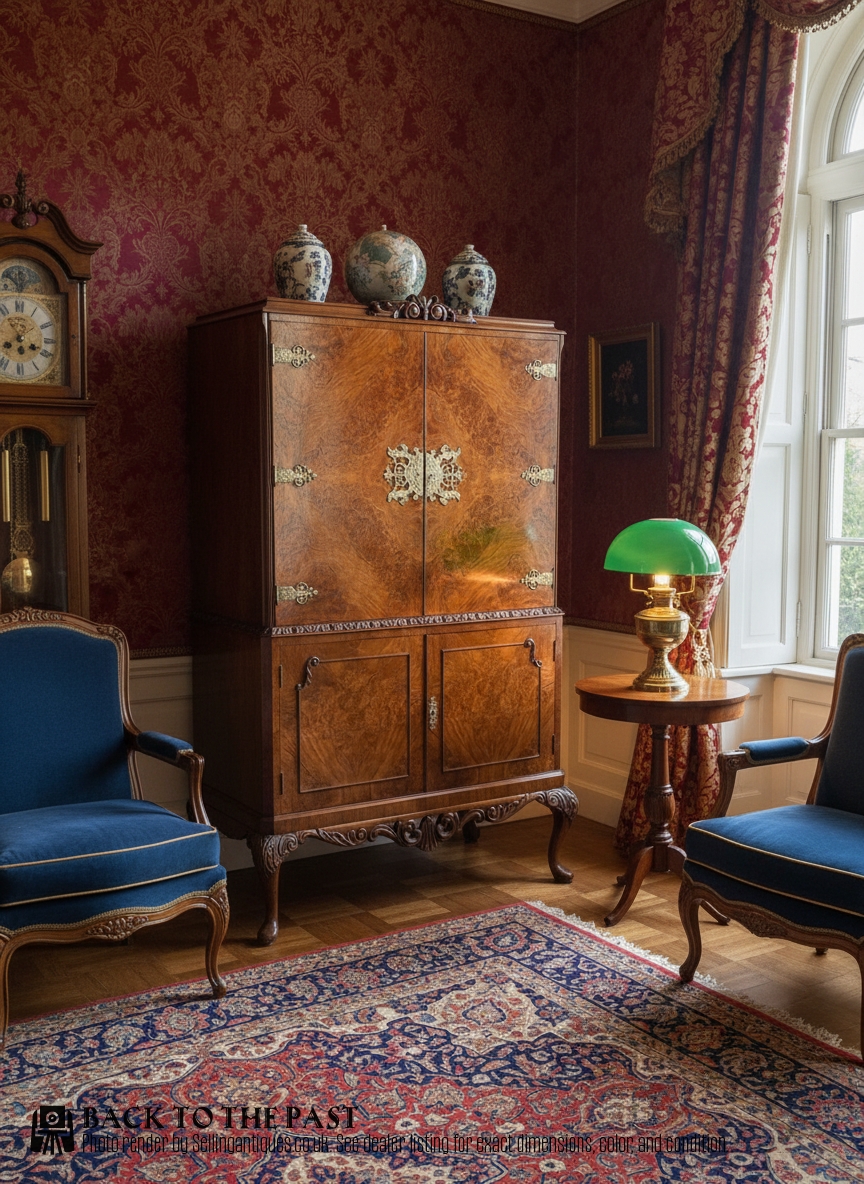
A vintage drinks cabinet serves as a dedicated piece for hosting, often housing glassware, bottles, and barware behind fitted doors. These furnishings span several eras, reflecting shifts in entertaining habits from the nineteenth century onward.
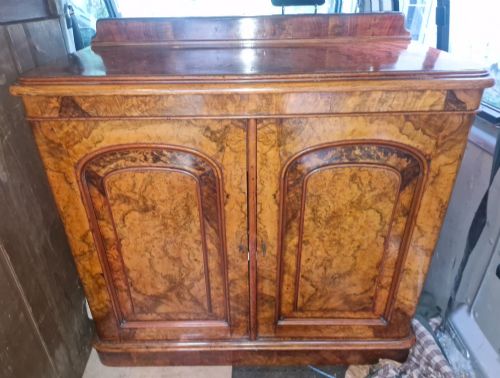
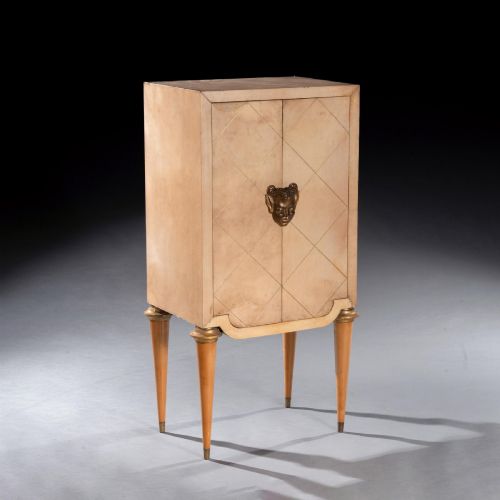
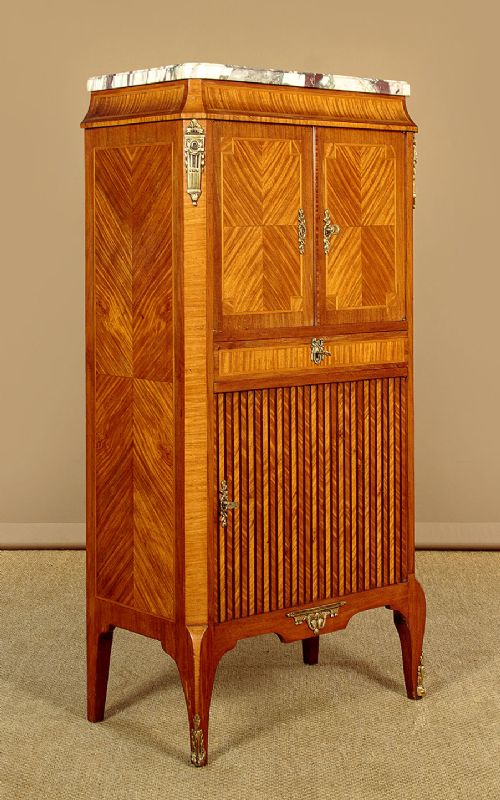
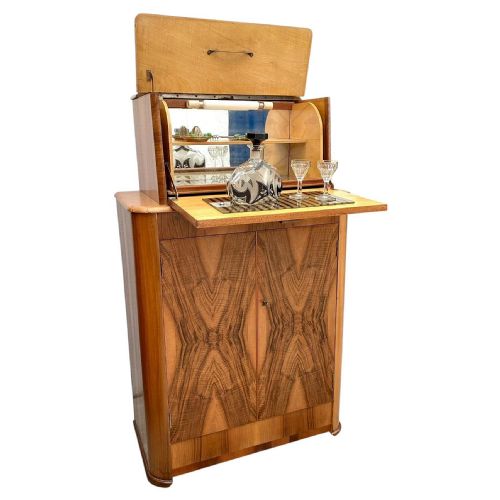
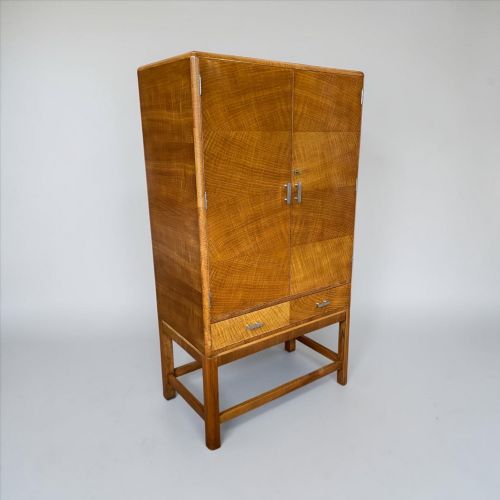
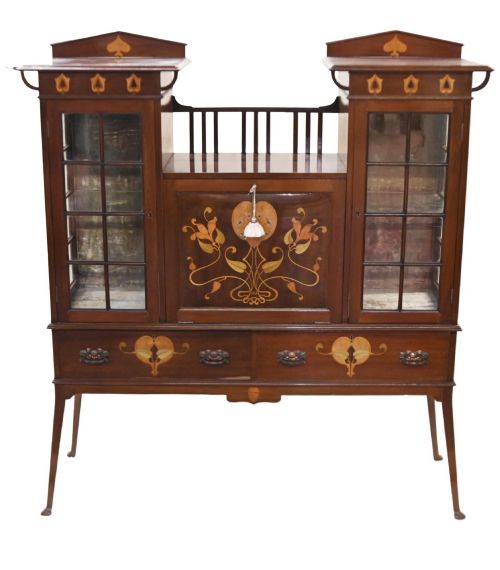
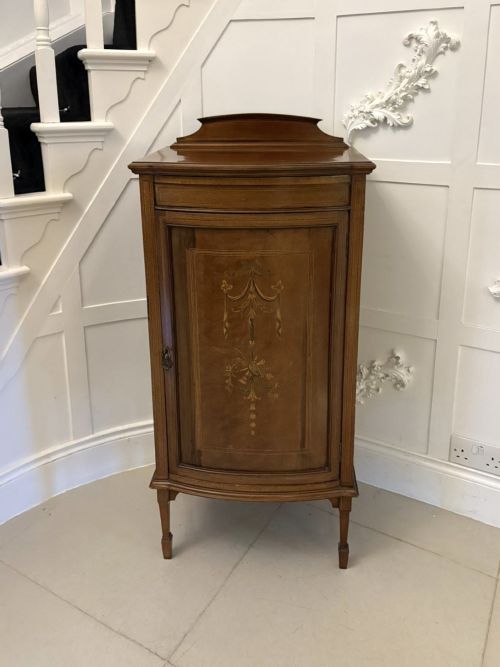
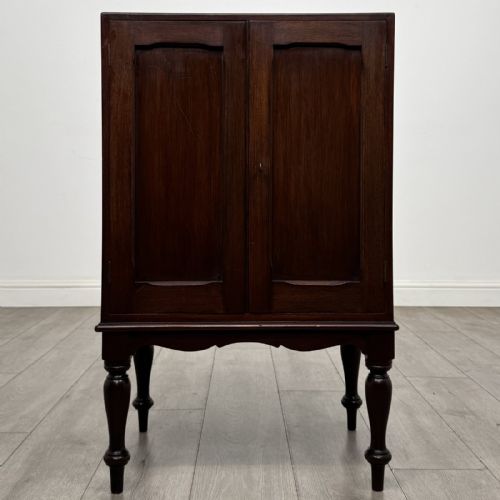
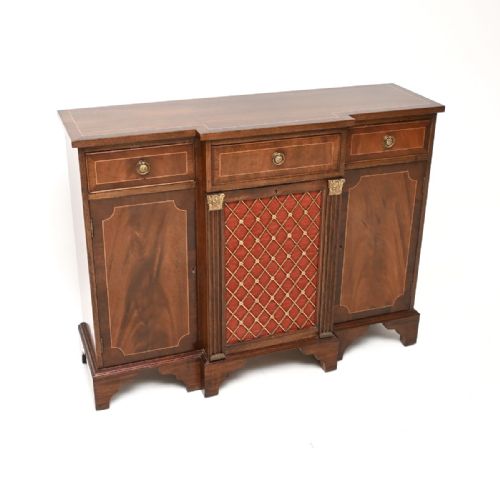
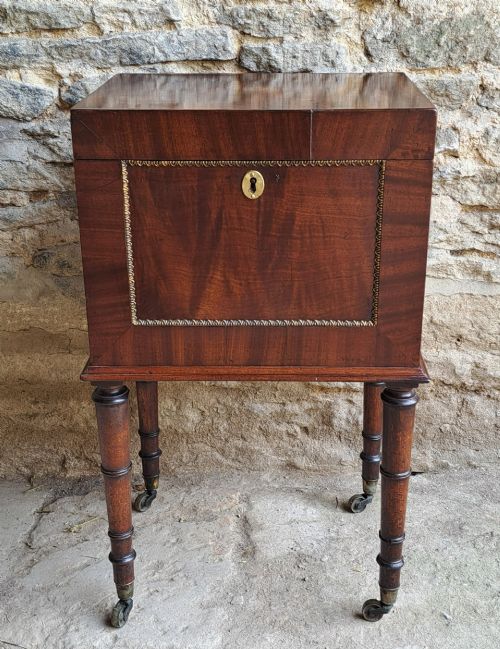
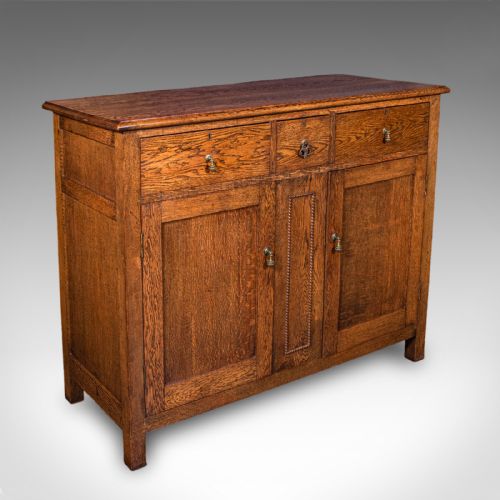
The selections available here range widely in form, from Georgian wine coolers and Edwardian sideboards to twentieth century cocktail chests. Among these, Art Deco walnut variants dominate, showcasing bold geometric lines and figured wood grains.
Buyers encountering this phrase often seek specialised storage that doubles as a focal point in a dining room or living space. The variety extends to serving carts, cellarettes, and tall display cabinets adapted for hospitality.
Materials and Construction
Cabinet makers relied heavily on timber selection, pairing solid frames with striking veneers such as burr walnut, figured mahogany, and rosewood. These surfaces were frequently polished to highlight natural grain patterns.
Internal fittings often involved meticulous joinery, incorporating mirrored backs, pull-out glass serving slides, and tailored bottle racks. Brass hardware, glass panels, and occasional parchment or lacquered Chinoiserie finishes completed the construction.
Vintage Drinks Cabinet Retail Price Guide 2026
Typical asking prices for vintage drinks cabinet among the pieces listed under this phrase on Sellingantiques today, from the lower quarter to the upper quarter. They describe what is for sale here now, not the wider market.
Some vintage cocktail cabinets hide revolving dry bar mechanisms that reveal your gin collection with a single spin.
Distinctions in Quality
Quality rests primarily on the choice of veneer matching, internal complexity, and the integrity of the cabinet structure. Superior pieces exhibit seamless matching of burr walnut or mahogany across multiple doors and drawers.
The sophistication of the internal mechanism also sets examples apart, distinguishing simple shelved cupboards from fitted cocktail units with drop-down writing surfaces, lighting, and specialised glass storage.
Harry and Lou Epstein·Denby and Spinks·Maurice Jallot
The Vintage Drinks Cabinet Glossary
- Cellarette
- A lockable storage chest designed specifically for holding wine bottles, often fitted with internal partitions. These originated in earlier centuries before evolving into standalone side furniture.
- Veneer
- A thin layer of finely figured wood applied over a secondary timber base to create decorative exterior surfaces. Burr walnut and mahogany are commonly treated this way.
- Tantalus
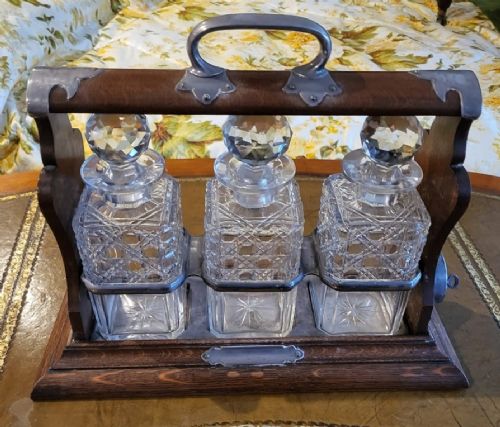
- A locking beverage holder that secures decanters in a wooden frame while keeping their contents visible. This device prevented servants or guests from accessing the spirits without permission.
- Chinoiserie
- European decorative motifs inspired by Chinese art, featuring lacquered scenes and gilded details. This finish appears on select twentieth century cocktail pieces.
- Demi-lune
- A half-moon shape characteristic of certain sideboards and cabinets designed to fit flush against a wall. Edwardian iterations often incorporate inlaid woodwork.
Vintage Drinks Cabinet: Frequently Asked Questions
What is a vintage drinks cabinet used for?
These cabinets store bottles, decanters, glassware, and mixing tools in a dedicated compartment. They function as both practical hosting stations and decorative furniture.
Many designs feature drop-down flaps that double as serving shelves for preparing cocktails.
How do I identify an Art Deco drinks cabinet?
Art Deco examples typically date from the 1920s and 1930s, featuring symmetrical geometric forms and rich burr walnut or bird's-eye maple veneers. They often house mirrored interiors and specialised glass storage.
Clean lines and contrasting wood selections distinguish them from earlier Edwardian or Victorian storage pieces.
Where should I place a drinks cabinet?
A drinks cabinet suits living rooms, dining spaces, or home bars where entertaining takes place. Freestanding sideboards and tall cabinets require adequate clearance for doors or drop-front shelves to open fully.
Positioning them away from direct sunlight protects polished wood surfaces and delicate veneers.
What is the difference between a cellarette and a cocktail cabinet?
A cellarette is a low chest or cooler designed primarily to hold wine bottles upright in individual slots, frequently seen in earlier periods. A cocktail cabinet is a taller twentieth century form meant for mixed drinks, featuring glassware storage and serving surfaces.
Cocktail cabinets often include interior lighting and mirrored mixing ledges.