


1930s Drinks Cabinet
A 1930s drinks cabinet brings geometric glamour and practical storage for glassware and bottles into a modern room.

1930s Drinks Cabinet
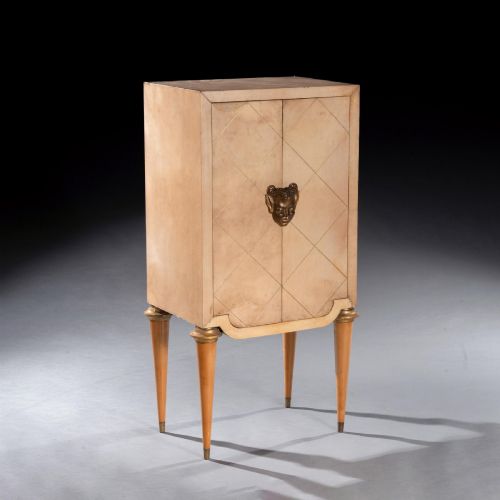
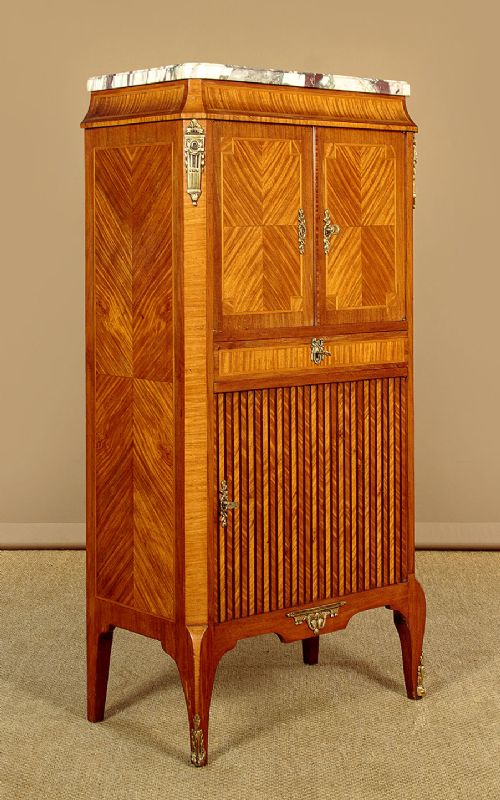
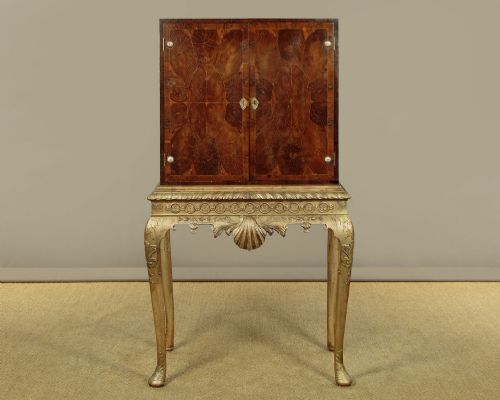
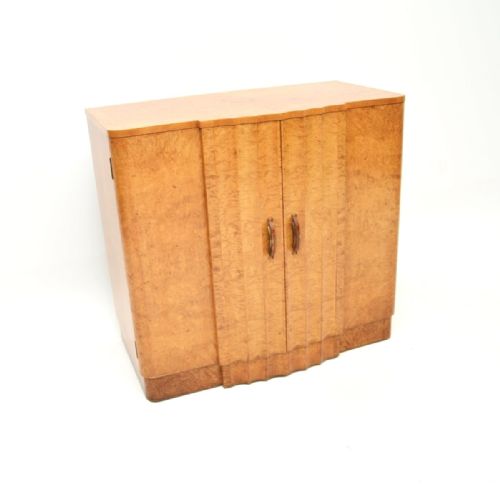
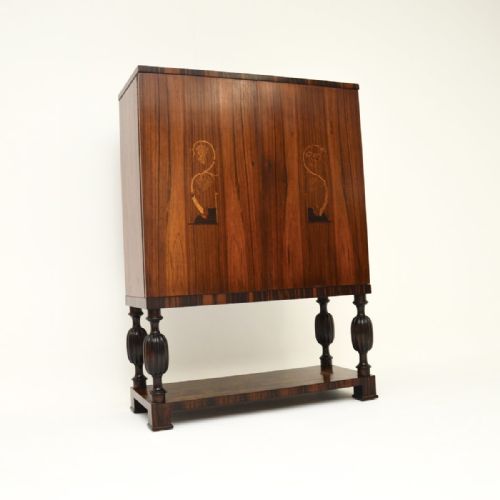
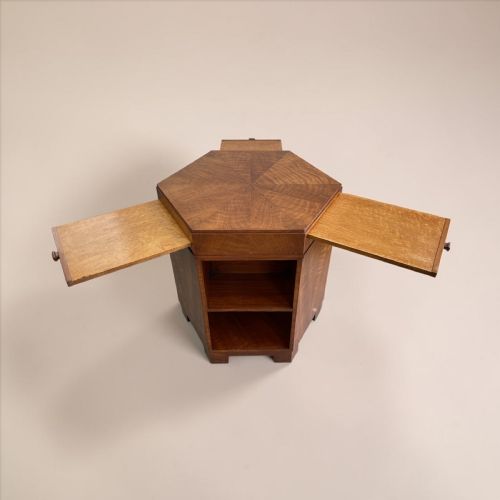
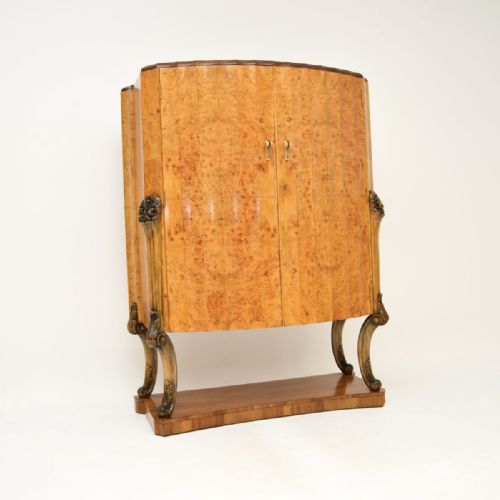
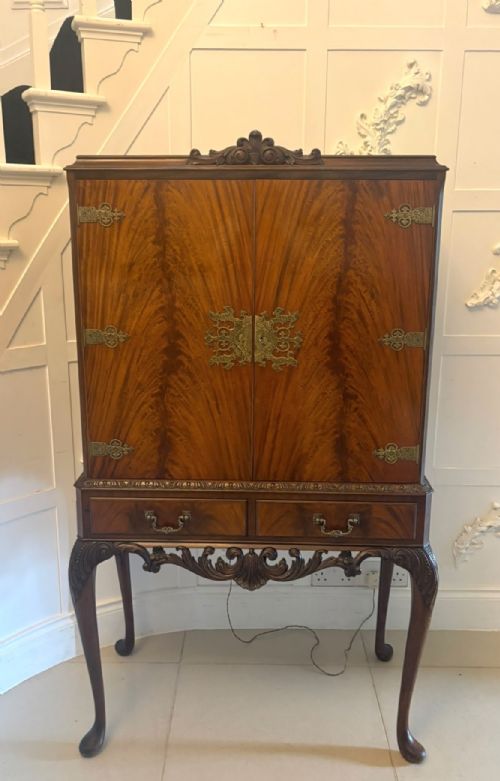
When searching for a 1930s drinks cabinet, a buyer encounters specialised cocktail cabinets, dry bars, and side cabinets designed for entertaining. The most common forms on this page date principally from the 1930 period, drawing on Art Deco styles alongside occasional Queen Anne Revival, Swedish Grace, French Art Deco, and Louis XVI Revival influences.
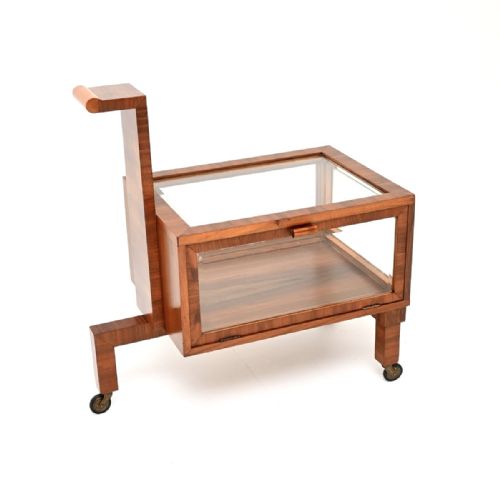
These pieces function as dedicated storage units for hosting, frequently taking the form of cocktail cabinets on stands, sideboards, or metamorphic tables that transform for serving. Origins span English workshops and French ateliers, presenting varied silhouettes from geometric upright chests to low serving carts.
How They Were Made
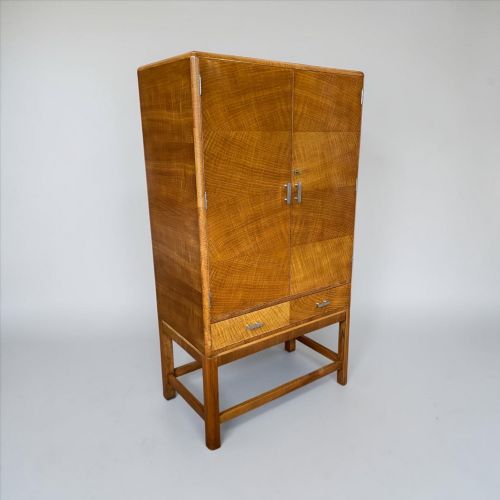
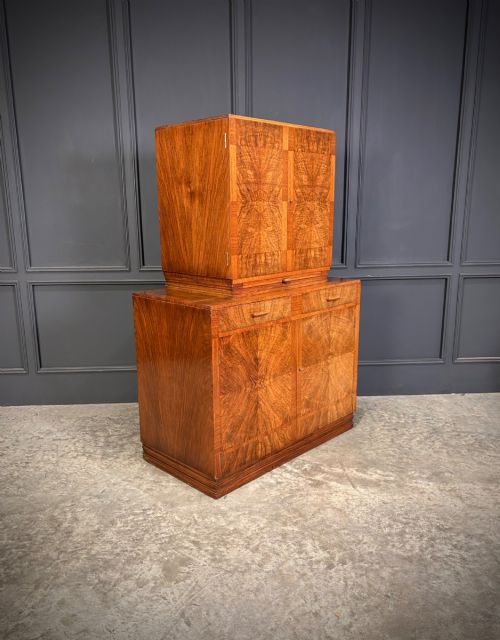
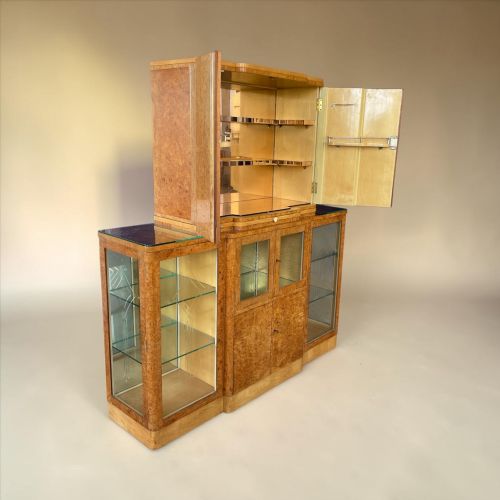
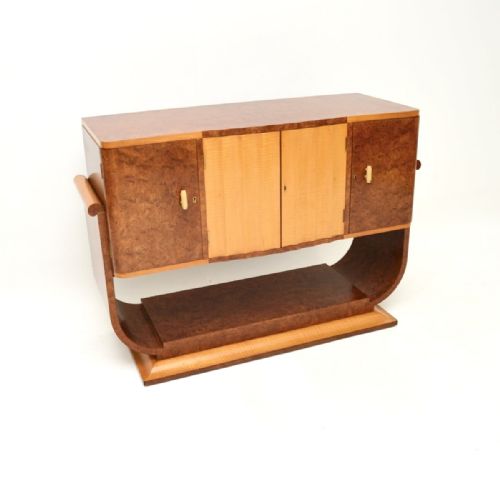
Cabinet makers utilised choice timbers such as walnut, burr walnut, mahogany, satinwood, rosewood, and bird's-eye maple, often applying figured veneers to create striking symmetrical grain patterns on the exterior surfaces. Workshops combined these rich woods with contrasting interior details in sycamore, parchment, and lacquer, incorporating mirrors, glass shelves, and electric lighting.
Metalwork played a structural and decorative role, with brass, chrome, and bronze mounts, handles, and trim accentuating the linear forms. Certain French examples incorporated cast-iron legs or bamboo elements, pairing traditional cabinet-making joinery with industrial materials of the era.
1930s Drinks Cabinet Retail Price Guide 2026
Typical asking prices for 1930s drinks cabinet among the pieces listed under this phrase on Sellingantiques today, from the lower quarter to the upper quarter. They describe what is for sale here now, not the wider market.
One unexpected French cabinet stands upon industrial cast-iron legs while wrapped entirely in natural bamboo.
What Varies in Quality
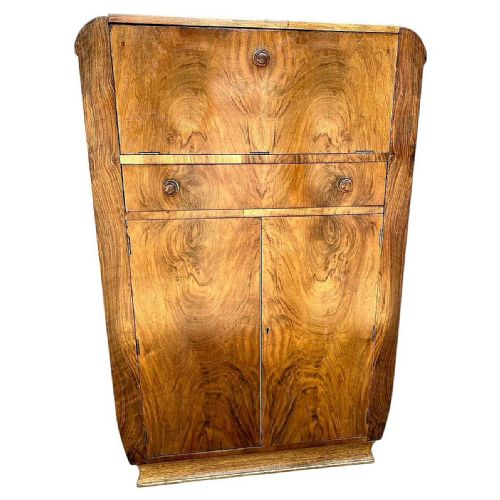
The standard of a 1930s drinks cabinet depends upon the selection and matching of the veneer, particularly on burr walnut or bird's-eye maple surfaces where grain continuity defines the facade. Finer examples display meticulous marquetry, inlays, and parquetry, whereas simpler pieces rely on plain timber or straightforward polishing.
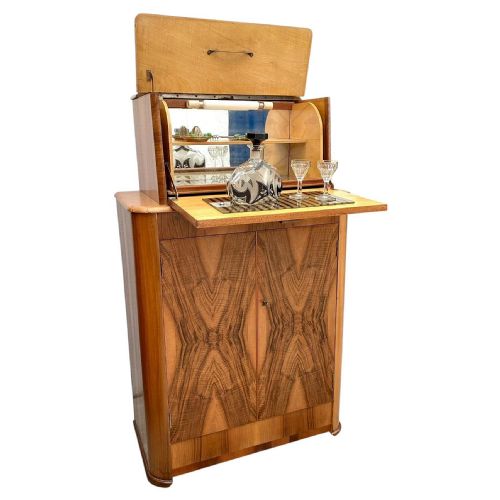
Construction integrity distinguishes the workshops, from standard commercial production to master makers who integrated complex mechanical pop-up mechanisms, custom brass fittings, and fitted maple interiors. The integration of specialised hardware, internal lighting, and mirrored serving slides marks the upper tier of the range.
Harry and Lou Epstein·Hille·Maurice Jallot·Maurice Adams
The 1930s Drinks Cabinet Glossary
- Burr walnut
- A figured wood harvested from the wart-like growths on walnut trees, prized for its swirling, organic grain patterns on cabinet doors.
- Cocktail cabinet
- A specialised storage piece fitted for bottles, glassware, and mixing equipment, often featuring a drop-down serving flap.
- Metamorphic
- A piece of furniture designed to transform its shape or function, such as a side table that opens into a cocktail bar.
- Veneer
- A thin layer of decorative wood applied over a secondary timber base to create complex geometric patterns without warping.
- Art Deco
- A dominant design style of the 1920s and 1930s characterised by sleek geometric shapes, streamlined forms, and modern materials.
1930s Drinks Cabinet: Frequently Asked Questions
How do I use a vintage drinks cabinet?
These cabinets suit modern living rooms or dining spaces as functional storage for glassware, decanters, and bottles. Drop-down flaps serve as convenient mixing ledges when hosting guests.
Many examples feature internal shelving and specialised compartments designed specifically for cocktail accessories and barware.
Were these cabinets electrically lit originally?
Several period cocktail cabinets incorporate internal wiring and automatic lighting that illuminates the mirrored interior when the doors open. Surviving electrical elements reflect the luxury specification of higher-end workshop production.
Buyers should have vintage wiring inspected by a qualified professional to ensure safety before plugging the unit into a modern mains supply.
What is the difference between French and English styles?
English pieces from this era frequently showcase figured walnut veneers with structured geometric cabinetry from prominent workshops. French designs often experiment with unusual materials like parchment, bamboo, or exotic amboyna alongside distinct metal supports.
Both national traditions embraced the Art Deco aesthetic but expressed it through different surface treatments and structural silhouettes.
How do I tell an Art Deco cabinet from revival styles?
Art Deco pieces rely on streamlined geometry, symmetrical burr veneers, and modern metal accents that reflect 1930s design principles. Revival pieces incorporate historical motifs such as Louis XVI carved details or Queen Anne cabriole legs.
Examining the handles, base supports, and secondary woods helps clarify whether a cabinet follows modernist lines or looks backward to earlier centuries.