



Vintage Bar Cabinet
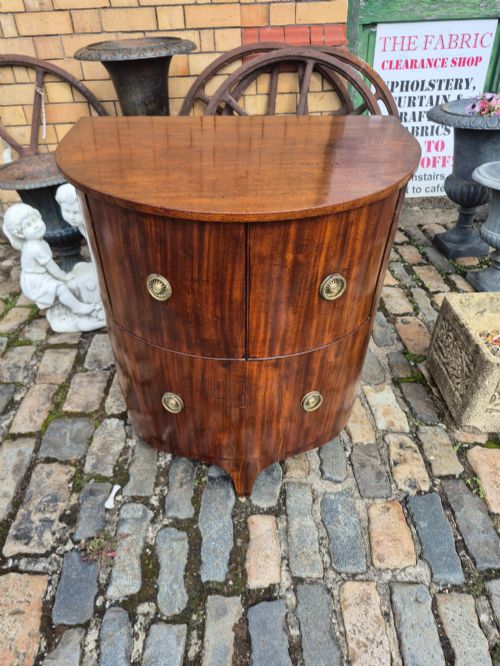
A vintage bar cabinet brings a sense of occasion to home entertaining, offering dedicated storage for bottles, glassware, and mixing tools.
Vintage Bar Cabinet
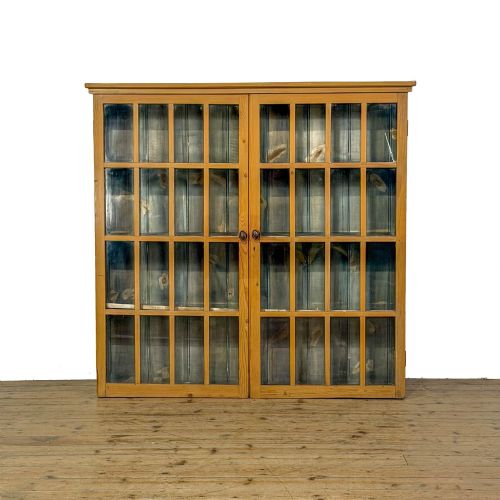
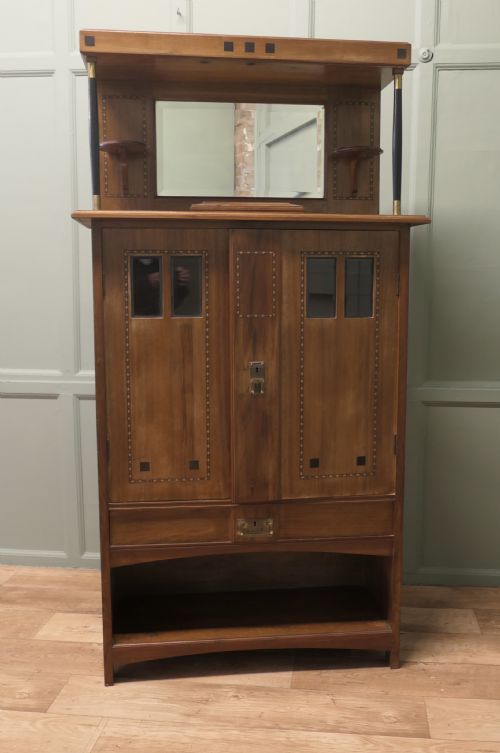
When you search for a vintage bar cabinet, you encounter a range of specialised storage forms designed for the housing of wine, spirits, and glassware. These pieces span from early cellar chests to elaborate twentieth-century cocktail furniture.
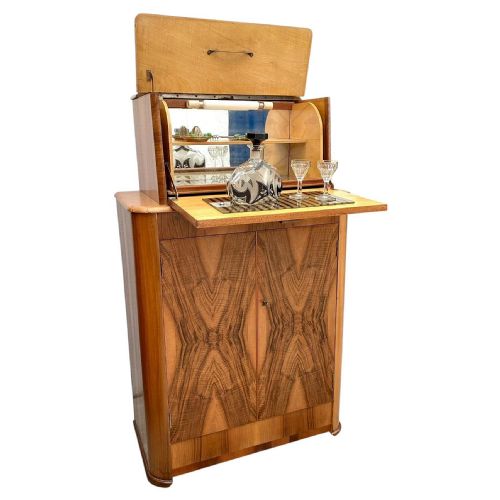
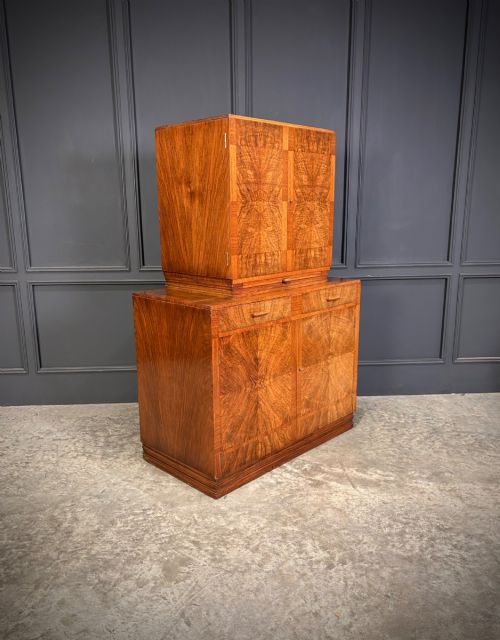
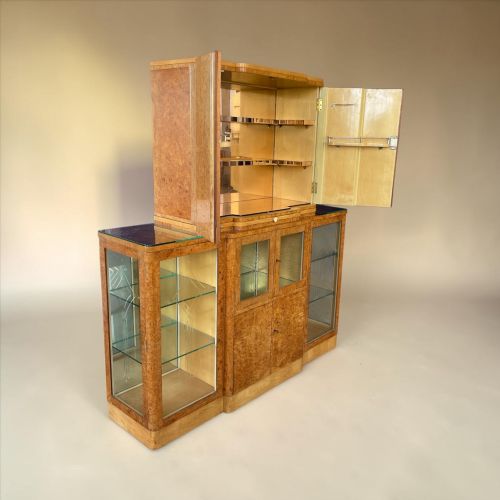
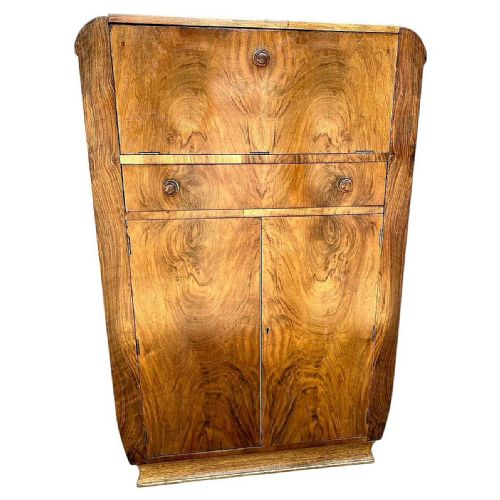
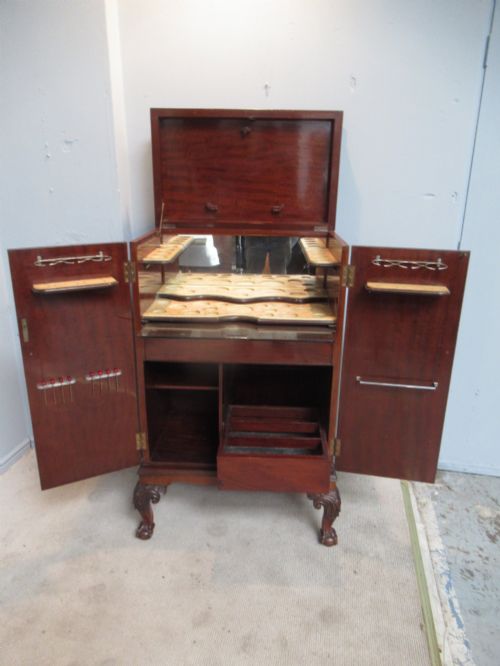
The version you are most likely to meet on this page is the walnut or mahogany cocktail cabinet dating from the Art Deco period. These designs typically feature drop-down preparation flaps, mirrored interiors, and specialised shelving for stemware.
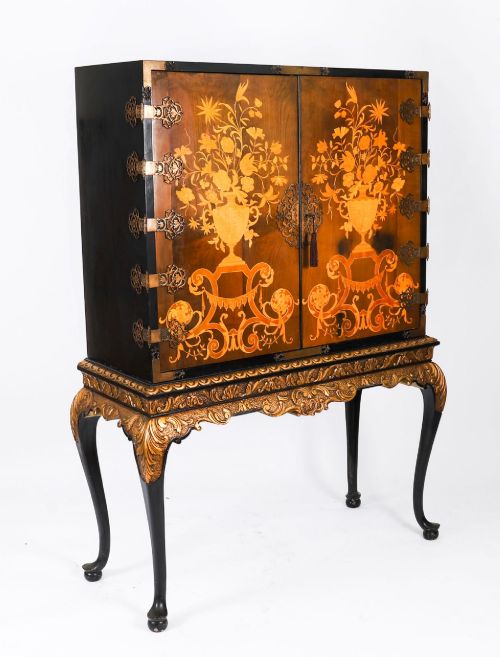
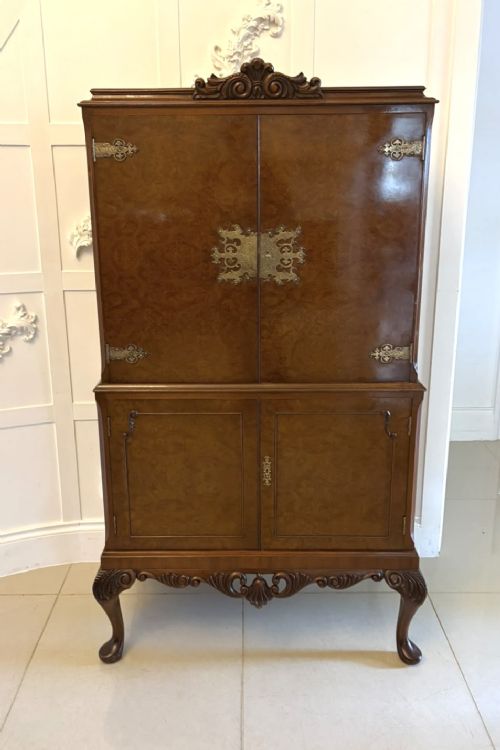
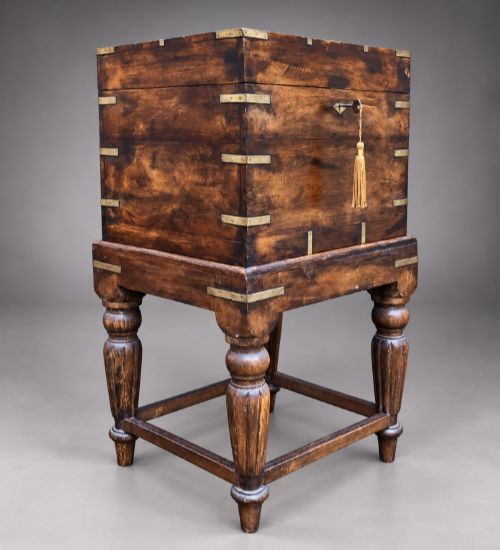
Beyond dedicated cocktail cabinets, the selection includes related forms such as nineteenth-century cellarettes, Anglo-Indian wine chests, Edwardian surprise drinks cabinets, and serving trolleys. Each offers a distinct historical approach to domestic hospitality.
How they were made
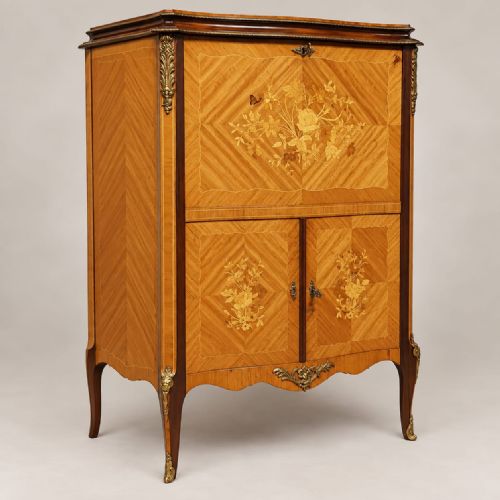
Makers utilised cabinet woods such as mahogany, oak, and walnut, often applying decorative veneers like burr walnut, bird's-eye maple, or burr amboyna to the primary surfaces. Marquetry, inlay, and specialised lacquering techniques, including Chinoiserie and parchment finishes, add surface pattern and texture.
Vintage Bar Cabinet Retail Price Guide 2026
Typical asking prices for vintage bar cabinet among the pieces listed under this phrase on Sellingantiques today, from the lower quarter to the upper quarter. They describe what is for sale here now, not the wider market.
For those seeking an unexpected resting place for spirits, the selection includes a converted wooden church pulpit.
What varies in quality
The calibre of a piece rests largely on the selection of timber veneers and the intricacy of the internal fittings. Cabinets with matched burr walnut figures or specialised lighting and mirrored interiors represent a higher tier of design.
Construction methods and hardware selection also set pieces apart. The integration of mechanical folding actions, pull-out preparation slides, and solid brass mountings distinguishes standard production items from workshop pieces attributed to known makers.
Maurice Jallot·Epstein·Maurice Adams·Hille·Harry and Lou Epstein
The Vintage Bar Cabinet Glossary
- Cellarette
- A lockable container or cabinet designed to hold bottles of wine or spirits securely. These receptacles often include fitted interior partitions.
- Tantalus
- A drinks stand that holds decanters in a wooden frame with a locking metal bar across the stoppers. This mechanism prevents unauthorized access to the contents while displaying the bottles.
- Marquetry
- Decorative veneer work formed by fitting together small pieces of different woods, veneers, or other materials to create pictorial patterns on a surface.
- Secessionist
- An early twentieth-century design movement originating in central Europe that rejected historic revival styles in favour of clean, geometric forms.
- Wellington Chest
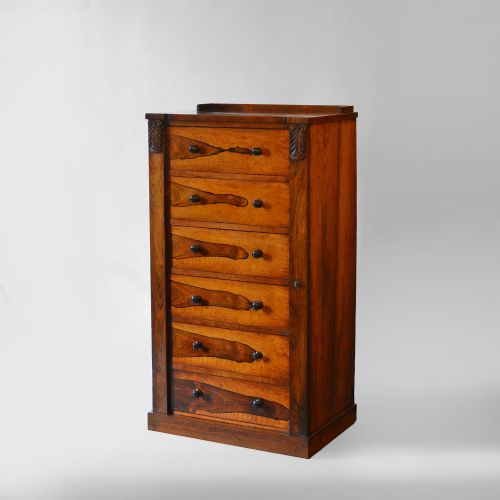
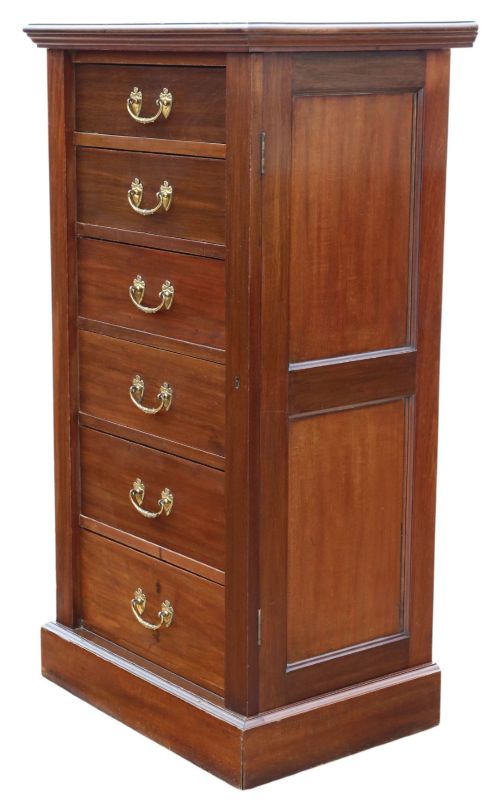
- A tall, narrow chest of drawers secured by a hinged locking stile on one side that fastens with a padlock. Originally designed for paperwork, these chests are often adapted for general storage.
Vintage Bar Cabinet: Frequently Asked Questions
How were bar cabinets used historically?
Historically, these cabinets served as the focal point for hosting guests in the home, keeping spirits and glassware neatly contained in a single piece of furniture. Owners kept them in reception rooms, dining rooms, or libraries for evening hospitality.
Many designs include a specialised drop-down shelf that served as a mixing surface for cocktails. This allowed hosts to prepare drinks in front of visitors without needing a separate kitchen or bar area.
How do I identify an Art Deco bar cabinet?
Art Deco bar cabinets are recognizable by their geometric silhouettes, symmetrical layouts, and use of decorative veneers like burr walnut or bird's-eye maple. They frequently incorporate contrasting details in brass, chrome, or mirror glass.
Dating typically spans the 1920s and 1930s, often showcasing streamlined forms influenced by modern design movements of the era. The interiors frequently feature bright lighting, mirrored panels, and racks built specifically for cocktail glasses.
Where should I place a drinks cabinet?
A drinks cabinet suits living rooms, dining spaces, or home studies where entertaining takes place. Freestanding models work well against a principal wall, while mobile serving trolleys offer flexibility in placement.
Consider positioning the piece away from direct sunlight to protect wooden veneers and finishes. Ensuring adequate clearance around drop-down flaps or doors allows comfortable access when preparing drinks.