

Queen Anne Style Cabinet
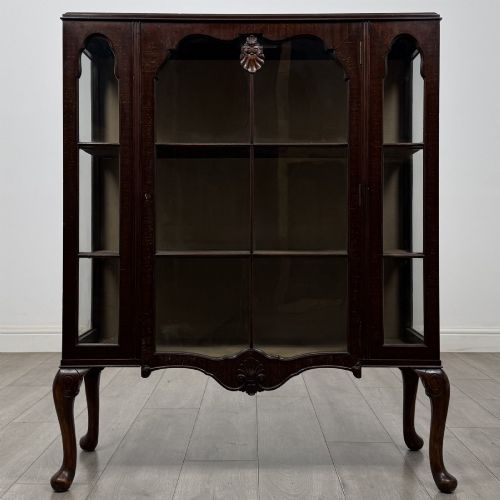
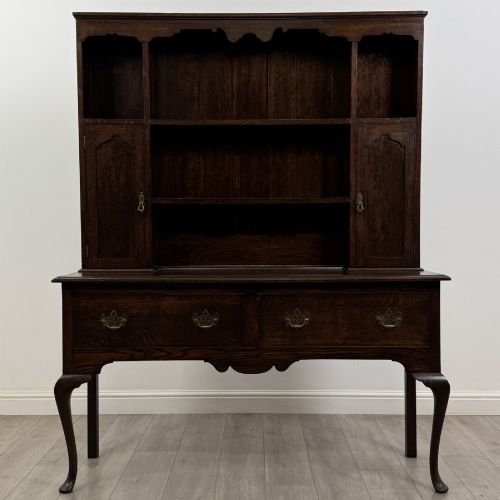
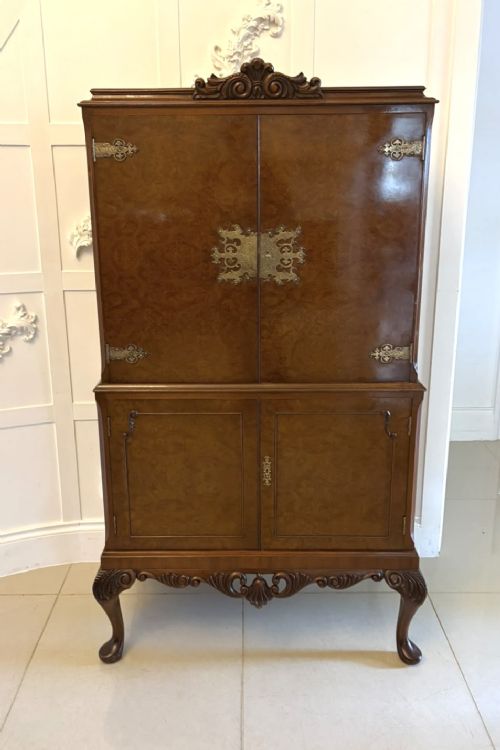
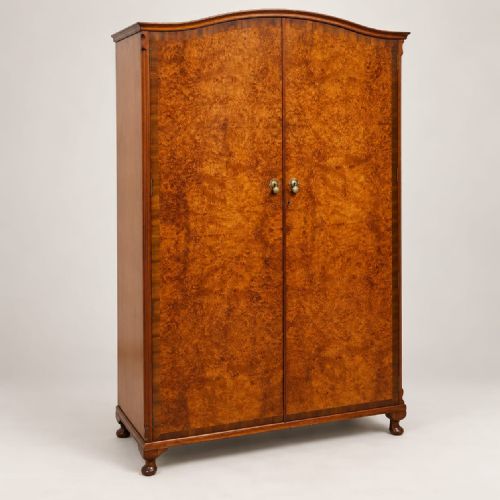
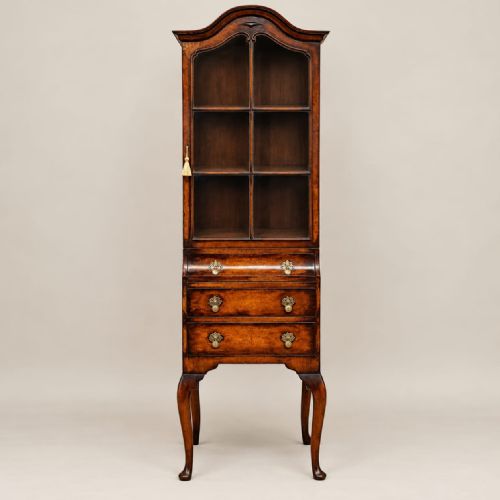
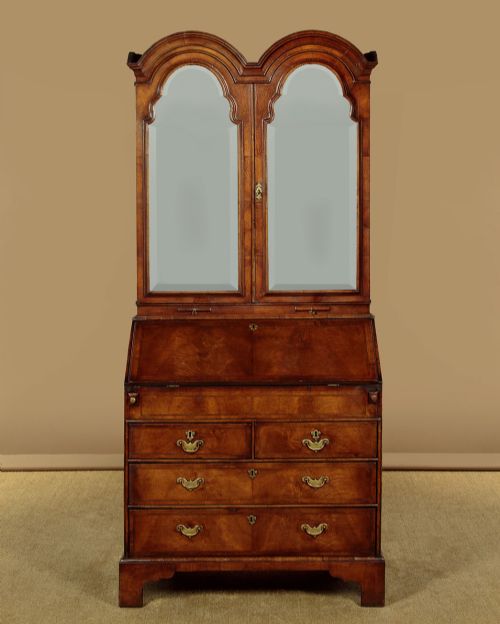
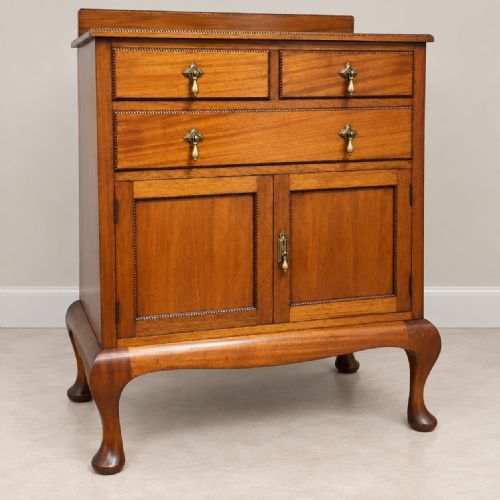
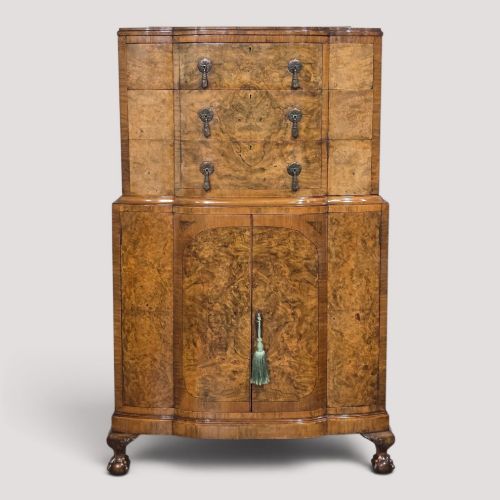
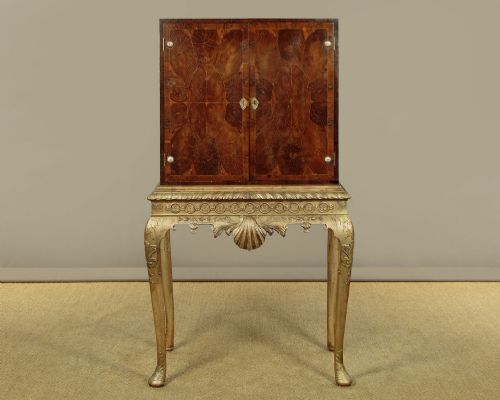
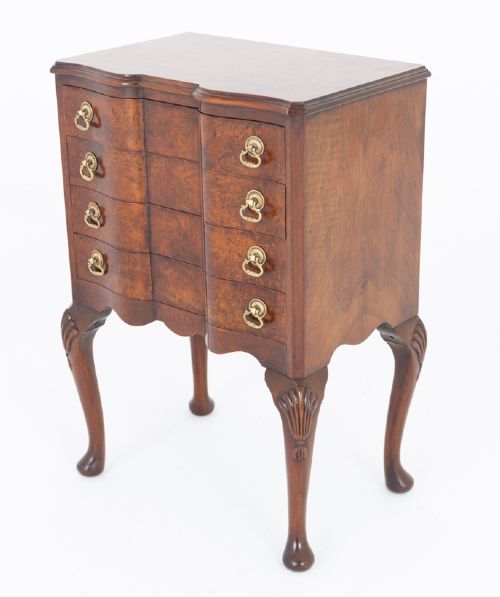
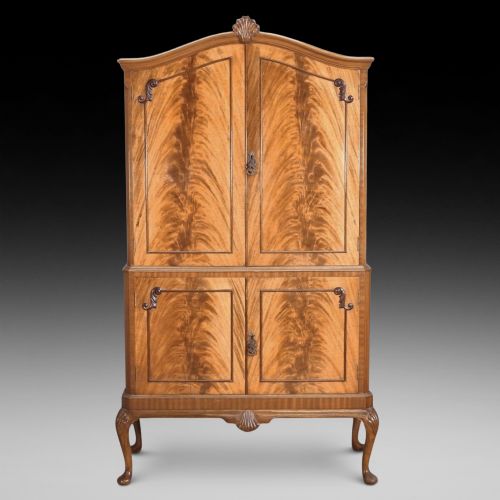
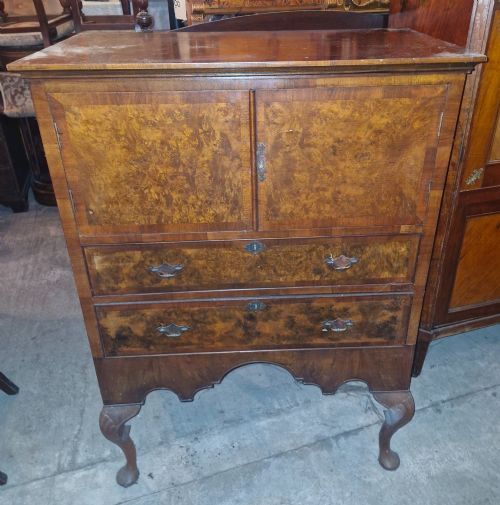
These pieces of a queen anne style cabinet bring structured elegance and warm timber grain into a room.
Queen Anne Style Cabinet
A queen anne style cabinet is a storage piece defined by graceful proportions, cabriole legs, and smooth surfaces rather than heavy carving. When you search for this phrase, you encounter furniture built largely across the Edwardian era and the early twentieth century, alongside a smaller number of eighteenth and nineteenth-century examples. The selection on this page leans heavily toward revival pieces from nineteen-ten to nineteen-thirty.
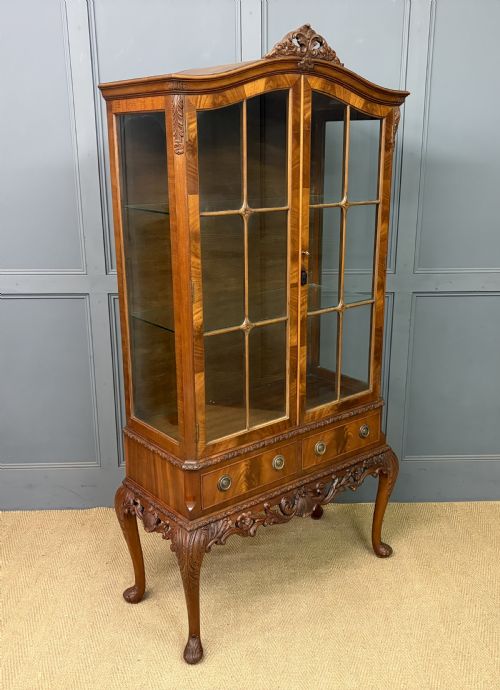
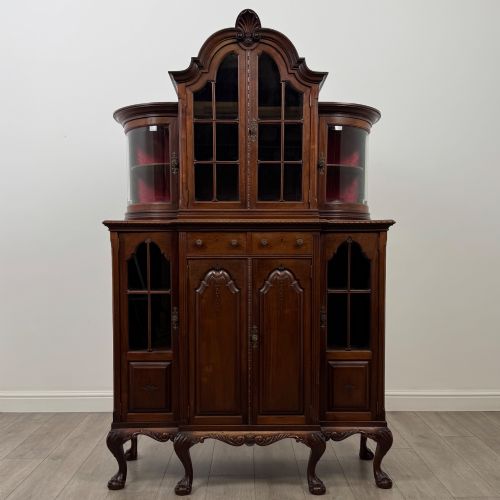
The forms span display cabinets, cocktail and drinks cabinets, bedside chests, and bureau bookcases. These items were designed to display glassware, store spirits, or provide neat writing spaces in formal rooms. The revival aesthetic channels earlier cabinet-making traditions into practical furniture for twentieth-century homes.
Materials and construction
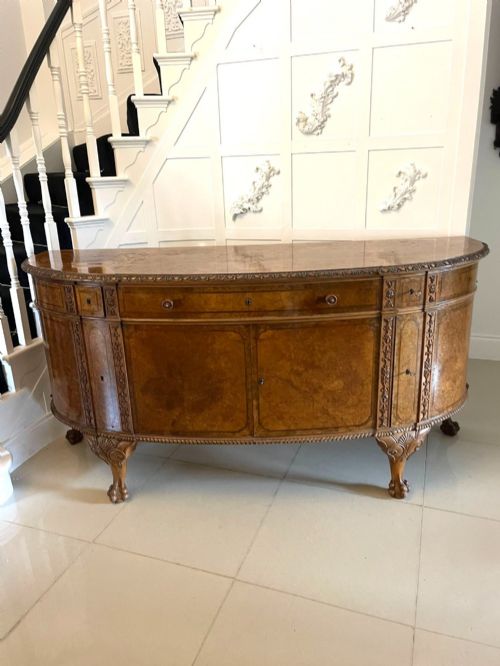
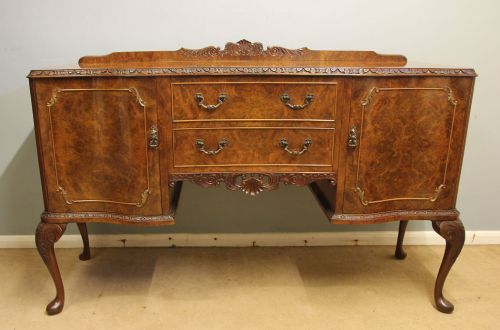
Construction relies primarily on walnut, figured walnut, and burr walnut veneer laid over secondary timbers, creating rich and swirling grain patterns across doors and drawer fronts. Mahogany and oak also appear, alongside brass hardware, glass panels for display doors, and occasional marquetry inlay.
Cabinet makers utilised traditional joinery methods to frame these timbers, ensuring the decorative veneers remained stable across large surfaces like cupboard doors and bureau flaps. Stands and supports often feature slender legs terminating in pad or claw-and-ball feet, maintaining the characteristic silhouette.
Queen Anne Style Cabinet Retail Price Guide 2026
Typical asking prices for queen anne style cabinet among the pieces listed under this phrase on Sellingantiques today, from the lower quarter to the upper quarter. They describe what is for sale here now, not the wider market.
Materials recorded across the inventory include burr walnut veneer, solid mahogany, brass hardware, and polished glass.
Variations in quality
Quality rests heavily on the selection and matching of the veneer. Superior pieces display book-matched burr walnut across wide surfaces, creating symmetrical patterns that flow naturally across drawers and doors, whereas simpler items use plain walnut boards or unexceptional grain.
The crispness of the shaping and the weight of the brass mounts also separate standard production from finer cabinet work. Well-made revival items incorporate sturdy internal fittings, such as adjustable shelving in display cases or fitted cellarette drawers in drinks cabinets, built with durable joinery.
Maple and Co.·Gill and Reigate London
The Queen Anne Style Cabinet Glossary
- Burr walnut
- A wood harvested from the abnormal growth of a walnut tree, yielding complex, swirling grain patterns. It is sliced into thin veneers for decorative furniture fronts.
- Cabriole leg
- A furniture leg that curves outward in a convex arc before tapering inward in a concave arc, ending in a pad foot. This form emulates animal limbs without heavy ornamentation.
- Cocktail cabinet
- A specialised storage unit designed for mixing and serving drinks, usually featuring a drop-down flap that serves as a preparation shelf. These interiors often include mirrored glass and bottle racks.
- Marquetry
- The art of applying pieces of veneer to a structural panel to form decorative patterns or pictures. Craftsmen cut contrasting woods to fit precisely together.
- Bureau bookcase
- A writing desk with a sloping flap that folds down for correspondence, combined with a shelved bookcase section above. It provides both workspace and enclosed storage.
Queen Anne Style Cabinet: Frequently Asked Questions
What rooms suit a queen anne style cabinet?
These cabinets work well in living rooms, dining rooms, and studies where their rich wood grain adds warmth. Tall display cases and side cabinets fit neatly against blank walls without dominating the floor space.
Smaller bedside chests serve well in bedrooms as functional surface tables with concealed storage. Their restrained silhouette allows them to sit comfortably alongside both antique and contemporary furnishings.
How do I identify a revival piece?
Revival items from the early twentieth century typically show machine-cut internal joints alongside hand-finished exterior veneers. Drawer linings and backboards often consist of secondary timbers like oak or pine that differ from the external walnut.
Hardware styles, screw types, and modern glass manufacturing techniques also help differentiate twentieth-century revival production from eighteenth-century originals. Makers during the nineteen-twenties frequently utilised traditional forms while updating internal layouts for contemporary use.
Were these used for drinks storage?
Many cabinets produced in the nineteen-twenties and thirties were specifically designed as cocktail or drinks furniture. These variations include internal mirrored panels, glass shelves, and specialised pull-out trays for glassware.
The drop-down front serves as a convenient mixing counter when entertaining guests in a reception room. Other variants focus instead on general display or book storage behind glazed doors.
How do I care for walnut veneer surfaces?
Walnut veneer benefits from regular dusting with a soft, dry cloth and protection from direct sunlight to prevent fading. Avoiding excessive moisture and sudden temperature changes keeps the thin timber stable over time.
Occasional application of appropriate wax polish maintains the natural sheen of the wood without building up a heavy residue. Gentle maintenance preserves the grain patterns across the cabinet doors and top surfaces.