



Vintage Dry Bar
A vintage dry bar offers sophisticated home entertainment, bringing period glamour and clever storage to your living space.
Vintage Dry Bar
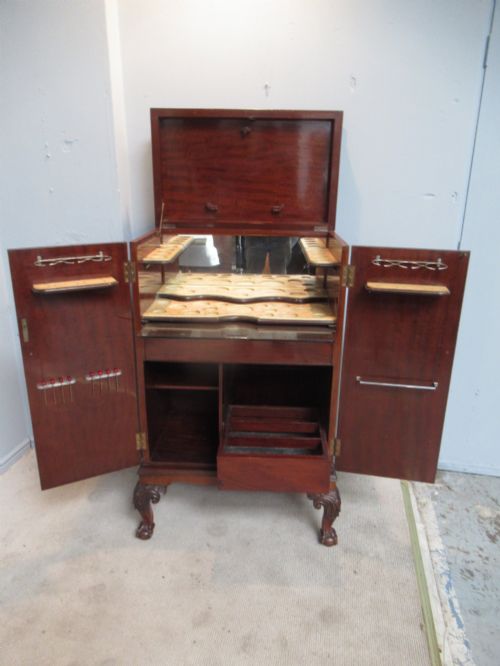
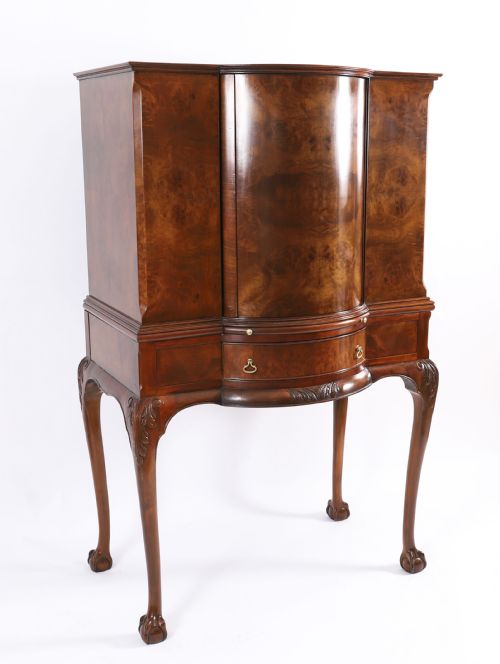
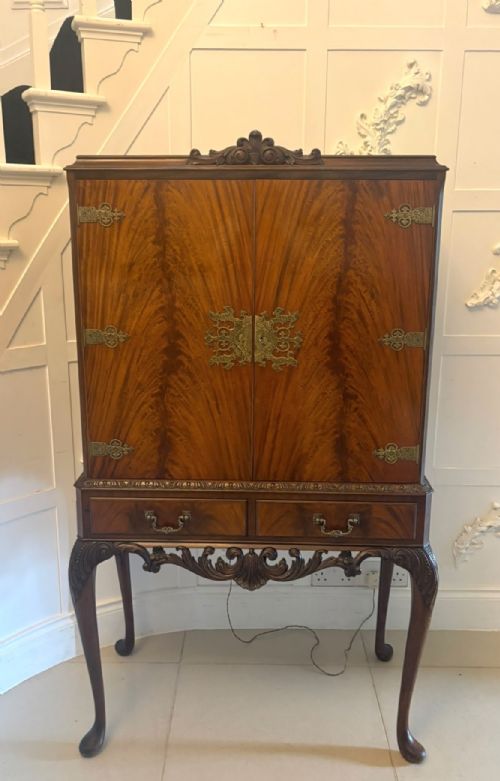
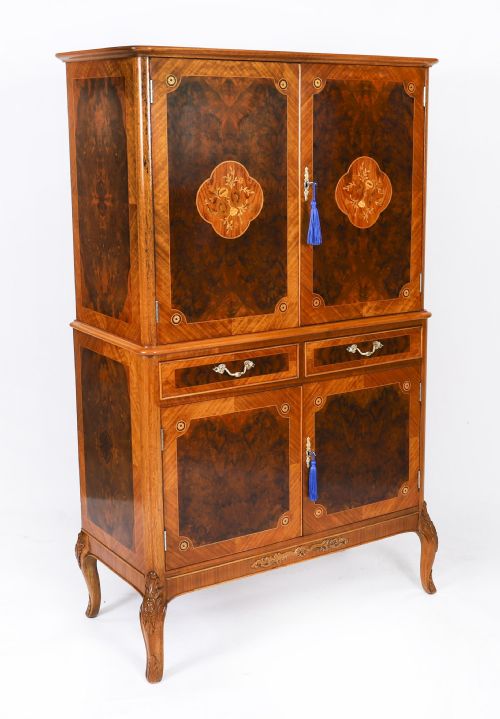
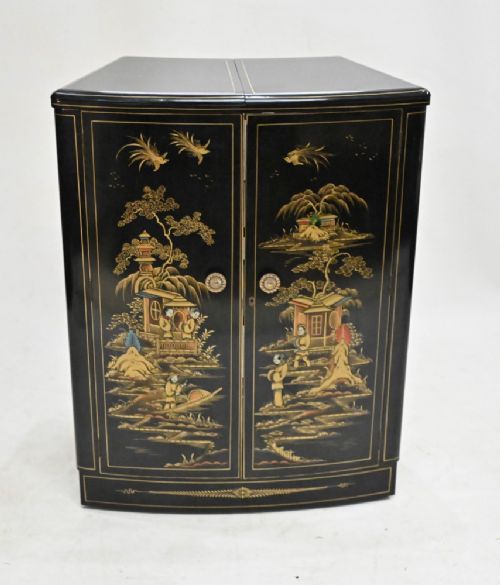
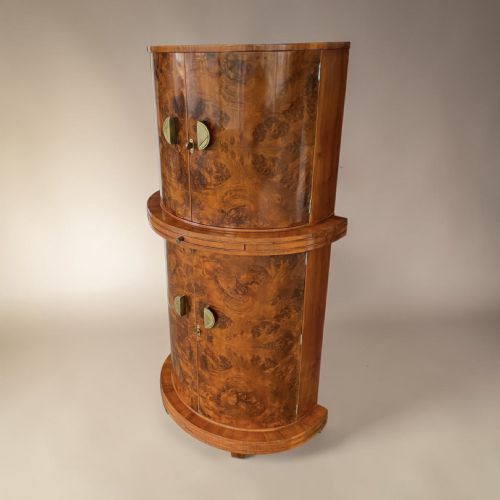
When you search for a vintage dry bar, you encounter specialist drinks cabinets designed to house bottles, glassware, and mixing equipment behind handsome panelled doors. These pieces date principally from the 1920s and 1930s, spanning the Art Deco period and traditional revival styles.
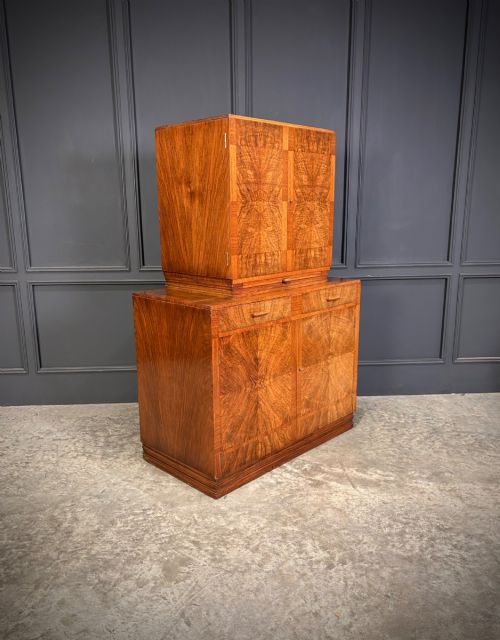
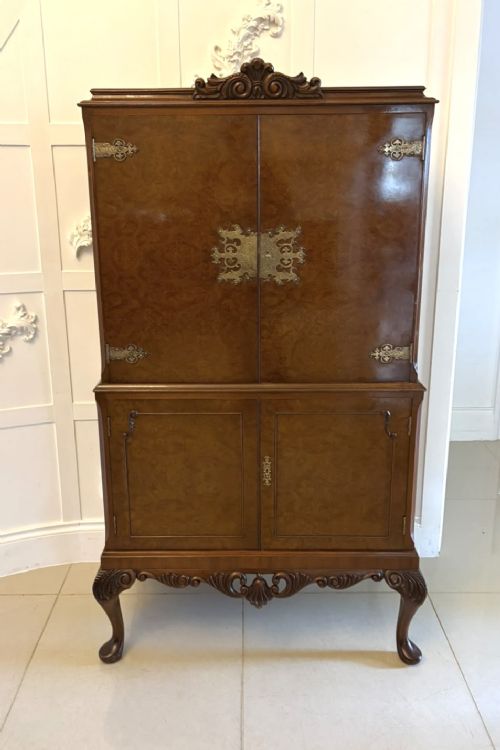
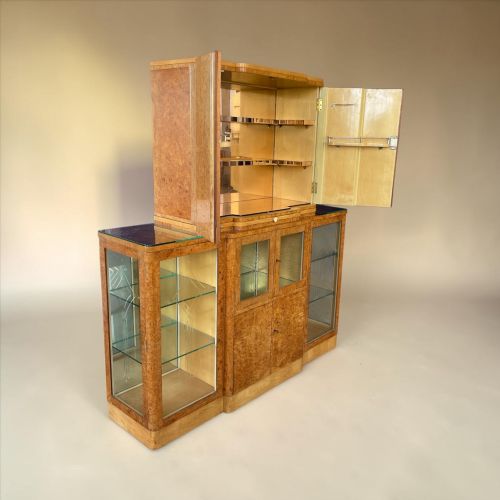
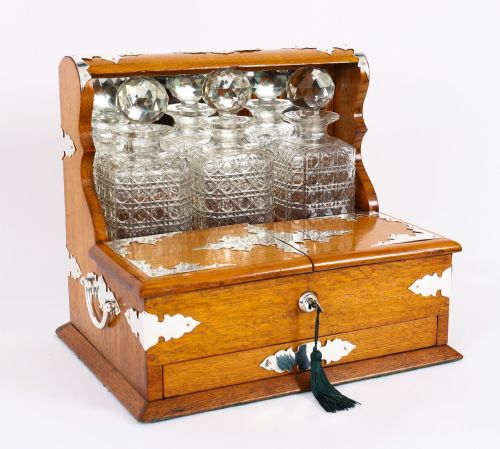
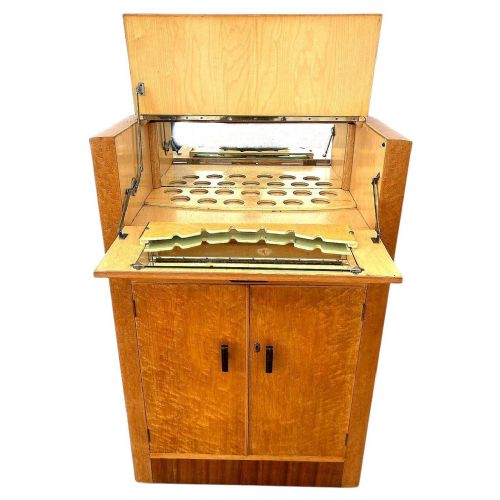
The version you are most likely to meet on this page is the cocktail cabinet or drinks cabinet, often taking the form of a freestanding sideboard or chest. These designs prioritise internal illumination, mirrored back panels, and fitted glass shelving to showcase spirits and glassware.
Originating largely from English workshops of the interwar decades, these cabinets reflect the social habits of the period. They provide dedicated architectural spaces for evening hospitality, combining display areas with secure storage.
How they were made
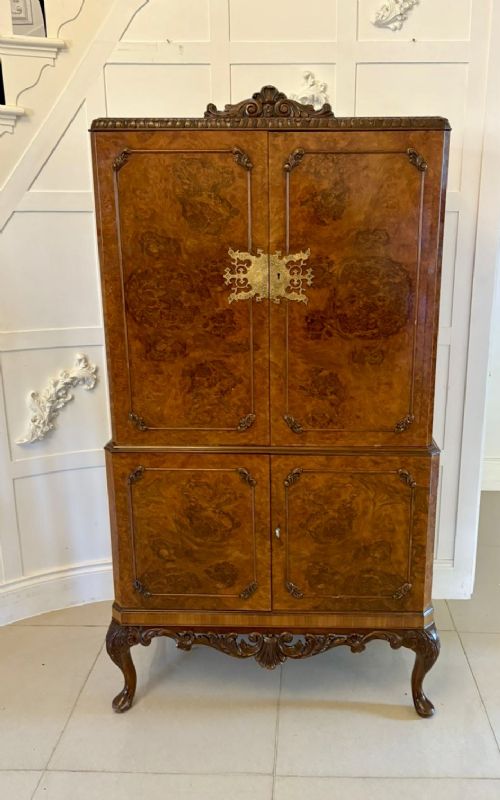
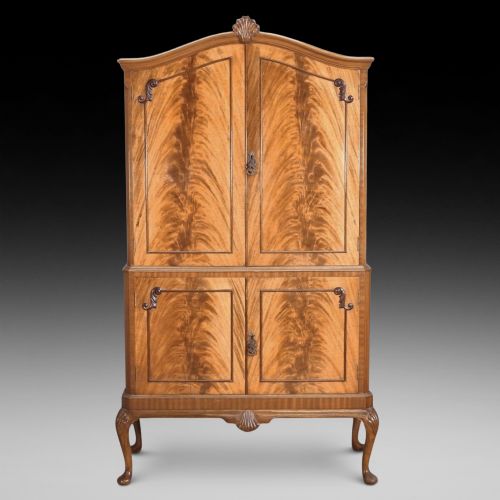
Cabinet makers utilised choice timbers such as walnut, burr walnut, flame walnut veneer, and mahogany to construct the carcase and exterior surfaces. These figured woods were carefully selected to create symmetrical grain patterns across the front doors.
Interiors frequently incorporate functional materials including mirror glass, polished brass hardware, and integrated electric fittings. The combination of reflective surfaces and rich wood veneers defines the construction of these entertaining cabinets.
Vintage Dry Bar Retail Price Guide 2026
Typical asking prices for vintage dry bar among the pieces listed under this phrase on Sellingantiques today, from the lower quarter to the upper quarter. They describe what is for sale here now, not the wider market.
Listings feature walnut, burr walnut, flame walnut veneer, mahogany, brass, glass, and mirror materials from the 1920 and 1930 periods.
What varies in quality
Quality in these drinks cabinets rests upon the choice of veneer work and the precision of the interior joinery. Cabinets featuring book-matched burr walnut or flame walnut exhibit superior decorative ambition compared to plain mahogany surfaces.
The sophistication of the internal fittings distinguishes higher grade pieces. Superior examples incorporate complex pull-out serving slides, dedicated glass holders, and original mirrored or glass backings that remain intact and clear.
Epstein
The Vintage Dry Bar Glossary
- Burr walnut
- A prized timber harvested from walnut tree growths, producing swirling, intricate grain patterns used for decorative veneer fronts. It commands attention for its rich visual texture.
- Cocktail cabinet
- A dedicated freestanding piece of furniture designed specifically for the storage and preparation of alcoholic drinks. These usually feature drop-down serving surfaces and specialised bottle racks.
- Art Deco
- A design style dominant during the 1920s and 1930s characterised by sleek geometric forms, streamlined silhouettes, and modern luxury materials. It heavily influences the aesthetic of interwar drinks furniture.
- Veneer
- A thin layer of choice hardwood applied over a secondary timber base to create decorative exterior patterns without structural instability. Master craftsmen align these slices meticulously.
- Chippendale revival
- A furniture style reproducing the 18th-century designs of Thomas Chippendale, featuring classic carved details and mahogany construction. It represents a traditional alternative to modern styles.
Vintage Dry Bar: Frequently Asked Questions
What is a vintage dry bar?
A vintage dry bar is a specialised cabinet designed for storing and serving drinks, typically featuring dedicated spaces for bottles and glassware.
These pieces emerged strongly during the 1920s and 1930s to serve the popularity of home cocktail culture.
How were these cabinets used?
Owners used them as central stations for hosting guests, keeping spirits and mixing equipment hidden behind decorative doors until needed.
Many designs include a pull-down front that serves as a mixing shelf, accompanied by internal lighting and mirrored glass.
How do I live with one?
Place the cabinet in a dining room or living area where its decorative wood veneers can become a focal point of the interior.
Ensure adequate clearance around drop-down doors and utilise the internal glass shelving for displaying vintage glassware collections.
How do I tell periods apart?
Examine the exterior styling and decorative vocabulary to distinguish between traditional revivals and modernist aesthetics.
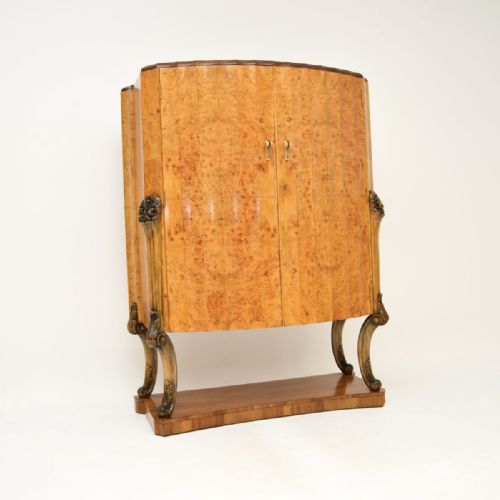
Cabinets from the 1920s and 1930s often display Art Deco geometric symmetry, whereas revival pieces employ carved mahogany details from earlier centuries.