





Bookmatched Walnut Cabinet
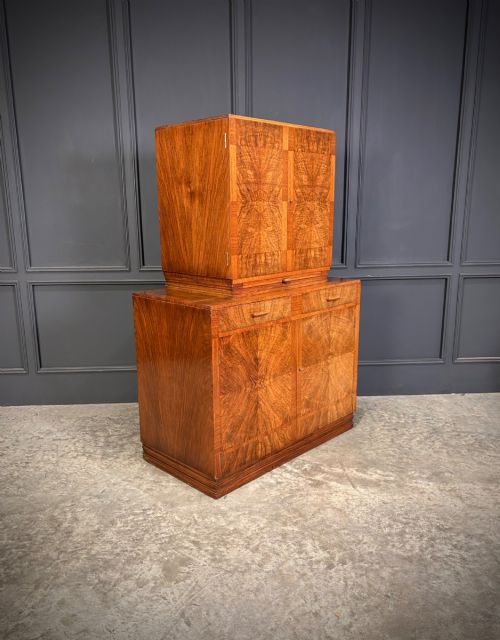
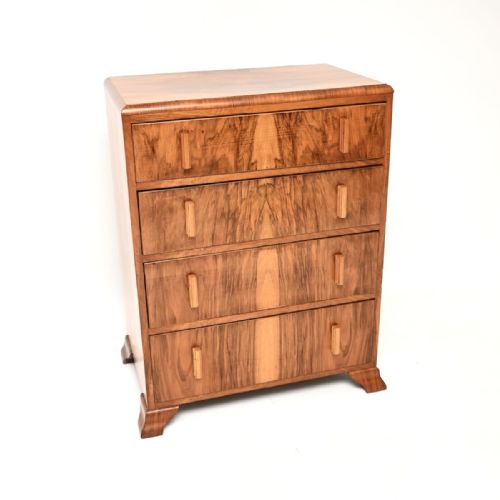
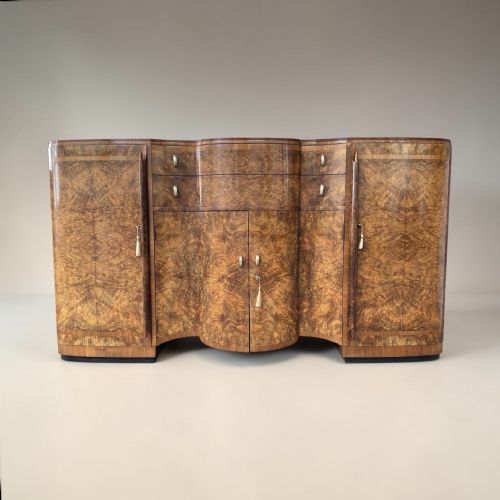
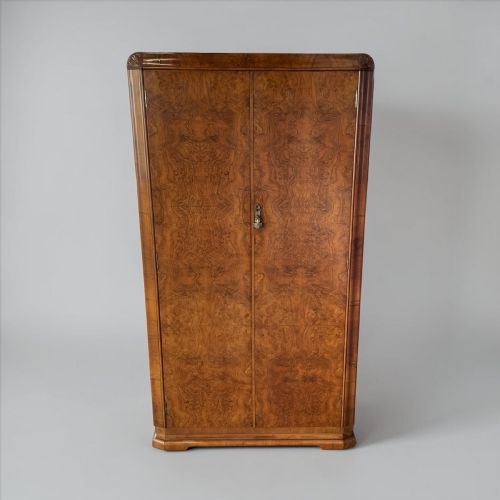
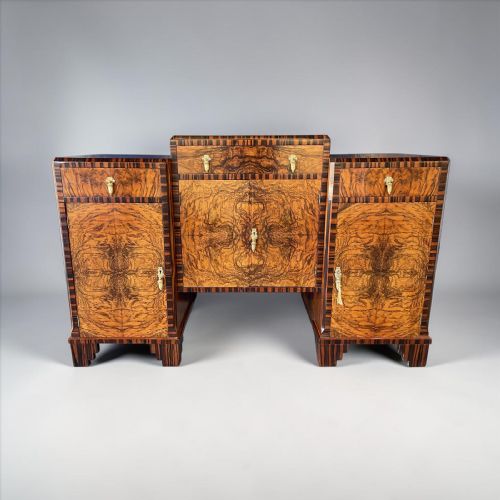
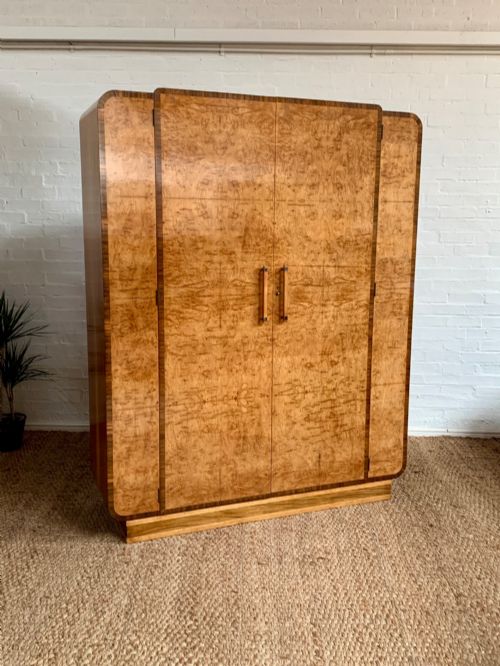
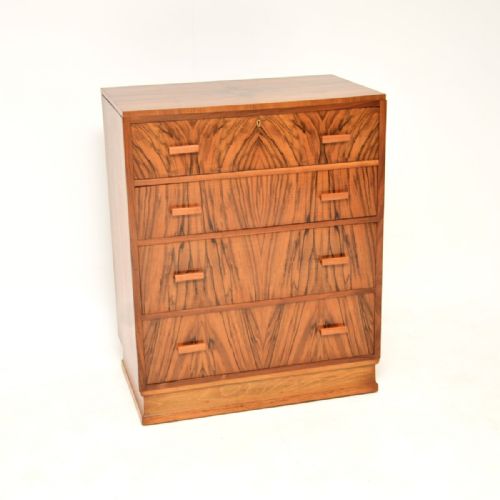
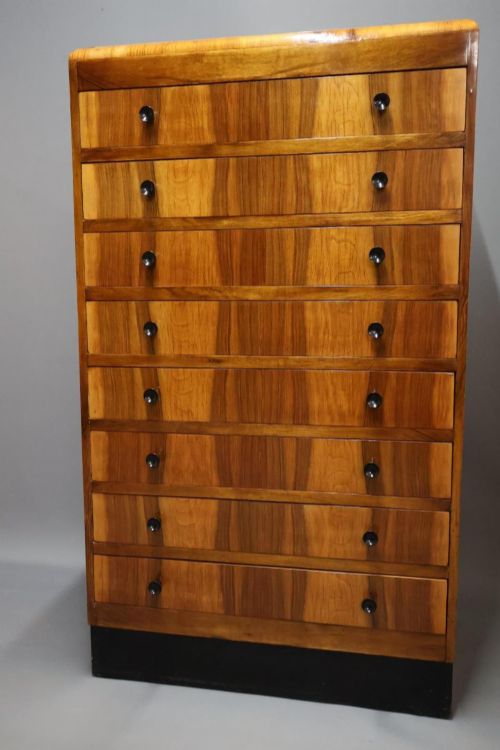
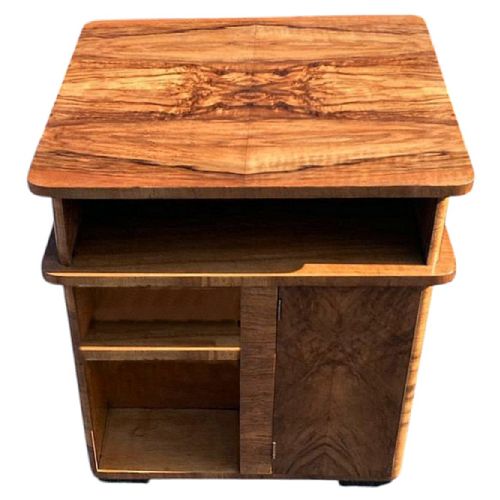
A bookmatched walnut cabinet brings striking symmetry into a room through the mirrored grain of its wooden surfaces.
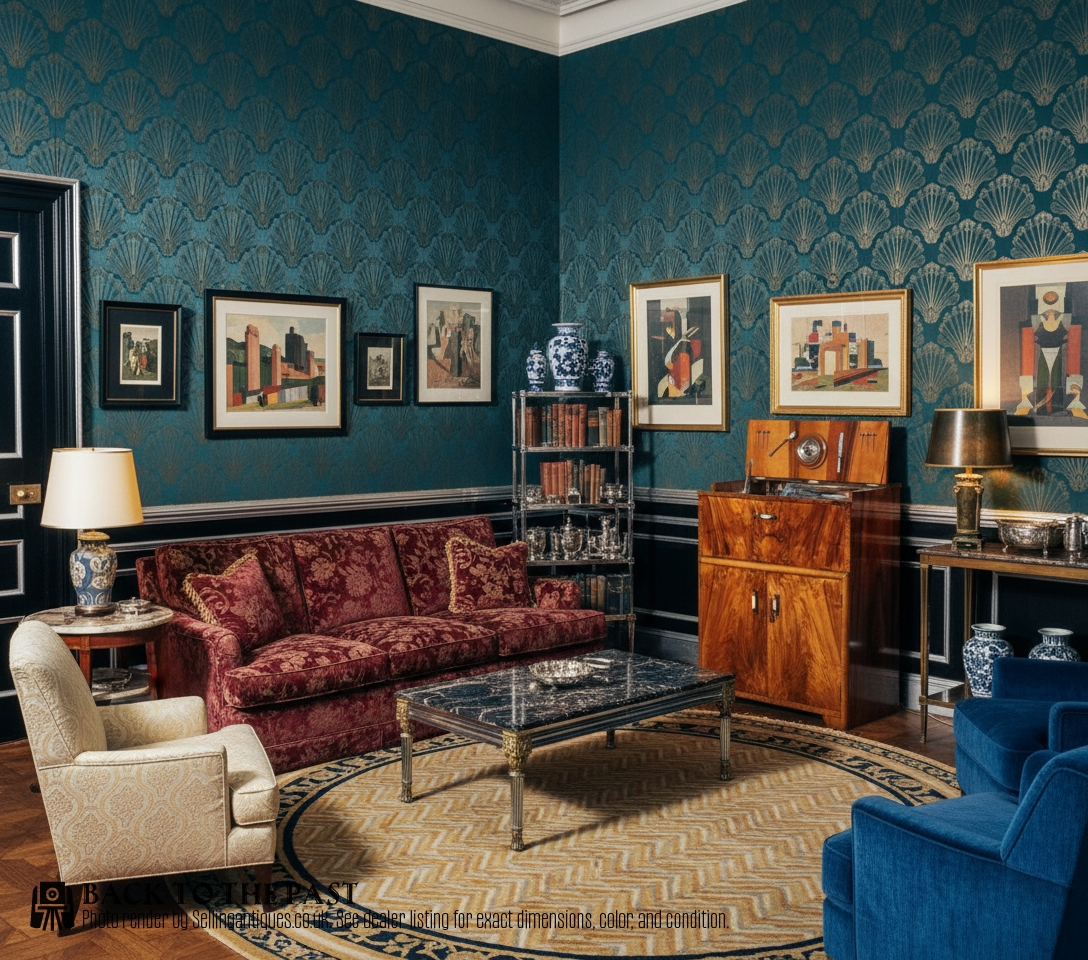
Bookmatched Walnut Cabinet
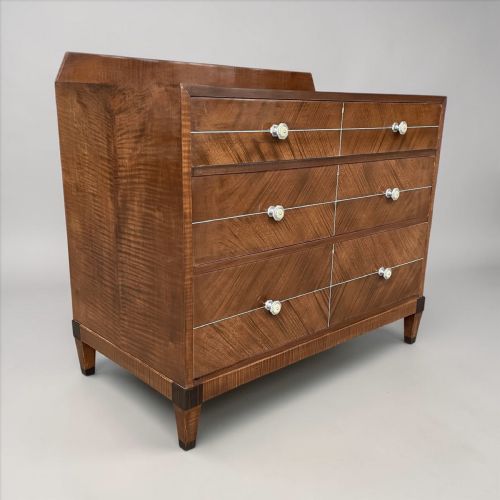
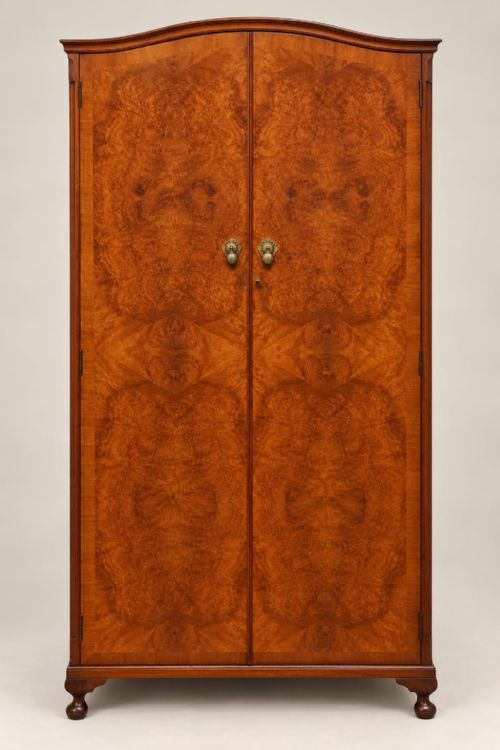
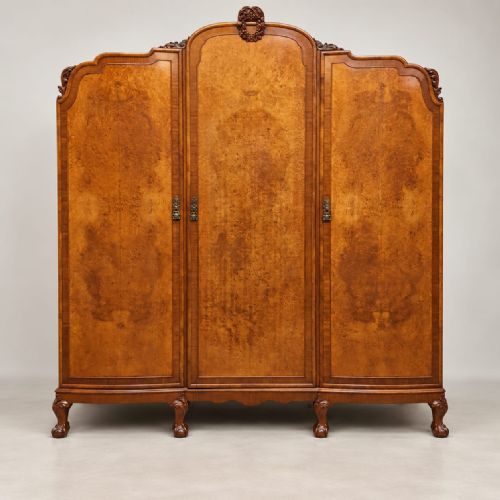
A bookmatched walnut cabinet is defined by its striking grain patterns, where two adjacent veneer leaves are mirrored to create a symmetrical design. Buyers searching for a bookmatched walnut cabinet typically encounter pieces originating from the Art Deco period, alongside examples spanning the nineteenth century, Edwardian era, and eighteenth century.
The selection ranges across various functional forms designed for storage and display. Chests of drawers, sideboards, cocktail cabinets, wardrobes, tallboys, bedside cabinets, and corner cupboards dominate the forms seen in these pieces.
Origins stretch from English workshops to French ateliers and Biedermeier studios. The primary visual impact relies entirely on the natural figures within the walnut and burr walnut timber.
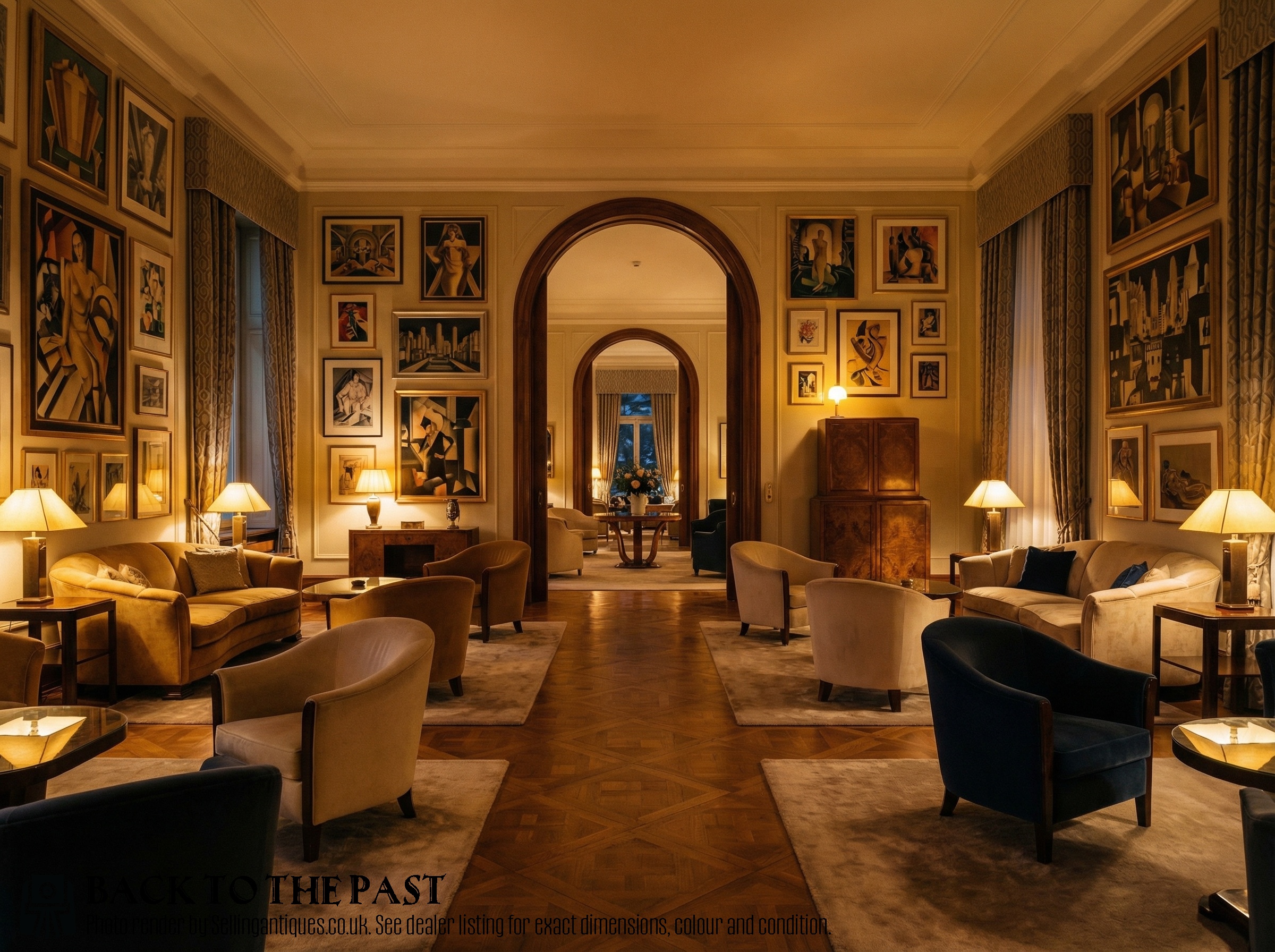
Materials and construction methods
Cabinetmakers constructed these pieces using solid wood carcasses overlaid with walnut veneer, burr walnut veneer, or figured walnut. The distinctive patterns emerge from slicing logs thinly and opening the sheets like a book to mirror the natural growth rings.
Brass hardware, metal mounts, and glass panels frequently accompany the timber structures. Joinery techniques varied by period, supporting heavy wardrobes, compactum units, and intricate cocktail bars with fitted interiors.
Bookmatched Walnut Cabinet Retail Price Guide 2026
Typical asking prices for bookmatched walnut cabinet among the pieces listed under this phrase on Sellingantiques today, from the lower quarter to the upper quarter. They describe what is for sale here now, not the wider market.
Listings feature walnut, burr walnut, and glass across Art Deco, Victorian, Biedermeier, and Georgian styles.
Markers of quality and execution
Quality rests heavily on the balance and symmetry of the veneer matching across doors, drawer fronts, and panels. Highly figured burr walnut demands exceptional skill from the cutter to align the swirling nodes evenly.
The choice of secondary timbers, the precision of the joinery, and the integrity of the fitted interiors separate standard production from superior pieces. Original hardware, glass components, and stable structural frames elevate the standing of any cabinet.
Maurice Adams·Harry and Lou Epstein·Whytock and Reid of Edinburgh
The Bookmatched Walnut Cabinet Glossary
- Bookmatching
- A technique where two adjoining sheets of veneer are sliced from the same timber block and opened side by side to mirror each other. This creates a symmetrical, butterfly-like pattern across the face of the furniture.
- Burr walnut
- Wood harvested from a tree growth or burr, yielding highly intricate and swirling grain patterns. It is prized for decorative veneering on cabinet doors and drawer fronts.
- Secretaire
- A desk or cabinet featuring a fold-down writing flap that conceals small drawers and pigeonholes. Examples often combine this writing surface with traditional chest or tallboy proportions.
- Tallboy
- A tall chest of drawers, sometimes split into multiple sections or combined with a wardrobe compartment. These upright pieces maximise storage while occupying a smaller floor footprint.
- Compactum
- A multi-functional wardrobe or storage cabinet designed to hold a variety of garments and accessories efficiently within a single unit.
Bookmatched Walnut Cabinet: Frequently Asked Questions
How do I care for walnut veneer?
Protect walnut veneer from direct sunlight and extreme temperature shifts to prevent the wood from drying out or warping. Dust the surfaces regularly with a soft, dry cloth.
Avoid using harsh chemical sprays or excess water on the antique finish. Periodic application of a suitable wax helps maintain the natural lustre of the timber.
What periods do these cabinets come from?
These cabinets span several centuries, with a strong representation from the Art Deco period and the early twentieth century. Other examples reach back into Victorian, Edwardian, Biedermeier, and eighteenth-century Georgian eras.
Each period brings distinct proportions, hardware choices, and construction methods to the furniture. Stylistic details help identify the specific era of manufacture.
How were cocktail cabinets used?
Cocktail cabinets served as dedicated furniture pieces for entertaining guests and storing spirits, glassware, and mixing accessories. Fitted interiors often included mirrored surfaces, glass shelves, and pull-out preparation trays.
These bars were designed to be both functional and visually impressive focal points in reception rooms. The exterior veneer work usually showcased the finest matching grain patterns available to the maker.