
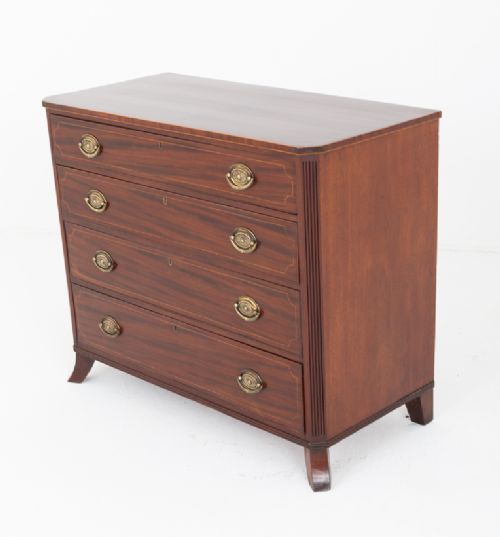
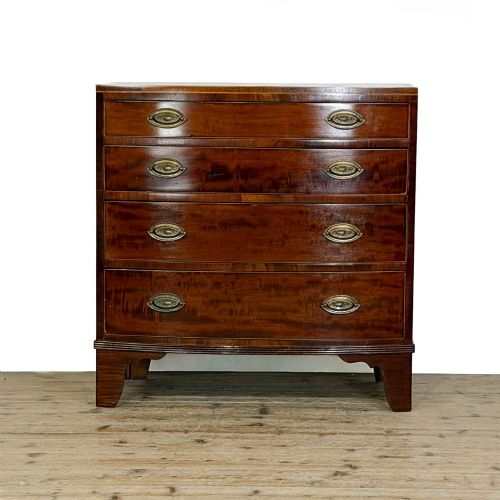
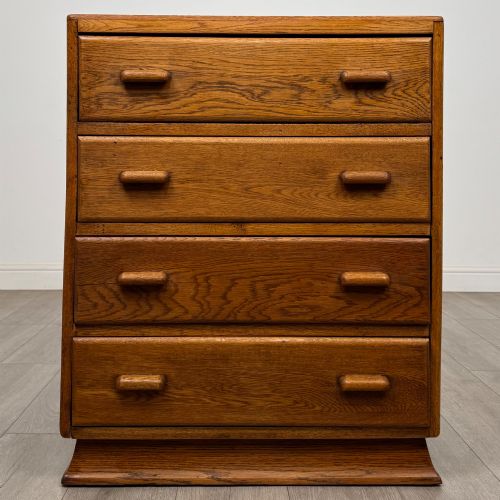


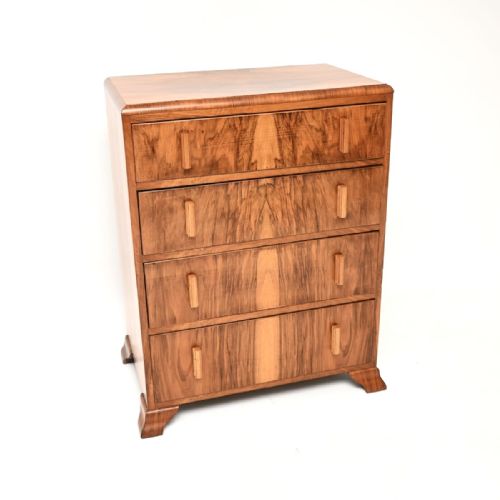
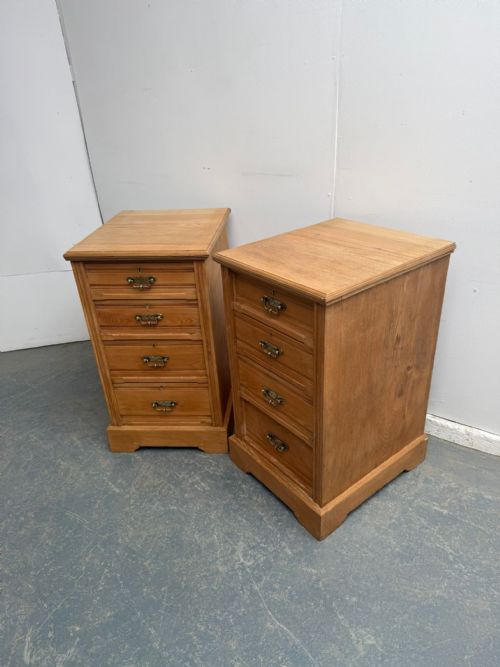
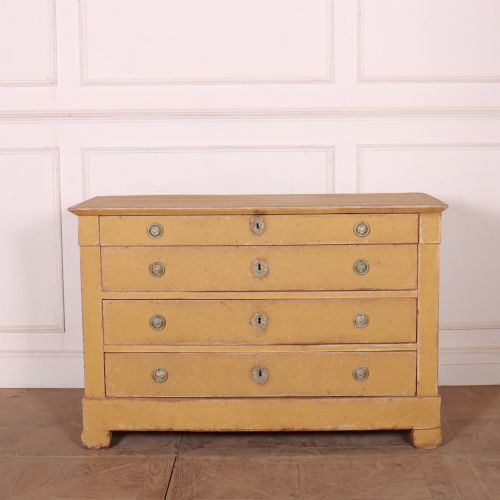
Vintage Four Drawer Chest
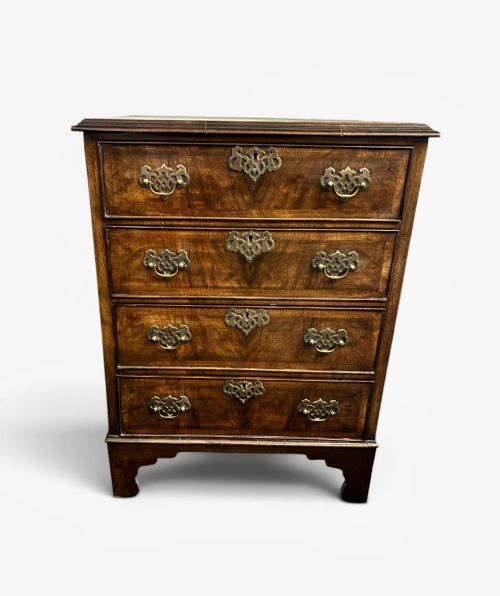
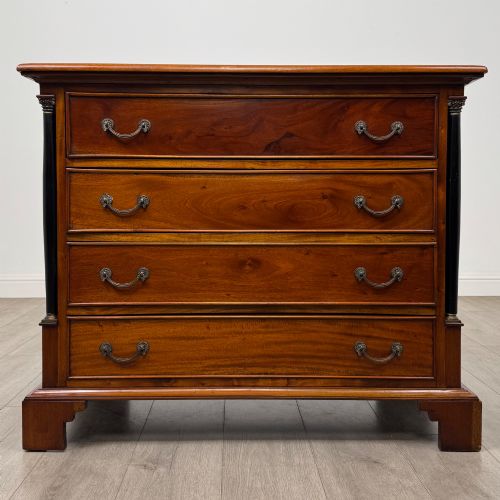
A vintage four drawer chest brings practical storage and architectural presence into a room, spanning periods from Georgian mahogany to Art Deco walnut.

Vintage Four Drawer Chest
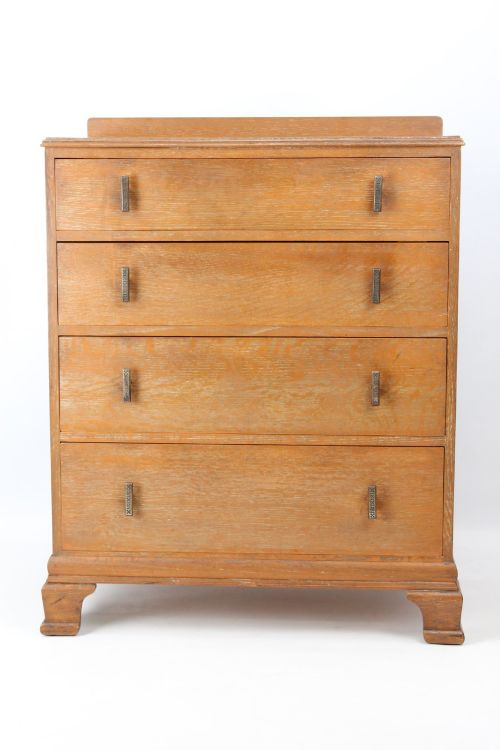
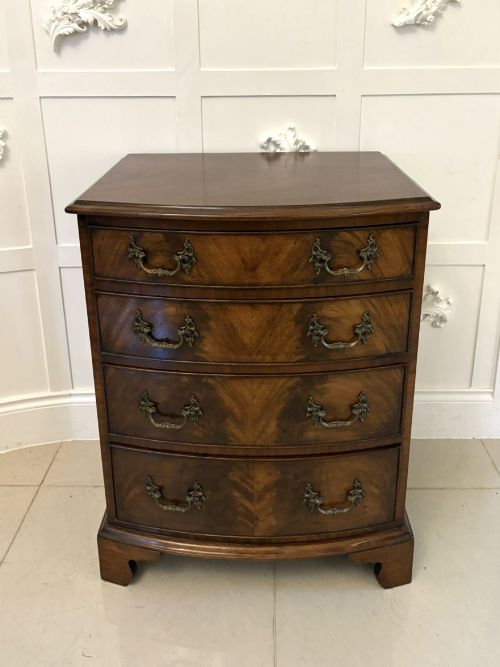
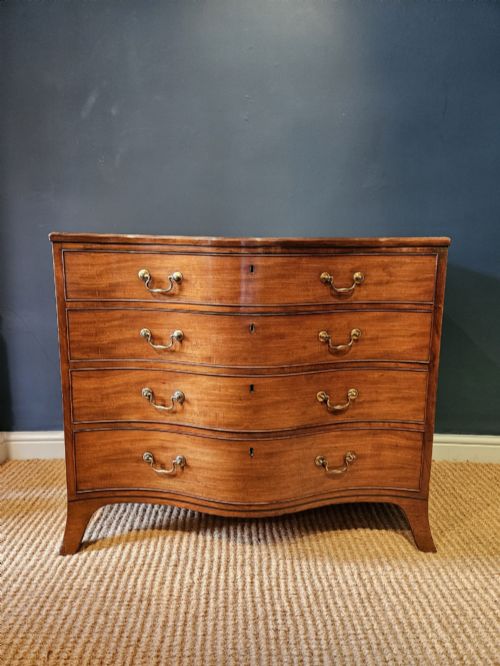
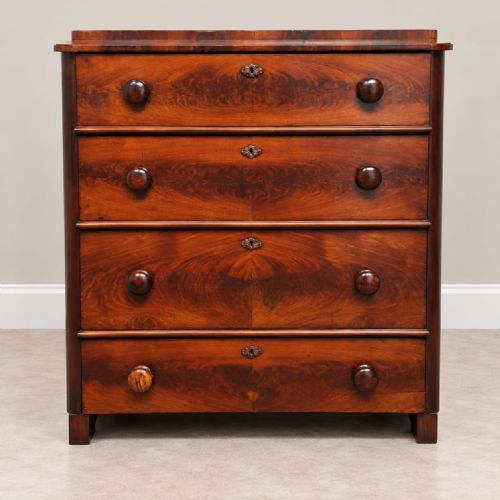
A vintage four drawer chest provides a functional storage carcass designed to hold clothing or domestic items while anchoring a room with traditional craftsmanship. When you search for a vintage four drawer chest, you encounter pieces spanning multiple eras, from eighteenth-century Georgian designs to Edwardian oak cabinets and 1930s burr walnut creations.
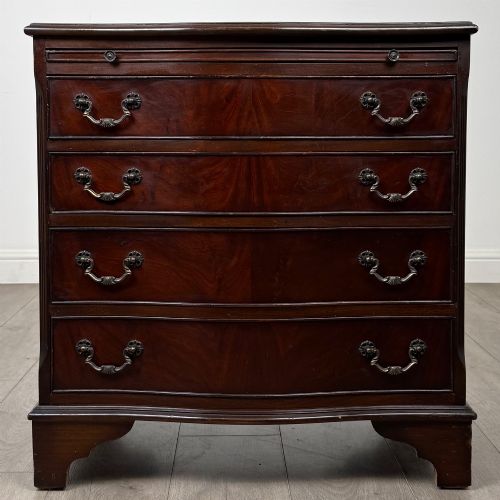
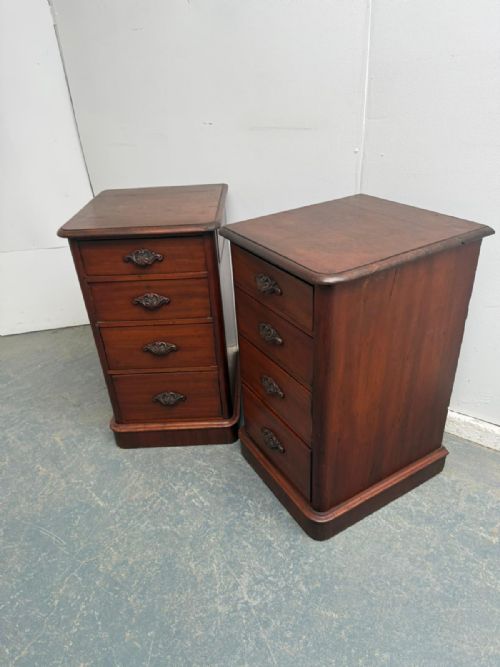
The selection ranges from tall upright chests and serpentine fronts to low bedside cabinets and compact proportions. Mahogany, oak, and walnut dominate the offerings, occasionally accompanied by painted finishes or ash, reflecting the prevailing domestic tastes of their respective centuries.
How They Were Made
Cabinet makers constructed these pieces using solid timbers such as mahogany, oak, walnut, and pine, frequently applying figured veneers or burr walnut to the primary surfaces for visual depth. Brass handles and escutcheons punctuate the drawer fronts, while structural joints rely on traditional carpentry methods suited to each period.
Finishes vary from waxed surfaces that highlight the grain of the wood to painted treatments seen on continental commodes and revival pieces. Details such as brushing slides, serpentine shaping, and bow fronts require precise timber selection and shaping by hand.
Listings feature pieces built across multiple centuries, encompassing Georgian, Victorian, Edwardian, and Art Deco eras.
What Varies in Quality
The hierarchy of quality rests upon the selection of timber veneers, the crispness of carved details, and the integrity of the structural carcass. Figured mahogany and burr walnut with matching grain patterns across the drawers indicate careful planning by the maker.
Proportion and execution define the better examples, where serpentine or bow fronts display smooth curves and tight drawer tolerances. Lesser pieces rely on simpler construction methods and plainer timbers without the decorative grain alignment found in finer works.
Druce & Co
The Vintage Four Drawer Chest Glossary
- Serpentine front
- A curved drawer front that undulates with a convex centre flanked by concave sides. This shape requires specialist joinery and appears on finer eighteenth-century and revival pieces.
- Bow front
- A convex, outwardly curved front elevation popular in Georgian and later furniture. It softens the linear appearance of a standard rectangular chest.
- Brushing slide
- A pull-out shelf located above the top drawers, historically used for folding clothes or writing notes. It slides flush into the cabinet frame when not in use.
- Wellington chest
- A tall, narrow chest of drawers secured by a hinged locking side pilaster that fastens over the drawer edges. Originating in the nineteenth century, it maximises vertical storage.
- Burr walnut
- Timber taken from a growth deformity on a walnut tree, yielding complex, swirling grain patterns. Cabinet makers prized this wood for decorative drawer fronts and top panels.
Vintage Four Drawer Chest: Frequently Asked Questions
What is a vintage four drawer chest?
A vintage four drawer chest is a case furniture piece designed with four horizontal drawers stacked vertically, offering substantial domestic storage.
These pieces originate from various historical periods, including the Georgian, Victorian, and Edwardian eras, constructed primarily in timbers such as mahogany, oak, and walnut.
How do I date a wooden chest?
Dating involves examining the construction methods, timber choices, handle hardware, and stylistic traits associated with specific periods like the eighteenth or nineteenth century.
Secondary woods used inside the drawers, such as pine or oak, alongside the dovetail joints, offer further clues to the manufacturing era.
Where should I place a chest in my home?
These chests function effectively in bedrooms for clothing storage, hallways as statement entrance pieces, or living rooms serving as lamp tables or media units.
Smaller proportioned versions, such as bedside chests or compact commodes, fit into tighter spaces while retaining storage capacity.
What is the difference between a chest and a commode?
In British furniture terminology, a chest of drawers strictly refers to a tall or low stack of drawers, whereas a commode often denotes a decorative continental cabinet with doors or drawers.
French painted commodes and English chests both provide similar storage functions but carry distinct regional design histories.
How do I care for antique wood surfaces?
Maintaining antique wood requires regular dusting with a soft, dry cloth and the occasional application of traditional beeswax to nourish the timber.
Keep wooden furniture away from direct heat sources and direct sunlight to prevent the veneers from drying out or splitting.