


Art Deco Wooden Drawers
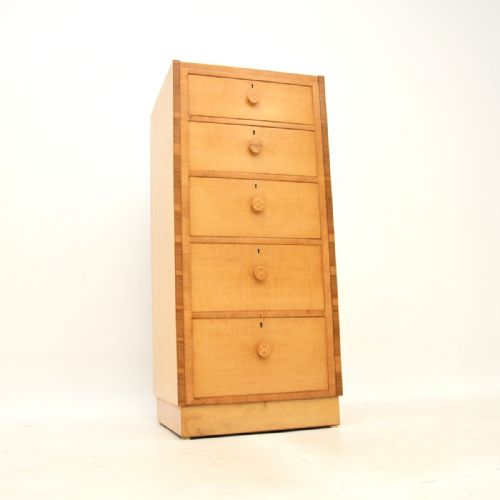
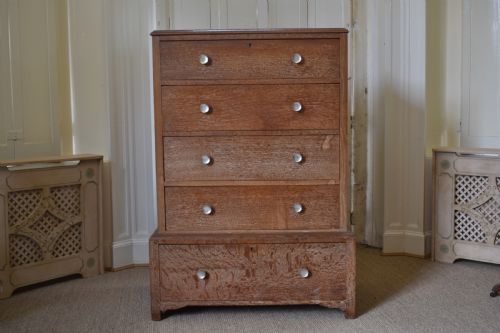
These art deco wooden drawers combine architectural geometry with rich figured grains, offering practical storage alongside distinct period character.
Art Deco Wooden Drawers
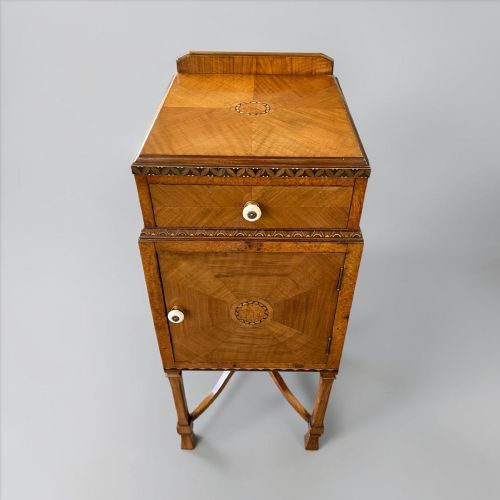
Makers and designers working during this period utilised distinct proportions and clean structural lines to define storage furniture. Pieces appear in various scales, from compact bedside tables to tall chests and large cabinets designed for domestic interiors.
How they were made
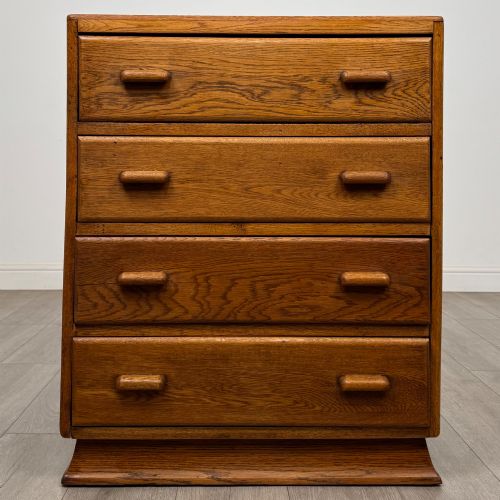
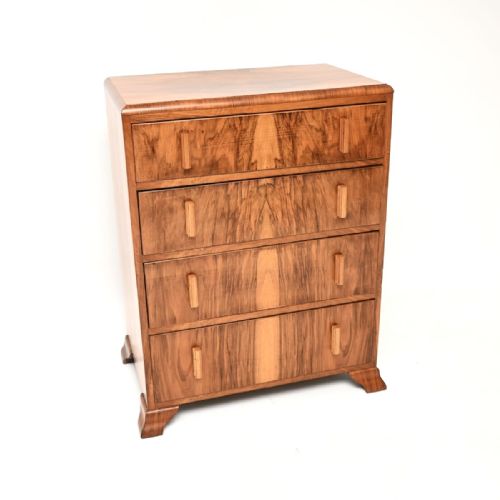
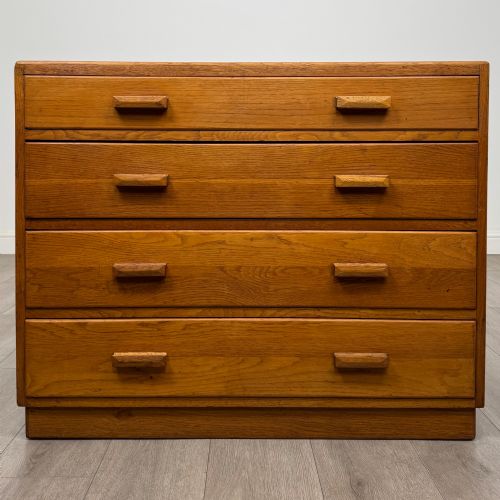
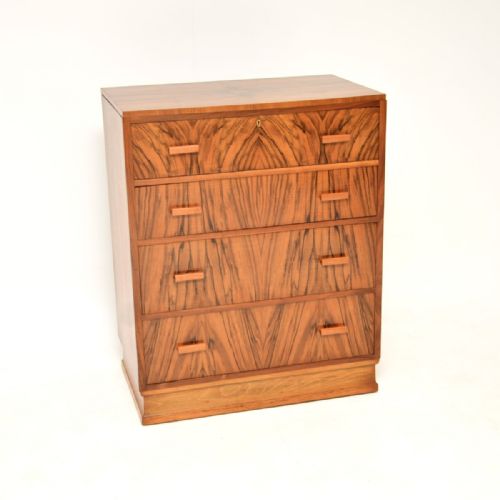
Craftsmen built these pieces using solid timbers such as oak, sycamore, and fruitwood alongside applied veneers including figured walnut, maple, and pale mahogany. The surfaces rely on the natural grain patterns of the wood rather than heavy carving to create visual depth.
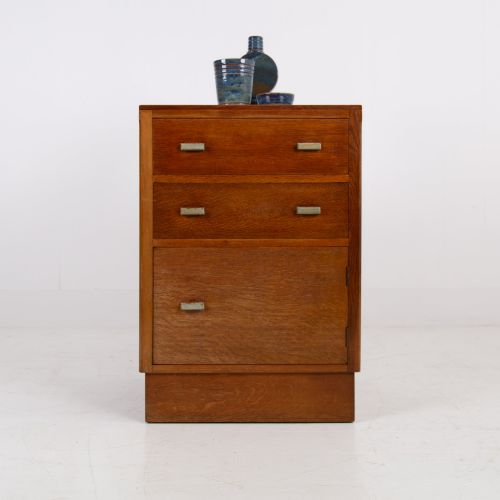
Metal elements like brass handles and trim complement the woodwork, while ebonised finishes introduce sharp contrast to lighter woods. Construction methods balance traditional cabinet-making with the modern geometric requirements of the era.
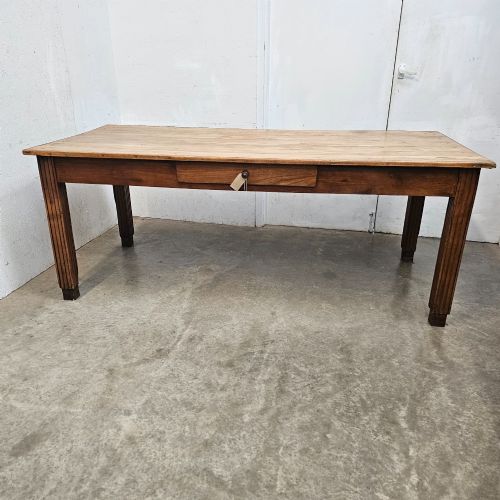
Object forms span chests of drawers, tallboys, bedside cabinets, commodes, desks, and dining tables.
What varies in quality
The sophistication of the timber selection and veneer matching defines the upper tier of these pieces, where figured grains receive careful placement across drawer fronts. Lesser examples rely on plain timber surfaces with minimal attention to grain symmetry.
The integration of hardware and secondary materials distinguishes workshop output, particularly in how brass details and handles relate to the primary wood structure. Design attribution to known makers also separates standard production items from masterworks.
Hille·Gomme·Maurice Adams·Betty Joel·Bowman Brothers·Heal's·Hartman Luggage Co.
The Art Deco Wooden Drawers Glossary
- Tallboy
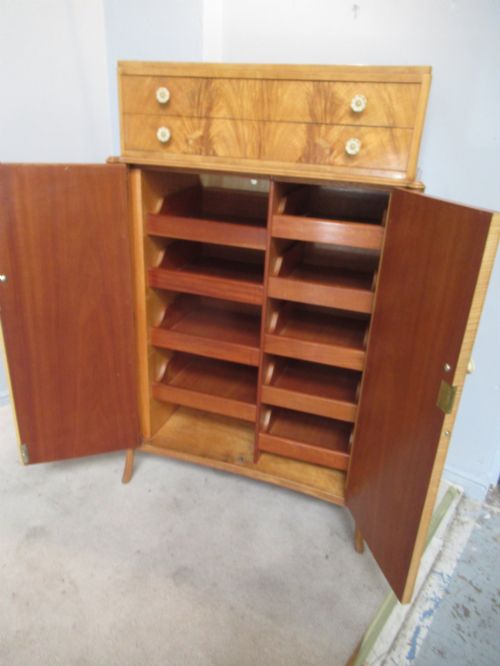
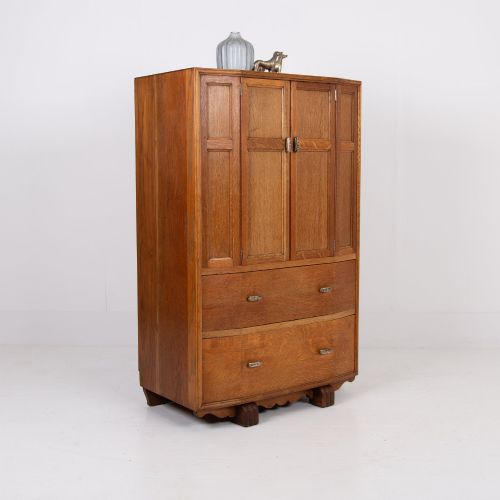
- A tall chest of drawers, often combining a wardrobe section or smaller compartments above standard drawers. These pieces maximise vertical storage space in bedrooms.
- Veneer
- A thin layer of figured wood applied to a stable secondary timber base. This technique allows cabinet-makers to display striking grain patterns across large surfaces.
- Commode
- A low chest of drawers or cabinet, frequently associated with French design traditions. They provide surface display area alongside enclosed storage.
- Pedestal
- A supporting base or column structure used beneath desks and tables. In office furniture, it often incorporates banks of drawers on one or both sides.
- Ebonised
- Wood treated with a black finish to imitate ebony. This process creates a stark, dark contrast against lighter woods and gilt details.
Art Deco Wooden Drawers: Frequently Asked Questions
How do I date art deco furniture?
Dating relies on stylistic markers, construction methods, and materials recorded within the specific piece. Items from the nineteen-twenties and nineteen-thirties often feature geometric forms and streamlined silhouettes.
Earlier pieces from the Edwardian period retain more traditional proportions while anticipating later modernist simplifications.
Are walnut and oak equally common?
Oak appears frequently across both Edwardian and nineteen-thirties pieces, often used in limed or golden finishes. Walnut, particularly figured veneer, defines many of the grander stylistic examples.
Makers selected these woods based on the intended aesthetic, utilising oak for structural clarity and walnut for decorative grain impact.
How do I care for wood veneer?
Veneered surfaces require protection from direct sunlight and excessive moisture to prevent warping or lifting. Regular dusting with a dry cloth maintains the finish without chemical buildup.
Maintaining stable room humidity preserves the integrity of both the veneer and the underlying timber base.
What is a tallboy used for?
A tallboy provides high-capacity vertical storage by combining drawers with upper cupboard or wardrobe compartments. They originated to serve bedrooms where floor space was limited.
These pieces offer varied internal configurations suited to linens, clothing, and personal items.