

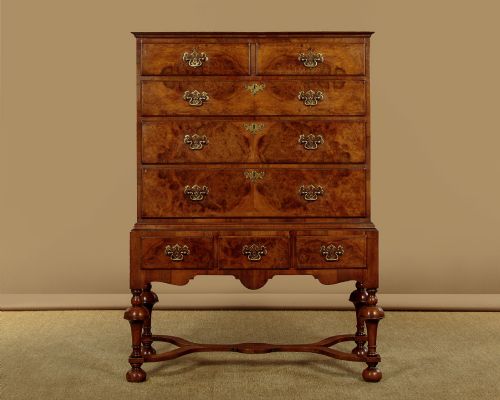
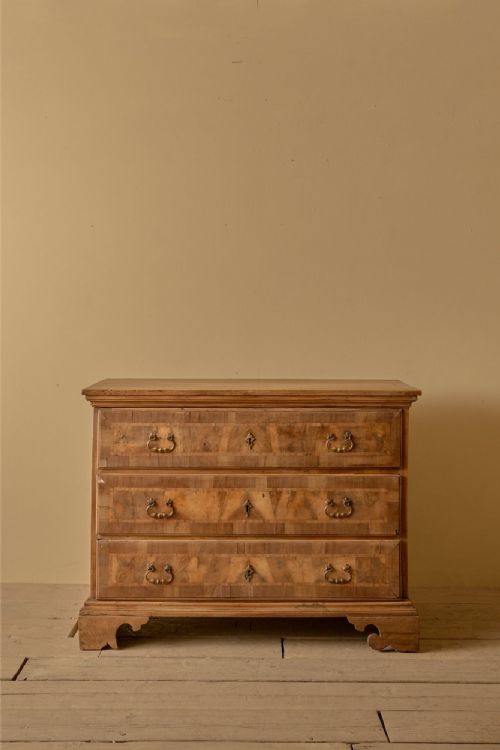
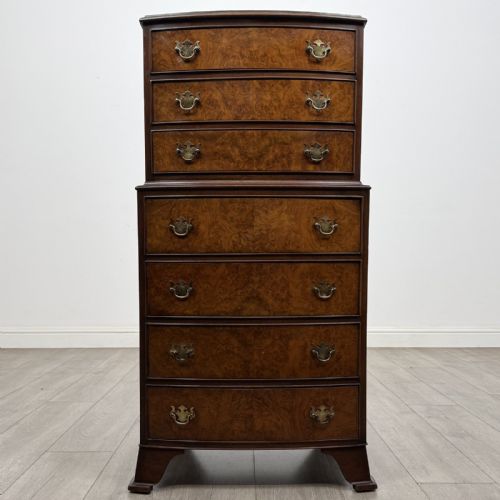

Antique Walnut Storage Chest
An antique walnut storage chest delivers quiet presence and deep drawers, uniting rich grain with centuries of practical domestic utility.
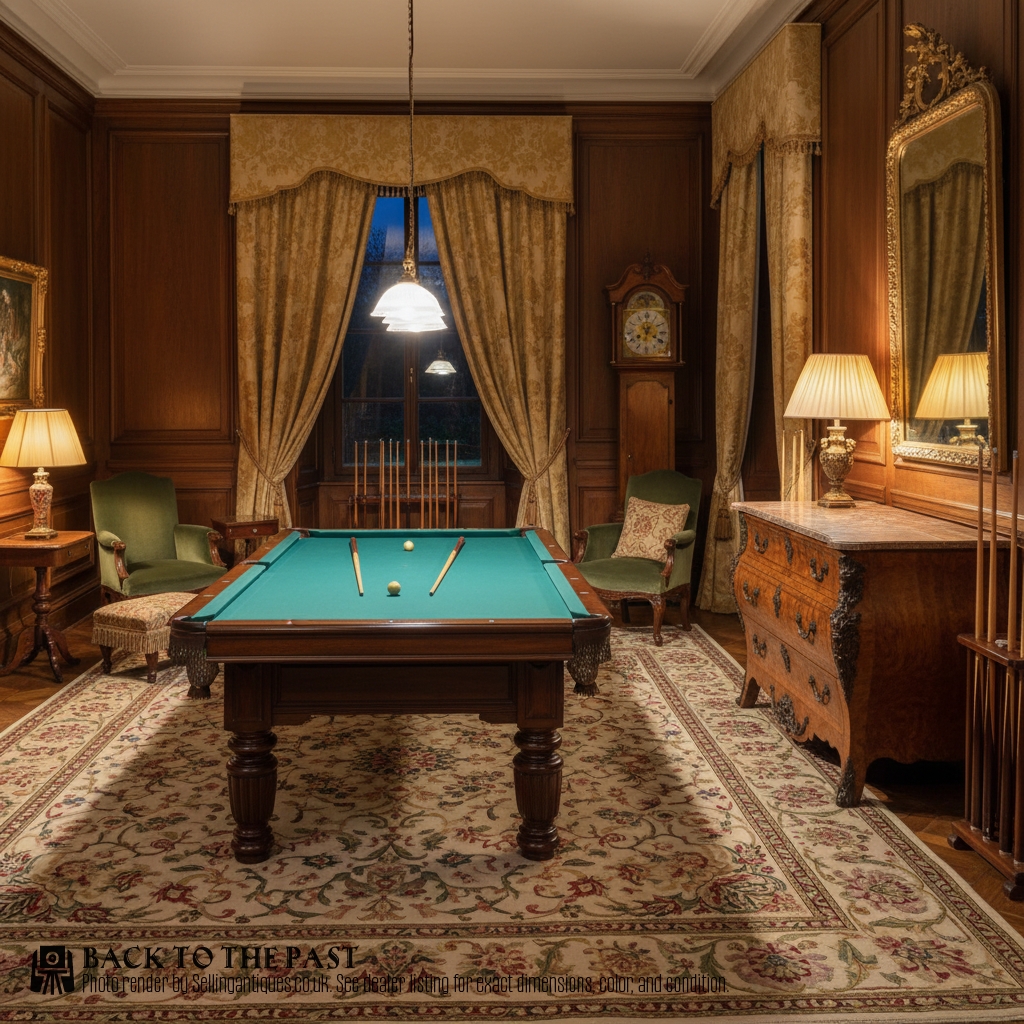
Antique Walnut Storage Chest
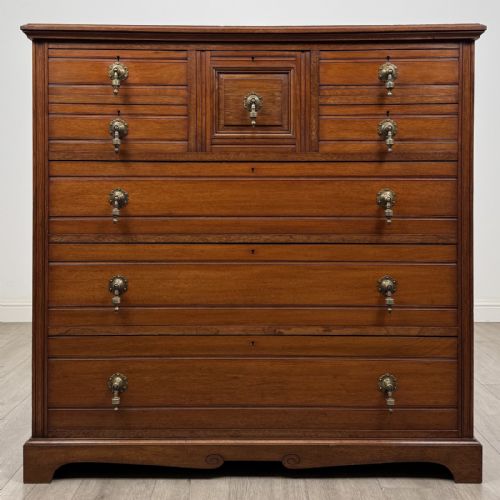
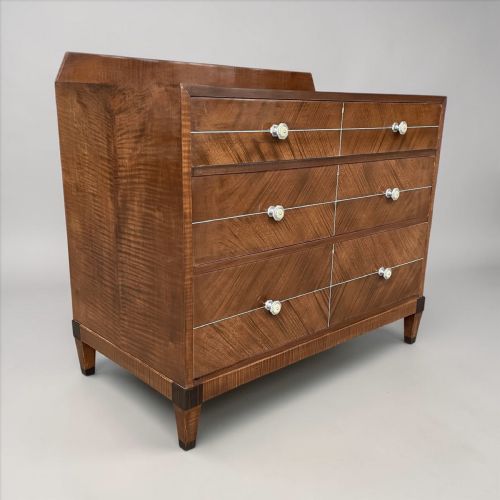
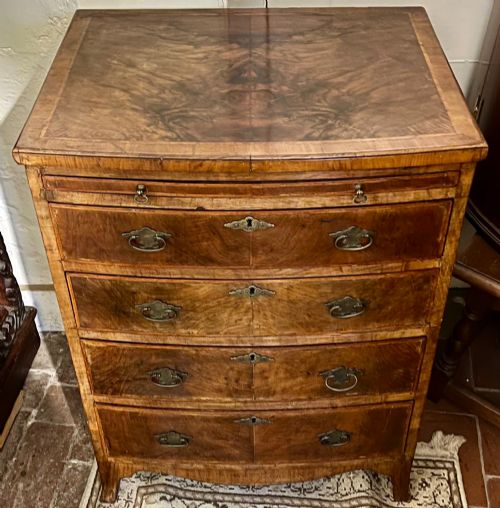
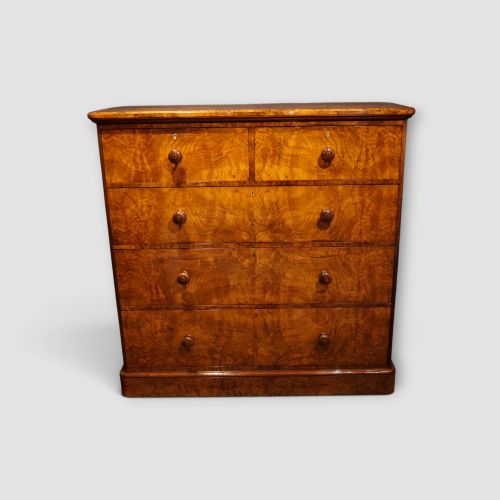
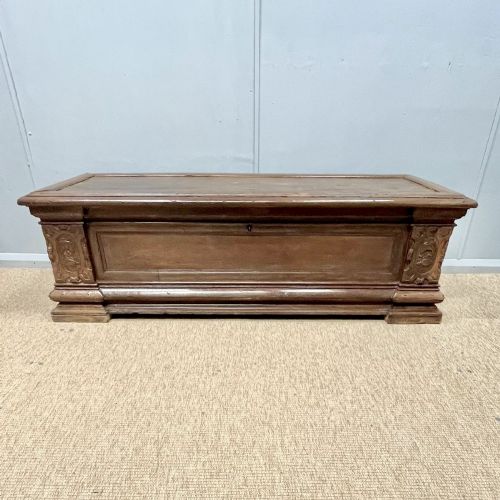
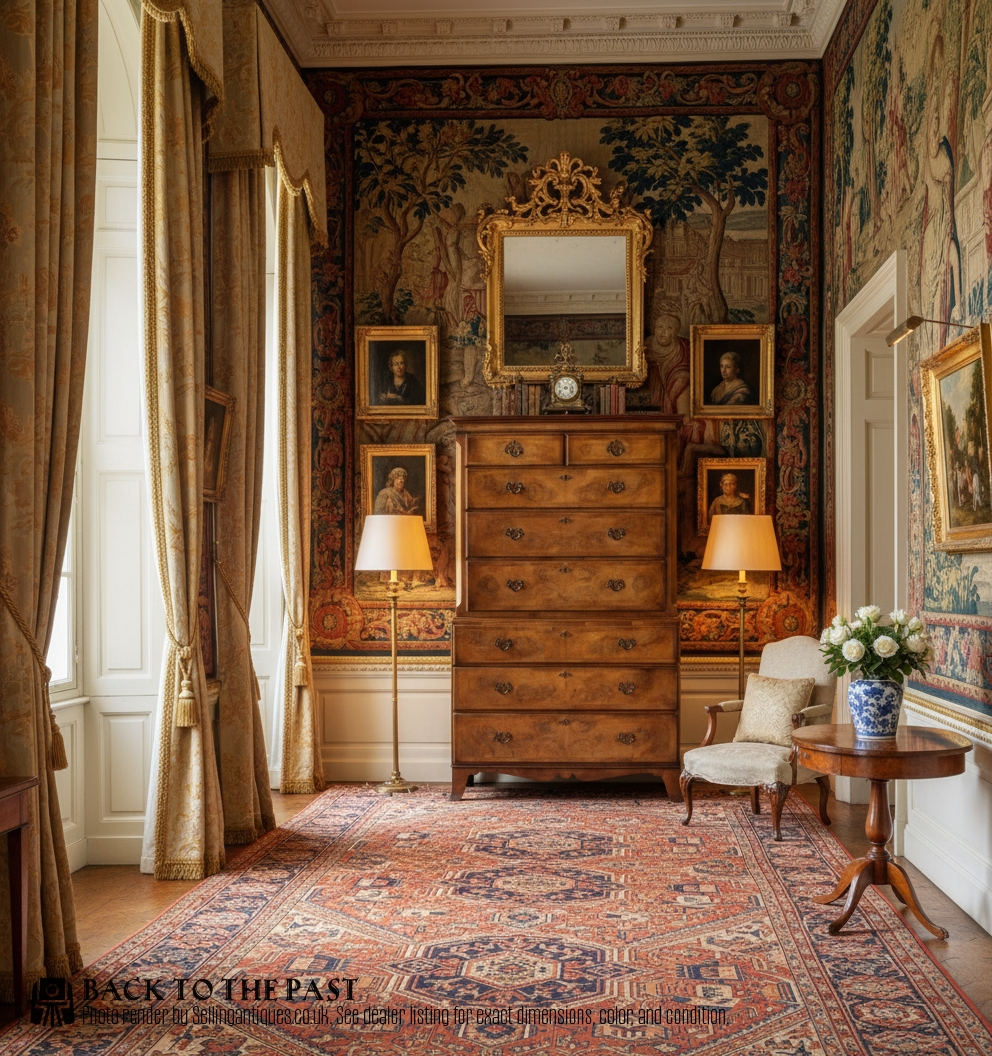
An antique walnut storage chest encompasses case furniture built to hold linen, clothing, and valuables, appearing across this selection as chests of drawers, tallboys, commodes, and linen presses. Buyers seeking this phrase encounter pieces spanning from the late seventeenth century through the Georgian and Victorian eras into the Art Deco period.
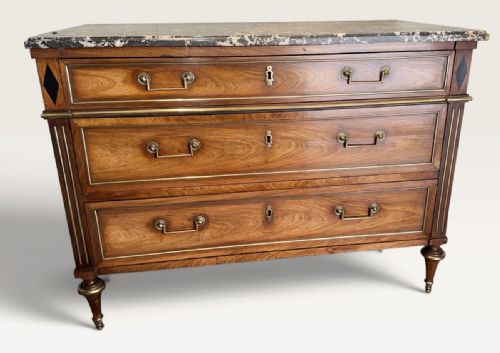
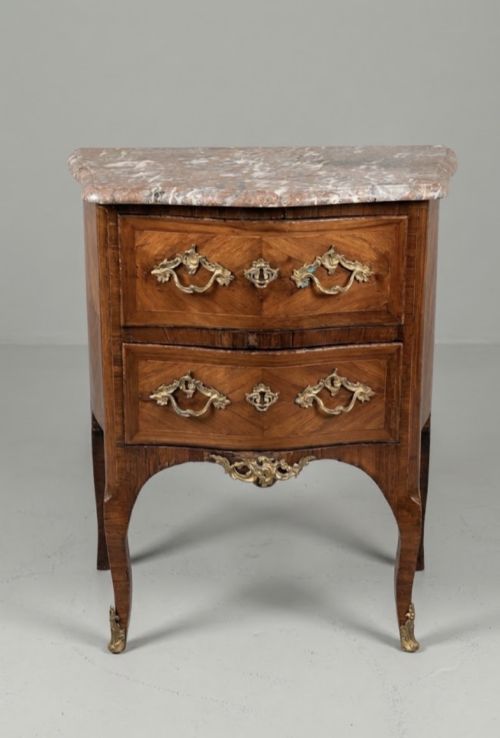
The domestic forms vary from compact dressing chests and serpentine commodes to massive chests on stands and upright music filing cabinets. Regional variations include Dutch marquetry examples with floral inlay and French pieces topped with grey or rouge marble.
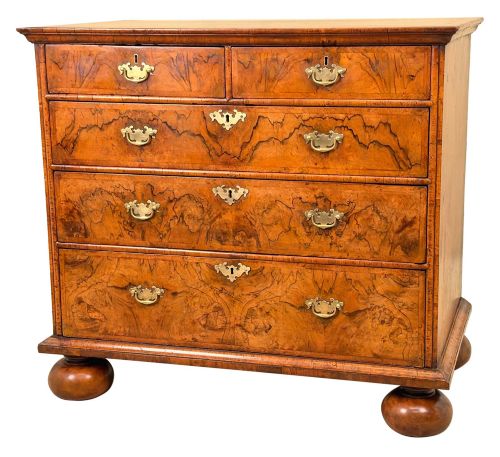
Early eighteenth-century Queen Anne and George I iterations demonstrate figured grain and crossbanded borders, whilst twentieth-century revivals bring bow-fronted proportions and burr walnut veneers to domestic interiors.

How they were made
Cabinetmakers utilised solid walnut, oak, and pine as foundational carcase timbers, applying finely figured walnut and burr walnut veneers to primary surfaces to create dramatic grain patterns. Herringbone banding, floral marquetry, and parquetry inlays decorate drawer fronts and top panels.
Metal hardware such as brass drop handles, escutcheons, and iron bindings secure closure and accent the dark timber, whilst occasional additions of ormolu, glass, and mother-of-pearl enhance smaller caskets and boxes.
Antique Walnut Storage Chest Retail Price Guide 2026
Typical asking prices for walnut storage chest among the pieces listed under this phrase on Sellingantiques today, from the lower quarter to the upper quarter. They describe what is for sale here now, not the wider market.
The inventory records functional forms including chests of drawers, linen presses, games boxes, tea caskets, and music filing cabinets.
What varies in quality
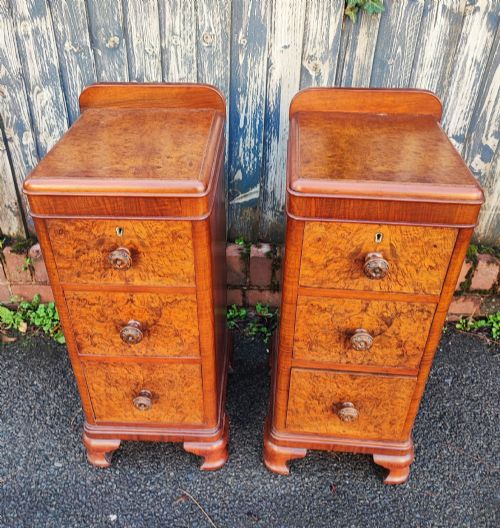
Quality rests upon the selection of timber figures, where symmetrical burr walnut veneer and crisp crossbanding elevate a piece far above plain surfaces. The skill of the marquetry inlay and the retention of original brass hardware further distinguish superior examples.
Structural integrity reveals itself in the dovetail construction of drawers and the harmony of proportions, separating master cabinetmaker production from simpler regional work.
Jas Shoolbred
The Antique Walnut Storage Chest Glossary
- Burr walnut
- A figured wood grain obtained from growth excrescences on walnut trees, prized for swirling patterns. Cabinetmakers sliced this timber into thin veneers for primary display surfaces.
- Commode
- A low French storage chest fitted with drawers or doors, often featuring a marble top. These pieces originated in bedchambers for holding personal belongings.
- Marquetry
- Decorative veneer work arranged in pictorial or floral patterns using various woods. Artisans inlaid these designs into the primary walnut carcase.
- Tallboy
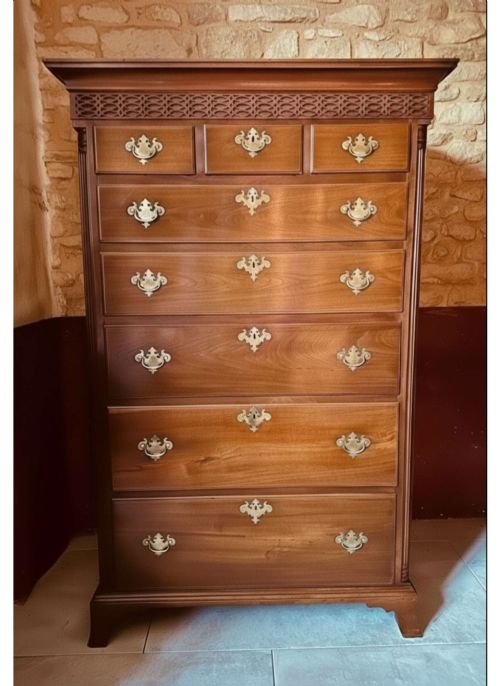
- A tall chest of drawers standing on a separate base or lower chest section. This form maximises vertical storage capacity within domestic bedchambers.
Antique Walnut Storage Chest: Frequently Asked Questions
How do I date an antique walnut chest?
Dating relies upon examining construction methods, timber choice, and hardware styles across periods from the seventeenth century onward. Drawer linings in oak or pine and original brass handles provide key chronological markers.
Stylistic shifts from Queen Anne veneer work to Georgian proportions and later Art Deco interpretations help clarify the exact decade of manufacture.
Where were walnut storage chests used?
These pieces served primarily in private bedchambers, dressing rooms, and formal parlours to store garments, linens, and domestic documents. Larger commodes and linen presses functioned as prominent storage furniture in country houses.
Smaller caskets and tea boxes sat atop tables for secure storage of precious items and documents.
How do I care for walnut veneer?
Walnut surfaces require protection from direct sunlight and extreme humidity fluctuations to prevent veneer lifting and timber drying. Regular dusting with a soft, dry cloth maintains the finish safely.
Avoid silicone polishes and moisture exposure to preserve the original polish and grain depth over time.
What is the difference between a chest on chest and a tallboy?
A chest on chest consists of one complete chest stacked directly upon a slightly larger bottom chest, creating substantial vertical storage. A tallboy traditionally refers to a single tall chest raised on a stand with legs.
Both forms utilise figured walnut and burr veneers to create impressive height in period rooms.