


Vintage Walnut Furniture
Vintage walnut furniture brings rich grain and warm tone to a room, offering practical storage and sleeping forms from various early twentieth century periods.
What vintage walnut furniture is
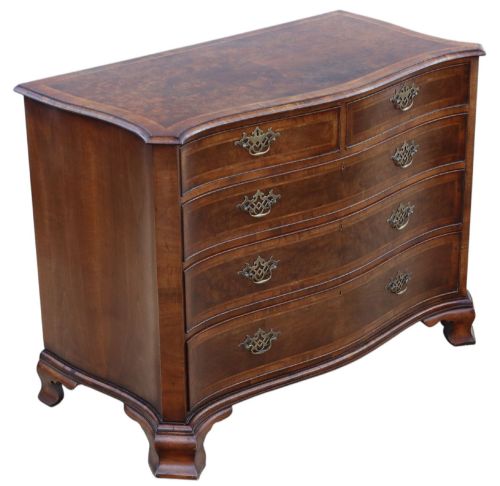
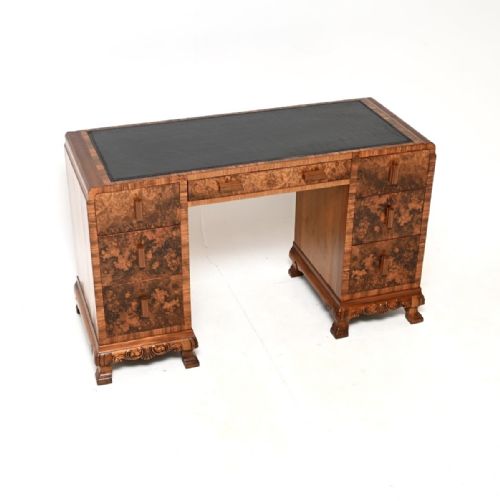
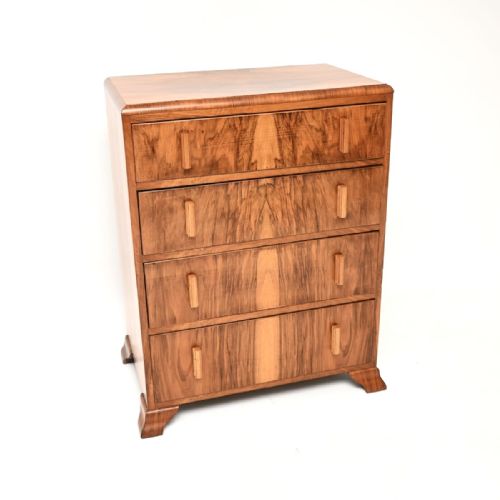
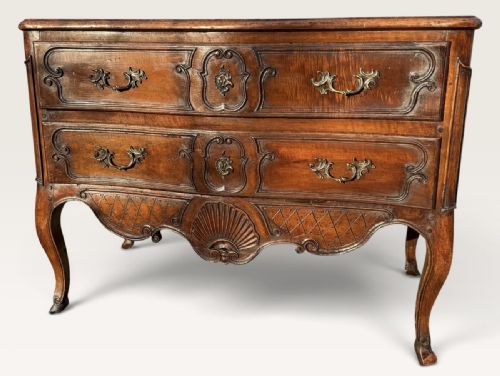
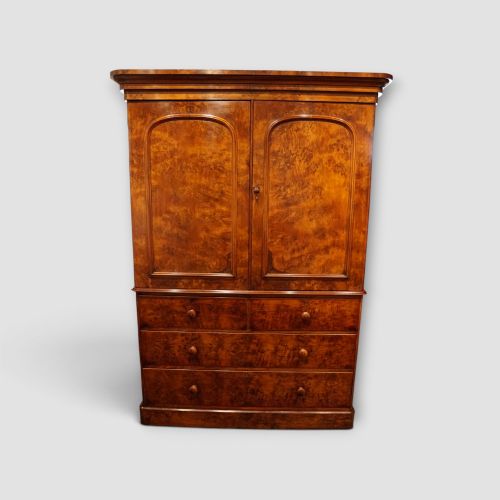
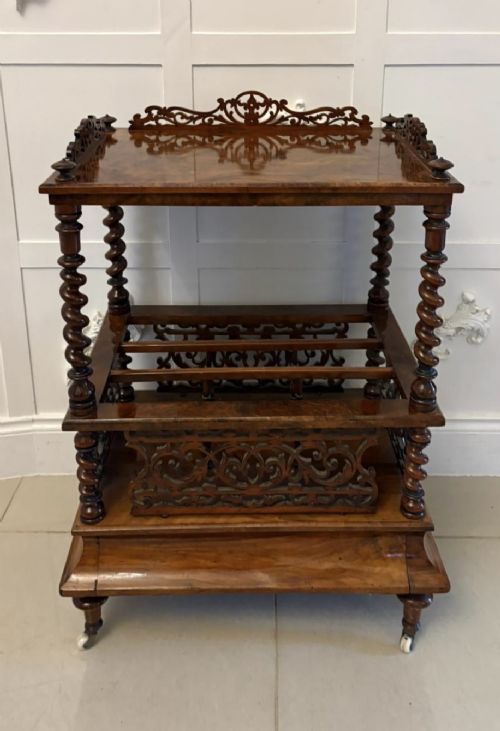
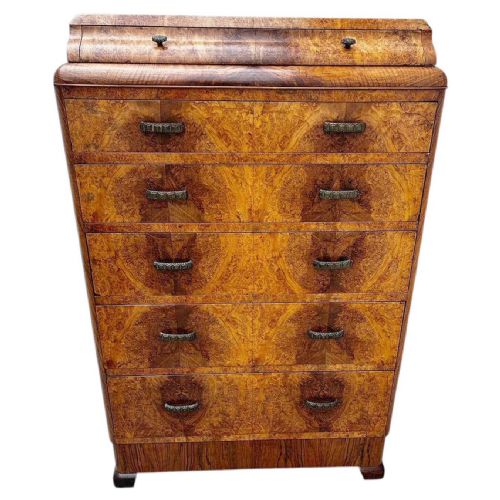
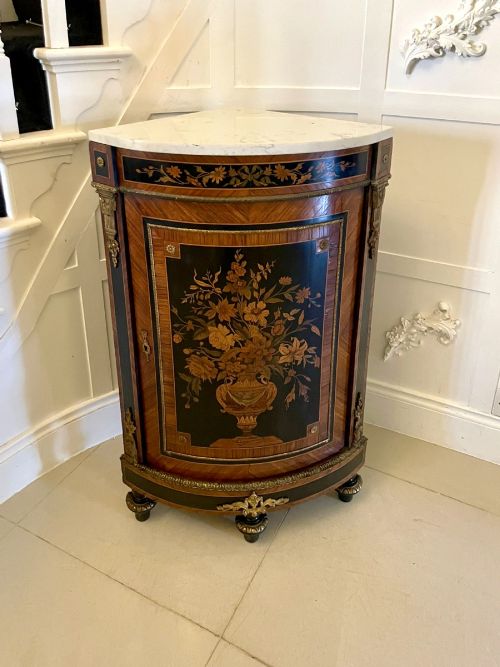
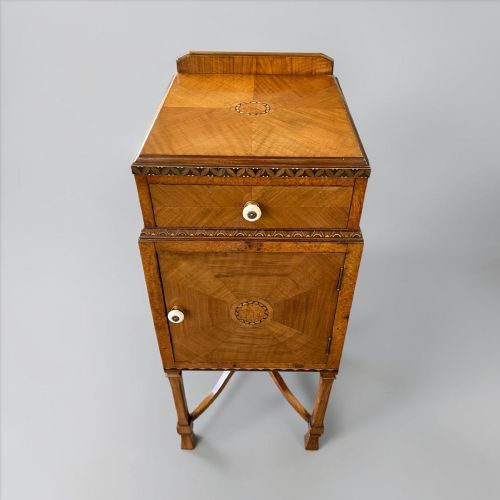
Vintage walnut furniture encompasses chests of drawers, bureau cabinets, and bedsteads spanning the nineteenth century through the nineteen thirties. These pieces combine rich timber figures with traditional forms ranging from Queen Anne and Georgian styles to George V and Art Deco designs.
How vintage walnut furniture was made
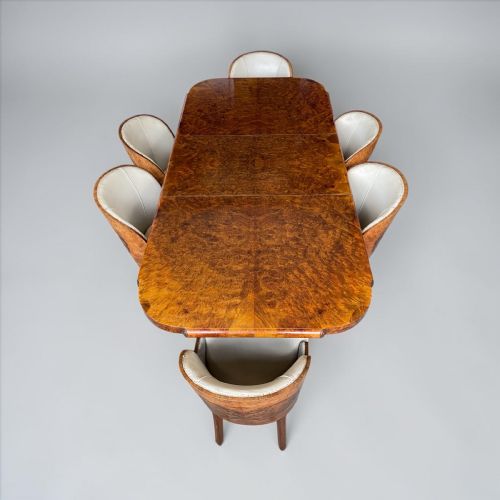
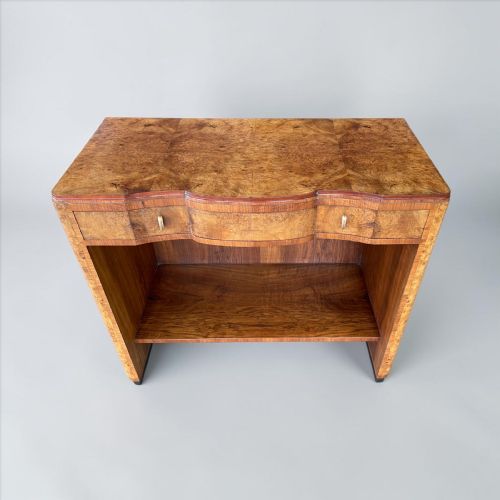
Maker construction relies heavily on solid wood and decorative veneers, utilising walnut and burr walnut across primary surfaces. Metal hardware in brass often provides handles and escutcheons, whilst glass appears in selected cabinet elements.
Cabinet makers selected figured grain patterns to create visual movement across drawer fronts and doors. The combination of timber and brass hardware defines the physical construction of these pieces.
Retail Price Guide 2026
Typical UK retail prices for vintage walnut furniture, calculated from the Sellingantiques database of over a million retail prices indexed since 2003. This retail price guide relies exclusively on Sellingantiques data; no external sources or auction records are used, so the figures do not describe the wider market.
Walnut burl formations grow like wooden fingerprints, meaning no two drawer fronts share the exact same swirling pattern.
What varies in quality
Quality rests upon the selection and matching of the timber veneers across prominent surfaces. Burr walnut and figured grain displays demand careful bookmatching to achieve visual balance.
Design execution determines the standing of a piece, distinguishing standard utility forms from refined interpretations of Georgian or Art Deco styles.
The Vintage Walnut Furniture Glossary
- Burr walnut
- A figured wood grain taken from the growth excrescences of the tree. This material provides highly decorative swirling patterns prized on cabinet and drawer fronts.
- Bureau cabinet
- A writing desk combined with upper shelving or storage enclosed by doors. This form offers dual utility for workspace and display.
- Serpentine
- A curved front shape undulating outward and inward in a gentle wave. This contour adds architectural movement to chests of drawers.
- Bedstead
- The structural framework supporting a mattress for sleeping. These items display decorative timber headboards and footboards.
- Figured walnut
- Timber exhibiting distinctive natural grain patterns rather than plain straight lines. Cabinet makers select this material to enhance the surface appearance of fine furniture.
Frequently Asked Questions
What periods do these pieces date from?
The selection includes items from the nineteenth century alongside pieces dated around nineteen twenty and nineteen thirty. Styles range from revival Queen Anne and Georgian forms to George V and Art Deco.
Buyers encounter a mix of Edwardian and interwar domestic items, reflecting shifting aesthetic preferences across these decades.
What materials appear in these items?
Construction utilises walnut timber, including figured and burr walnut veneers applied to primary surfaces. Brass hardware and glass components also appear across the selection.
The combination of decorative wood grain and metal fittings characterises the physical makeup of these pieces.
How do Art Deco pieces differ from earlier styles?
Art Deco bureau cabinets present streamlined geometric lines typical of the nineteen thirties. Earlier styles draw on Queen Anne and Georgian proportions with traditional detailing.
This stylistic shift moves from historic revival motifs toward modern functionalism.
Where do chests of drawers fit in a home?
Chest of drawers forms provide practical storage surfaces for bedrooms and dressing spaces. Serpentine fronts and figured grain patterns add decorative presence to domestic interiors.
These storage items function as both working furniture and focal points within a room.