


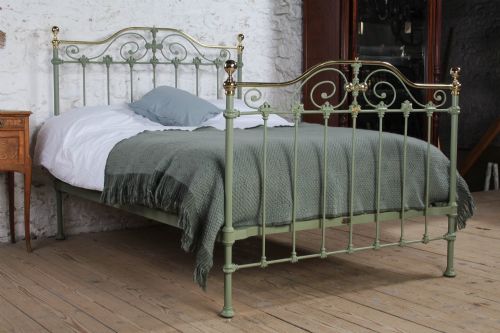
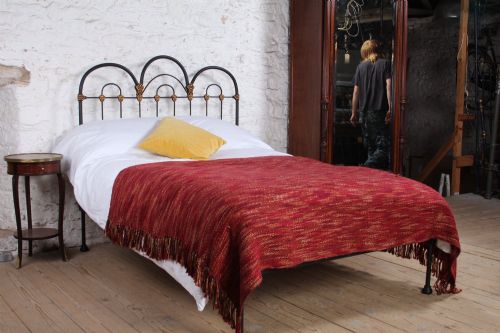
Vintage Double Bed Frame
A vintage double bed frame brings period character and enduring timber grain to a bedroom.
What these pieces are
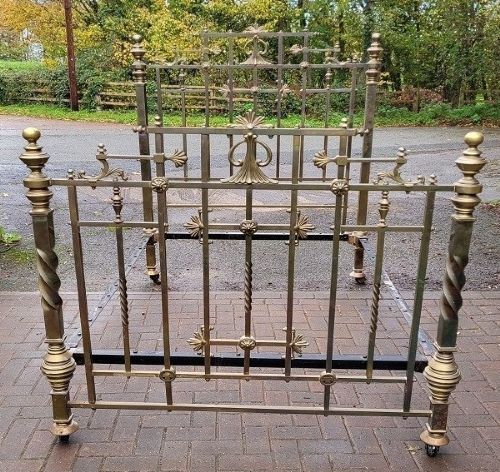
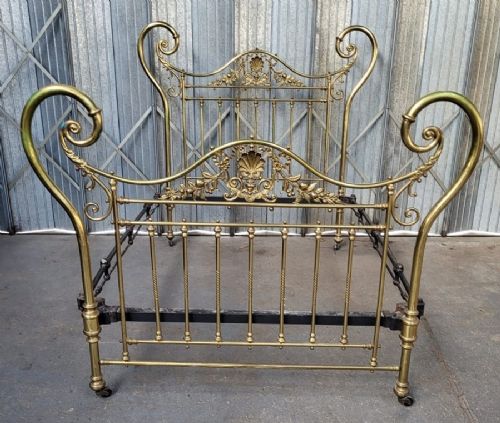
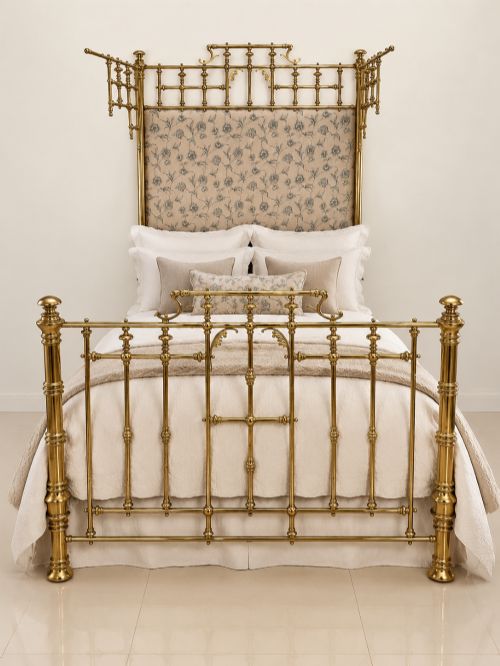
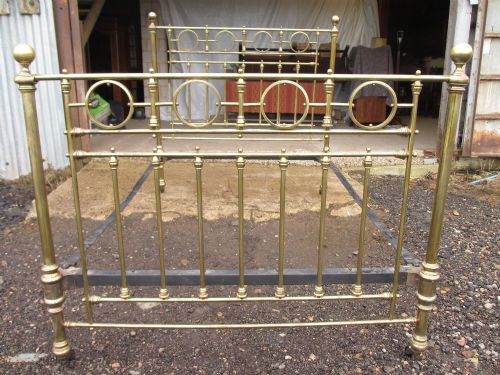
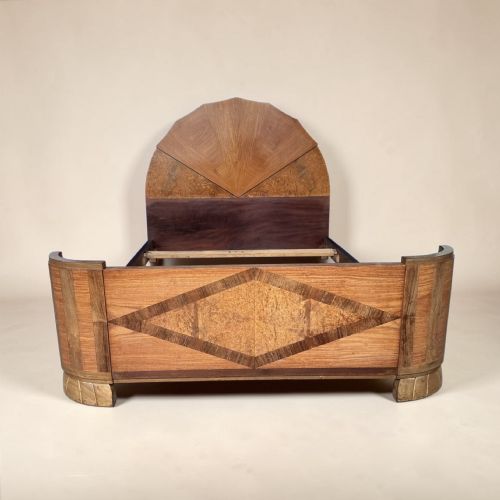
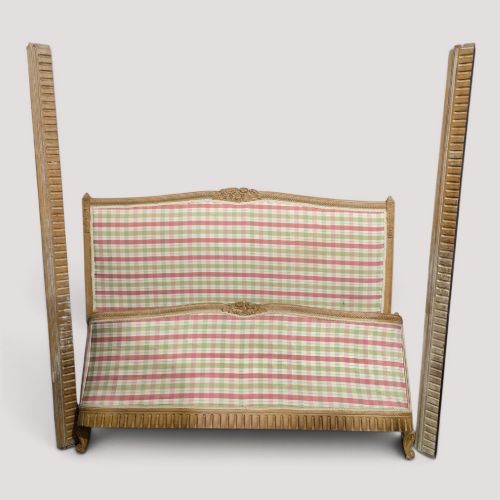
A vintage double bed frame encompasses various period bedstead styles designed to accommodate standard double mattresses. These items appear in forms spanning the 19th Century, Edwardian era, 1920s, and Art Deco period.
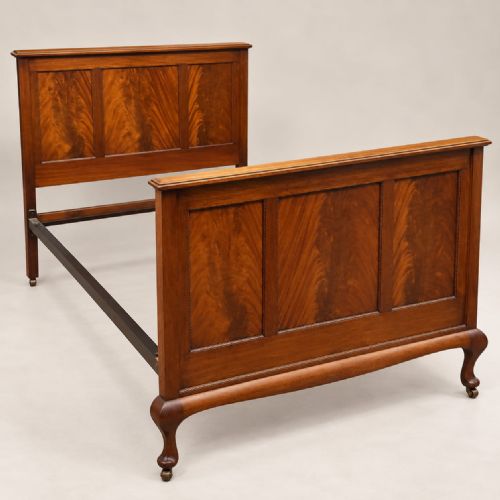
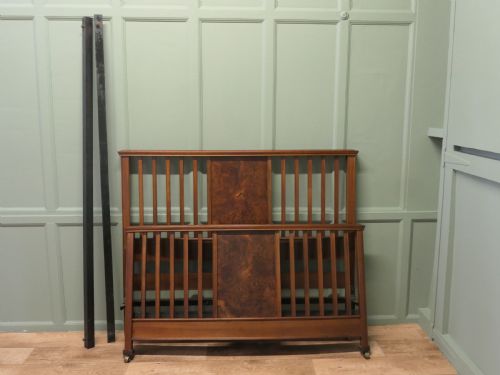
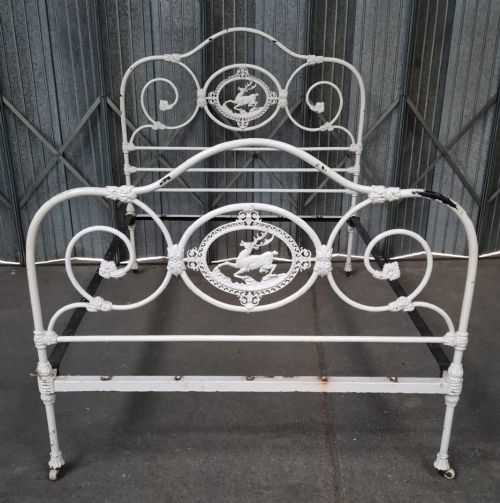
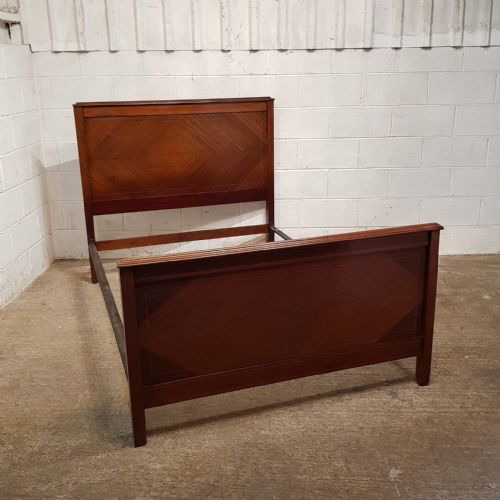
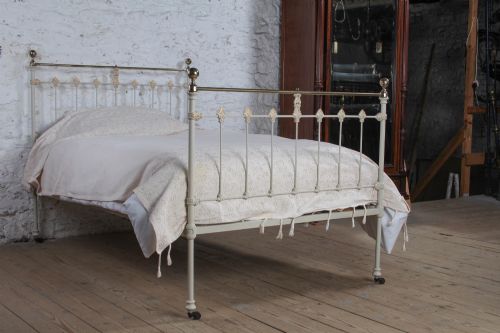
Buyers encountering this selection will frequently meet walnut and burr walnut veneered frames alongside metal combinations of brass and iron. The inventory ranges from simple Edwardian models with marquetry to bold Art Deco designs.
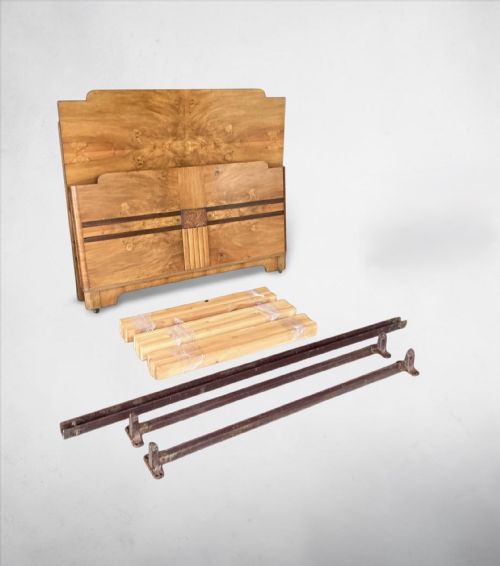
Bedsteads from these eras provide substantial wooden headboards and footboards, often incorporating intricate veneers or metal detailing. Each piece offers a tangible link to historical domestic craftsmanship.
How they were made
Craftsmen utilised solid timbers and applied decorative veneers such as burr walnut and satinwood to primary surfaces. Metal frames combined cast iron components with polished brass fittings and decorative tubing.
Joinery methods of the period relied on sturdy internal fixings and wooden frames to support the weight of heavy mattresses. Marquetry inlays and contrasting wood grains were carefully positioned on prominent panels.
Retail Price Guide 2026
Typical UK retail prices for vintage double bed frame, calculated from the Sellingantiques database of over a million retail prices indexed since 2003. This retail price guide relies exclusively on Sellingantiques data; no external sources or auction records are used, so the figures do not describe the wider market.
Listings feature timber and metal materials including burr walnut, satinwood, brass, and cast iron across multiple historical periods.
What varies in quality
The sophistication of the timber veneer work dictates the visual tier of wooden bedsteads, with figured burr walnut commanding attention through its natural patterning. Finer examples integrate subtle marquetry and well-proportioned brass details rather than relying on plain surfaces.
Metal bedsteads show distinction in the casting quality of ironwork and the weight of brass mounts. Superior pieces maintain structural rigidity while retaining crisp decorative motifs across the head and foot sections.
The Vintage Double Bed Frame Glossary
- Burr Walnut
- A highly figured wood veneer taken from the warted growths of walnut trees. It creates intricate, swirling patterns across large panels.
- Bedstead
- A framework of a bed designed to support springs and a mattress. This term often implies a visible wooden or metal structure with head and footboards.
- Marquetry
- Decorative patterns formed by inserting small pieces of wood into a veneered surface. This technique adds pictorial or geometric detail to furniture panels.
- Art Deco
- A design style prevalent in the 1920s and 1930s characterised by sleek geometric shapes and stylised motifs. Beds from this period feature clean lines and rich veneers.
Frequently Asked Questions
Will a vintage double bed take a modern mattress?
Most vintage double bed frames accommodate standard modern double mattresses, though historical sizing conventions occasionally vary slightly. It remains prudent to check internal dimensions before purchasing.
Support slats or modern base inserts may be required to adapt older bed frames for contemporary mattress depths and weight distributions.
How do I assemble an antique bed frame?
These bed frames typically utilise iron side rails that slot into metal brackets attached to the headboard and footboard posts. Wedges or bolts secure the joints depending on the specific period mechanism.
Enlisting two people makes alignment straightforward and prevents strain on antique wooden tenons or metal fixings during assembly.
Are brass and iron beds sturdy?
Victorian brass and iron bedsteads provide robust structural foundations due to their heavy metal construction. The combination of rigid iron frames and secure corner brackets ensures long-term stability.
Over time, threaded components may require gentle tightening to maintain a firm connection between the side rails and vertical posts.
How do I care for burr walnut veneer?
Burr walnut veneer requires protection from direct sunlight and excessive humidity to prevent timber drying and surface cracking. Regular dusting with a soft, dry cloth preserves the polished finish.
Applying occasional specialist wax feeds the timber and maintains the natural lustre of the figured grain without building up heavy residue.