


Burr Walnut Bed Frame
A burr walnut bed frame brings striking grain patterns and rich warmth to a bedroom through distinctive veneer and timber.
What a burr walnut bed frame is
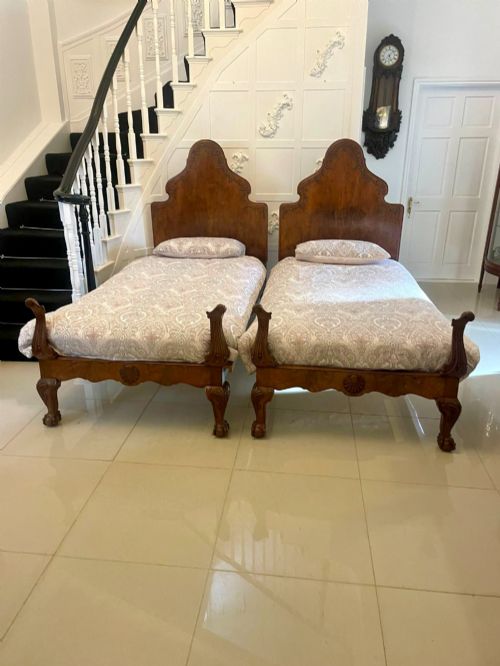
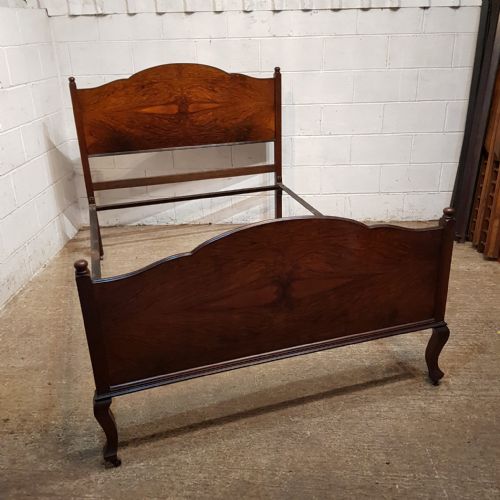
A burr walnut bed frame centres on the figured, swirling grain patterns of walnut timber, creating a striking visual focal point in a bedroom. When searching for a burr walnut bed frame, buyers encounter various forms including double, single, and king sizes.
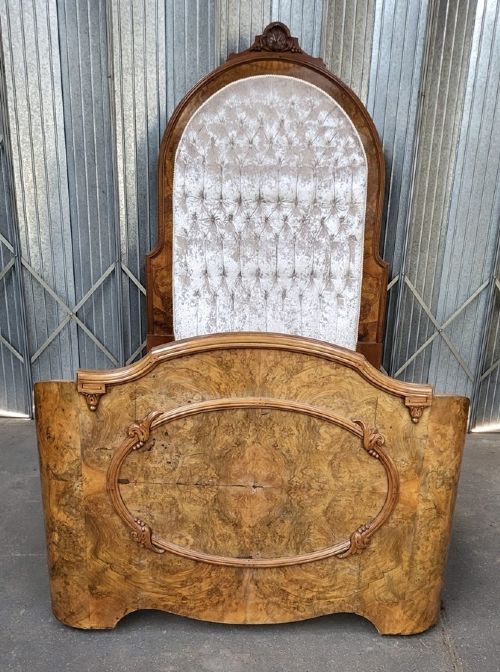
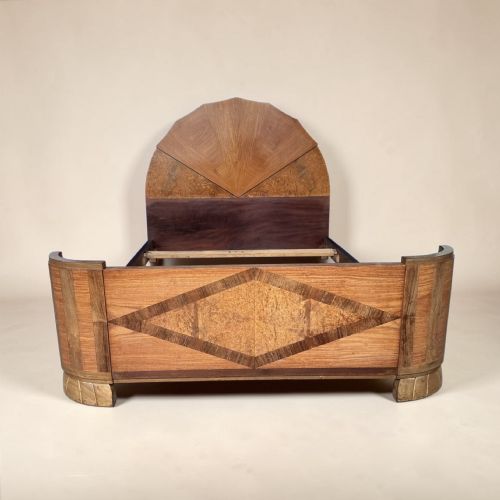
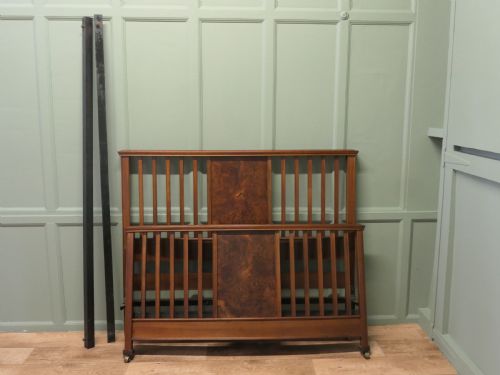
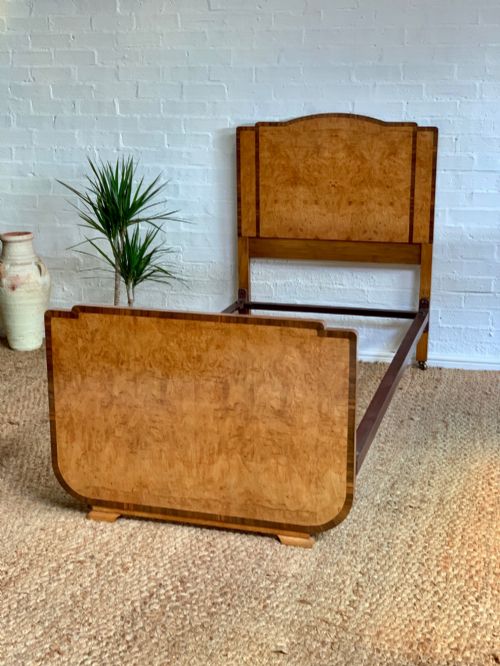
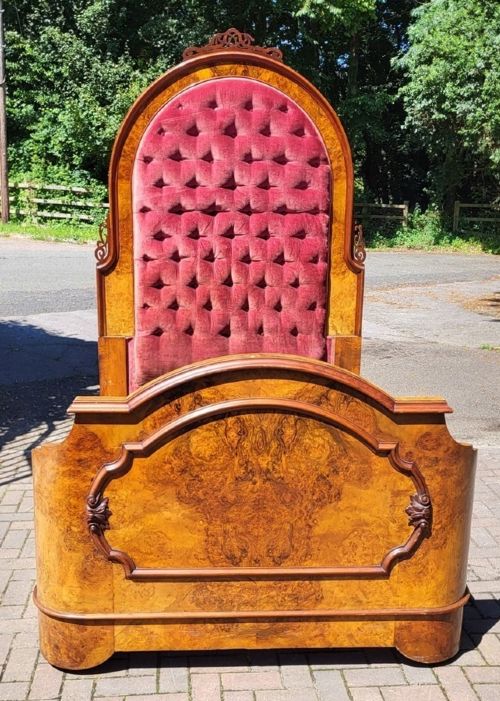
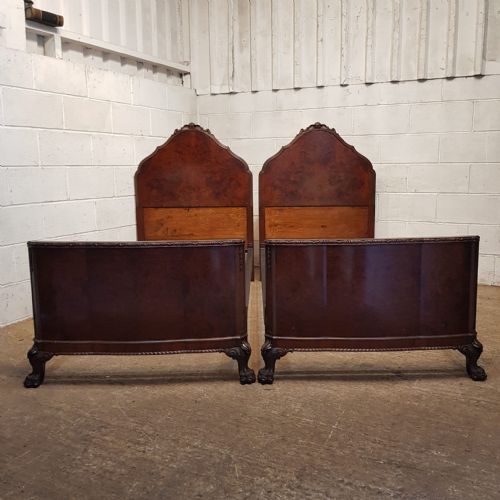
The pieces listed on this page span several distinct periods, notably Art Deco, Edwardian, and Victorian eras. Art Deco examples feature clean, geometric lines that showcase the dramatic timber, while earlier pieces display traditional proportions and upholstery.
How they were made
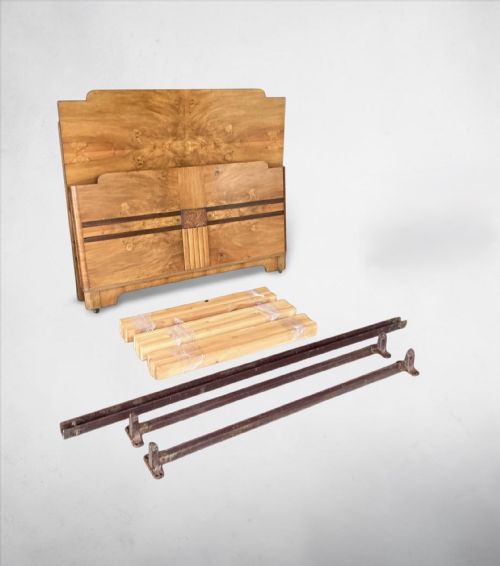
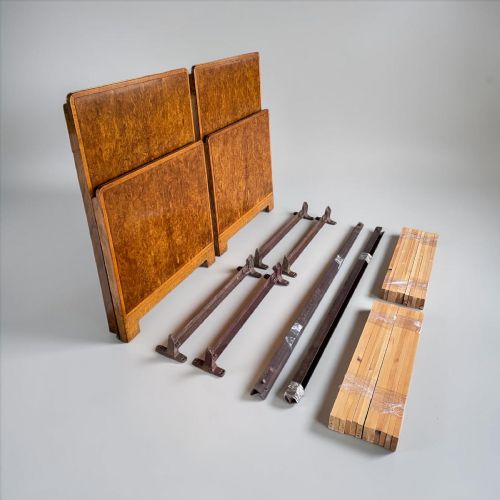
These pieces utilise burr walnut veneer applied over solid wood timbers to highlight the complex, knotty grain patterns of the tree. Additional structural materials such as iron and brass appear in the construction and hardware of the bedsteads.
Cabinet makers selected highly figured wood slices to cover large surfaces symmetrically, creating mirrored grain effects across headboards and footboards. Skilled joinery ensured the stability of the timber panels alongside solid walnut supports.
Retail Price Guide 2026
Typical UK retail prices for burr walnut bed frame, calculated from the Sellingantiques database of over a million retail prices indexed since 2003. This retail price guide relies exclusively on Sellingantiques data; no external sources or auction records are used, so the figures do not describe the wider market.
Listings feature burr walnut bed frames from the Victorian, Edwardian, and Art Deco periods, utilising wood veneer, iron, and brass.
What varies in quality
The distinction between standard examples and finer pieces lies in the choice and symmetry of the veneer grain. Master craftsmen selected deeply figured burr sections and matched them carefully across the panels to create balanced, decorative surfaces.
Construction methods and timber selection also divide the range, with superior frames combining solid walnut framework with expertly applied burr walnut veneer. The depth of the finish and the preservation of the original wood dictate the overall character.
Waring and Gillow
The Burr Walnut Bed Frame Glossary
- Burr walnut
- A veneer or timber taken from the growth growths of a walnut tree, prized for its swirling, highly figured patterns. This material forms the primary decorative surface on these beds.
- Veneer
- A thin layer of fine wood glued to a base timber to provide a decorative exterior. This technique allowed makers to utilise expensive burr walnut efficiently.
- Bedstead
- A framework of a bed, including the headboard, footboard, and side rails. These structures support the mattress and display the stylistic traits of their period.
- Art Deco
- A design style from the early twentieth century characterised by streamlined forms and geometric patterns. Pieces from this movement often feature sleek burr walnut surfaces.
Frequently Asked Questions
What periods do these beds come from?
The pieces span multiple eras including the Victorian, Edwardian, and Art Deco periods. Each era brings distinct stylistic traits to the furniture design.
Art Deco frames often feature streamlined silhouettes, whereas Victorian examples display traditional button-backed upholstery and heavier proportions.
How do I identify burr walnut?
Burr walnut is recognisable by its swirling, knotty grain patterns that create organic, abstract designs across the wood surface. It differs significantly from straight-grained walnut timber.
Makers sliced this figured wood into thin veneers to display the complex patterns prominently on the headboards and footboards.
What sizes are available?
Listings include single, double, and king sizes to suit different bedroom layouts and mattress dimensions. Double beds appear frequently across various historical styles.
Buyers can find both compact single frames and larger proportions depending on the specific period and design.