

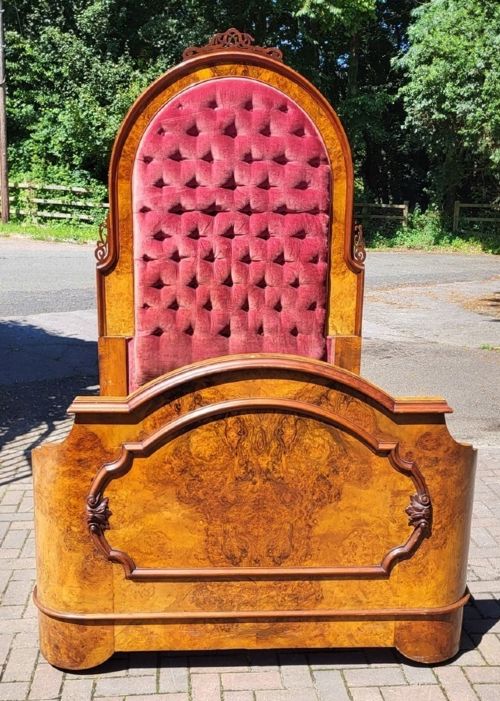

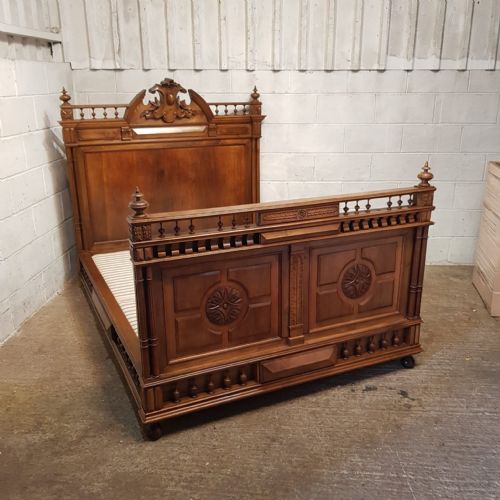
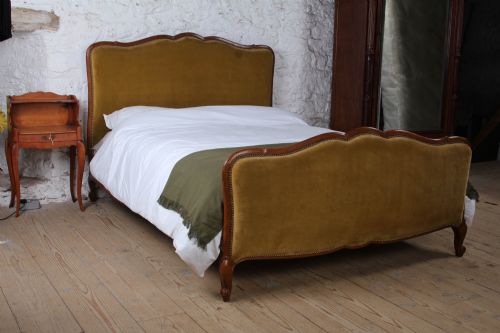


Walnut Double Bed
A walnut double bed brings warmth and rich grain to a bedroom, combining traditional timber frameworks with enduring proportions.
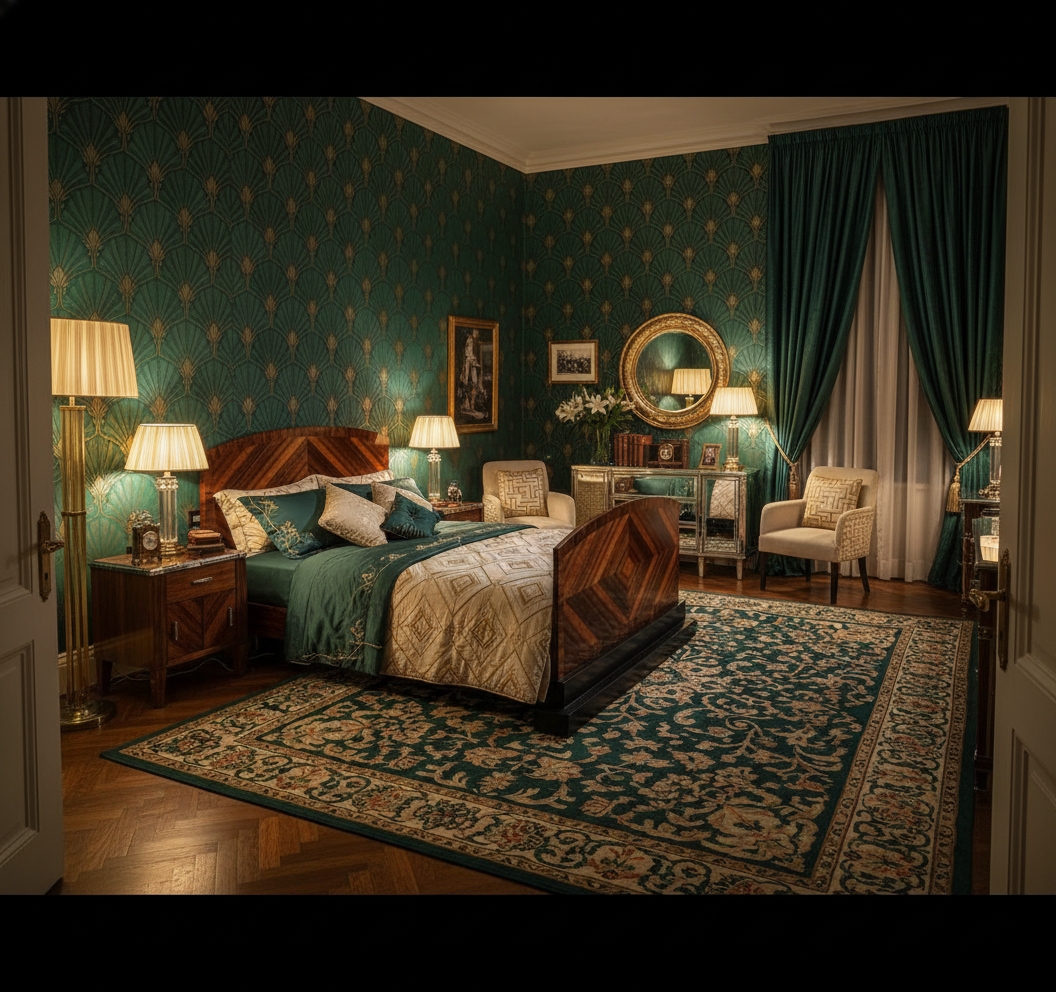
Walnut Double Bed
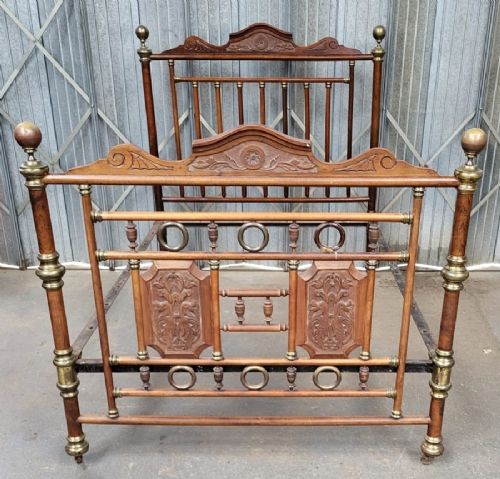
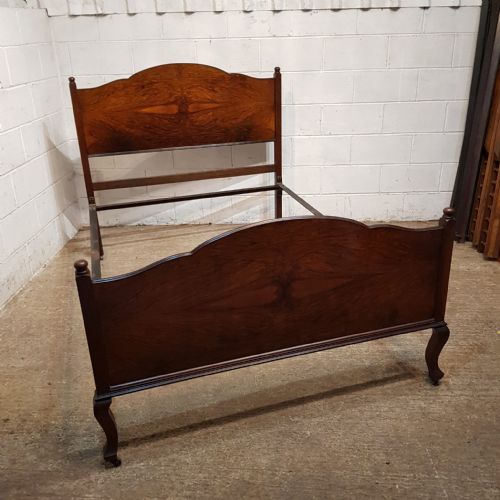
A walnut double bed unites traditional sleeping furniture with the distinctive deep tones and figured grain of timber framing. Buyers searching for a walnut double bed encounter diverse interpretations ranging from Victorian carved high backs to geometric 1930s Art Deco designs.
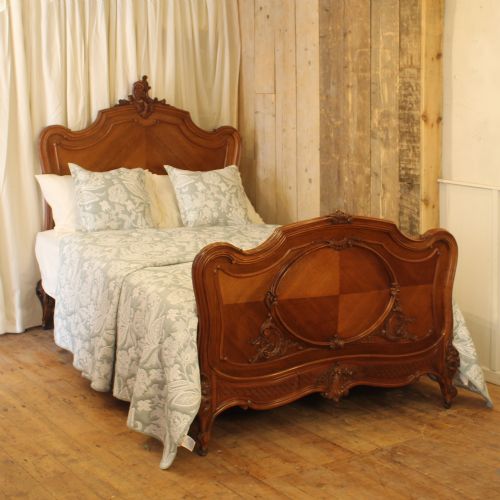
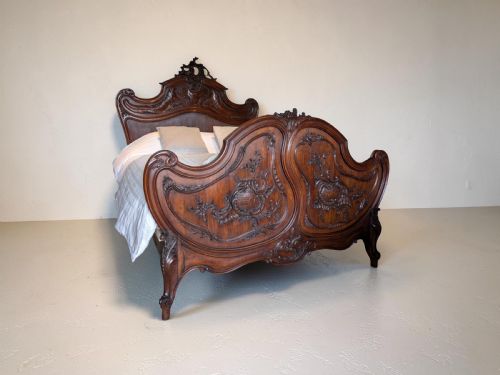
The selections available span multiple decades, incorporating Edwardian and Victorian workshops alongside continental French aesthetic revivals. Most examples adhere to standard double proportions or slight regional variations including French sizing.
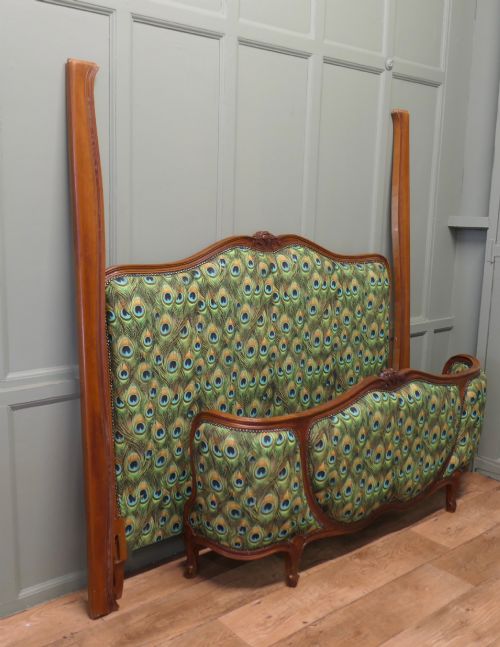
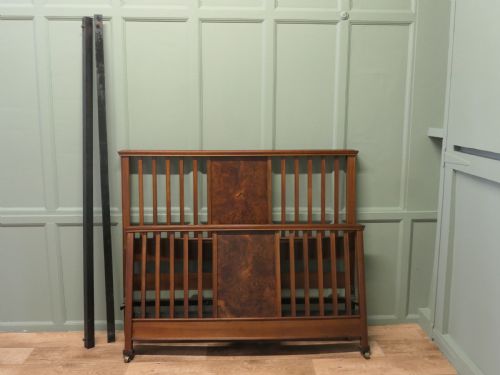
Framing constructions rely heavily upon solid timber alongside decorative veneers that highlight natural wood figures. Many pieces integrate panelled headboards and footboards, occasionally accented with upholstery or brass hardware.
Materials and Construction
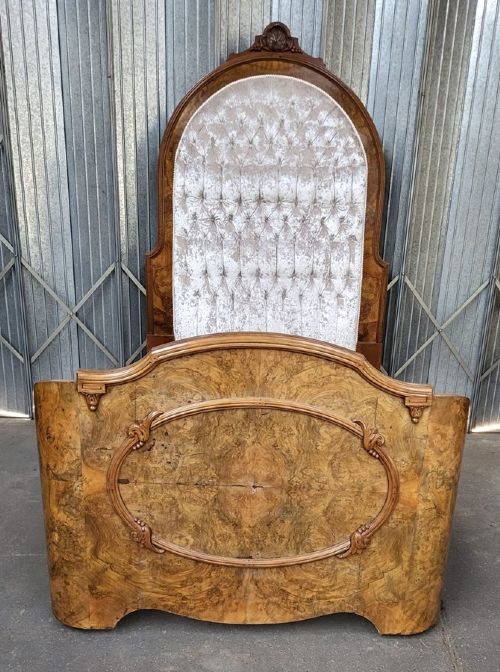
Cabinet makers utilised walnut timber and burr walnut veneers applied over secondary woods to create dramatic figured surfaces on headboards and footboards. French polish or traditional oil finishes protected the timber while deepening the natural colour.
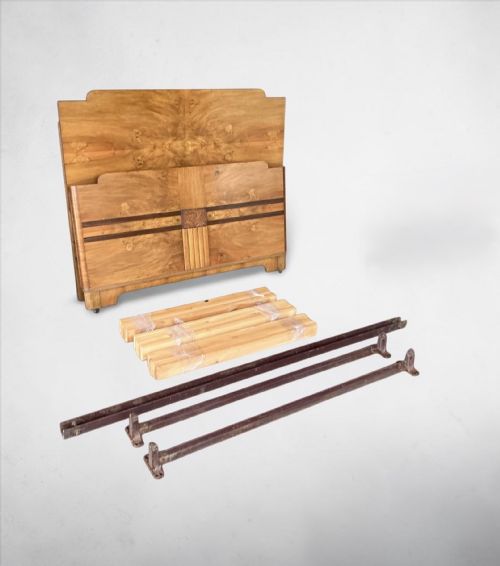
Structural elements frequently incorporated solid walnut or secondary timbers to ensure stability across the bedstead rails and posts. Iron brackets, brass bolts and wooden peg joints secured the side rails to the head and foot assemblies.
Carved ornament appeared across Victorian and revival styles, executed by hand directly into solid walnut rails and crestings. Art Deco frames favoured clean symmetrical curves and matched veneer layouts over overt carving.
Walnut Double Bed Retail Price Guide 2026
Typical asking prices for walnut double bed among the pieces listed under this phrase on Sellingantiques today, from the lower quarter to the upper quarter. They describe what is for sale here now, not the wider market.
Listings feature walnut double beds spanning from the Victorian era through Edwardian workshops to 1930s Art Deco designs.
Evaluating Craftsmanship
The quality of a walnut double bed rests primarily in the selection and matching of the veneer timbers across the primary visual surfaces. Symmetrical book-matching and heavily figured burr sections indicate superior cabinet making compared to plain or heavily faded grain.
Joinery execution distinguishes fine workshop output from standard commercial production, particularly in the stability of the frame joints and the crispness of any hand-carved mouldings. Original mounting hardware and sturdy iron or wooden side rail fastenings add structural integrity.
The integrity of the polish and surface finish influences visual depth, with well-preserved examples retaining a warm lustre. Alterations to side rails to accommodate modern mattress lengths impact the original proportions of antique frames.
Gordon Russell·Roberts and Co of Willenhall
The Walnut Double Bed Glossary
- Burr Walnut
- Timber harvested from walnut tree growths or burls, yielding highly intricate, swirling grain patterns prized for decorative veneer work.
- Bateau Lit
- A traditional French boat bed style featuring curved head and footboards of equal or near-equal height, popular through the nineteenth century.
- Veneer
- Thin slices of high-grade walnut applied to a stable secondary timber core to present an ornamental surface without warping risks.
- Marquetry
- Decorative patterns formed by fitting together small pieces of different coloured wood veneers onto a structural panel.
- Half Tester
- A bed featuring a canopy extending partially over the head portion rather than covering the full length of the frame.
Walnut Double Bed: Frequently Asked Questions
Will an antique double bed fit modern mattresses?
Antique double beds often adhere to historical dimensions which can differ slightly from contemporary standard sizes. Checking internal rail lengths and widths ensures modern mattresses drop securely into the frame.
Some period bedframes feature custom side rails that require minor adjustments or bespoke mattress ordering. Consulting the exact internal measurements prevents sizing discrepancies upon delivery.
How do I assemble a antique wooden bedstead?
Most antique bedsteads utilise iron bolts or metal side rail brackets that lock the headboard, footboard, and side rails together. Systematic tightening of these fixings ensures the entire structure remains square and stable.
Laying down wooden slats across the internal ledges provides a solid foundation for modern mattress support. Careful alignment during assembly protects the historical timber joints from undue stress.
How do I care for walnut veneer furniture?
Maintaining walnut surfaces involves regular dusting with a soft dry cloth and avoiding direct sunlight to prevent fading. Polishing should utilise high-grade natural waxes applied sparingly to preserve the timber grain.
Keeping room humidity stable prevents the underlying wood from expanding and protects delicate burr veneers from lifting. Spills require immediate attention using a damp cloth followed by thorough drying.
How do I distinguish Art Deco from Victorian walnut beds?
Victorian walnut beds display heavy carved ornamentation, button-backed upholstery, and elaborate crested headboards rooted in historical revival movements. The overall silhouette emphasises verticality and textured surface detailing.
Art Deco frames favour smooth sweeping curves, symmetrical wood grain patterns, and streamlined geometric silhouettes free from excessive carving. These twentieth-century pieces celebrate natural burr figures through minimalist architectural forms.