



Burr Walnut Bedstead
A burr walnut bedstead offers rich, swirling timber figures that turn a sleeping chamber into a showcase of natural wood grain.
Burr Walnut Bedstead
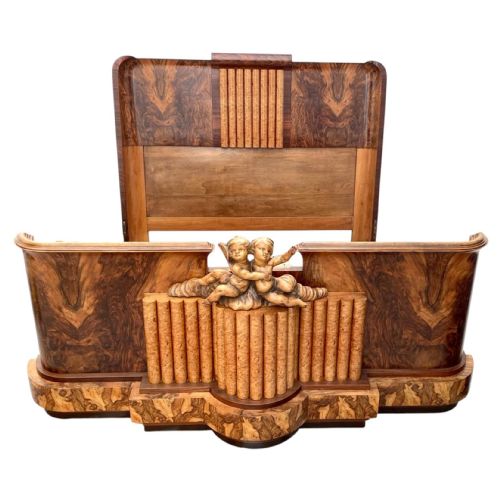
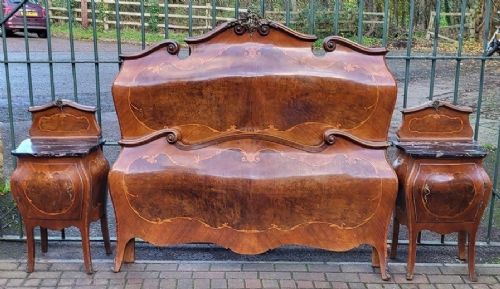
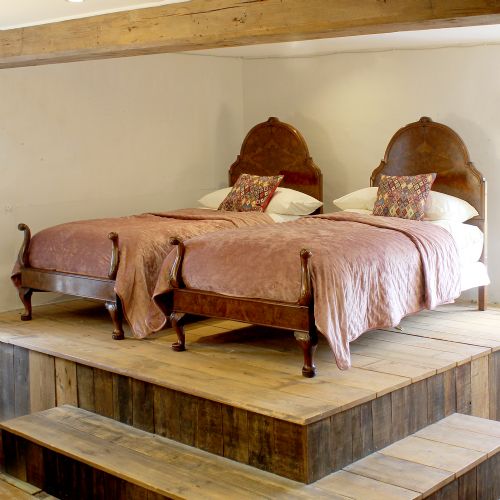
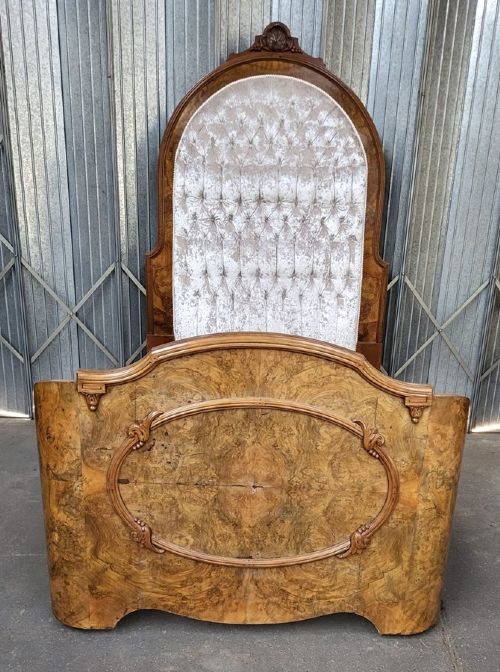
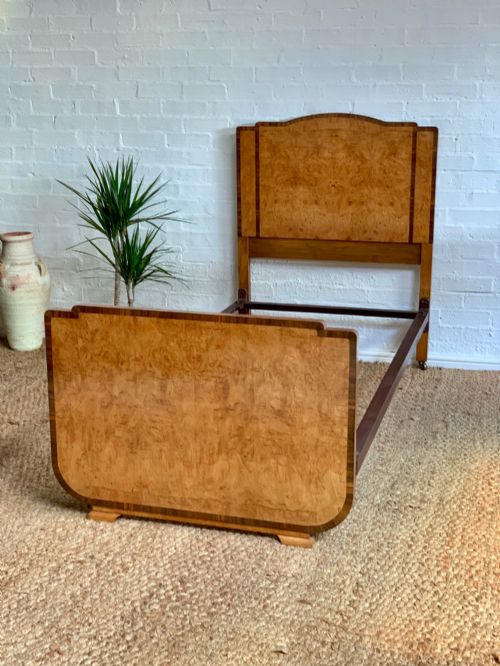
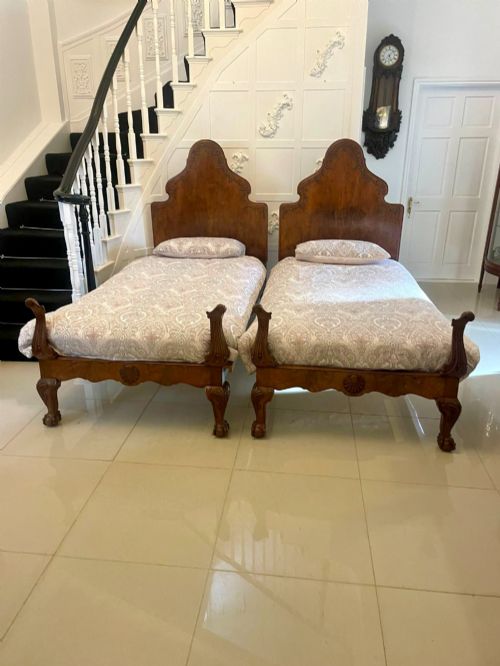
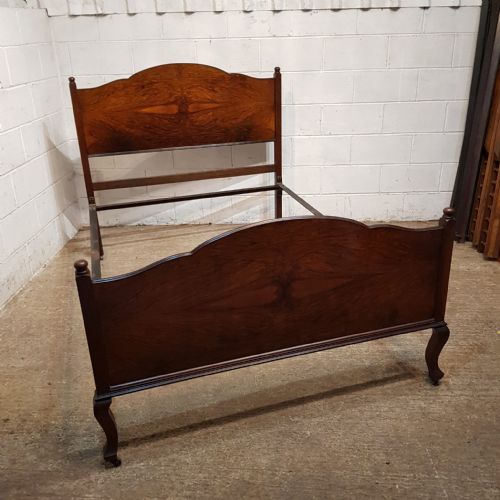
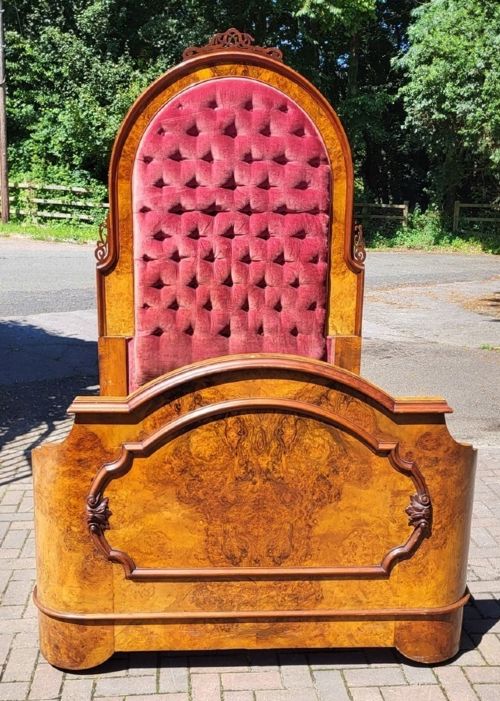
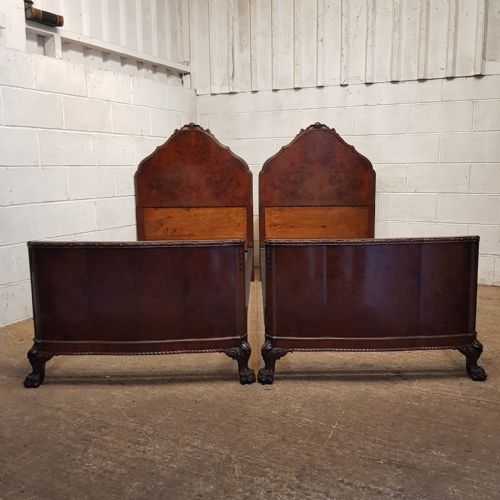
A burr walnut bedstead is a substantial sleeping frame distinguished by intricate, knotted wood patterns grown from tree burls. Buyers searching for a burr walnut bedstead encounter grand Victorian half tester designs, elegant Edwardian and Queen Anne style frames, and streamlined Art Deco geometric pieces.
The selection ranges from single frames to spacious double and king size proportions. Most examples originate from the Victorian era through to the Art Deco period of the 1930s.
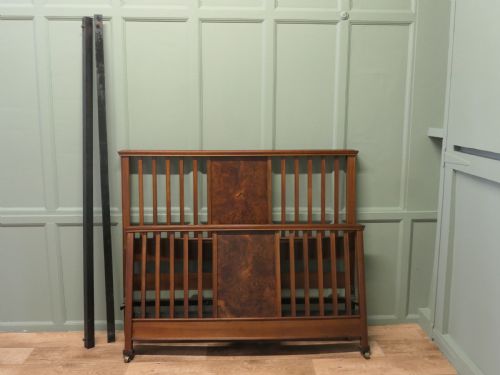
Makers utilised timber veneer to display the dramatic swirling grain across large headboards and footboards. These beds integrate solid walnut framing with supportive internal iron or timber structures.
How they were made
Cabinetmakers sliced thin burr walnut veneer from knotty tree growths and laid them meticulously over stable secondary timbers to create symmetrical patterns. Brass fittings, iron support rails, and carved wood details completed the structural integrity of each bedstead.
Master artisans shaped solid walnut and timber frames using traditional joinery, often incorporating high button-backed upholstery or carved flourishes. Finishing involved hand-polishing the wood to accentuate the deep amber tones and organic figures of the burr grain.
Burr Walnut Bedstead Retail Price Guide 2026
Typical asking prices for burr walnut bedstead among the pieces listed under this phrase on Sellingantiques today, from the lower quarter to the upper quarter. They describe what is for sale here now, not the wider market.
Materials recorded across the inventory include solid timber, iron, brass, and highly figured burr walnut and satinwood veneers.
What varies in quality
The caliber of a burr walnut bedstead depends chiefly on the symmetry and density of the veneer matching across the headboard. Finer pieces display continuous, highly figured grain patterns that demonstrate exceptional timber selection by the cabinetmaker.
Construction depth also separates standard production from superior workshops, visible in heavy carved detailing, robust framing, and intact original brass or iron hardware. The integration of matching side rails and supportive structures elevates the piece from basic utility to high-end craftsmanship.
Waring & Gillow England
The Burr Walnut Bedstead Glossary
- Burr walnut
- A veneer sliced from the deformed growth or burl of a walnut tree, prized for its swirling, chaotic grain patterns. It provides a highly decorative surface for prominent furniture panels.
- Bedstead
- A framework of a bed, consisting of the headboard, footboard, and side rails that hold the mattress supports. Older versions often accommodate iron rails alongside wooden structures.
- Half tester
- A bed with a partial canopy projecting from the headboard over the top of the bed. This style is frequently found in Victorian burr walnut designs.
- Queen Anne style
- A design movement characterised by pad feet, graceful cabriole legs, and curved lines. It experienced strong revivals during the Edwardian period and early twentieth century.
- Art Deco
- A design style from the 1920s and 1930s favouring clean geometric lines, streamlined forms, and striking wood veneers. Pieces from this era often utilise figured walnut for visual impact.
Burr Walnut Bedstead: Frequently Asked Questions
What mattress size fits an antique bedstead?
Many older bedsteads were built to nineteenth or early twentieth-century proportions, which can differ slightly from modern standard mattress sizes. Custom or adjusted mattresses are frequently required to ensure a correct fit within the antique side rails.
Checking the internal width and length dimensions listed for each frame prevents sizing discrepancies. Professional upholsterers or specialist bed makers can supply bespoke bases that drop securely into antique wooden or iron supports.
How do I care for burr walnut veneer?
Burr walnut veneer requires protection from direct sunlight and excessive humidity to prevent the thin wood layers from drying or lifting. Applying a quality beeswax polish periodically maintains the moisture and lustre of the timber surface.
Avoid placing these beds near active heat sources such as radiators or fireplaces. Gentle dusting with a soft, dry cloth preserves the delicate polish without scratching the intricate grain.
How do I distinguish Edwardian from Art Deco styles?
Edwardian burr walnut bedsteads often incorporate traditional revival elements such as Queen Anne curves, high carved headboards, and button-backed upholstery. These designs lean towards classic proportions and ornate decorative flourishes.
Art Deco examples from the 1930s utilise streamlined geometric shapes, highly figured burr or burl walnut panels, and minimal carving. The emphasis shifts to symmetry, sleek vertical lines, and the natural beauty of the polished timber.
Are these beds easy to dismantle?
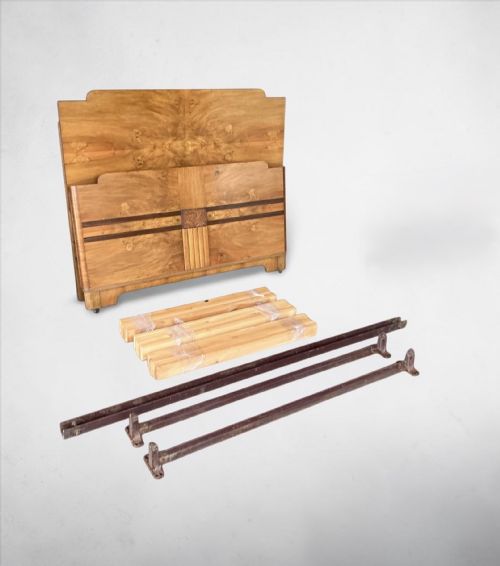
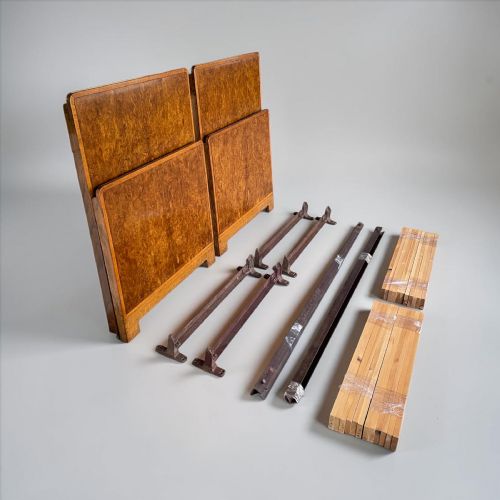
Most antique bedsteads utilise bolt-in side rails or iron-slot brackets designed for straightforward assembly and dismantling. This modular construction allowed large furniture to be moved between rooms or properties historically.
Care must be taken with vintage metal threads and old wood joints during tightening. Securing assistance during assembly ensures the heavy headboards and footboards remain stable while rails are locked into position.