

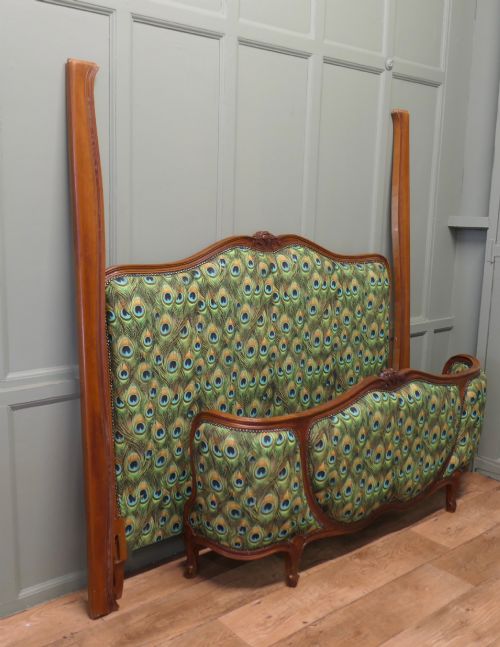
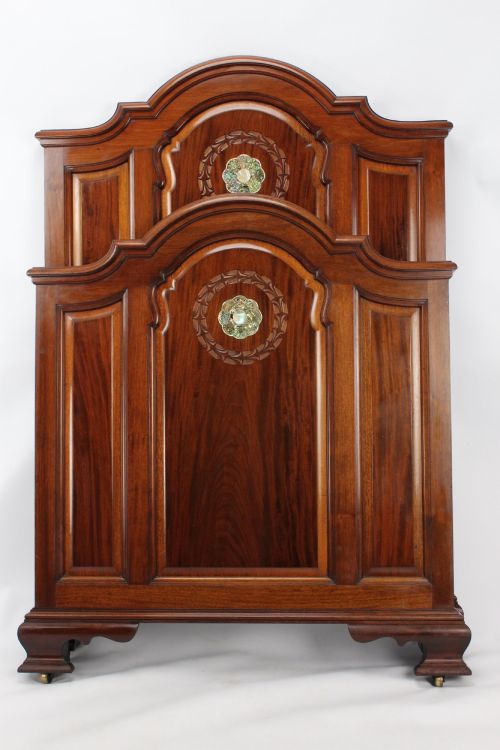
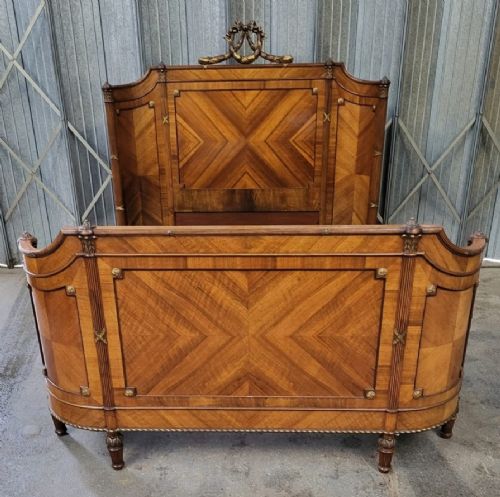
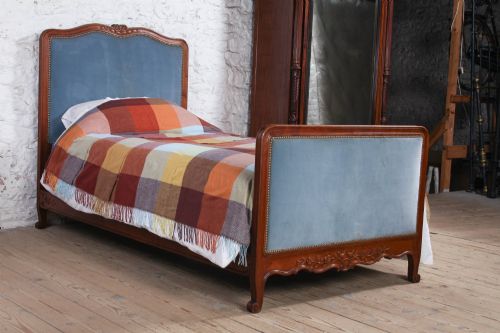
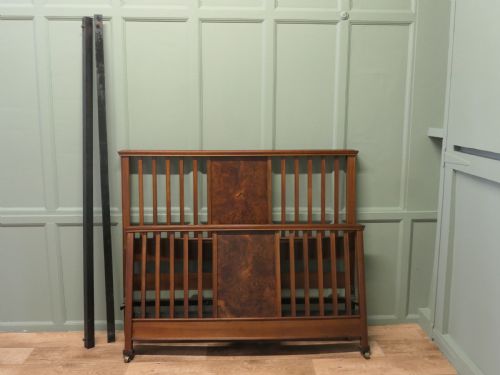
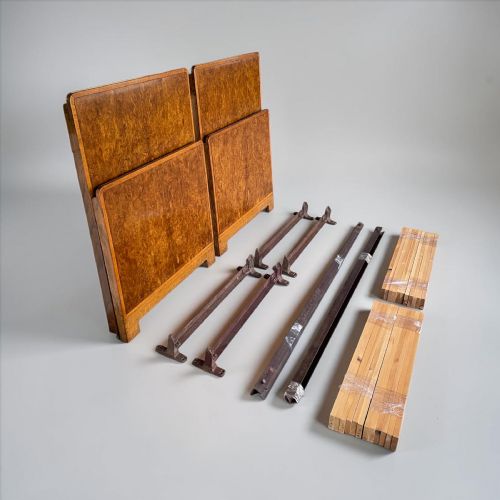
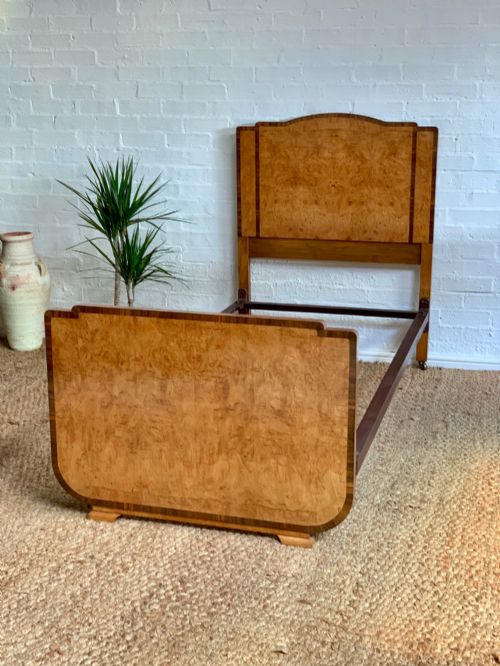
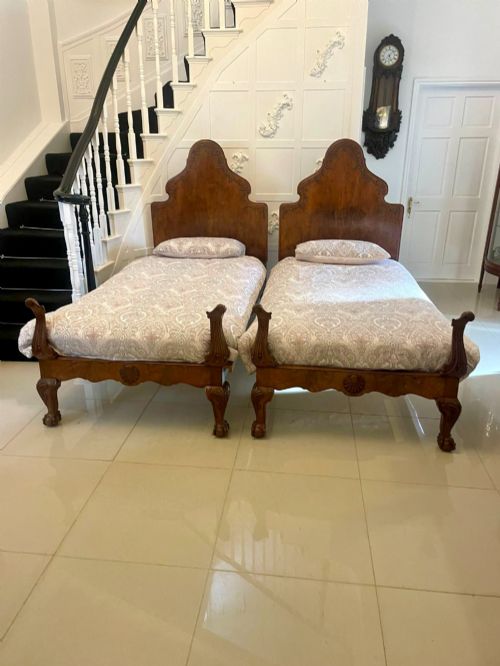
Walnut Bed Frame
A walnut bed frame brings warmth to a bedroom through rich timber figures and historical forms ranging from Victorian grandeur to Art Deco geometry.
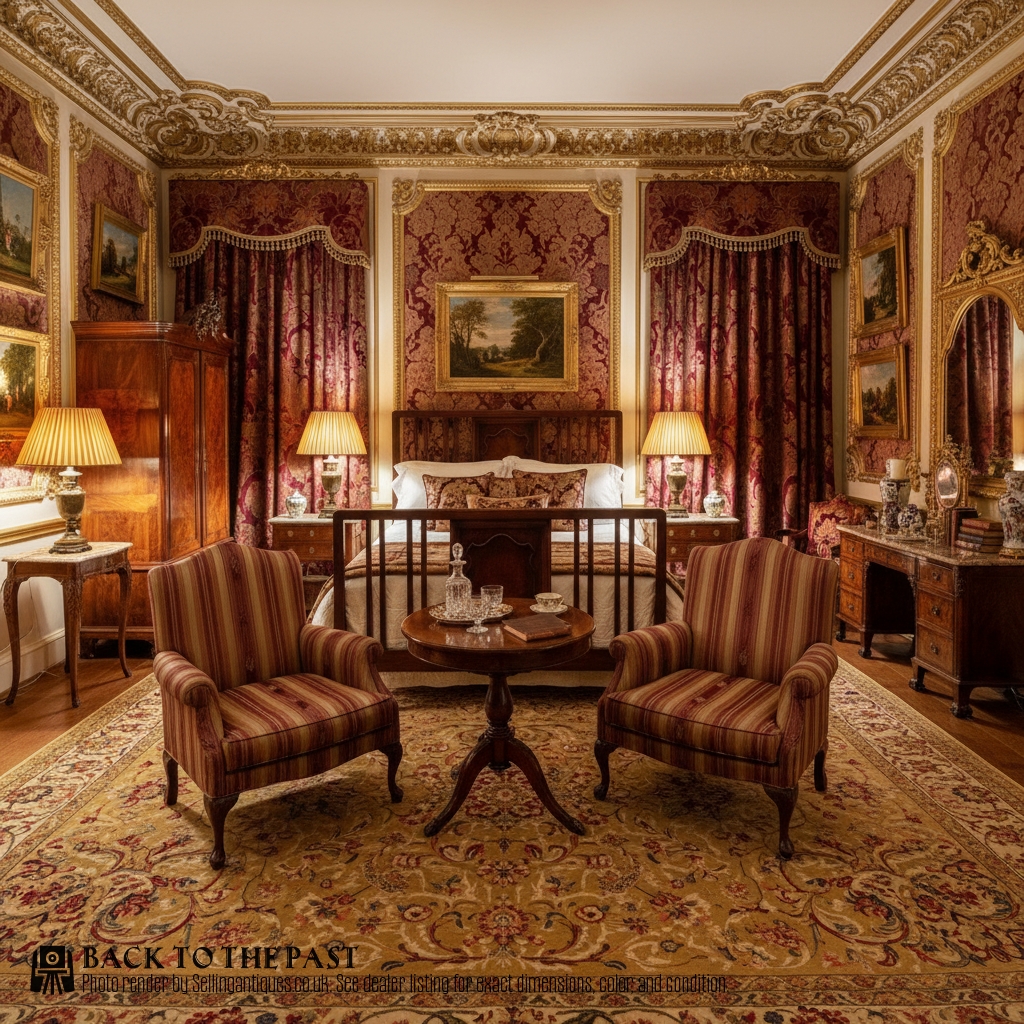
Walnut Bed Frame
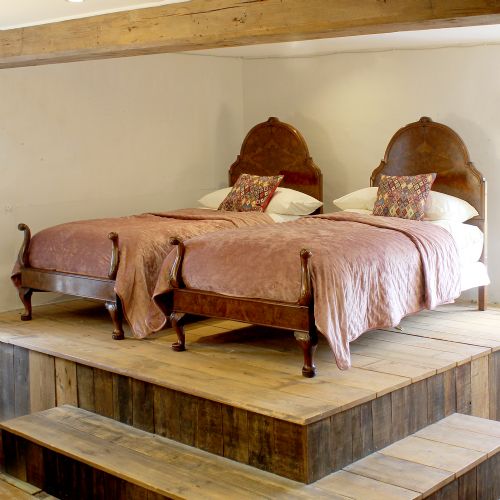
A walnut bed frame provides a sturdy sleeping structure defined by timber construction and period craftsmanship. When searching for a walnut bed frame, buyers encounter various formats including double sizes, king-size proportions, and single beds.
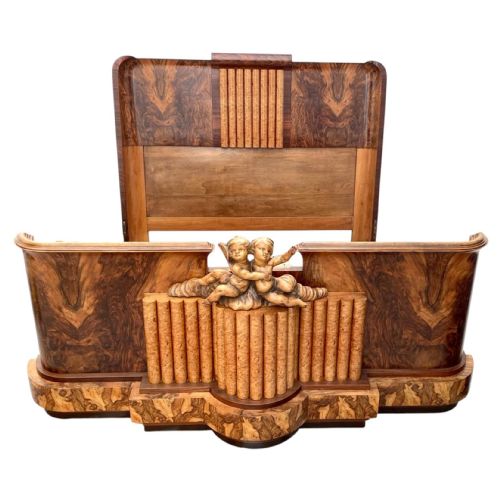
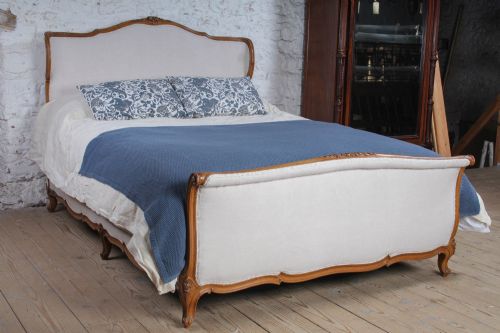
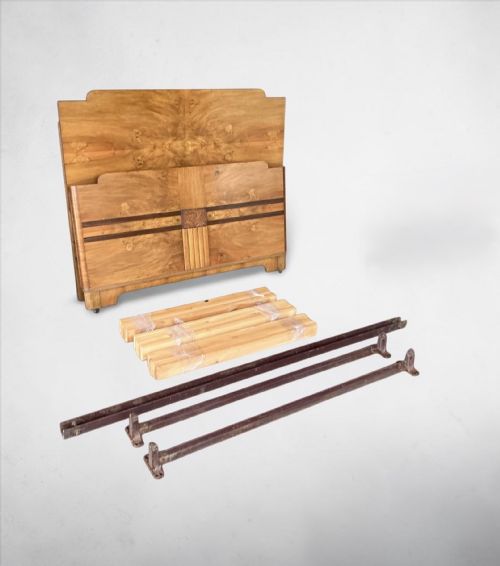
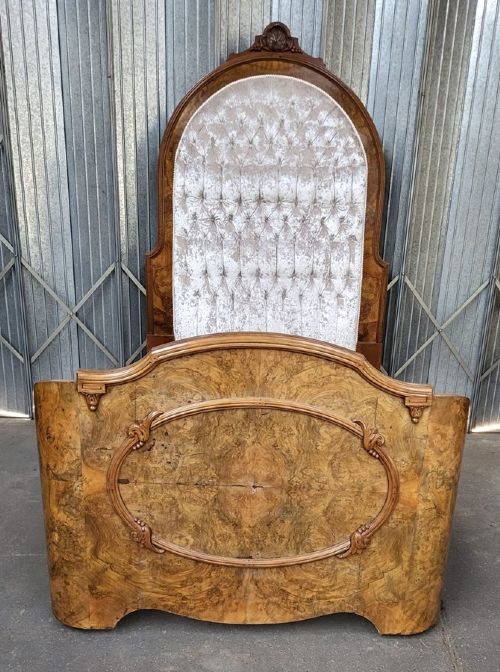
The most common examples on this page reflect 19th Century and early 20th Century aesthetics. These range from heavily carved Victorian high-back bedsteads to streamlined Art Deco designs from the 1930s.
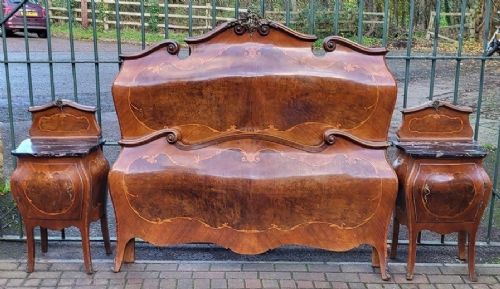
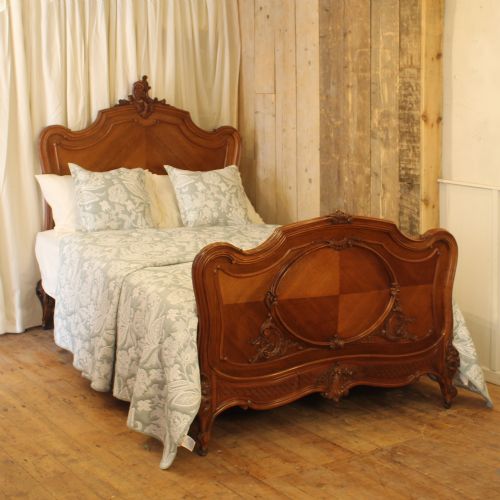
French regional styles also appear frequently alongside British Edwardian and Victorian pieces. Buyers will find daybeds and French provincial frameworks supplementing standard double and king sizes.
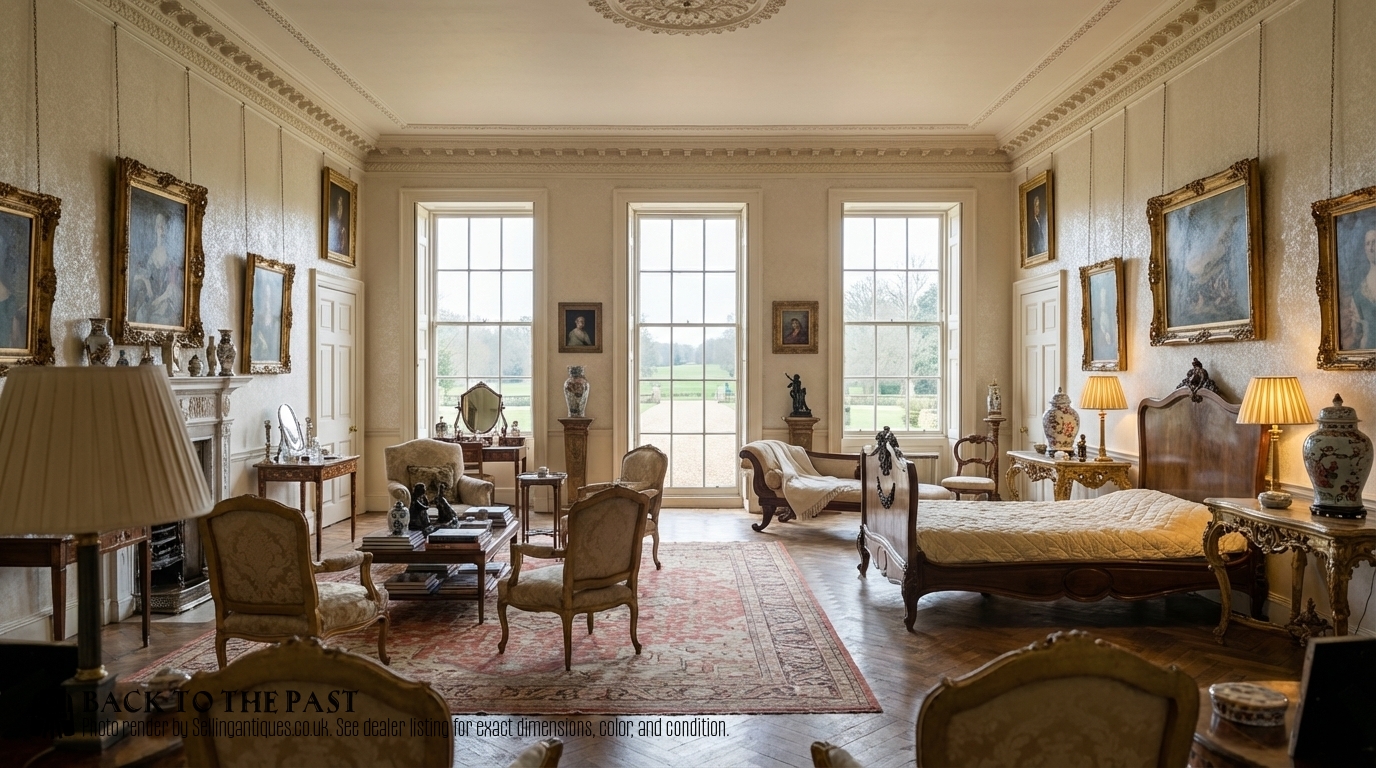
How they were made
Cabinetmakers utilised solid walnut and decorative veneers like burr walnut or quarter-veneered panels to achieve striking grain patterns. Timber selection dictated the visual weight of each piece.
Structural integrity often relied on secondary timbers concealed beneath decorative surfaces, complemented by brass detailing or ormolu mounts on French revival models. Upholstered sections feature button-back textiles and traditional padding.
Walnut Bed Frame Retail Price Guide 2026
Typical asking prices for walnut bed frame among the pieces listed under this phrase on Sellingantiques today, from the lower quarter to the upper quarter. They describe what is for sale here now, not the wider market.
Some Art Deco designs kept bedside tables attached permanently to the headboard, ensuring nobody ever loses their alarm clock.
What varies in quality
Quality rests in the depth of the timber figuring and the precision of the carving or veneer alignment. Highly figured burr walnut and symmetrical quarter-veneering distinguish superior examples from plain timber builds.
Construction methods also set pieces apart, from hand-carved Victorian bed frames to sophisticated Art Deco geometric geometry. The finesse of applied brass detailing and integral cabinetry elevates the standing of a piece.
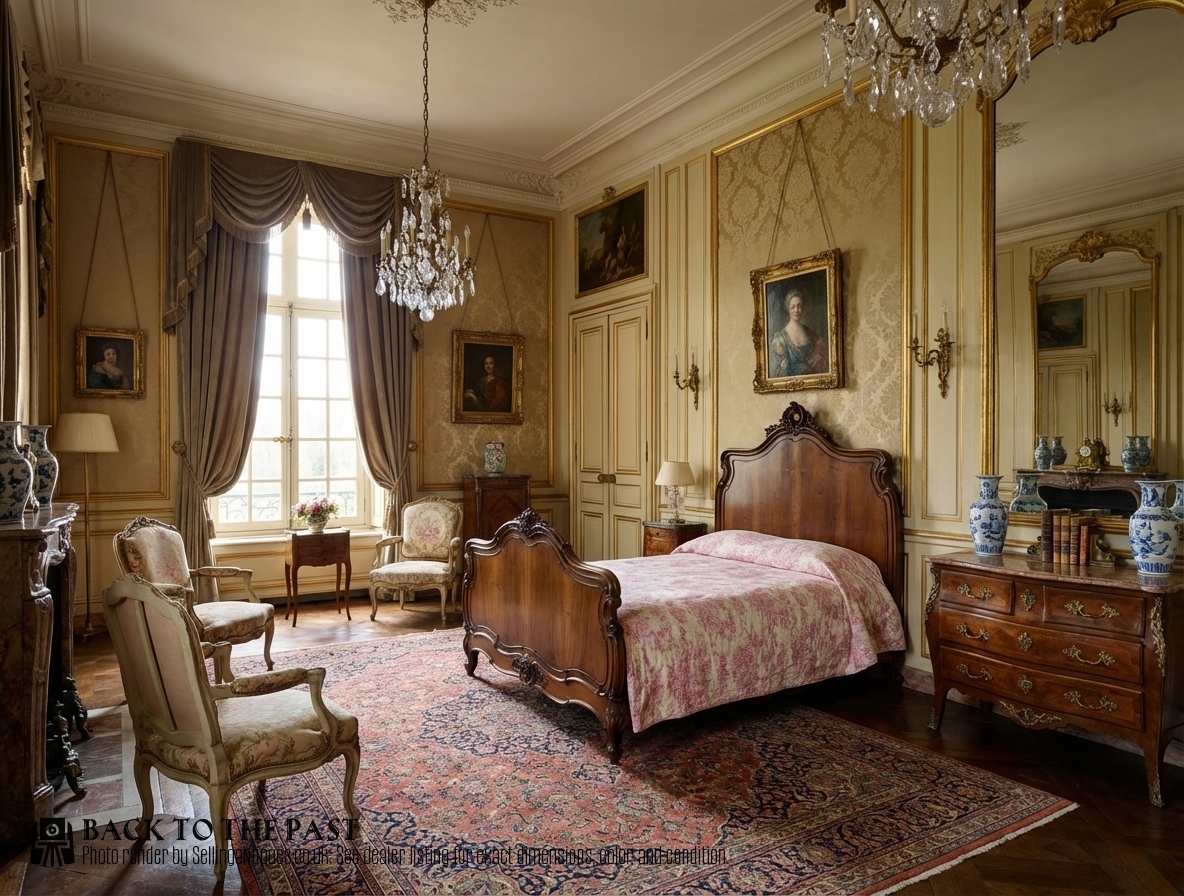
Waring & Gillow England·Howard & Sons·Heals of London
The Walnut Bed Frame Glossary
- Ormolu
- Gilded bronze detailing applied as mounts to furniture frames. This technique is prominent on French revival beds.
- Daybed
- A multifunctional piece functioning as a seat by day and a bed by night. These often feature scrolled timber ends or upholstered backs.
- Quarter veneered
- An arrangement where four matching veneer slices are placed together to form a symmetrical diamond or quadrant pattern. This creates a striking centrepiece on headboards.
- Bedstead
- A traditional term for the framework of a bed supporting the mattress and base. It often includes decorative headboards and footboards.
Walnut Bed Frame: Frequently Asked Questions
What sizes do these walnut bed frames come in?
The selection includes single beds, double sizes, and king-size proportions. Dimensions vary depending on the specific period and whether the piece originates from British or French makers.
Buyers should check individual listings for exact mattress dimensions, as older sizing standards often differ from modern mattress measurements.
How do I identify an Art Deco walnut bed frame?
Art Deco pieces from the 1930s typically display curvaceous or fan-shaped silhouettes and highly figured walnut veneers. They lack the heavy carvings of Victorian furniture.
These frames often embrace a streamlined aesthetic, sometimes incorporating contrasting satinwood or integral bedside tables.
Are these beds compatible with modern mattresses?
Many antique frames accommodate contemporary mattress sizes, though historical widths can occasionally require custom solutions. Standard UK and continental proportions appear across different periods.
It is advisable to examine the internal dimensions of the side rails before purchasing a new mattress.
What is the difference between Victorian and Edwardian examples?
Victorian walnut bed frames often feature high button-back upholstery, dark timber tones, and deep, ornate carving. They project substantial weight and formal presence.
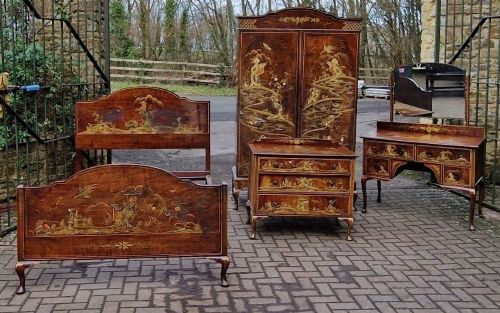
Edwardian pieces tend toward lighter domestic styling, sometimes forming part of matching bedroom suites with delicate inlay or simpler timber lines.